Key Takeaways
-
A 2024 systematic review found statistically significant sleep improvement with Reiki versus control groups, though researchers emphasize more rigorous research is needed before calling it a proven solution.
-
Reiki's potential benefits for menopausal sleep may stem from the calm environment, focused practitioner attention, slower breathing, and reduced anxiety rather than mystical energy.
-
Reiki should never replace medical care; severe sleep issues during menopause require doctor evaluation to rule out sleep apnea, thyroid disease, or other underlying conditions.
-
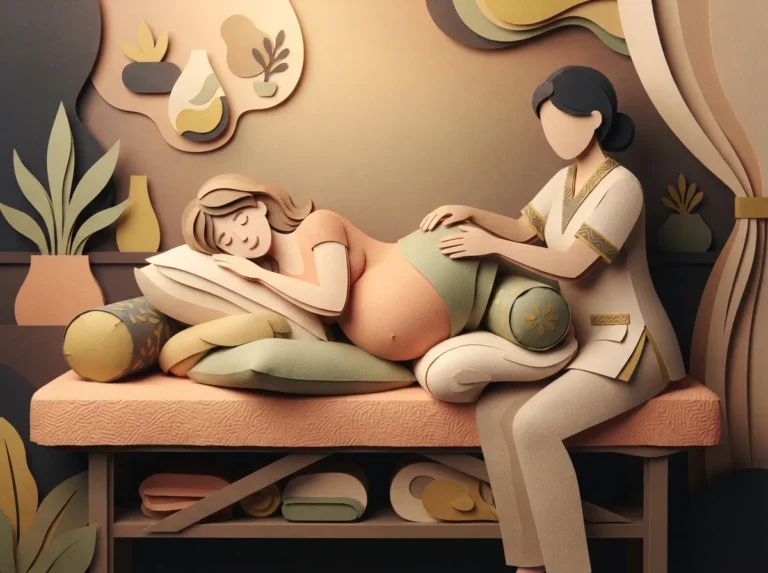
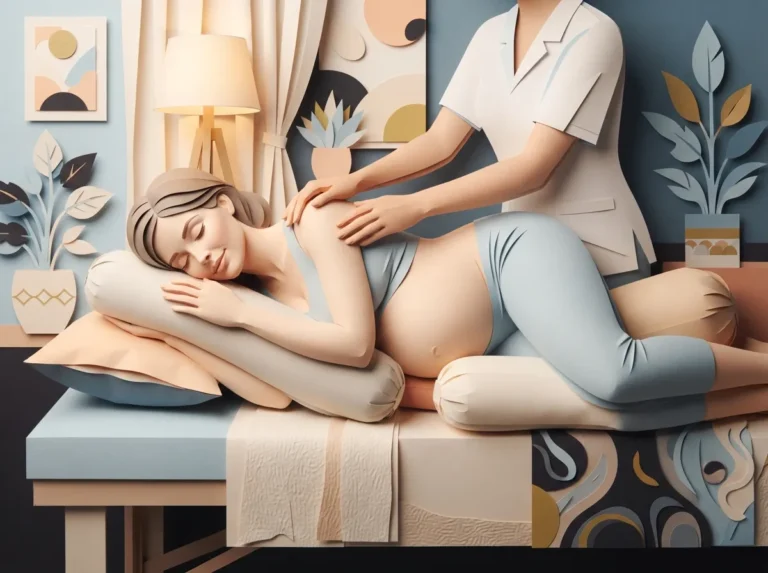
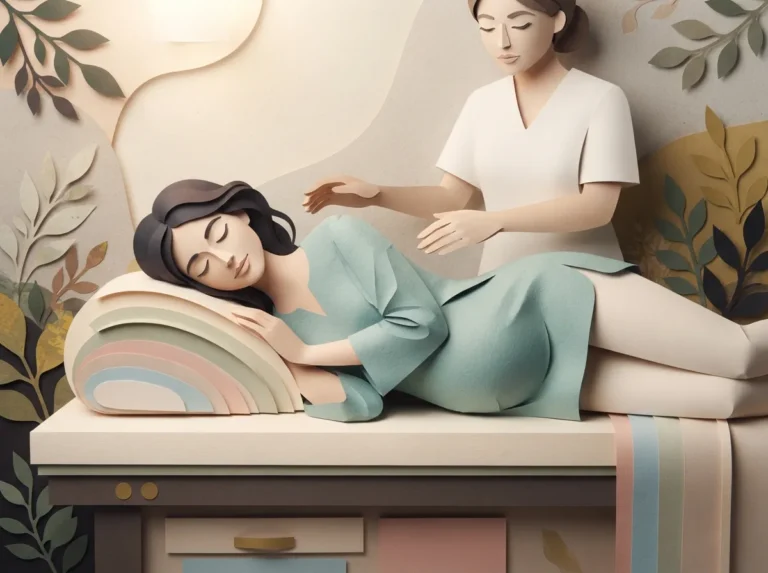
Sessions typically last 45-60 minutes with light or no-touch therapy while fully clothed, and practitioners can adjust room temperature and positioning to accommodate hot flashes and discomfort.
If you’re tossing and turning at 3 a.m., fanning yourself through another hot flash, you’re definitely not alone. Sleep trouble shows up in roughly half of women going through perimenopause and menopause, and it can make everyday life feel exhausting. Many women in Falls Church are turning to gentle, calming therapies like Reiki to help them relax and feel more like themselves again. At Luna Massage Studio, we get a lot of questions about Reiki healing and whether it can really help with menopausal symptoms and insomnia. This article breaks down what the research actually shows, what a session feels like, and how to set realistic, honest expectations. We’ll keep things simple, friendly, and grounded in facts, so you can decide if this gentle practice belongs in your wellness routine.
1. What Reiki Therapy Actually Is
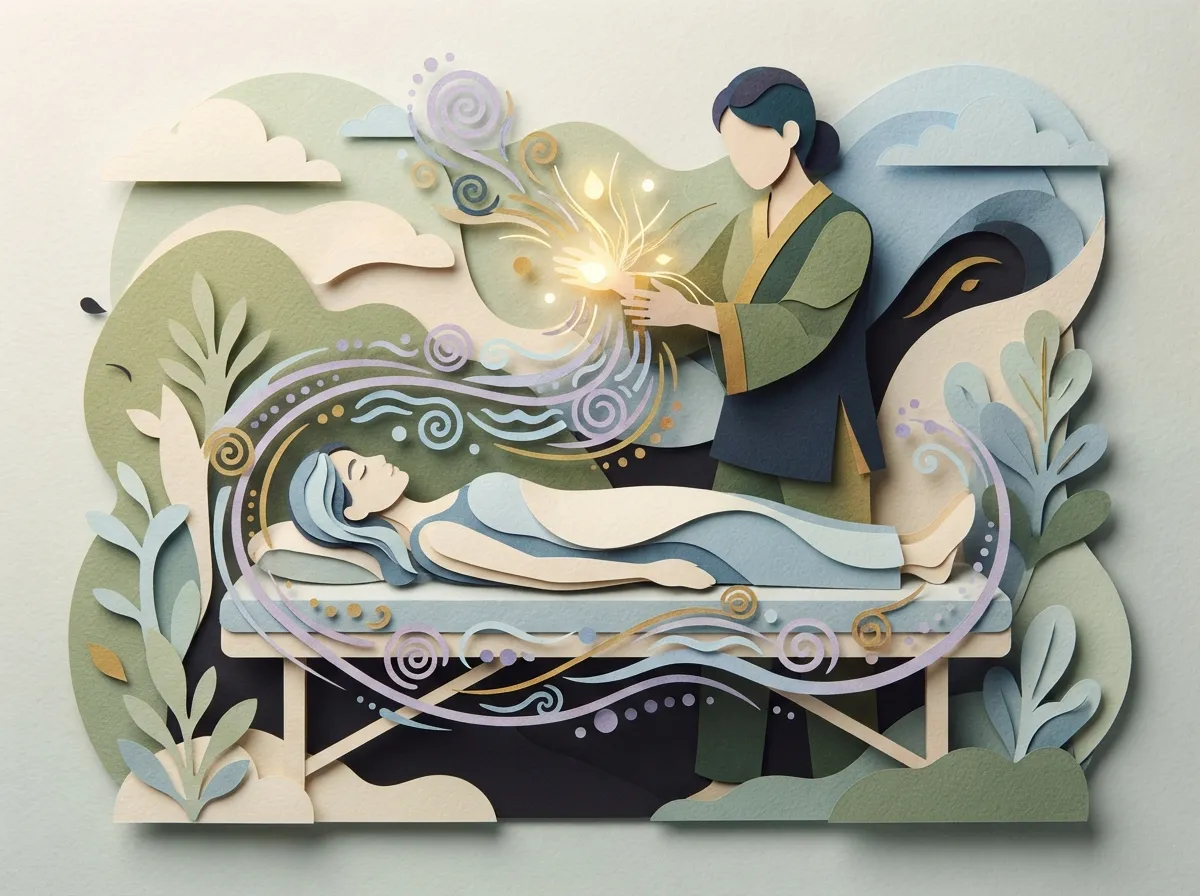
Reiki is a light-touch, noninvasive practice where a practitioner places their hands gently on or above your fully clothed body. It began in Japan in the late 1800s and is based on the idea of channeling a calming life-force energy. You can learn more about the history and philosophy behind it on Reiki Healing‘s detailed overview. In a massage therapy setting like ours, Reiki is offered as a relaxation and supportive wellness service. It’s never meant to replace medical care or diagnose anything.
2. Why Menopause Messes With Your Sleep
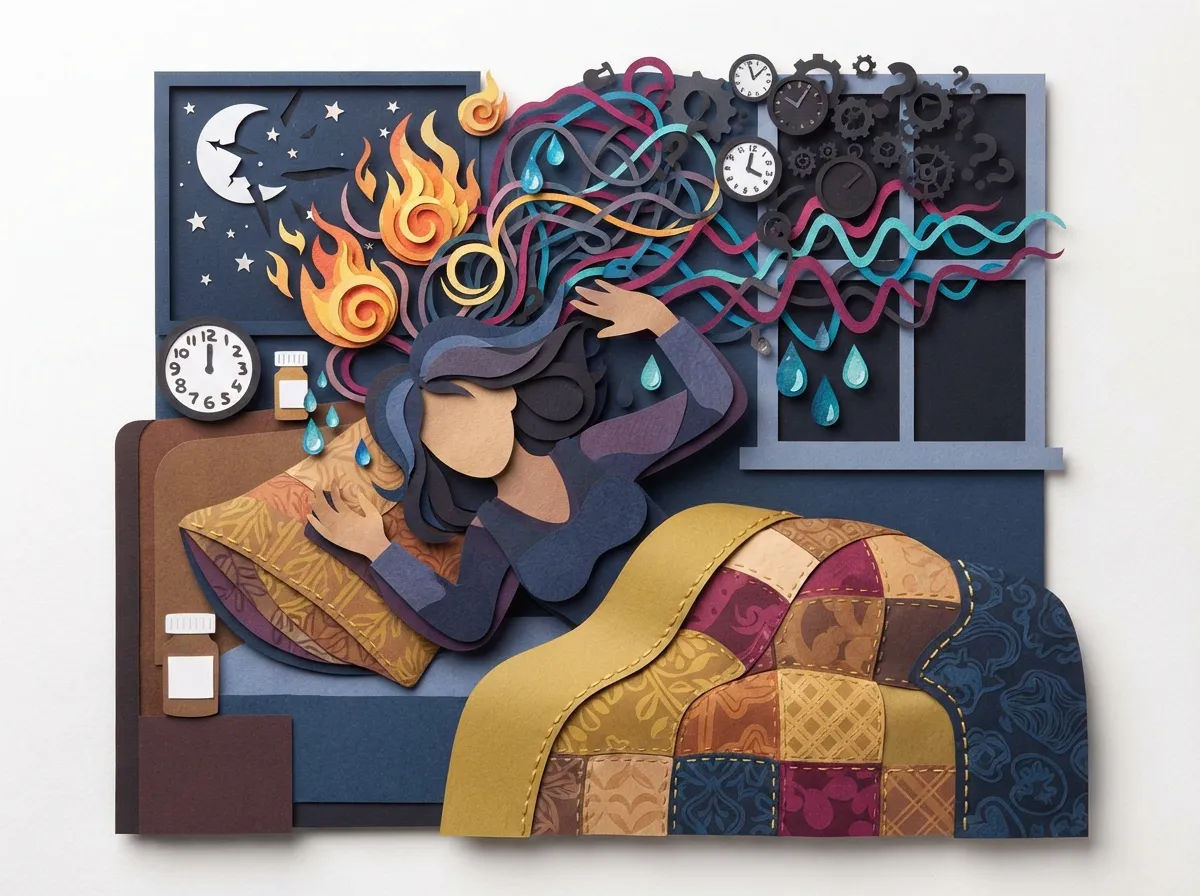
Menopause brings hormone shifts that can trigger hot flashes, night sweats, mood changes, and restless nights. Research shows sleep disturbance affects about 50% to 55% of women during perimenopause, and roughly 51.6% to 54.7% after menopause. That’s a lot of tired, frustrated women searching for answers. Understanding this backdrop helps explain why so many are curious about calming therapies like Reiki as one piece of the puzzle.
3. What the Research Really Says About Reiki and Menopause
Let’s be honest: the science here is still young. An earlier review of complementary therapies found there wasn’t enough solid research to call Reiki a proven treatment for hot flashes or other vasomotor symptoms. There simply weren’t enough quality studies to draw firm conclusions. That doesn’t mean Reiki does nothing, it just means we can’t promise it treats hormonal symptoms directly.
A Promising But Small 2025 Study
A 2025 study of postmenopausal women found some encouraging numbers. Women who received Reiki had a mean menopausal-complaint score of 17.31, compared to 21.73 in the control group. Psychological symptom scores were also lower, 10.07 versus 12.60. These results are hopeful, but one study isn’t enough to call Reiki a proven fix. Think of it as an early clue, not a final answer.
4. What We Know About Reiki and Sleep Specifically
A 2024 systematic review searched nine databases and found over 2,300 studies, but only three randomized controlled trials met the bar for analyzing Reiki and sleep. The pooled result showed a statistically significant improvement in sleep versus control groups. Still, the study’s authors were clear: Reiki remains unproven, and more rigorous research is needed before anyone can call it a reliable sleep solution.
An Interesting Side Note From Oncology Research
A 2024 conference report looked at 65 people on hormone therapy for breast or prostate cancer, most dealing with real insomnia. After four weeks, those who received Reiki saw their insomnia severity scores drop more than those who got massage alone. This wasn’t a menopause-specific study, and it was only a conference abstract, but it does hint that gentle touch therapies may offer some sleep support.
5. How Reiki Might Help, Even Without Hard Proof
Here’s the honest truth: any sleep benefit from Reiki might not come from mystical energy at all. It could simply come from:
- Quiet, uninterrupted rest in a calm environment
- The comfort of caring, focused attention from a practitioner
- Slower breathing and a relaxed nervous system
- Reduced anxiety about the day’s stress
- A calming bedtime-like ritual your body learns to expect
None of that is a bad thing. In fact, these effects alone can be genuinely valuable for someone running on empty from disrupted sleep.
6. What a Reiki Session Might Feel Like
If you’ve never tried Reiki, here’s a simple walk-through of what to expect:
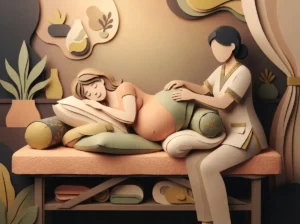
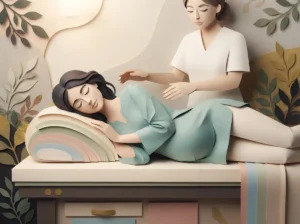
- You’ll settle onto a massage table, fully clothed, in a quiet, dimly lit room.
- Your practitioner will ask about your symptoms, comfort level, and any areas you’d like them to avoid.
- They’ll place their hands lightly on or just above different areas of your body.
- You’re encouraged to breathe slowly and simply rest, no talking required.
- Sessions typically last around 45 to 60 minutes, ending with a gentle check-in.
Many women say it feels similar to a peaceful nap with a comforting human presence nearby.
7. Making Sessions More Comfortable During Menopause
A good practitioner will adjust the experience to fit your needs. For menopausal clients, that often means:
- Keeping the room cool and well-ventilated
- Offering light touch or no touch, based on your comfort
- Easy access to water and a nearby restroom
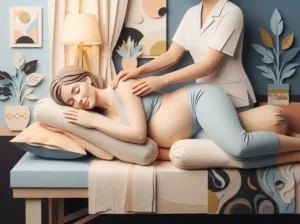
- Flexible positioning if lying flat feels uncomfortable
- Permission to pause anytime for a hot flash or anxious moment
If you’re curious about pairing Reiki with other relaxing services, our aromatherapy massage is a free add-on that can deepen that sense of calm.
8. Reiki Is a Complement, Not a Replacement
This is the most important point in this whole article: Reiki should never replace medical care. It can’t balance hormones, cure insomnia, or treat menopause. If your sleep troubles are severe, sudden, or affecting your daily life, please talk to your doctor. Sleep problems during menopause can overlap with other issues like sleep apnea, restless legs syndrome, thyroid disease, depression, or medication side effects. A responsible massage therapy studio will always encourage you to loop in your physician or a sleep specialist when needed.
How Reiki Fits Alongside Other Treatments
Reiki is generally considered low risk and can often be combined safely with massage therapy, hormone therapy, or prescribed sleep medication. Still, it’s smart to mention any complementary therapies to your doctor, especially if you have a chronic illness or are undergoing cancer treatment. Open communication keeps your care team on the same page and keeps you safe.
9. Comparing Reiki to Other Massage Therapy Options for Menopausal Comfort
Reiki isn’t the only option worth considering. Depending on your symptoms, other services at Luna Massage Studio may also help you feel more relaxed and comfortable.
| Service | Best For | What to Expect |
|---|---|---|
| Swedish Massage | General relaxation, stress, mild tension | Light-to-medium pressure, full-body relaxation |
| Deep Tissue Massage | Muscle stiffness, aches, joint discomfort | Firmer pressure targeting deeper muscle layers |
| Reiki Healing | Emotional calm, stress reduction, gentle relaxation | Light or no touch, quiet and restorative |
| Gua Sha or Cupping Add-Ons | Muscle tension, circulation support | 15-minute add-on paired with any massage |
Many clients like to alternate between these services depending on how they’re feeling that week. Some prefer a firm sport massage after a hard week, then a gentle Reiki session when they simply need quiet and stillness.
10. Setting Realistic Expectations and Moving Forward
Reiki can be a soothing, supportive part of your self-care routine during menopause. It’s not a miracle cure, and it’s not backed by strong, large-scale research yet. But if it helps you slow down, breathe easier, and feel cared for, that has real value. A 2025 review of mind-body therapies, which included Reiki among others, found improvements in sleep, depression, and anxiety across 1,572 participants. That’s encouraging, even though it can’t be credited to Reiki alone.
Our team at Luna Massage Studio believes in honest, informed care. We’ll never promise Reiki will fix your hormones or cure insomnia outright. What we can promise is a calm, respectful space where you’re heard, comfortable, and supported. You can see what real clients have experienced by checking our reviews page, or browse our Instagram for a peek at our studio vibe. Curious what others in the area think? Take a look at our Yelp page too.
Final Thoughts on Reiki for Menopause and Sleep
Menopause is tough enough without sleepless nights piling on top. While Reiki isn’t a guaranteed fix, it offers a gentle, low-risk way to slow down and reconnect with your body. Combined with good sleep habits, medical guidance when needed, and maybe a relaxing massage session or two, it can be a comforting piece of your wellness puzzle. If severe symptoms are affecting your daily life, please reach out to your doctor first. And if you’re ready to explore a calming Reiki session for yourself, our team would love to help. You can also visit us on Google — Luna Massage Studio to see what our Falls Church community has to say. Ready to feel more rested and at ease? Book Now to schedule your session, or get in touch with our team if you have any questions first.
FAQs
Q: Can Reiki help with menopause symptoms such as hot flashes and night sweats?
A: There’s not enough solid research to say Reiki directly treats hot flashes or night sweats. Some women find it helps them feel calmer overall, which can make symptoms feel more manageable, but it’s not a proven medical treatment.
Q: Is there scientific evidence that Reiki improves insomnia during menopause?
A: A 2024 review found a small but statistically significant sleep improvement across just three studies, though researchers stressed that Reiki remains unproven. It’s a promising area, but we’re not there yet with strong evidence.
Q: What should I expect during a Reiki session for menopausal symptoms?
A: You’ll relax fully clothed on a table while your practitioner uses light touch and a calm, quiet setting to help you unwind. Sessions are gentle, adaptable to your comfort, and usually last around 45 to 60 minutes.
Q: Can Reiki be combined safely with massage therapy, hormone therapy, or sleep medication?
A: Yes, Reiki is generally low risk and can often be combined with other treatments. Just be sure to mention any therapies you’re using to your doctor so everyone stays informed and your care stays coordinated.
Q: When should menopausal insomnia be evaluated by a doctor or sleep specialist?
A: If your sleep troubles are severe, sudden, or messing with your daily life, it’s time to check in with a doctor. Conditions like sleep apnea, thyroid issues, or anxiety can overlap with menopause, so a proper evaluation matters.
Our Service Area