Key Takeaways
-
Swedish massage activates your parasympathetic nervous system through gentle strokes, effectively lowering heart rate and switching your body from 'fight or flight' to 'rest and digest' mode.
-
Consistency matters more than single sessions: one massage reduces immediate state anxiety, but weekly or biweekly sessions over time reduce trait anxiety and reshape your baseline stress response.
-
Deep tissue massage releases anxiety stored directly in muscle tension, particularly in shoulders, jaw, and lower back where stress physically settles for weeks or months.
-
Massage therapists cannot treat anxiety disorders clinically; they support physical stress relief and should refer clients to mental health professionals for ongoing or severe anxiety.
-
Weekly or biweekly sessions during high-stress periods and monthly maintenance sessions work best, since your body needs regular touch to build a lasting habit loop of safety and calm.
-
Research shows massage works as part of a broader relaxation response alongside therapy, sleep, and movement—not as a standalone treatment for diagnosed anxiety disorders.
Anxiety can feel like a tight knot in your chest that just won’t loosen. Maybe it’s a big work deadline, a growing belly and a nursery that’s not ready, or sore muscles from your last long run. Whatever the cause, your body holds onto that stress in real, physical ways. Here’s the good news: the American Massage Therapy Association (AMTA) notes that massage therapy can help reduce symptoms of anxiety, and it does this by working directly with your nervous system, not just your mood.
At Luna Massage Studio in Falls Church, VA, we see this every day. Busy professionals come in with shoulders up around their ears. Expecting moms arrive carrying tension in places they didn’t even know could hurt. Athletes show up wound tight after hard training blocks. Seniors walk in stiff and worried about their next flare-up. And wellness lovers keep coming back because they know self-care is not selfish, it’s smart. This guide walks you through four proven massage habits that genuinely calm anxiety, plus the facts, stats, and honest limits you should know about.
What Anxiety Really Means in a Massage Therapy Setting
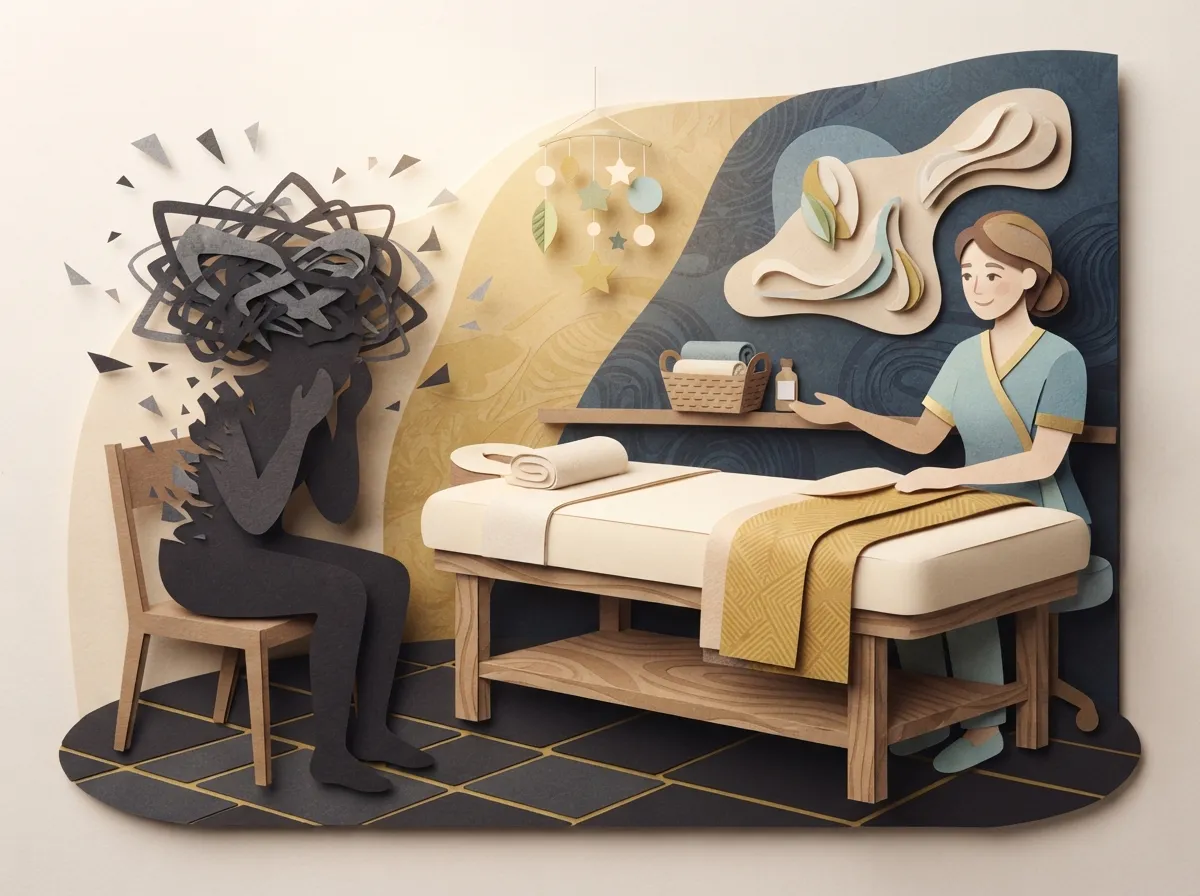
When we talk about anxiety at a massage studio, we’re not diagnosing a mental health condition. We’re talking about the physical and emotional stress signals your body sends out: racing thoughts, a pounding heart, shallow breathing, and muscles clenched like a fist. Massage therapists are trained to work with these physical symptoms of stress, not to treat anxiety disorders directly.
That distinction matters. Reputable practitioner guidance is clear that massage therapists should never claim to treat anxiety as a clinical condition. Instead, we support your body’s natural relaxation response and refer clients to licensed mental health professionals when something looks bigger than a stressful week. Think of massage as one strong piece of your wellness puzzle, not a replacement for therapy or medical care.
State Anxiety vs. Trait Anxiety: Why It Matters
Researchers split anxiety into two buckets, and understanding the difference helps explain why your massage routine matters.
- State anxiety is the anxiety you feel right now, in this moment, like before a big presentation or during a stressful commute.
- Trait anxiety is a more general tendency toward feeling anxious, showing up again and again across your life.
- Single massage sessions have been shown to significantly reduce state anxiety, giving you that immediate sense of calm.
- Repeated sessions over weeks tend to reduce trait anxiety, meaning consistency really does pay off.
- This is why we always encourage clients to think of massage as a rhythm, not a one-time fix.
4 Massage Habits That Genuinely Ease Anxiety
These four habits come straight from research, professional guidance, and what we see working for our clients week after week. Try building even one or two into your routine and notice the difference.
1. Book Regular Swedish Massage for Steady Nervous System Support
Swedish massage uses long, gliding strokes designed to slow your heart rate and switch on your parasympathetic nervous system, the part of you responsible for “rest and digest” instead of “fight or flight.” This is often the best starting point for anyone new to managing stress through touch. Busy professionals especially love booking an evening Swedish massage session after a brutal week of back-to-back meetings.
Because Swedish techniques are gentler than deep tissue work, they’re approachable for almost everyone, including first-timers who feel nervous about bodywork itself. Pair it with a free aromatherapy massage add-on for an extra layer of calming scent-based relaxation.
2. Use Deep Tissue Massage to Release Stress Stored in Muscle Tension
Anxiety doesn’t just live in your head, it settles into your shoulders, jaw, and lower back. A deep tissue massage targets those stubborn knots directly, helping muscles let go of tension that’s been building for weeks or even months.
Athletes and active adults often notice that anxious tension and workout tension feel remarkably similar in the body. Working through both at once, through firm, focused pressure, can leave you feeling lighter both physically and mentally. Many clients tell us this is the session where they finally exhale.
3. Add Reiki Healing for a Gentler, Energy-Based Approach
If deep pressure isn’t your thing, or you’re pregnant and need something extra gentle, Reiki healing is worth exploring. This practice, rooted in traditional Japanese energy work, focuses on calming the whole body through light touch and intentional energy flow. You can read more about the history and principles behind Reiki healing if you’re curious about where it comes from.
Wellness-focused clients often pair Reiki with regular massage as part of a bigger self-care rhythm. It’s also a lovely option for seniors who want relaxation without any deep pressure on sensitive joints or arthritic areas.
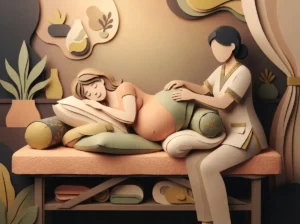
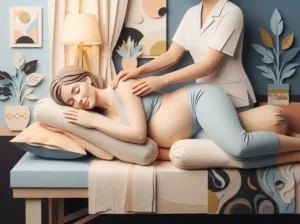
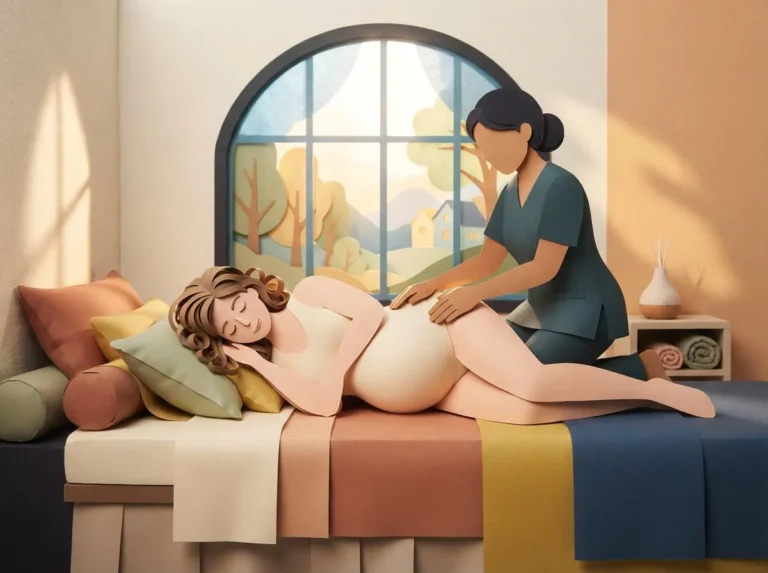
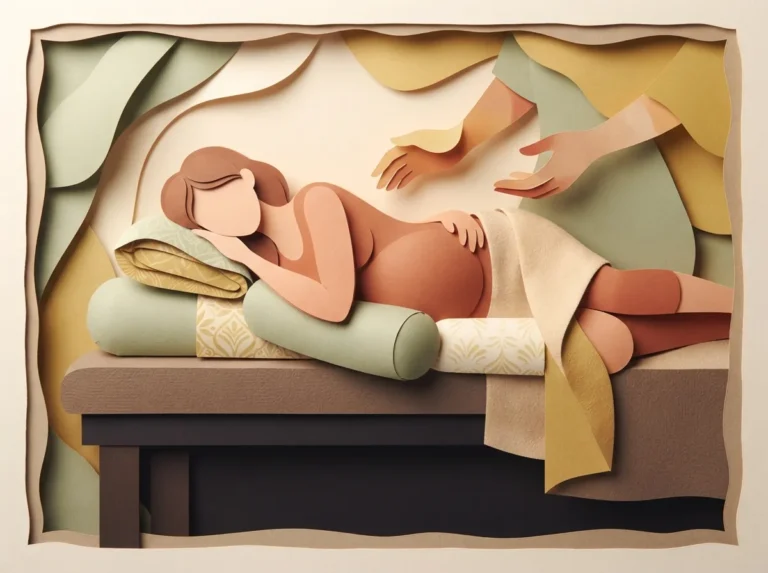
4. Try Prenatal Massage to Ease Pregnancy-Related Stress and Discomfort
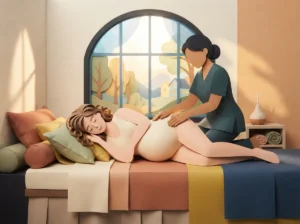
Pregnancy brings a unique mix of physical discomfort and emotional overwhelm. A specialized prenatal massage is designed specifically for this season of life, easing swelling, back pain, and the racing thoughts that come with preparing for a new baby.
Expecting moms in Falls Church often tell us their prenatal sessions are the only hour of the week they feel fully relaxed. That’s not a small thing. Reduced stress during pregnancy supports better sleep and a calmer nervous system for both mom and baby.
How Massage Supports Anxiety Relief: The Science in Simple Terms
You don’t need a biology degree to understand why massage feels so good when you’re stressed. Here’s what’s happening under the surface.
- Touch triggers the release of feel-good hormones like serotonin and dopamine, which naturally lift your mood.
- Massage lowers cortisol, the stress hormone that keeps your body on high alert.
- Slower breathing during a session activates your parasympathetic nervous system, cueing your body to relax.
- Reduced muscle tension sends a signal to your brain that it’s safe to calm down.
- Consistent sessions build a habit loop, training your body to associate touch with safety and calm over time.
A quantitative review cited in massage-therapy guidance found that single sessions significantly reduced state anxiety, while multiple sessions over time reduced trait anxiety. This lines up with what practitioners see firsthand: one massage feels great, but a routine changes how you handle stress long term.
What the Research Actually Says (And Doesn’t Say)
It’s worth being honest here, because trustworthy advice matters more than hype. A 2016 randomized controlled trial looked at people with generalized anxiety disorder and compared massage therapy to thermotherapy and a relaxing-room control group. All three groups improved over 12 and 26 weeks, and massage wasn’t found to be significantly better than the other relaxation-focused approaches.
That doesn’t mean massage doesn’t help. It means massage appears to work as part of a broader relaxation response, alongside other supportive habits like therapy, sleep, and movement. For clients managing a diagnosed anxiety disorder, we always recommend working with a licensed mental health provider and using massage as a helpful complement, not a stand-alone treatment.
| Massage Type | Best For | Anxiety-Related Benefit |
|---|---|---|
| Swedish Massage | First-timers, busy professionals | Activates relaxation response, lowers heart rate |
| Deep Tissue Massage | Athletes, chronic tension | Releases stored physical stress in muscles |
| Reiki Healing | Seniors, gentle-touch seekers | Calms energy and nervous system without pressure |
| Prenatal Massage | Expecting mothers | Eases pregnancy discomfort and racing thoughts |
A Note for Massage Therapists: Anxiety Isn’t Just a Client Issue
Here’s something people don’t talk about enough: massage therapists experience anxiety too. The work is physically demanding and emotionally intense, involving constant close contact and emotional labor. A 2023 qualitative study of women spa therapists found job overload, emotional labor, and workplace pressures were common stressors linked to anxiety and burnout risk.
Even outside massage specifically, research on frontline healthcare workers during the pandemic found that anxiety symptoms predicted emotional exhaustion and depersonalization, both hallmarks of burnout. This is a good reminder that self-care isn’t just for clients. If you’re a therapist reading this, your own stress deserves attention too. And if you’re a client, know that a well-supported, well-rested therapist gives you a better session every time.
Pandemic-Era Anxiety Numbers Worth Knowing
- In September 2020, more than 8 in 10 people who took an anxiety screen scored moderate to severe, according to a massage-industry summary of pandemic-era mental health data.
- This spike highlighted just how many people were carrying invisible stress loads with nowhere to put them.
- Massage became, for many, one of the few safe and legal outlets for physical stress relief during that period.
- The demand for stress-relief services has stayed high ever since, and it makes sense why.
How Often Should You Book for Anxiety Relief?
Consistency really is the secret ingredient. Here’s a simple framework to consider.
- High stress season (deadlines, pregnancy, training blocks): Aim for weekly or biweekly sessions.
- Moderate stress, general maintenance: Every 3 to 4 weeks works well for most people.
- Occasional tune-ups: Monthly sessions can still meaningfully lower trait anxiety over time.
- Combine with add-ons: Gua Sha or cupping can boost circulation and deepen relaxation during higher-stress stretches.
Whatever schedule fits your life, the key is showing up regularly enough that your body learns to expect and trust the relaxation response.
Signs You Should Also Talk to a Mental Health Professional
Massage is a wonderful support tool, but it has limits. Consider reaching out to a licensed therapist or counselor if you notice:
- Anxiety that interferes with work, relationships, or daily tasks
- Panic attacks or a racing heart that happens without a clear physical trigger
- Persistent sleep problems despite regular relaxation efforts
- Anxiety paired with symptoms of depression or hopelessness
- A feeling that stress is getting worse instead of better over several months
Good massage therapists know their scope and will gently encourage this step when needed. It’s not a failure of massage, it’s simply good, ethical care.
Why Falls Church Clients Choose Luna Massage Studio
Our studio was built around one simple idea: everyone deserves to feel calm in their own body. Whether you’re a busy executive squeezing in a Saturday appointment, a first-time mom needing gentle prenatal care, a runner nursing tight hamstrings, or a retiree managing arthritis, we tailor each session to what your nervous system actually needs. You can browse real client experiences on our reviews page or follow along with studio updates on Instagram. We’re also proud of the feedback we’ve received on Yelp, and you can always visit us on Google — Luna Massage Studio to see what our neighbors in Falls Church are saying.
Quick Pricing Reference
| Service | 60 min | 75 min | 90 min |
|---|---|---|---|
| Deep Tissue Massage | $125 | $145 | $165 |
| Swedish Massage | $125 | $145 | $165 |
| Sport Massage | $125 | $145 | $165 |
| Prenatal Massage | $125 | $145 | $165 |
| Reiki Healing | $125 flat rate | ||
Add-ons like Gua Sha and cupping are each $35 for 15 minutes, and aromatherapy is completely free with any massage. Learn more about our full range of services on the About page.
Ready to Feel Lighter, Calmer, and More Like Yourself?
Anxiety doesn’t have to run the show. With the right massage routine, a little consistency, and a studio that genuinely cares about your wellbeing, you can build real relief into your week. Whether you’re drawn to a soothing Swedish session, a firm deep tissue release, gentle Reiki, or specialized prenatal care, Luna Massage Studio in Falls Church is here to help you feel like yourself again. Ready to get started? Book your session now or reach out to our team with any questions, we’d love to help you find the right fit.
FAQs
Q: Can massage therapy help reduce anxiety?
A: Yes, massage therapy can genuinely help reduce anxiety symptoms by calming your nervous system and easing muscle tension. The AMTA confirms massage can assist with anxiety symptoms, though it works best alongside other healthy habits and, when needed, professional mental health support.
Q: What type of massage is best for anxiety?
A: Swedish massage is often the gentlest starting point for anxiety relief, thanks to its slow, soothing strokes. That said, deep tissue, Reiki, and prenatal massage all offer their own calming benefits depending on where you hold tension and what feels good for your body.
Q: How often should someone get massage for anxiety relief?
A: Weekly or biweekly sessions work great during especially stressful seasons, while monthly visits can still help manage everyday anxiety over time. Research shows single sessions ease short-term anxiety, but regular visits are what really shift your baseline stress levels.
Q: Can massage therapists say they treat anxiety?
A: Not quite, massage therapists are trained to help ease anxiety symptoms, not to diagnose or treat anxiety disorders directly. A responsible therapist will always encourage clients with ongoing or serious anxiety to also work with a licensed mental health professional.
Q: Can anxiety affect massage therapists themselves, not just clients?
A: Absolutely, massage therapists face real occupational stress from emotional labor, physical demands, and long hours on their feet. Studies have linked these pressures to burnout, which is why self-care matters just as much for therapists as it does for the clients they treat.
Our Service Area