Key Takeaways
-
Gua sha breaks up fascial adhesions and increases blood flow to treated areas, providing deeper pain relief than standard massage alone for chronic tension and sports injuries.
-
The red marks (petechiae) appearing after gua sha are healing indicators showing immune activation and tissue repair, not bruising, and typically fade within 2-5 days.
-
Professional therapeutic gua sha applies firm pressure to muscles and body tissue using smooth tools, differing significantly from gentle facial gua sha seen on social media.
-
Gua sha works best for chronic neck/back tension, sports injuries, migraines, and mobility restrictions by physically separating bound tissue and resetting pain signal cycles.
-
Always disclose your full health history before treatment; avoid gua sha if you have blood clotting disorders, active cancer, varicose veins, or skin conditions like eczema or open wounds.
-
Combine gua sha with deep tissue massage, heat therapy, or cupping for enhanced results, and choose a licensed massage therapist with specific gua sha certification and training.
That satisfying release you feel when a knot finally lets go during a massage becomes even more powerful when your therapist reaches for a smooth jade tool and begins the ancient practice of gua sha. This technique has traveled more than 2,000 years from traditional Chinese medicine into modern massage studios, and for good reason. It delivers results that standard massage strokes alone simply cannot achieve. Whether you’re a busy professional carrying stress in your shoulders, an athlete dealing with tight muscles, or a senior struggling with chronic pain, gua sha offers a deeper level of relief. It breaks up stuck tissue, resets pain signals, and gets blood moving in ways that feel almost miraculous. The red marks it leaves behind might look alarming at first, but they’re actually signs of healing happening beneath the surface. In this guide, we’ll walk you through everything you need to know about gua sha massage therapy — what it is, how it works, what to expect, and how to find the right therapist to help you feel your best.
What Gua Sha Means in Professional Massage Therapy
Gua sha is rooted in traditional Chinese medicine, with origins stretching back over 2,000 years. The name itself tells the story. “Gua” means to scrape, and “sha” refers to the redness or rash that appears on the skin. Ancient practitioners believed that scraping the skin released stagnant “chi” energy, improved circulation, and reduced inflammation throughout the body. This wisdom has survived the test of time and found a modern home in professional massage studios across the country.
In today’s massage therapy setting, therapists integrate gua sha with other hands-on techniques to create a more complete treatment experience. A skilled therapist doesn’t simply scrape and send you home. They assess your specific areas of tension, combine gua sha with Swedish strokes, deep tissue massage, or sport massage, and tailor the pressure and stroke direction to your individual needs.
It’s important to understand the difference between professional therapeutic gua sha and the facial gua sha treatments you might see on social media. Facial gua sha uses light, gentle strokes focused on lymphatic drainage and skin appearance. Therapeutic gua sha used in massage sessions applies firm, deliberate pressure to muscles, the back, neck, arms, and legs. The goals and techniques are very different.
Professional application matters enormously for results. A trained therapist knows how much pressure to use, which direction to stroke, and how to read the skin’s response in real time. At-home tools and tutorials simply can’t replicate that expertise. The combination of clinical knowledge and hands-on skill is what makes professional gua sha so effective for real pain relief and recovery.
The Science Behind Those Red Marks and Pain Relief
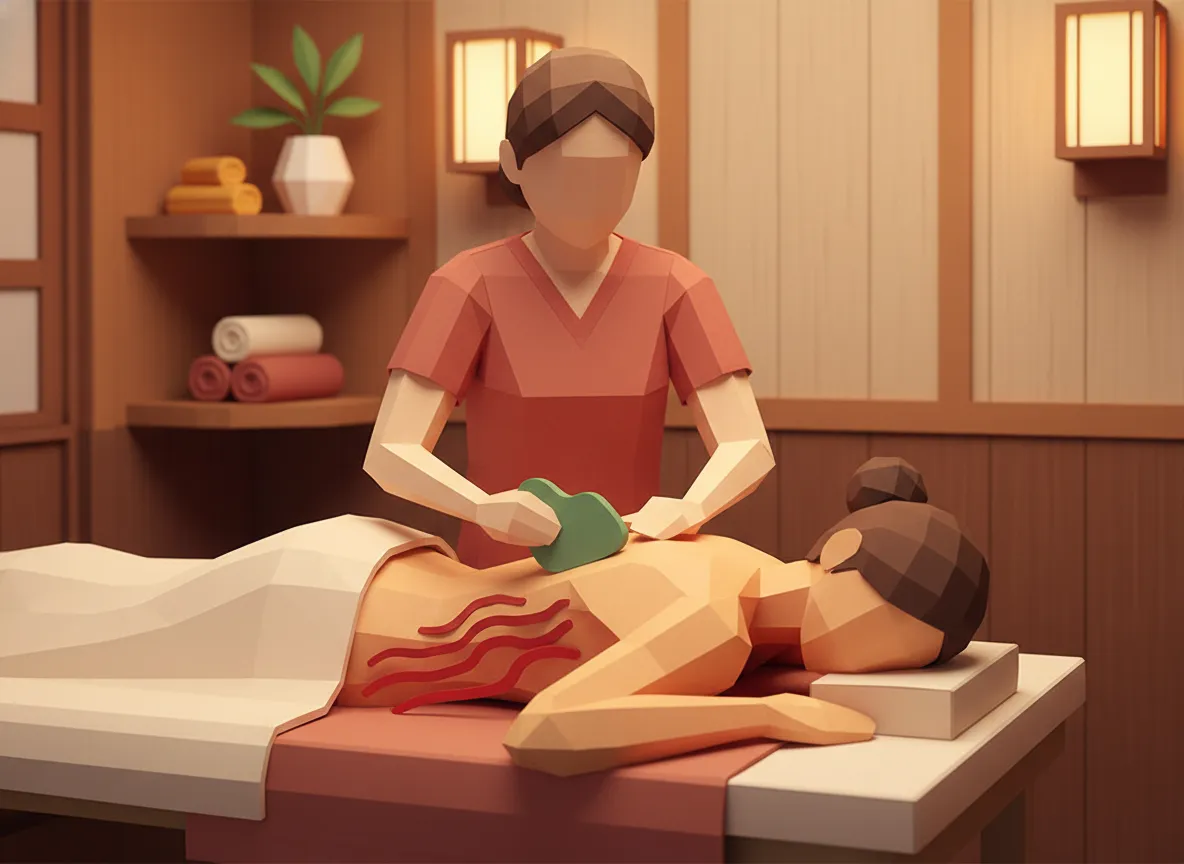
When your therapist glides a smooth tool across your oiled skin, something fascinating happens beneath the surface. The firm strokes break up fascial adhesions — those tight, sticky bands of connective tissue that form around muscles after injury, overuse, or chronic tension. Fascia is the web of tissue that surrounds every muscle in your body. When it gets stuck, it restricts movement and causes pain. Gua sha physically separates those adhesions, giving your muscles room to move freely again.
The scraping motion also dramatically increases blood flow to the treated area. More blood means more oxygen and nutrients delivered directly to tissues that may have been starved of circulation. This is especially important for chronically tight muscles, which often have poor circulation as a contributing factor to their tension and soreness.
Those red or purple marks that appear after treatment — called petechiae — are a natural and healthy response. They form when tiny capillaries near the skin’s surface break open due to the pressure of the strokes. Rather than being bruises caused by damage, petechiae are healing indicators. They show that circulation has been activated and that immune cells are being drawn to the area to begin the repair process. The marks typically fade within a few days.
Research backs up what practitioners have observed for centuries. A 2017 study with 12 older adults showed that gua sha provided longer-lasting pain relief and improved lower back mobility at a one-week follow-up compared to moist heat packs alone. A 2019 study on weightlifters found that gua sha improved performance and reduced muscle fatigue compared to control groups. Gua sha also disrupts the pain signal cycle by stimulating nerve endings near the skin, essentially interrupting the loop of chronic pain messages traveling to and from the brain. This is why so many clients feel relief almost immediately after a session.
| Effect | What Happens | Benefit to Client |
|---|---|---|
| Fascial release | Adhesions break apart | Improved flexibility and range of motion |
| Increased circulation | Blood flow surges to treated area | Faster healing and reduced soreness |
| Petechiae formation | Capillaries open near skin surface | Immune activation and tissue repair |
| Pain signal disruption | Nerve endings are stimulated | Immediate and lasting pain relief |
What to Expect During Your First Gua Sha Session
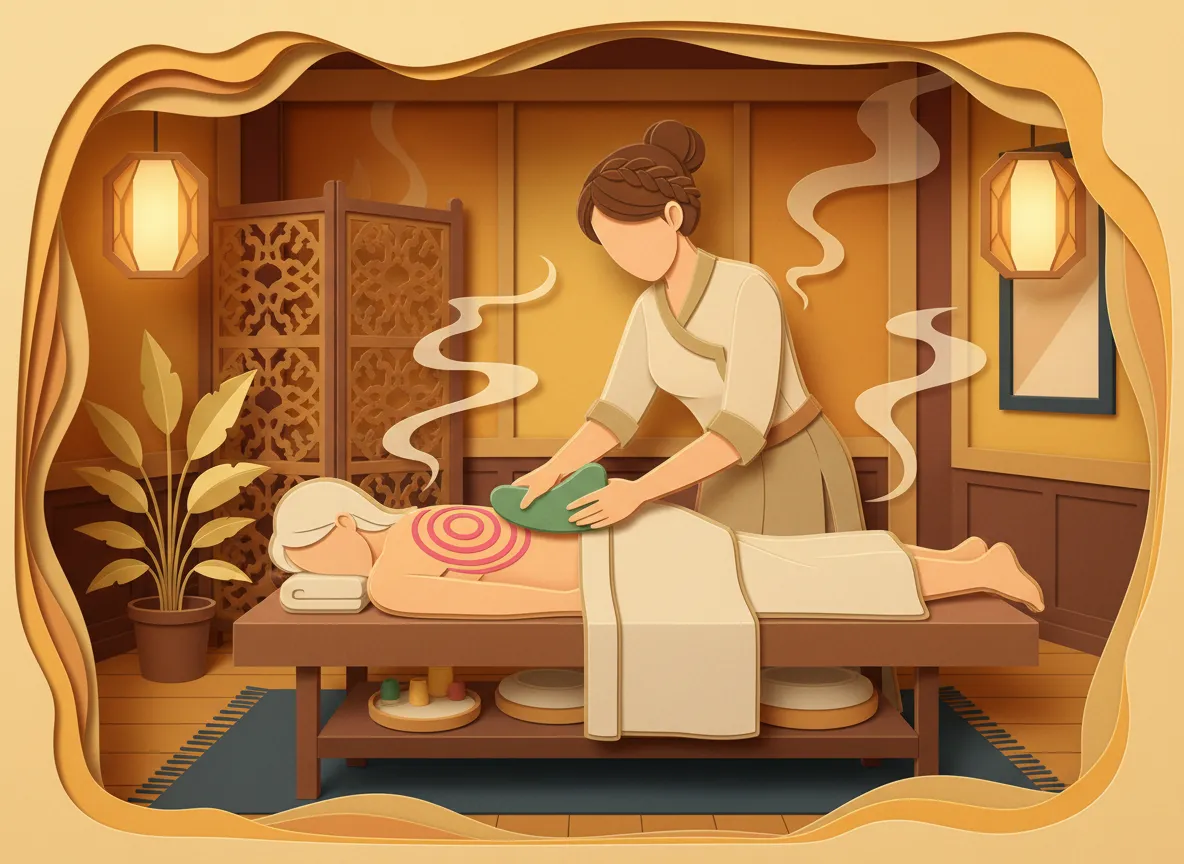
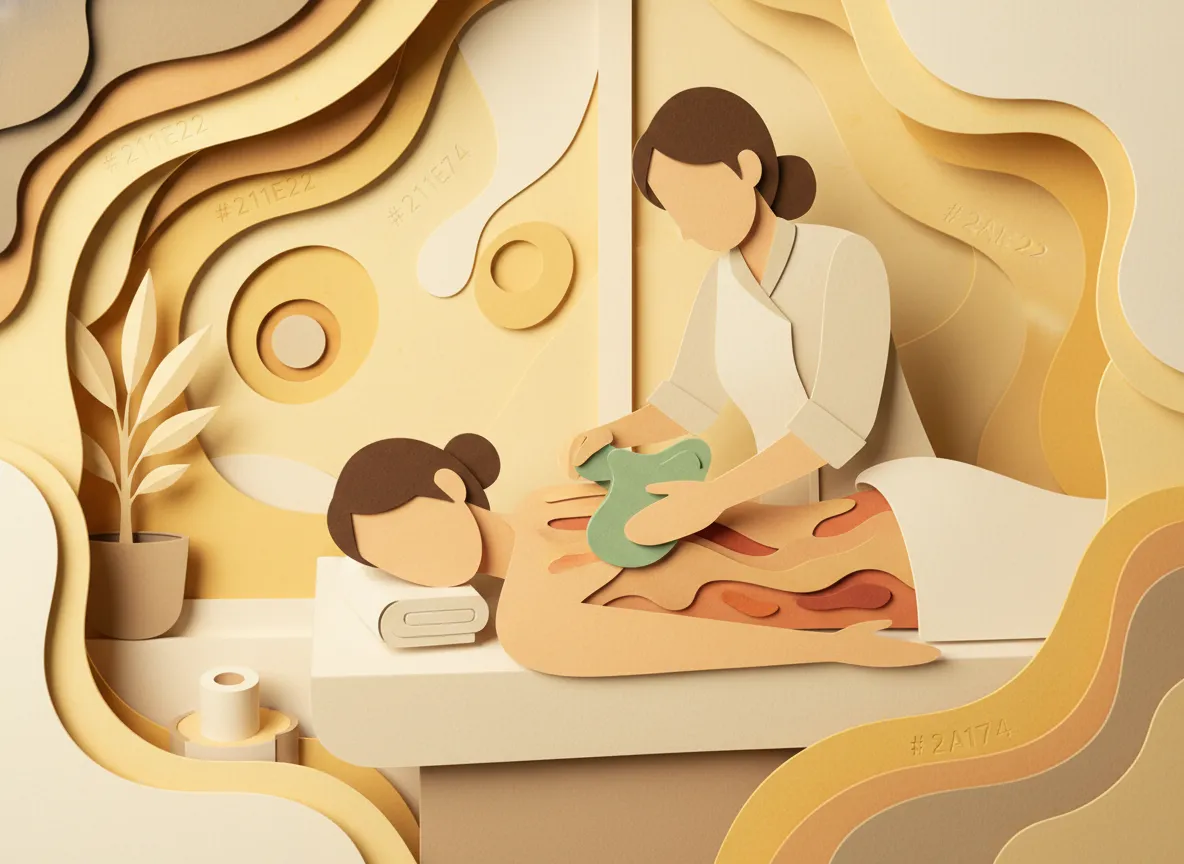
Walking into your first gua sha session is exciting, and knowing what to expect will help you feel completely at ease. Your therapist will begin by applying a generous layer of massage oil or lotion to the target area. This lubrication is essential. It allows the tool to glide smoothly across your skin without causing friction or irritation. The oil also helps the therapist feel the tissue beneath and identify areas of deeper tension.
Once the oil is applied, your therapist will use a smooth-edged tool — often made from jade, rose quartz, or stainless steel — to make firm, downward strokes along the treatment area. You’ll feel a warming sensation and a deep, intense glide. Many clients describe it as feeling like something is being ironed out beneath the skin. This is not sharp pain. It’s a pressure-with-purpose feeling that most people find intensely satisfying, especially when they feel a particularly stuck area begin to release.
Common treatment areas include:
- The upper and lower back along the spine
- The neck and base of the skull
- The shoulders and upper trapezius muscles
- The arms, forearms, and hands
- The legs, calves, and buttocks
As an add-on treatment at Luna Massage Studio, gua sha sessions run 15 minutes and pair beautifully with your primary massage. Your therapist will typically perform the gua sha portion first or incorporate it into the middle of the session to warm tissues and prepare them for deeper work. The entire experience flows seamlessly, leaving you feeling looser, lighter, and deeply relaxed by the end.
Conditions That Respond Best to Gua Sha Therapy
Gua sha is remarkably versatile. It shines brightest when applied to specific conditions that involve stuck tissue, restricted circulation, or chronic pain patterns. Here’s a look at who tends to benefit most:
Chronic Neck and Back Tension
This is where gua sha truly excels. People who sit at desks all day or carry stress in their upper body often develop layers of muscular and fascial tension that standard massage can struggle to fully address. Gua sha cuts through those layers efficiently. For more on how massage addresses chronic pain, visit our article on whether massage can help with chronic pain.
Sports Injuries and Muscle Recovery
Athletes recovering from strains, overuse injuries, or intense training sessions respond very well to gua sha. The technique accelerates recovery by flushing out metabolic waste, improving circulation, and breaking up micro-scar tissue. A 2019 study on weightlifters confirmed these recovery benefits. Learn more about massage for athletic performance on our sports massage benefits page.
Migraine and Headache Patterns
Gua sha applied to the neck, base of the skull, and upper shoulders can interrupt the tension patterns that trigger migraines and tension headaches. Many clients report fewer and less intense headaches with regular treatment.
Perimenopausal Symptoms and Circulation Issues
Gua sha’s powerful effect on circulation makes it a popular choice for people experiencing perimenopausal symptoms like hot flashes and poor circulation. It supports lymphatic drainage and helps the body regulate more effectively.
| Condition | How Gua Sha Helps | Expected Benefit |
|---|---|---|
| Chronic neck/back tension | Breaks up fascial adhesions | Improved mobility and pain relief |
| Sports injuries | Flushes metabolic waste, repairs tissue | Faster recovery and performance gains |
| Migraines and headaches | Releases tension in neck and skull base | Reduced frequency and intensity |
| Perimenopausal symptoms | Improves circulation and lymph flow | Better temperature regulation |
| Scar tissue restrictions | Separates bound tissue layers | Restored range of motion |
Scar Tissue and Mobility Restrictions
Post-surgical scar tissue and old injury sites often become mobility roadblocks. Gua sha works to physically separate bound tissue layers, restoring range of motion over time with consistent treatment.
Combining Gua Sha with Other Massage Techniques
Gua sha becomes even more powerful when paired with complementary massage techniques. Smart sequencing and thoughtful combinations can dramatically enhance your results. Here’s how therapists approach combination treatments:
Deep Tissue and Gua Sha Sequencing
Many therapists begin with gua sha to break up surface-level fascial adhesions and warm the tissue. This prepares deeper muscle layers for the precise pressure work of deep tissue massage techniques. The combination reaches layers of tension that neither technique could address as effectively alone.
Heat Therapy Enhancement
Applying heat before gua sha softens the fascia and makes tissue more receptive to the scraping strokes. Some therapists use heated tools or warm towels during treatment to deepen the therapeutic effect throughout the session.
Cupping and Gua Sha Protocols
Cupping and gua sha make a natural team. While gua sha pushes along the tissue, cupping lifts and creates decompression. Together, they address tension from multiple directions. Both are available as add-on treatments at Luna Massage Studio for just $35 each, and many clients choose both in the same session for maximum benefit.
Aromatherapy Oil Selection
The oils used during gua sha aren’t just for lubrication. Choosing the right aromatherapy massage oils can enhance the experience significantly. Eucalyptus and peppermint oils add a cooling, anti-inflammatory effect. Lavender promotes relaxation and deeper parasympathetic response during the session. Best of all, aromatherapy is available as a free add-on to any massage at Luna Massage Studio.
Who Should Avoid Gua Sha and Safety Considerations
Gua sha is safe for most people, but there are important situations where caution or avoidance is necessary. Always share your full health history with your therapist before any session.
Medical Conditions Requiring Caution
- Blood clotting disorders or conditions that affect bleeding
- Active cancer in the treatment area
- Deep vein thrombosis or varicose veins
- Uncontrolled high blood pressure
Skin Sensitivities and Active Conditions
Gua sha should not be performed over areas affected by eczema, psoriasis, open wounds, rashes, or severe sunburn. The skin must be intact and relatively healthy to receive treatment safely. Always let your therapist know about any skin conditions before your session begins.
Pregnancy Considerations
Pregnancy is generally listed as a contraindication for traditional gua sha. However, expectant mothers can still enjoy the wonderful benefits of prenatal massage, which is specifically designed to be safe and nurturing during pregnancy.
Medication Interactions
Blood thinners like warfarin can increase the risk of excessive bruising with gua sha. Always disclose all medications to your therapist, including supplements and over-the-counter drugs.
Post-Treatment Care
- Avoid sun exposure on treated areas for 24 hours
- Stay well hydrated to support lymphatic flushing
- Avoid strenuous activity for the rest of the day
- Apply gentle moisturizer if skin feels sensitive
Finding the Right Therapist for Gua Sha Treatment
Not every massage therapist offers gua sha, and not every person who offers it has the proper training. Finding the right professional makes all the difference between a transformative experience and a disappointing one.
Training and Certifications to Look For
Look for a licensed massage therapist (LMT) who has received specific training in gua sha technique. This training should cover tool pressure, stroke direction, contraindications, and post-treatment protocols. Ask directly about their certification and how long they’ve been performing the technique.
Questions to Ask Before Booking
- How long have you been performing gua sha treatments?
- What conditions have you treated successfully with it?
- How do you integrate it with the primary massage session?
- What tools do you use and how do you sanitize them?
Red Flags in Unprofessional Practice
- Therapists who don’t ask about your health history
- Excessive pressure that causes sharp, stabbing pain
- Dirty or shared tools without proper sanitation protocols
- No explanation of what the marks mean or what to expect
Cost Expectations
| Service | Duration | Price at Luna Massage Studio |
|---|---|---|
| Gua Sha Add-On | 15 minutes | $35 |
| Cupping Add-On | 15 minutes | $35 |
| Deep Tissue Massage | 60 minutes | $125 |
| Sport Massage | 60 minutes | $125 |
| Aromatherapy Add-On | Included | FREE |
You can explore what our happy clients have experienced by checking out our client reviews or visiting our profile on Yelp and Instagram to see our work in action. You can also visit us on Google to read more reviews and get directions to our Falls Church studio.
Ancient healing doesn’t have to be complicated or intimidating. Gua sha is a powerful, time-tested technique that fits beautifully into a modern wellness routine. Whether you’re chasing relief from chronic pain, speeding up sports recovery, or simply ready to experience what a full therapeutic massage session can feel like, gua sha might be exactly the missing piece. For those interested in energy-based healing alongside their massage, our Reiki healing sessions offer a wonderful complement — learn more about the practice of Reiki Healing and how it supports whole-body wellness. You can also read about how our team approaches this work on our About page. Ready to experience the difference for yourself? Schedule your session today and let us create a treatment plan that’s perfectly tailored to your body and your goals. Your muscles have been waiting long enough.
FAQs
Q: How long do gua sha marks last after treatment?
A: The redness or petechiae from gua sha typically fades within two to five days, depending on your skin type and how much pressure was used. Think of them as your body’s way of showing you that healing is underway! They’re not bruises in the traditional sense, so they shouldn’t cause pain when you touch them after the session.
Q: Can I get gua sha if I bruise easily?
A: If you bruise easily, it’s really important to let your therapist know before the session begins. They can adjust the pressure and technique to make the treatment gentler while still being effective. In some cases, if you’re on blood thinners or have a clotting condition, your therapist may recommend skipping gua sha altogether and exploring other options like Swedish massage or Reiki.
Q: Is gua sha more effective than regular deep tissue massage?
A: Gua sha and deep tissue massage aren’t really in competition — they’re actually better together! Gua sha excels at breaking up fascial adhesions and surface tension, while deep tissue massage targets deeper muscle layers with sustained pressure. Combining both in the same session gives you a more thorough and satisfying result than either technique alone.
Q: How often should I schedule gua sha sessions for chronic pain?
A: For chronic pain conditions, most therapists recommend starting with weekly or biweekly sessions to build momentum and see significant improvement. Once your pain is under better control, you can space sessions out to monthly maintenance visits. Your therapist will work with you to find the right rhythm based on how your body responds.
Q: Will insurance cover gua sha as part of massage therapy?
A: Coverage for gua sha varies widely depending on your insurance plan and whether massage therapy is included in your benefits at all. Some flexible spending accounts (FSAs) and health savings accounts (HSAs) can be used to pay for massage therapy services including gua sha add-ons. It’s always worth checking with your insurance provider and asking your studio about payment options before you book.