Key Takeaways
-
Lymphatic drainage massage uses feather-light pressure and rhythmic pumping motions to stimulate lymph nodes and direct excess fluid toward functional channels, unlike deep tissue massage which uses firm pressure on muscles.
-
Drink at least 8 ounces of water before your session and extra water afterward; hydration is essential for your body to flush out mobilized waste and maximize the massage's effectiveness.
-
Common signs your lymphatic system needs support include persistent limb puffiness, lingering bloating, dull skin, fatigue unrelieved by sleep, frequent colds, and morning stiffness.
-
Schedule lymphatic drainage sessions 90 minutes after eating and 2 hours after intense exercise; wear loose, comfortable clothing without tight waistbands or compression garments to maintain optimal lymphatic flow.
-
This technique benefits post-surgery patients, athletes seeking faster recovery, people with chronic edema, pregnant women with fluid retention, and wellness enthusiasts—with recommended frequency ranging from weekly to monthly depending on your needs.
-
Combine lymphatic drainage with complementary treatments like dry brushing, cupping, or gua sha to enhance results; cupping particularly helps release trapped fluid while gua sha promotes surface circulation.
That post-flight puffiness in your ankles or the persistent bloating that won’t budge might have more in common than you think—they’re both signs your lymphatic system could use some gentle encouragement. Most people associate lymphatic drainage massage with post-surgical recovery or lymphedema treatment, but its everyday wellness benefits are just as impressive. Whether you’re a busy professional carrying stress in your body, a runner pushing through hard training weeks, or someone who simply wants to feel lighter and less sluggish, this gentle technique may be exactly what you’ve been missing. At Luna Massage Studio in Falls Church, VA, we believe wellness is for everyone—not just those managing medical conditions. This guide will walk you through everything you need to know before your very first lymphatic drainage massage session, so you can walk in feeling confident and walk out feeling refreshed.
Understanding Your Lymphatic System and Why It Matters
How Lymph Fluid Moves Through Your Body
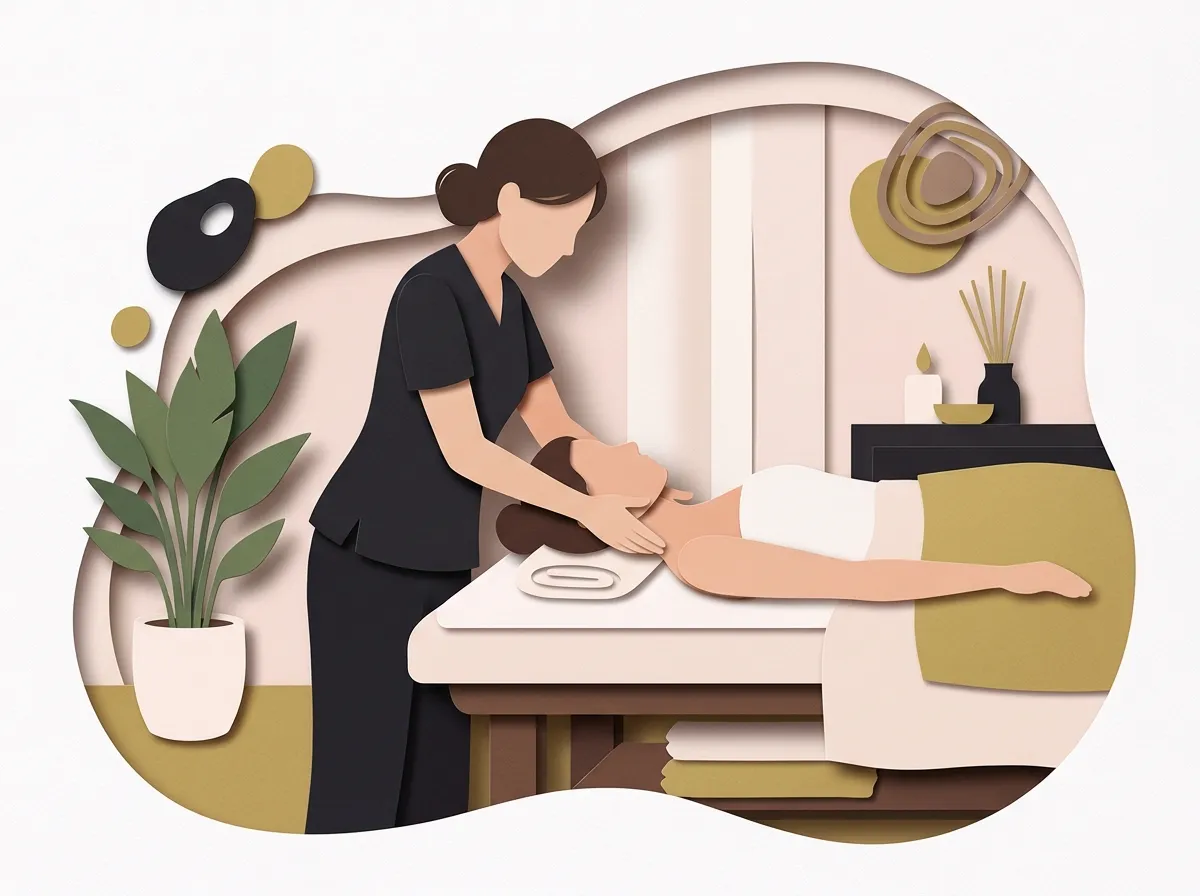
Your lymphatic system is a network of vessels, nodes, and organs that runs throughout your entire body. Unlike your circulatory system, it has no pump—no heart driving it forward. Instead, lymph fluid moves through muscle contractions, breathing, and body movement. It collects waste, toxins, and excess fluid from your tissues and carries it to lymph nodes for filtering before returning it to the bloodstream.
Signs of Sluggish Lymphatic Flow
When lymphatic flow slows down, you start to notice it. Here are common signs that your system needs support:
- Persistent puffiness or swelling in limbs
- Bloating that lingers after meals
- Skin that feels dull or congested
- Fatigue that sleep doesn’t fix
- Frequent colds or a sense of lowered immunity
- Stiffness, especially in the morning
These symptoms aren’t always serious, but they are your body’s way of asking for help.
Connection Between Lymph Health and Overall Wellness
A well-functioning lymphatic system supports immune health, reduces inflammation, and helps your body recover faster from illness or injury. It also plays a key role in keeping your skin clear and your energy levels steady. When it’s sluggish, everything feels harder—physically and mentally.
Why Manual Drainage Helps When Natural Flow Slows
This is where lymphatic drainage massage steps in. By using light, rhythmic pressure along the body’s drainage pathways, a trained therapist can help stimulate lymph node activity in areas like the armpits, neck, and groin. This gentle encouragement directs excess fluid toward functional lymphatic channels for reabsorption, easing the burden on your system naturally.

What Makes Lymphatic Drainage Different from Regular Massage
Light Pressure Versus Deep Tissue Techniques
If you’ve ever had a deep tissue massage, you know it involves firm, sometimes intense pressure into muscle layers. Lymphatic drainage massage is essentially the opposite. The pressure used is feather-light—just enough to engage the skin’s surface and the delicate lymphatic vessels just beneath it. Going too deep would actually compress those vessels and slow the very flow you’re trying to encourage.
Specific Directional Movements and Patterns
Every stroke in a lymphatic drainage session has a purpose and a direction. Movements always flow toward the nearest lymph node cluster. For example, strokes on the arm move upward toward the armpit. This intentional direction is what sets this technique apart from general relaxation massage. It’s not random—it follows the body’s natural drainage map.
Focus on Lymph Nodes and Drainage Pathways
A therapist trained in lymphatic drainage pays special attention to the body’s key lymph node regions. Compare this to a Swedish massage, which focuses on muscle relaxation and circulation broadly. Lymphatic work is more targeted, more methodical, and requires specific training to perform correctly.
Rhythmic Pumping Versus Kneading Motions
The movements used in lymphatic drainage are rhythmic and repetitive—almost meditative. Rather than kneading or rolling muscles like in a sports or deep tissue session, the therapist uses gentle pumping, circular, and wave-like motions. This stimulates the lymphatic vessels to contract and move fluid efficiently.
| Feature | Lymphatic Drainage | Deep Tissue Massage | Swedish Massage |
|---|---|---|---|
| Pressure Level | Very light | Firm to intense | Light to medium |
| Primary Goal | Fluid movement & immune support | Muscle tension relief | Relaxation & circulation |
| Technique Style | Rhythmic pumping | Kneading, friction | Long gliding strokes |
| Target Area | Lymph nodes & vessels | Deep muscle layers | Broad muscle groups |

Who Benefits Most from Lymphatic Drainage Sessions
Post-Surgery Recovery Patients
Swelling after surgery is normal, but it can be uncomfortable and slow your healing. Lymphatic drainage massage is widely used to reduce post-surgical swelling and speed up recovery. Research published in clinical literature confirms that manual lymphatic drainage (MLD) positively affects the maintenance phase of upper limb lymphedema, especially in breast cancer patients post-surgery. If your doctor has cleared you for massage, this technique can be a powerful recovery tool.
People with Chronic Swelling or Edema
Conditions like fibromyalgia, lipedema, and rheumatoid arthritis often come with persistent swelling. A literature review covering studies from 1989 to 2019 confirmed that MLD benefits extend well beyond edema alone, including improvements in fatigue and pain tolerance. For those managing chronic conditions, regular sessions can make a meaningful difference in day-to-day comfort. If you’d like to learn more about how massage addresses ongoing discomfort, read our article on whether massage can help with chronic pain.
Athletes Seeking Faster Recovery
After intense training, your muscles produce waste products that need to be cleared. Lymphatic drainage can support this process, helping athletes bounce back faster. It pairs especially well with a sport massage for a comprehensive recovery plan. Runners, cyclists, and gym-goers in the Falls Church area can genuinely benefit from adding this to their routine.
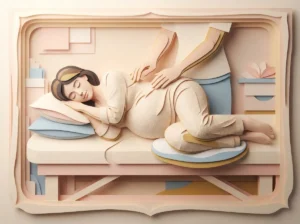
Pregnant Women Experiencing Fluid Retention
Fluid retention is one of the most common pregnancy complaints. Gentle lymphatic drainage can ease that heaviness in the legs and ankles during pregnancy. Always confirm with your OB or midwife before booking, and let your therapist know you’re pregnant so they can adjust positioning safely. Our prenatal massage services are also a wonderful complement for expectant mothers.
Wellness Enthusiasts for Preventive Care
You don’t need a medical condition to enjoy lymphatic drainage. Many health-conscious individuals book sessions simply to feel lighter, support their immune system, and maintain overall wellness. Think of it as a seasonal tune-up for your body’s internal filtration system.
| Who It Helps | Primary Benefit | Recommended Frequency |
|---|---|---|
| Post-surgery patients | Reduce swelling, speed healing | 2–3x per week initially |
| Chronic edema sufferers | Manage fluid buildup | Weekly or bi-weekly |
| Athletes | Faster muscle recovery | After intense training cycles |
| Pregnant women | Ease fluid retention | Monthly (with OB approval) |
| Wellness enthusiasts | Preventive immune support | Monthly or seasonal |
What to Expect During Your Lymphatic Drainage Appointment
Initial Consultation and Health Screening
Your session begins with a brief consultation. Your therapist will ask about your health history, current medications, and your goals for the session. This step is important because lymphatic drainage massage has some contraindications—certain conditions like active infections, blood clots, or heart issues may mean this technique isn’t right for you at that time.
Session Preparation and Positioning
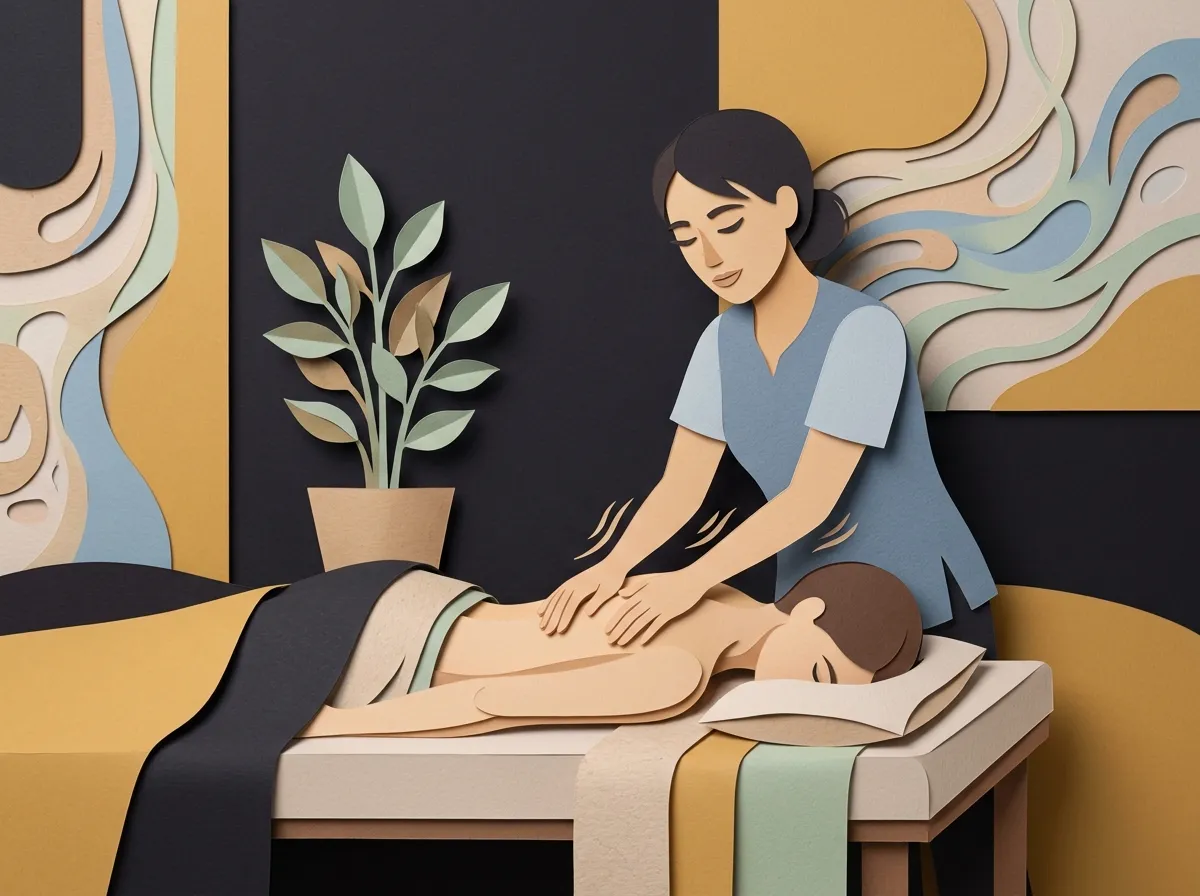
You’ll lie comfortably on a massage table, typically starting on your back. The therapist will use light draping to keep you warm and comfortable. The environment is calm and quiet—many clients find the rhythmic nature of the session deeply relaxing.
Sequence of Movements from Neck to Limbs
Here’s a typical sequence you can expect during your lymphatic drainage massage:
- Neck and collarbone area — The session usually starts here to open up the main drainage ducts near the collarbone.
- Face and scalp — Light strokes clear any congestion in facial tissues.
- Chest and underarms — Key lymph node clusters in the armpits are gently stimulated.
- Abdomen — Gentle circular movements support digestive lymphatic drainage.
- Legs and ankles — Strokes move upward toward the groin nodes to clear lower limb swelling.
Sensations During the Massage
Expect a very light touch that might feel almost too gentle at first. Some clients feel a mild tingling or warmth as circulation increases. You may feel the urge to use the restroom afterward—this is completely normal and actually a good sign that fluid is moving.
Typical Session Duration and Frequency
Sessions typically run between 60 and 90 minutes. For general wellness, once or twice a month is often enough. For post-surgical or medical needs, your therapist may recommend more frequent visits in the initial weeks. You can check out what our clients say about their experiences for a real sense of what to expect.
Preparing Your Body for Maximum Lymphatic Benefits
Hydration Guidelines Before and After
Hydration is essential for lymphatic drainage to work well. Drink at least 8 ounces of water in the hour before your session and aim for extra water throughout the day afterward. Think of water as the delivery system—it helps your body flush out what the massage mobilizes.
What to Wear to Your Appointment
Wear loose, comfortable clothing to your appointment. Tight waistbands, compression socks, or restrictive garments can slow lymphatic flow both before and after your session. Light, breathable fabrics are ideal. Avoid wearing heavy perfumes or lotions, as these can interfere with the massage and the therapist’s techniques.
Foods to Avoid Beforehand
Before your session, consider avoiding:
- Salty, processed foods that promote fluid retention
- Alcohol, which can dehydrate the body
- Heavy, fatty meals that tax digestion
- Caffeine in large amounts, which can constrict vessels
Instead, opt for a light meal with plenty of vegetables and water-rich foods at least two hours before your appointment.
Timing Sessions Around Exercise and Meals
Try not to schedule your session immediately after a hard workout or a large meal. Give your body at least 90 minutes after eating and 2 hours after intense exercise. This allows your body to direct energy toward the lymphatic work rather than digestion or muscle recovery.
Combining Lymphatic Drainage with Other Wellness Treatments
Pairing with Dry Brushing Techniques
Dry brushing before your session is a simple way to prep your skin and stimulate surface lymphatic vessels. Using a natural bristle brush in gentle upward strokes toward the heart takes just five minutes and can enhance the effects of your massage. It’s an easy home practice that supports your lymphatic health between appointments. You can follow us on Instagram for wellness tips like this between your visits.
Adding Aromatherapy for Enhanced Relaxation
Pairing lymphatic drainage with aromatherapy massage can deepen your sense of calm during the session. Certain essential oils—like eucalyptus, juniper berry, and grapefruit—are traditionally associated with lymphatic support. At Luna Massage Studio, aromatherapy is available as a free add-on with any massage, making it an easy upgrade to request.
Integrating with Gua Sha or Cupping
Both Gua Sha and cupping can complement lymphatic drainage beautifully. Our add-on treatments include Gua Sha and cupping, each available as a 15-minute add-on for just $35. Cupping creates suction that helps release trapped fluid and tension in deeper tissue layers, while Gua Sha’s scraping technique releases surface tension and promotes circulation. Together, these therapies create a layered wellness experience that goes beyond what any single technique can offer alone. Many wellness enthusiasts combine these add-ons for a thorough, full-body reset.
Scheduling with Deep Tissue for Comprehensive Care
For athletes and active adults dealing with both muscle tension and fluid retention, alternating between lymphatic drainage and deep tissue massage techniques can deliver the best of both worlds. You might schedule a deep tissue session after a heavy training phase and follow it with lymphatic drainage a few days later to clear the byproducts of that muscular work. This one-two approach is gaining popularity among serious athletes who want complete recovery support. Learn more about the benefits of sports massage to see how it pairs with lymphatic drainage for full athletic recovery.
| Treatment Combo | Best For | Key Benefit |
|---|---|---|
| Lymphatic Drainage + Aromatherapy | Stress relief & relaxation | Deeper calm, enhanced mood |
| Lymphatic Drainage + Cupping | Post-workout recovery | Fluid clearance & tissue release |
| Lymphatic Drainage + Gua Sha | Skin health & circulation | Surface tension relief & glow |
| Lymphatic Drainage + Deep Tissue | Athletes & active adults | Complete muscle & fluid recovery |
If you’re curious about energy-based healing to complement your massage routine, Reiki healing is another wonderful addition. Our studio also offers Reiki sessions as a standalone service, and many clients find the combination of Reiki and lymphatic drainage profoundly restorative for both body and mind.
You can also read about our Reiki healing in Virginia to learn how energy work pairs with physical therapy for a fully holistic wellness experience. For those who’d like to see what others in the community have experienced, check out our profile on Yelp for honest reviews from local clients.
Your Next Step Toward Feeling Lighter and Better
Lymphatic drainage massage is one of the most underutilized tools in everyday wellness—and now you know exactly how to prepare for it, what to expect, and how to get the most out of every session. Whether you’re managing post-surgical swelling, chasing better athletic recovery, or simply wanting to feel less puffy and more energized, this gentle technique has something real to offer you. Combine it with supportive treatments, stay hydrated, wear comfortable clothes, and come in with an open mind. Your lymphatic system has been quietly working hard for you—now it’s time to return the favor.
Ready to experience the difference for yourself? Visit us on Google to find our location and see what our community is saying. Then take the next step and schedule your lymphatic drainage session today—your body will thank you for it.
FAQs
Q: How soon will I see results after a lymphatic drainage massage?
A: Many clients notice a reduction in puffiness and a feeling of lightness within 24 to 48 hours after their first session—it’s one of those lovely surprises that keeps people coming back! For more significant concerns like chronic swelling or post-surgical recovery, consistent sessions over several weeks tend to deliver the most lasting results. Think of it like watering a plant—one session is great, but regular care is where the real magic happens.
Q: Can lymphatic drainage help with weight loss or cellulite?
A: Lymphatic drainage can temporarily reduce the appearance of puffiness and help your body flush excess fluid, which may make you feel and look slimmer right after a session—but it’s not a weight loss treatment. Healthy individuals shouldn’t expect dramatic fat reduction or permanent cellulite elimination from massage alone. That said, as part of a broader wellness routine that includes good nutrition and movement, it’s a wonderful supportive tool!
Q: Are there any conditions that make lymphatic drainage unsafe?
A: Yes—lymphatic drainage massage is contraindicated for certain conditions, including active infections, blood clots (deep vein thrombosis), congestive heart failure, and acute inflammation. It’s always best to check with your healthcare provider before booking if you have any underlying health conditions. Your therapist will also do a health screening at the start of your appointment to make sure the session is safe and appropriate for you.
Q: How often should I schedule lymphatic drainage sessions?
A: The ideal frequency really depends on your goals! For general wellness and preventive care, once or twice a month is a great rhythm. If you’re recovering from surgery or managing a condition like lymphedema, your therapist may recommend more frequent sessions—sometimes two to three times per week initially—before tapering off. Your therapist will help you build a personalized schedule that fits your lifestyle and needs.
Q: What’s the difference between manual and mechanical lymphatic drainage?
A: Manual lymphatic drainage (MLD) is performed by a trained therapist using hands-on techniques with gentle, rhythmic strokes—it’s personalized, responsive, and deeply relaxing. Mechanical lymphatic drainage uses devices like pneumatic compression pumps or vibration tools to stimulate lymph flow, often used in clinical or medical settings. For a wellness-focused experience that’s both therapeutic and deeply calming, manual drainage by a skilled therapist is hard to beat!