Key Takeaways
-
Choose gentle massage styles like Swedish or aromatherapy over deep tissue if your goal is nervous system relaxation, as intense pressure can keep your body on alert rather than calm it.
-
Ask your therapist to specifically target vagus nerve hotspots like the neck, occipital ridge, and jaw, as massaging these areas for just 30-60 seconds can trigger faster relaxation than many other methods.
-
Book regular massage sessions every 2-4 weeks instead of occasional visits, since your body needs consistency to retrain its stress response and maintain lower cortisol levels long-term.
-
Support your massage benefits between sessions by practicing slow deep breathing, staying hydrated, and avoiding stressful activities immediately after, which extends your relaxation response for hours.
-
Understand that massage creates a measurable physical shift from fight-or-flight to rest-and-digest mode, lowering cortisol while boosting serotonin and dopamine—it's backed by science, not just a nice feeling.
-
Combine massage with other vagus nerve activation techniques like applying a cool cloth to your face or practicing breathing exercises to maximize and extend the calming effects beyond your session.
Ever leave a massage feeling amazing, only to feel stressed out again by the next afternoon? You are not alone. Many people in Falls Church chase relaxation the wrong way, without realizing it. True nervous system relaxation is not just about feeling sleepy on the table. It is about training your body to shift out of stress mode and stay there longer. Let’s talk about the mistakes that keep your nervous system stuck in overdrive, and how the right massage approach can fix them for good.
Your body has two main gears: fight-or-flight (sympathetic) and rest-and-digest (parasympathetic). Most of us live in the first gear way too often, thanks to deadlines, traffic, and endless notifications. Massage therapy is one of the few tools that can flip that switch quickly and safely. But only if you avoid these common missteps. Grab a cup of tea, get comfy, and let’s dig in together.
Why Nervous System Relaxation Matters More Than You Think
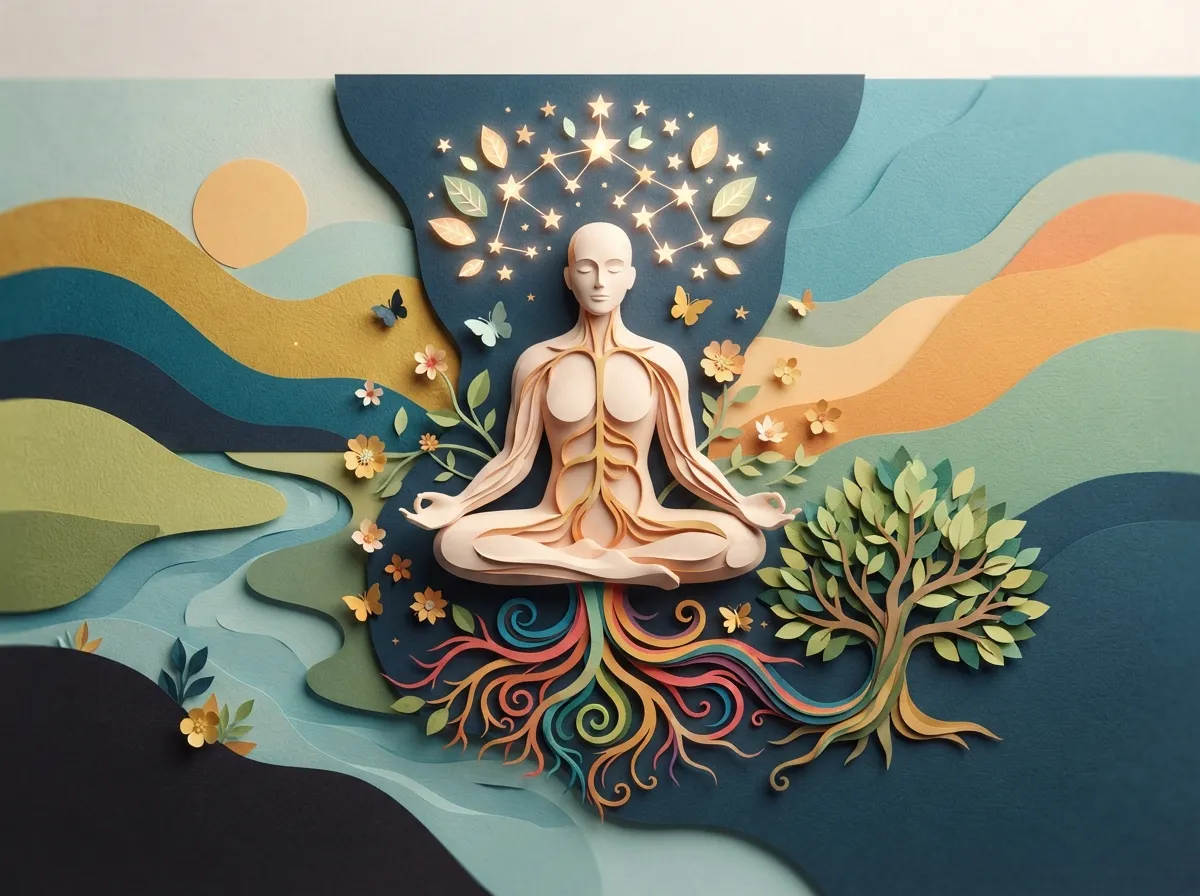
Your nervous system controls almost everything: your heart rate, digestion, sleep, and even your mood. When you’re stuck in fight-or-flight mode, your body pumps out cortisol and keeps your muscles tense. Over time, this leads to headaches, poor sleep, and that wired-but-tired feeling so many busy professionals know too well.
Massage therapy works by activating pressure receptors in your skin and muscles. These receptors talk directly to your vagus nerve, a major highway between your body and brain. Once that nerve gets the message, your heart rate slows, your breathing deepens, and your whole body settles into calm. This is not just a nice feeling. It is a measurable physical shift backed by real science.
Mistake 1: Choosing the Wrong Massage Type for Your Stress Level
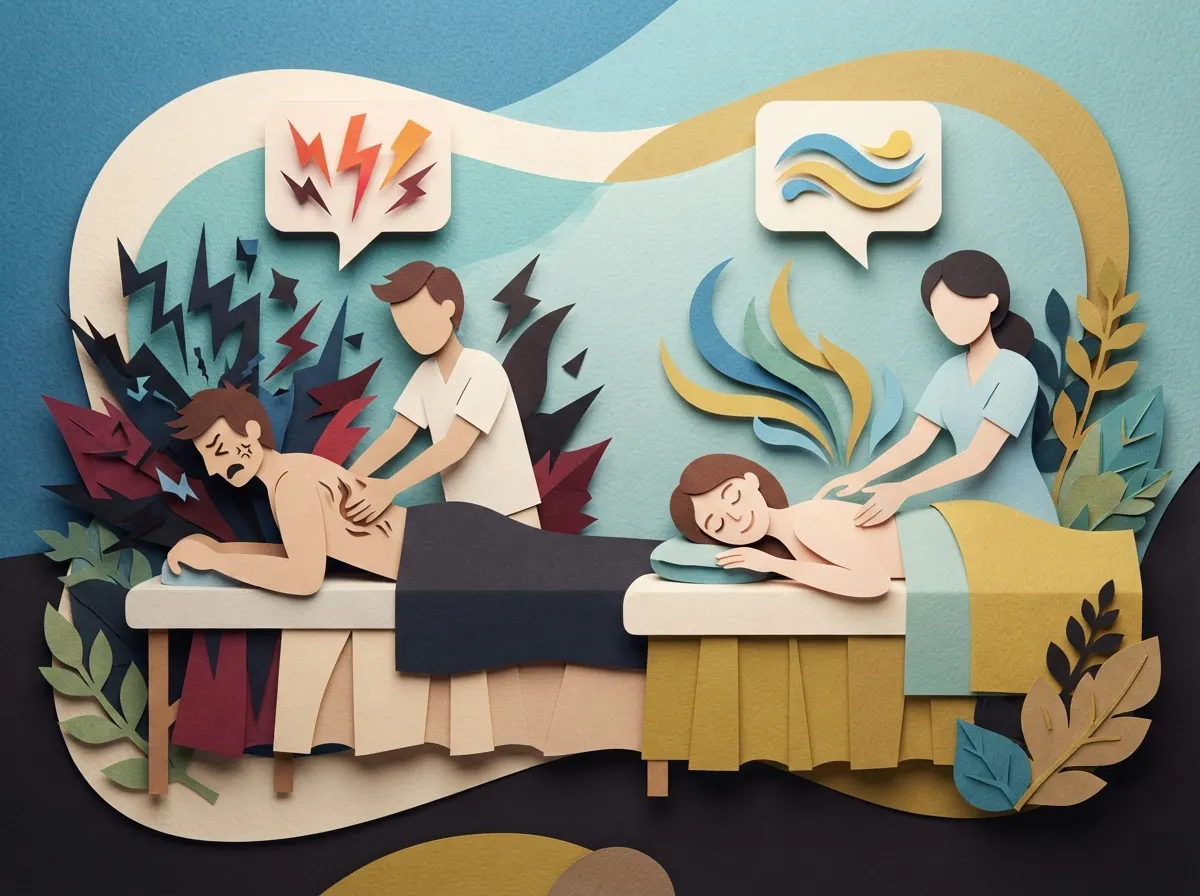
Not all massages are built for deep relaxation. If you’re dealing with racing thoughts and tight shoulders from a stressful week, a super intense deep tissue session might actually keep your body on alert. Your muscles may guard against the pressure instead of releasing it.
Instead, gentle and rhythmic techniques work best for calming an overactive nervous system. Here are a few options worth considering:
- Swedish massage, known for its slow, flowing strokes that soothe the whole body
- Aromatherapy massage, which pairs calming scents with gentle touch
- Reiki healing, which uses light touch and energy work to quiet the mind
- Hot stone add-ons, which use warmth to melt tension without deep pressure
If you’re an athlete or dealing with chronic muscle pain, deep tissue and sport massage still have their place. Just know these styles work best for physical recovery, while gentler techniques are the real stars for nervous system relaxation.
Mistake 2: Ignoring the Vagus Nerve Hotspots
Here’s something most people never learn: certain areas of your body are packed with vagus nerve pathways. Skipping these zones during a massage means missing out on faster, deeper relaxation.
Your therapist can specifically target these areas to speed up the calming process:
- The neck and shoulders, where tension often builds from hunching over screens
- The face and jaw, especially if you clench your teeth under stress
- The occipital ridge at the base of your skull, a powerful vagus nerve access point
- The upper chest and collarbone area, which connects to breathing patterns
Research shows that massaging the occipital ridge or other vagus-rich areas for just 30 to 60 seconds can calm your body faster than many other relaxation methods. That’s a small investment of time for a big payoff. If you want to learn more about how touch impacts your body’s healing pathways, check out this guide on holistic wellness massage therapy.
Mistake 3: Skipping Regular Sessions and Expecting Long-Term Results
One massage can absolutely help you feel better in the moment. But if you’re hoping for lasting nervous system relaxation, a single visit won’t cut it. Your body needs consistency to truly retrain its stress response.
Studies have shown that regular massage therapy significantly lowers cortisol while boosting serotonin and dopamine, the feel-good chemicals your brain craves. Diego and Field’s research from 2009 even showed that moderate pressure massage caused a measurable shift from sympathetic to parasympathetic activity. That is your body’s own proof that this stuff works.
Here’s a simple guide to help you figure out how often you might want to come in:
| Lifestyle Situation | Suggested Frequency | Best Massage Type |
|---|---|---|
| High-stress work schedule | Every 2-3 weeks | Swedish or Aromatherapy |
| Chronic pain or stiffness | Weekly or bi-weekly | Deep Tissue with Gua Sha |
| Pregnancy discomfort | Every 2-4 weeks | Prenatal Massage |
| General wellness maintenance | Monthly | Swedish or Reiki Healing |
| Active training or sports | Weekly during heavy training | Sport Massage |
Busy professionals in the Falls Church area often find that booking a recurring evening or weekend slot makes it much easier to stay consistent. Ready to build relaxation into your routine? You can reserve your next session before your schedule fills up again.
Mistake 4: Forgetting to Support the Relaxation Response Between Sessions
Massage does incredible work, but your daily habits either support or sabotage that calm feeling once you leave the studio. Many people undo their progress within hours by jumping straight back into high stress without any buffer.
Try pairing your massage routine with these simple habits to keep your nervous system in a relaxed state longer:
- Practice slow, deep breathing for five minutes after your session
- Apply a cool cloth to your face, which can further activate vagus nerve response
- Stay hydrated to help your body process released tension
- Avoid jumping straight into stressful emails or phone calls right after your massage
- Consider adding Gua Sha or cupping as an add-on treatment for extra tension release
Combining massage with breathing exercises is one of the simplest ways to extend your relaxation response. Studies confirm that heat and massage combined can calm the autonomic nervous system without any adverse effects, making this a safe and effective habit to build.
Who Benefits Most From Nervous System Relaxation Massage
While everyone can enjoy the calming effects of massage, some groups tend to notice the biggest changes. Understanding where you fit in can help you choose the right approach.
- Busy professionals dealing with constant deadlines and mental fatigue often see quick improvements in sleep and focus.
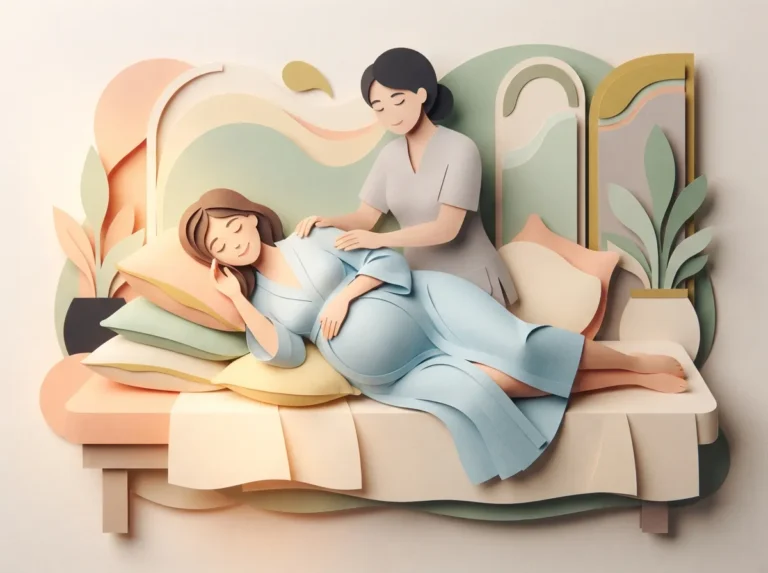
- Pregnant women experiencing pregnancy-related tension find that prenatal massage eases both physical discomfort and anxiety.
- Athletes and active adults use relaxation techniques alongside recovery work to prevent burnout and overtraining stress.
- Seniors with chronic pain often notice reduced stiffness and improved mood after consistent sessions.
- Wellness-focused individuals treat nervous system relaxation as a core part of their self-care routine, not an occasional treat.
What Happens Inside Your Body During a Relaxation Massage
It helps to understand what’s actually happening beneath the surface. Your autonomic nervous system cannot run both stress and calm modes at the same time. When one turns on, the other turns off.
Here is a simple breakdown of the shift massage creates:
| Before Massage (Sympathetic Mode) | After Massage (Parasympathetic Mode) |
|---|---|
| Elevated heart rate | Slower, steady heart rate |
| Shallow breathing | Deep, relaxed breathing |
| High cortisol levels | Lower cortisol, higher serotonin |
| Tight, guarded muscles | Loose, released muscles |
| Racing thoughts | Calm, focused mind |
A 2005 study by Field and colleagues found massage therapy significantly increased serotonin and dopamine while decreasing cortisol. That means your relaxation is not just in your head. It is a real chemical shift happening inside your body.
How Luna Massage Studio Approaches Nervous System Relaxation
At Luna Massage Studio in Falls Church, VA, every session is designed with your nervous system in mind. Whether you choose a soothing Swedish massage, a gentle Reiki healing session, or a deep tissue treatment for chronic tension, the goal is always the same: help your body find its way back to calm.
Clients often add aromatherapy at no extra cost, or enhance their session with Gua Sha or cupping for extra release. Curious what others have experienced? You can read real client stories on our reviews page or see what our Luna Massage Studio community shares on Instagram. You can also check out honest feedback from local clients on Yelp, or explore Visit us on Google — Luna Massage Studio to see what neighbors in the area are saying.
For those curious about the energy healing side of relaxation, Reiki has roots stretching back over a century, and you can read more about its history and philosophy on Reiki Healing. It pairs beautifully with massage for a full mind-body reset.
Simple Steps to Get Started Today
Ready to stop making these nervous system relaxation mistakes? Here’s a simple path forward:
- Identify your biggest stress trigger, whether it’s work, pain, or poor sleep
- Choose a massage style that matches your relaxation goal, not just what sounds trendy
- Ask your therapist to focus on vagus nerve hotspots like your neck and shoulders
- Book sessions on a regular schedule instead of waiting until you’re burned out
- Support your progress at home with breathing exercises and hydration
Small, consistent changes add up to a nervous system that recovers faster and stays calmer longer. You deserve to feel that shift, not just once in a while, but as part of your everyday life.
Your Next Step Toward Lasting Calm
Nervous system relaxation is not a luxury. It is a real, science-backed tool for feeling better in your body and mind. Whether you’re a busy professional needing an evening reset, an expectant mother looking for gentle relief, or someone managing chronic pain, the right massage approach can make all the difference.
Don’t let another stressful week pass by without giving your body the reset it deserves. Reach out to our team today to find the perfect session for your needs, or go ahead and book your appointment now to start feeling calmer, one massage at a time.
FAQs
Q: How does massage therapy activate the parasympathetic nervous system?
A: Slow, rhythmic strokes stimulate pressure receptors in your skin and muscles, which send calming signals through the vagus nerve straight to your brain. This shifts your body out of fight-or-flight mode and into rest-and-digest mode, where real healing happens. It’s like flipping a switch from stressed to soothed, and your body notices the difference almost right away.
Q: Which massage types are best for calming an overactive nervous system?
A: Gentle, flowing techniques like Swedish massage, aromatherapy massage, and Reiki healing tend to work best for relaxation. These styles use soft pressure and rhythmic movement that signal safety to your nervous system. Deep tissue is wonderful for muscle recovery, but pair it with a gentler technique if pure relaxation is your main goal.
Q: How long does it take for massage to shift my body from stress to calm?
A: Many people notice a shift within the first 15 to 20 minutes of a session, especially when the therapist works vagus nerve hotspots like the neck and occipital ridge. Full nervous system relaxation often builds over a 60 to 90 minute session. The more consistently you book sessions, the faster your body learns to settle into calm.
Q: Can massage really help with anxiety and stress recovery?
A: Yes, research shows massage therapy lowers cortisol while boosting serotonin and dopamine, the chemicals tied to mood and calm. Many clients describe feeling lighter, clearer, and less anxious after regular sessions. It’s not a replacement for other care, but it’s a wonderfully supportive piece of the puzzle.
Q: Does combining massage with breathing exercises improve relaxation results?
A: Absolutely, deep breathing paired with massage helps extend that calm feeling long after you leave your session. Adding a cool cloth to your face or practicing slow breaths for a few minutes afterward can further activate your vagus nerve. It’s a simple habit that makes your relaxation last much longer.
Our Service Area