Key Takeaways
-
Swedish massage with light to medium pressure is the most researched and recommended style for anxiety relief, offering consistent benefits when combined with other stress management strategies rather than used alone.
-
Consistency matters more than intensity: weekly sessions for 4-6 weeks when starting, then transitioning to every two weeks or monthly maintenance produces better results than occasional single sessions.
-
Massage interrupts the fight-or-flight cycle by shifting your nervous system into rest-and-digest mode, reducing muscle tension, lowering heart rate, and improving sleep quality—creating multiple pathways for anxiety relief.
-
Massage is most effective as a complementary tool alongside therapy or medication, not as a replacement; discuss with your healthcare provider how it fits into your overall anxiety management plan.
-
Different anxiety presentations benefit from tailored approaches: busy professionals often need neck/shoulder tension relief, pregnant women benefit from prenatal massage, and those wanting deeper calm can try Reiki healing.
-
Post-massage habits like drinking water, avoiding immediate stress, practicing slow breathing, and maintaining a consistent schedule extend the calming effects beyond your session.
Feeling like your shoulders live somewhere up near your ears? You are not alone. Between work deadlines, family schedules, and just the noise of daily life, anxiety has become a normal part of many people’s day. The good news is that anxiety relief massage is one of the simplest, most enjoyable ways to help your body and mind hit the reset button. It will not fix everything overnight, but it can offer real, noticeable relief when you need it most.
At Luna Massage Studio in Falls Church, VA, we see clients every week who walk in with tight jaws, racing thoughts, and tense necks, and walk out breathing easier. Whether you are a busy professional squeezing in a Friday evening appointment, a new mom dealing with pregnancy stress, or someone managing chronic worry, massage therapy offers a warm, hands-on way to calm your nervous system. Let’s talk about how it works, what the research says, and how you can make it part of your own wellness routine.
What Is Anxiety Relief Massage, Really?
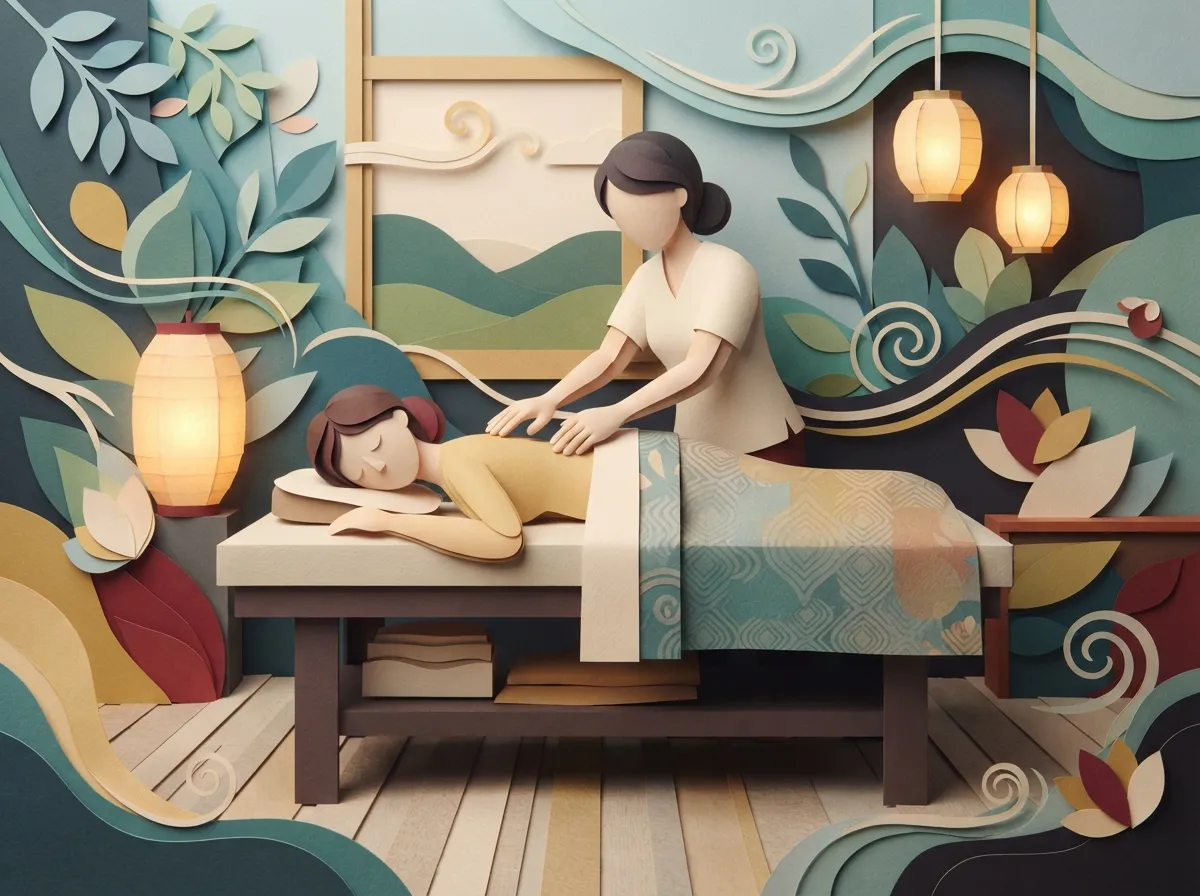
Anxiety relief massage is not a special, separate service on its own. It simply means using massage therapy styles, most often Swedish massage, with the specific goal of easing anxious feelings and physical tension. Think of it as pointing your massage session toward calm instead of just muscle recovery.
The Mayo Clinic Health System notes that massage can lower stress levels and feelings of anxiety while improving mood and relaxation. The American Massage Therapy Association agrees, stating massage therapy can help reduce anxiety symptoms, including in medical settings like before surgery.
Here is what typically happens during a session focused on anxiety relief:
- Slow, rhythmic strokes that signal your nervous system to relax
- Gentle to moderate pressure, depending on your comfort level
- A calm, quiet room designed to reduce sensory overload
- Optional aromatherapy scents like lavender to deepen relaxation
- Time to simply breathe and let your mind slow down
Does Massage Therapy Actually Help With Anxiety?
This is the big question, and the honest answer is: yes, but with some nuance. Massage is best understood as a helpful companion to other anxiety management strategies, not a replacement for them.
A randomized clinical trial looking at adults with generalized anxiety disorder found that anxiety scores improved significantly over 12 weeks, with gains lasting through 26 weeks. However, massage was not clinically superior to other relaxation-based treatments in that same study. In other words, massage worked well, just not dramatically better than other calming approaches like thermotherapy or a relaxing room environment.
On the flip side, other research on Swedish massage found that six weeks of twice-weekly sessions was more effective than an active control group at lowering anxiety ratings. The takeaway? Consistency and the right technique both matter.
How Massage Calms Your Body’s Stress Response
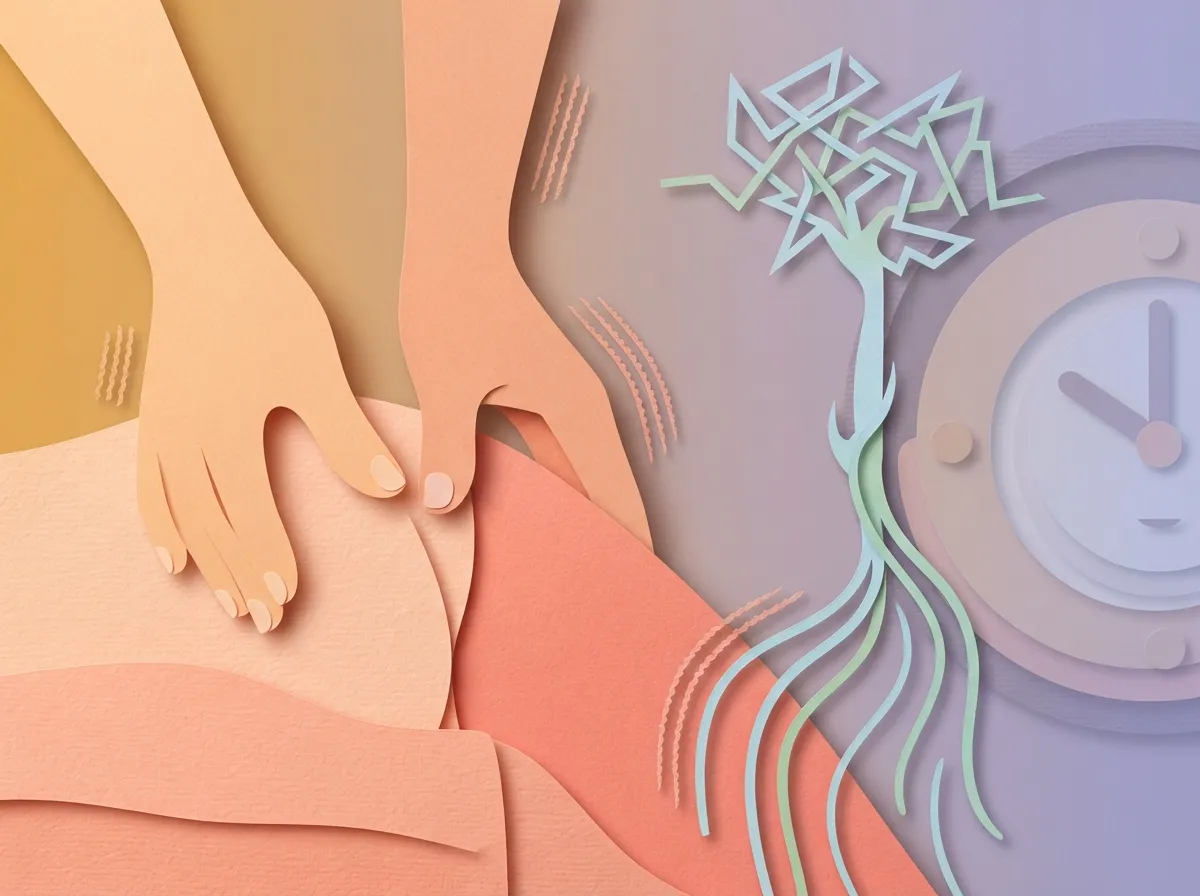
When you’re anxious, your body often stays stuck in a low-grade “fight or flight” mode. Your muscles tighten, your breathing gets shallow, and your mind races. Massage helps interrupt that cycle in a few key ways:
- Physical touch encourages your nervous system to shift from “alert” mode into “rest and digest” mode
- Reduced muscle tension eases the physical discomfort that often comes with chronic worry
- Slower breathing during a session helps lower your heart rate
- The relaxation response triggered by massage can improve mood and mental clarity
- Better sleep quality after a session helps your body recover from stress overnight
You may have heard the claim that a single 60-minute massage can lower cortisol (your main stress hormone) by up to 30 percent. While this number gets repeated often, it is not firmly backed by the primary research we reviewed, so it is best to treat it as a general idea rather than a guaranteed result. What we do know for sure is that most people report feeling calmer, lighter, and more relaxed after their session.
Best Massage Styles for Anxiety Relief
Not all massage techniques are created equal when it comes to calming anxious feelings. Some styles are naturally more soothing, while others focus more on muscle recovery or pain relief. Here’s a quick comparison to help you choose what fits your needs.
| Massage Type | Best For | Pressure Level | Great For Anxiety? |
|---|---|---|---|
| Swedish Massage | Relaxation, stress relief, gentle full-body calm | Light to Medium | Yes, most studied for anxiety |
| Aromatherapy Massage | Deep relaxation with calming scents | Light to Medium | Yes, adds sensory calm |
| Deep Tissue Massage | Chronic muscle tension, knots | Firm | Somewhat, good for stress-related tightness |
| Prenatal Massage | Pregnancy discomfort and stress | Light to Medium | Yes, tailored for expectant mothers |
| Reiki Healing | Energy balance, mental calm | Very Light (hands-on or near body) | Yes, focuses on whole-body calm |
If you’re new to massage or unsure which option fits your needs, our team can walk you through the choices when you get in touch with our studio. We often recommend starting with a Swedish massage or adding aromatherapy, since it’s offered free with any massage upon request.
Who Benefits Most From Anxiety Relief Massage?
Anxiety does not look the same for everyone, and neither does the relief that works best. Here’s how different people in our Falls Church community often use massage to manage stress and anxious feelings.
Busy Professionals
If your calendar is packed with meetings and your inbox never stops buzzing, tension probably lives in your neck and shoulders. Many of our clients book evening or weekend sessions to unwind after a long week. A regular massage routine can help you sleep better, think more clearly, and show up to work feeling less frazzled.
Pregnant Women
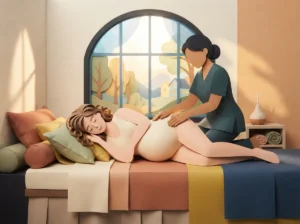
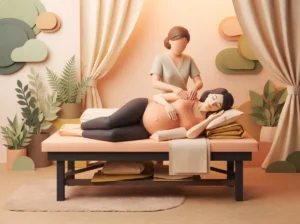
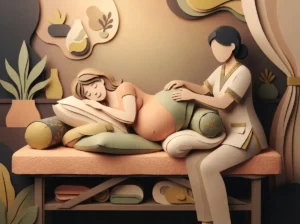
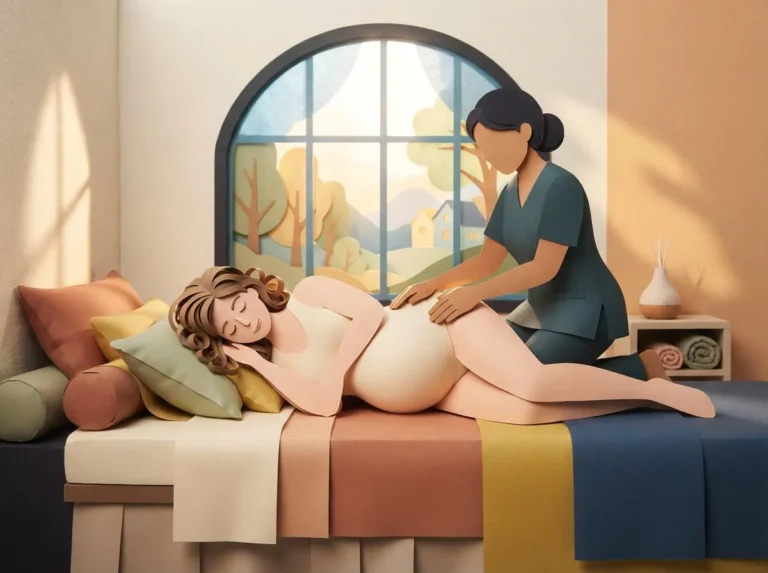
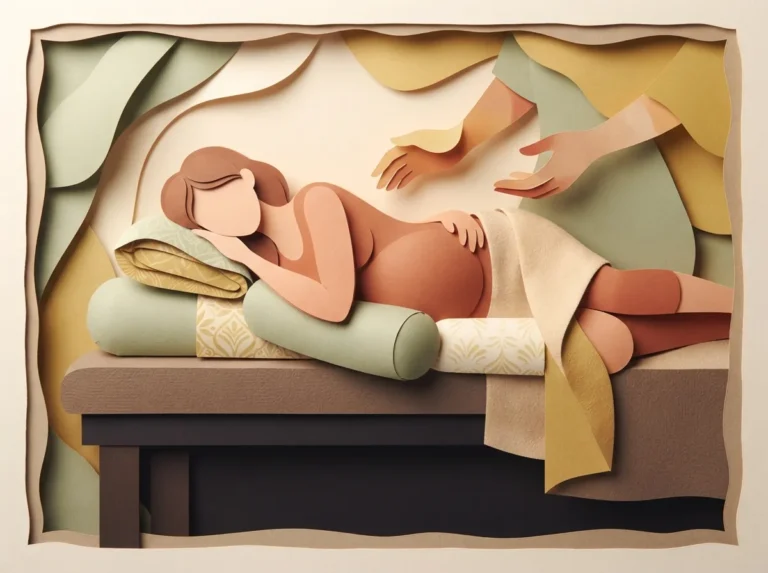
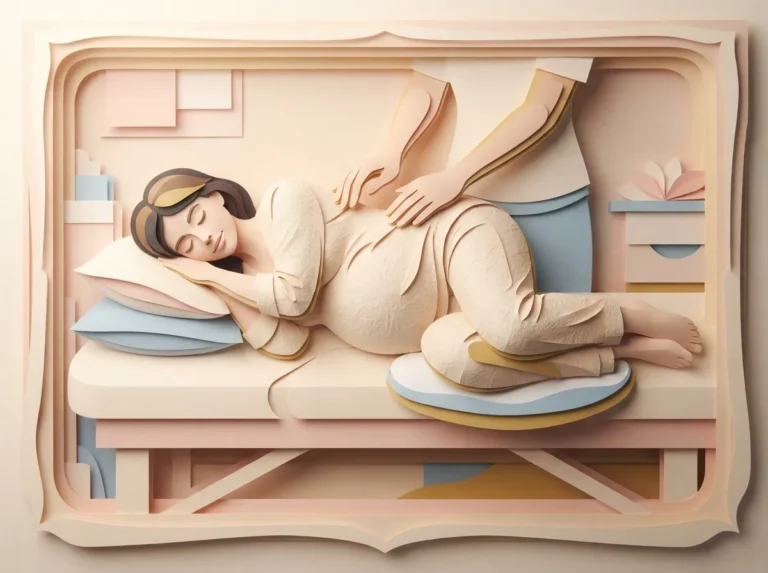
Pregnancy brings a unique mix of physical discomfort and emotional stress. Prenatal massage is specifically designed to ease back pain, swelling, and anxiety during this life stage, using safe positioning and gentle pressure tailored to expecting mothers.
Athletes and Active Adults
Physical stress and mental stress are more connected than people realize. Post-workout tension can quietly feed anxious feelings. A sport massage session can help release built-up tightness while also giving your mind a much-needed break.
Seniors With Chronic Pain
Living with arthritis or chronic stiffness can be mentally exhausting, not just physically. Gentle massage helps ease discomfort while also lowering the stress that often comes from dealing with ongoing pain.
Wellness-Focused Individuals
For those who see self-care as a lifestyle rather than a luxury, combining massage with Reiki healing offers a well-rounded approach to emotional and physical balance.
How Often Should You Get a Massage for Anxiety?
There’s no one-size-fits-all answer, but consistency tends to matter more than intensity. Here’s a simple guide to help you plan your routine.
- Once a month: Good for general stress maintenance and relaxation
- Every two weeks: Helpful during high-stress seasons like work deadlines or major life changes
- Weekly for 4-6 weeks: Often recommended when starting out, especially if anxiety feels intense
- As needed for flare-ups: Some people book sessions around known stress triggers, like big presentations or travel
Many wellness experts suggest treating massage like exercise. A single session helps, but a consistent routine builds lasting benefits over time.
What to Expect During Your Session
If you’ve never booked an anxiety-focused massage before, here is what a typical visit looks like:
- A short conversation about your stress triggers, sleep habits, and comfort preferences
- A calm, dimly lit room with soft music or silence, whichever you prefer
- Your choice of massage style, often Swedish or aromatherapy for anxiety-focused sessions
- The option to add Gua Sha or cupping if you also carry physical tension
- Time afterward to simply sit, breathe, and ease back into your day
Many of our clients also enjoy adding optional add-on treatments like Gua Sha or cupping, which can help release deeper tension that often builds up alongside anxiety.
Can Massage Replace Therapy or Medication?
This is an important question, and the answer is simple: no, and it’s not meant to. Massage works best as a complementary approach, alongside therapy, medication, or other mental health support your doctor recommends. Think of it as one tool in a larger toolbox rather than a stand-alone cure.
If you’re managing a diagnosed anxiety disorder, it’s a good idea to talk with your healthcare provider about how massage might fit into your overall care plan. Many people find that combining professional mental health support with regular massage creates a more complete sense of calm.
Reiki Healing and Anxiety: A Gentle Alternative
Reiki healing is another option worth exploring if traditional massage feels too intense for your current stress level. This Japanese energy healing practice, developed by Mikao Usui in the late 1800s, involves the gentle transfer of energy through the practitioner’s hands. Many clients describe it as deeply calming, almost like a full-body sigh of relief.
The idea behind Reiki is that when your life force energy runs low, you’re more likely to feel stressed or unwell. Restoring that balance can support both emotional and physical wellness. It pairs beautifully with massage for people who want a truly holistic approach to anxiety relief.
Simple Tips to Boost Your Anxiety Relief Results
Getting the most out of your massage doesn’t stop when you leave the studio. Try these simple habits to extend the calm:
- Drink plenty of water after your session to help your body flush out tension
- Avoid jumping straight back into a stressful task right after your appointment
- Practice slow breathing exercises at home between sessions
- Keep a consistent massage schedule instead of booking only when stress peaks
- Combine massage with other calming habits like gentle stretching or quiet walks
Pricing and Session Options at a Glance
Wondering what to expect cost-wise? Here’s a simple breakdown of common massage options that work well for anxiety relief.
| Service | 60 Minutes | 75 Minutes | 90 Minutes |
|---|---|---|---|
| Swedish Massage | $125 | $145 | $165 |
| Deep Tissue Massage | $125 | $145 | $165 |
| Prenatal Massage | $125 | $145 | $165 |
| Reiki Healing | $125 flat rate | ||
Aromatherapy is offered free with any massage, and Gua Sha or cupping can be added for $35 per 15 minutes.
Why Choose Luna Massage Studio for Anxiety Relief?
Our team in Falls Church, VA understands that anxiety shows up differently for everyone. That’s why we take time to listen before every session, adjusting pressure, pacing, and technique to match what your body and mind actually need. Whether you’re managing work stress, pregnancy discomfort, or general overwhelm, we’re here to help you find calm in a way that feels genuinely good.
Curious what other clients have experienced? Check out our client reviews or follow along on Instagram for wellness tips and studio updates. You can also read honest feedback from our community on Yelp, or visit us on Google — Luna Massage Studio to see what people in the area are saying.
Ready to Feel Calmer?
Anxiety relief massage isn’t magic, but it is a real, research-supported way to ease tension, calm your nervous system, and give yourself a genuine break. Whether you choose a soothing Swedish massage, a gentle Reiki session, or a combination of both, your body will thank you for the pause.
If you’re ready to feel lighter and more at ease, we’d love to help. Book your calming massage session today and give yourself the relaxation you deserve.
FAQs
Q: Does massage therapy actually help with anxiety?
A: Yes, research shows massage can meaningfully reduce anxiety symptoms, though it works best alongside other stress management strategies rather than as a stand-alone fix. Many clients tell us they feel noticeably calmer and lighter after just one session.
Q: What type of massage is best for anxiety relief?
A: Swedish massage is the most studied and recommended style for easing anxious feelings, thanks to its slow, soothing strokes. Adding aromatherapy or trying Reiki healing can deepen that sense of calm even further.
Q: How often should you get a massage for anxiety?
A: It really depends on your stress levels, but many people start with weekly sessions for a month, then shift to every two weeks or monthly for maintenance. Think of it like building a habit, consistency really does pay off.
Q: Can massage lower cortisol and stress hormones?
A: Massage is generally believed to help lower cortisol and support relaxation, though the often-quoted “30 percent” figure isn’t strongly backed by primary research. What we do know is that most clients report feeling calmer and more relaxed right after their session.
Q: Can massage therapy replace anxiety medication or therapy?
A: No, massage works best as a helpful companion to therapy or medication, not a replacement for them. If you’re managing an anxiety disorder, it’s always smart to loop your healthcare provider into your wellness plan.
Our Service Area