Key Takeaways
-
Gentle reiki requires no undressing, uses light or hovering touch, and involves no deep pressure techniques, making it the lowest-pressure entry point for beginners curious about energy healing.
-
Research shows modest benefits for relaxation and quality of life, but scientific evidence remains limited and mixed; reiki should be viewed as a complementary relaxation service, not a medical treatment.
-
A typical first session follows a predictable pattern: health intake, explanation of the process, 45-60 minutes of light hand positioning while fully clothed, and time to reflect afterward, removing uncertainty for newcomers.
-
Gentle reiki pairs easily with other wellness services like massage, aromatherapy, or prenatal care, allowing you to create a personalized self-care routine based on your specific goals.
-
Look for practitioners who communicate clearly about what reiki can and cannot do, avoid medical cure claims, respect your comfort level, and offer transparent pricing to ensure a safe, professional experience.
-
Common post-session experiences include warmth, tingling, deep calm, emotional release, or sleepiness; these subjective sensations are personal and don't indicate proof of energy work, but many clients report genuine relaxation benefits.
Ever felt curious about energy healing but worried it might be too woo-woo, too intense, or just plain confusing? You’re not alone. Many of our first-time clients at Luna Massage Studio walk in feeling exactly that way, and they walk out feeling calm, curious, and glad they tried it. Gentle reiki for people new to energy healing is one of the easiest, lowest-pressure ways to explore this practice, and it might be exactly what your stressed-out nervous system has been asking for.
This guide will walk you through what gentle reiki actually is, what happens during a session, and how it fits alongside massage therapy. We’ll also look at what the research says (and doesn’t say) so you can make an informed choice. Whether you’re a busy professional needing a mental reset, an expecting mom looking for calm, or simply wellness-curious, this article will help you feel ready and comfortable before your first session.

What Is Gentle Reiki, Exactly?
Reiki is a complementary practice that started in Japan in the early 1900s. A practitioner places their hands lightly on or just above your body. There’s little to no pressure involved, which makes it very different from massage techniques like kneading or deep compression.
Think of it as the calm, quiet cousin of massage. Instead of working out muscle knots, a reiki practitioner focuses on stillness and gentle touch. Many clients describe the experience as deeply relaxing, similar to the peaceful feeling you get during a Swedish massage, but without any kneading or stretching involved.
If you want to dig deeper into the history and philosophy behind the practice, the Reiki Healing overview offers helpful background on its Japanese origins and how it spread worldwide.

Why Gentle Reiki Appeals to Beginners
Gentle reiki is popular with newcomers because it removes a lot of the guesswork. There’s no deep pressure to brace for, no unfamiliar stretching, and you stay fully clothed the entire time. It’s a low-risk way to dip your toe into energy healing without committing to anything intense.
Here’s why so many first-timers choose gentle reiki as their entry point:
- You remain fully clothed, which removes any awkwardness about undressing.
- The touch is light or sometimes hands hover just above your body.
- Sessions are quiet and calm, ideal if you’re overwhelmed by a busy week.
- There’s no strenuous technique to learn or endure, unlike deep tissue work.
- It pairs easily with other services, like aromatherapy massage, for an extra layer of relaxation.
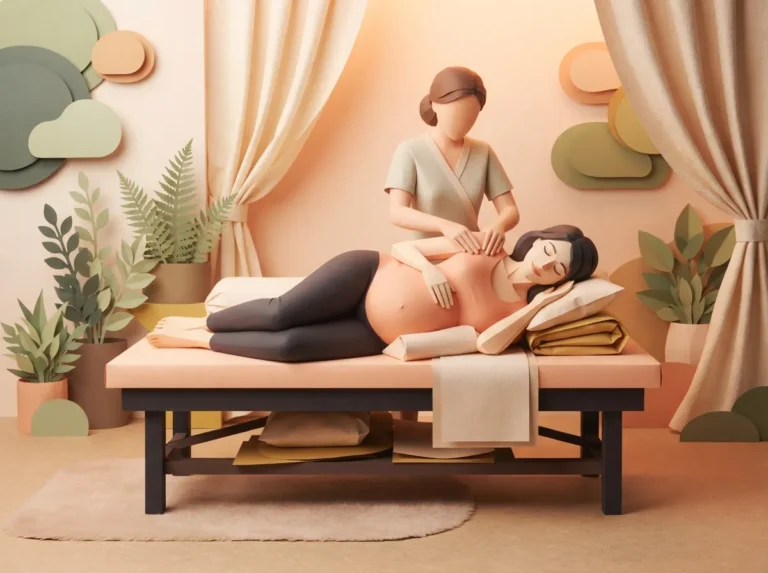
For busy professionals in Falls Church juggling deadlines and meetings, this can feel like hitting a mental reset button. For pregnant clients, it offers a gentle alternative when certain massage positions or pressures aren’t comfortable.
What Happens During Your First Reiki Session
Not knowing what to expect is often the biggest barrier for beginners. Let’s clear that up. A typical gentle reiki session for someone new to energy healing follows a simple, predictable pattern.
- Health intake conversation. Your practitioner will ask about your health history, stress levels, and what you’re hoping to get from the session.
- Explanation of the process. You’ll learn exactly what will happen, so there are no surprises once you’re on the table.
- Staying fully clothed. Unlike a massage, you won’t need to undress. Comfortable clothing is all you need.
- Quiet hand positions. The practitioner will place their hands lightly on or above different areas, moving slowly and calmly.
- Time to reflect. After the session, you’ll have a moment to discuss how you felt and ask any questions.
Sessions usually run around 45 to 60 minutes, similar in length to a standard massage appointment. Some practitioners even offer sessions without any physical contact at all, for clients who prefer that option.
Reiki vs. Massage: What’s the Difference?
This is one of the most common questions we hear. While both services aim to promote relaxation, they work in very different ways. Here’s a simple breakdown to help you understand which one fits your needs.
| Feature | Gentle Reiki | Massage Therapy |
|---|---|---|
| Touch style | Light or hovering hands | Kneading, compression, stretching |
| Clothing | Fully clothed | Partially or fully undressed, draped |
| Main goal | Relaxation, calm, stress relief | Muscle relief, flexibility, pain reduction |
| Best for | Beginners, sensitive nervous systems, energy curiosity | Muscle tension, chronic pain, athletic recovery |
| Typical length | 45–60 minutes | 60–90 minutes |
Many clients enjoy combining the two. For example, someone might book a deep tissue massage for physical tension, then add reiki healing for a calming close to their appointment. This combo approach is especially popular among wellness-focused individuals who see self-care as a full-body, full-mind practice.
What the Research Actually Says
It’s important to be honest here: the science on reiki is still developing, and it’s mixed. We believe in giving you real information, not empty promises.
A 2025 meta-analysis looked at reiki’s effect on quality of life across 661 participants. It found a small but statistically significant improvement, with a standardized mean difference of 0.28. That’s a modest result, and the researchers noted real limitations in the studies they reviewed.
Other findings paint a similarly cautious picture:
- A 2024 review on reiki and anxiety found the existing studies too limited and varied to draw firm conclusions.
- A 2024 review of reiki in palliative care included 415 participants and found some symptom improvements, but rated the evidence as very low certainty.
- A 2024 Cochrane summary on reiki and sleep problems said the evidence remains too small to call reiki a proven treatment for sleep issues.
The National Center for Complementary and Integrative Health puts it plainly: there’s no scientific evidence for the energy field that reiki theory describes. That doesn’t mean people don’t feel real benefits like warmth, calm, or emotional release. It just means we should treat reiki as a relaxation-focused complementary service, not a medical treatment or a replacement for care from your doctor.
Is Gentle Reiki Safe?
Generally, yes. The same NCCIH resource notes that reiki hasn’t been shown to cause harm. It’s considered a low-risk, gentle practice suitable for most people, including seniors managing chronic pain and expectant mothers seeking calm during pregnancy.
That said, safety also depends on choosing a qualified, ethical practitioner. Here’s what to look for:
- Clear communication about what the session will and won’t involve.
- Respect for your comfort level, including permission to stop or adjust anytime.
- No claims that reiki cures or treats serious medical conditions.
- Confidentiality and professional boundaries throughout the session.
- Willingness to refer you to a doctor if your symptoms need medical attention.
If a practitioner promises reiki will cure cancer, anxiety disorders, or chronic illness, that’s a red flag. Reputable providers are upfront that reiki supports relaxation and wellbeing, not medical treatment.
How to Prepare for Your Gentle Reiki Session
Preparation is simple, which is part of why beginners love this service. Follow these steps to get the most out of your first appointment.
- Wear comfortable, loose clothing since you’ll stay dressed throughout.
- Avoid heavy meals right before your session to help you relax fully.
- Come with an open mind, but no pressure to feel anything specific.
- Mention any health conditions or concerns during your intake conversation.
- Plan quiet time afterward, since some clients feel sleepy or reflective post-session.
Many of our Falls Church clients like to schedule reiki on weekend mornings or after a long workweek, treating it as a mental reset before diving back into daily life.
Combining Reiki With Other Wellness Services
One of the best things about visiting a studio like ours is flexibility. You don’t have to choose just one path. Gentle reiki pairs beautifully with other offerings depending on your goals.
- Athletes recovering from training might pair reiki with a sport massage for both physical and mental recovery.
- Expecting mothers often combine reiki with prenatal massage for full-body comfort.
- Clients managing chronic tension sometimes add Gua Sha or cupping to their session for extra relief.
- Wellness-focused visitors often build a routine that rotates between reiki, massage, and aromatherapy for a well-rounded self-care plan.
Our team is happy to help you design a personalized combination based on your goals, whether that’s better sleep, less stress, or simply a calmer mind.
What Beginners Commonly Feel During Reiki
Every client experiences reiki a little differently, and there’s no “right” way to feel. Some common reports include warmth, tingling, deep calm, or even light emotional release like unexpected tears. Others simply feel very sleepy, almost like drifting into a light nap.
These sensations are subjective, meaning they’re personal experiences rather than proof of any measurable energy shift. Still, many people find real value in the sense of calm and mental quiet that follows a session. If you’ve read glowing Yelp reviews about how relaxed clients feel after their visit, this is often exactly what they’re describing.
Choosing the Right Studio for Your First Session
Not all reiki experiences are created equal. When picking a studio, look for practitioners who are transparent, professional, and easy to talk to. A good studio will:
- Explain the difference between reiki and massage clearly before booking.
- Offer flat, transparent pricing without hidden fees.
- Provide a calm, private space free from noise and distractions.
- Encourage questions and never rush your intake conversation.
At Luna Massage Studio, our reiki healing sessions are priced at a flat $125 rate, so you’ll always know what to expect before you book. You can browse client experiences on our reviews page or follow along on Instagram to see behind-the-scenes glimpses of our studio life in Falls Church.
You can also check out what locals are saying by visiting us on Visit us on Google — Luna Massage Studio, where you’ll find honest feedback from real clients in the area.
Ready to Experience Gentle Reiki for Yourself?
Gentle reiki for people new to energy healing doesn’t have to feel mysterious or intimidating. It’s simply a quiet, low-pressure way to slow down, breathe, and reconnect with yourself. Whether you’re managing daily stress, recovering from a busy week, or just curious about holistic wellness, this gentle practice offers a comfortable starting point.
If you’re ready to feel calmer and more centered, our team at Luna Massage Studio would love to help. Book Now to schedule your first gentle reiki session, or reach out to our team with any questions before you visit. Your calmer, more relaxed self is just one appointment away.
FAQs
Q: What is gentle reiki and how does it work for beginners?
A: Gentle reiki is a light-touch or hands-hovering practice where a practitioner works above or lightly on your body while you stay fully clothed. It’s a wonderfully soft introduction to energy healing, with no deep pressure or unfamiliar techniques to worry about.
Q: Do I stay clothed during a reiki session?
A: Yes, absolutely! You remain fully clothed the entire time, which makes it a comfortable, no-pressure way to try energy healing for the first time.
Q: Is reiki the same as massage therapy?
A: Not quite. Reiki focuses on light or hovering touch and stillness, while massage uses techniques like kneading and stretching to relieve muscle tension. Many of our clients love combining both for a well-rounded wellness experience.
Q: Is reiki scientifically proven to work?
A: The research is still developing and results are mixed. Some studies show small improvements in relaxation and quality of life, but there isn’t strong scientific proof behind the energy field reiki describes. We always recommend viewing it as a relaxing complementary service rather than a medical treatment.
Q: How long does a beginner reiki session usually last?
A: Most sessions run about 45 to 60 minutes, giving you plenty of time to settle in, relax, and enjoy the calm without feeling rushed. It’s a lovely way to carve out quiet time in a busy week.
Our Service Area