Key Takeaways
-
Prenatal massage by a trained therapist shows moderate reductions in anxiety and depressive symptoms according to multiple meta-analyses, but should complement—not replace—therapy or medical care for significant mental health concerns.
-
A qualified prenatal massage therapist must have specific training in prenatal techniques, use safe side-lying positioning with supportive bolsters, and adjust pressure appropriately for each trimester to protect both mother and baby.
-
Always get clearance from your OB-GYN or midwife before booking, especially for high-risk pregnancies, and wait until at least 12 weeks gestation; communicate any complications like preeclampsia or blood clot risk to your provider first.
-
Avoid or pause prenatal massage immediately if you experience vaginal bleeding, sudden swelling, severe headaches, contractions, reduced fetal movement, or fever—contact your healthcare provider instead.
-
A trustworthy prenatal massage studio conducts thorough medical screening, maintains constant communication during sessions, offers transparent pricing, and provides a calming environment that treats the service as genuine wellness care.
-
Most expecting moms benefit from sessions every three to four weeks during the second trimester, increasing frequency closer to their due date if back pain or swelling increases; listen to your body to determine the right schedule for you.
Pregnancy brings so much joy, but let’s be honest, it also brings sore hips, restless nights, and a mind that won’t stop racing. If you’ve been searching for a relaxing prenatal massage near me for stress and anxiety, you’re already doing something wonderful for yourself and your baby. Finding the right therapist matters just as much as finding the right service. This guide walks you through exactly what to look for, so you can book with confidence and actually relax once you’re on the table.
Whether you’re a first-time mom juggling work deadlines or an expecting parent who just wants a peaceful hour away from the to-do list, this article breaks down five clear signs that you’ve found a prenatal massage provider worth trusting. We’ll also cover safety, timing, and what real research says about how massage may ease pregnancy-related stress and anxiety.

Why Stress and Anxiety Relief Matters So Much During Pregnancy
Pregnancy hormones, physical changes, and the emotional weight of preparing for a new baby can pile up fast. Many expecting moms feel anxious about labor, finances, or simply getting enough sleep. Finding healthy ways to unwind isn’t a luxury, it’s part of taking care of yourself and your baby.
Massage therapy has been studied as one possible tool for easing this load. A 2020 systematic review and meta-analysis looked at eight studies, seven of which were randomized controlled trials. It found that massage was linked to a moderate reduction in anxiety compared to usual prenatal care, with a standardized mean difference of -0.59. The same review also found a moderate drop in depressive symptoms across four studies. That said, the researchers were upfront that none of the trials had a low risk of bias, so massage should be seen as a helpful complement, not a cure-all.
A separate 2021 review of 12 randomized controlled trials echoed similar findings, reporting potential benefits for stress, anxiety, depression, back and leg pain, and even cortisol levels. Importantly, these positive results applied mostly to healthy pregnancies without complications. If you’re managing a high-risk pregnancy, your OB-GYN or midwife should always be part of the conversation before you book.

Sign 1: The Therapist Is Trained Specifically in Prenatal Techniques
Not every massage therapist has prenatal training, and that’s a big deal. Pregnancy changes how the body should be positioned and touched. A qualified prenatal therapist knows to avoid certain pressure points, uses lighter touch than a typical deep tissue massage, and understands how the body shifts trimester by trimester.
When you’re calling around or browsing websites, don’t be shy about asking questions. A good studio will happily explain their therapist’s training and experience with expecting clients. At Luna Massage Studio’s prenatal massage service in Falls Church, VA, therapists are trained to adapt every session to where you are in your pregnancy journey.
Questions to Ask Before Booking
- Do you have specific training in prenatal massage techniques?
- How many years of experience do you have working with pregnant clients?
- What positioning do you use for comfort and safety?
- Do you require a note or clearance from my healthcare provider?
- How do you adjust pressure for different trimesters?
Sign 2: They Use Safe, Comfortable Positioning
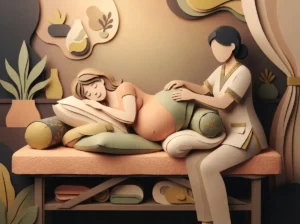
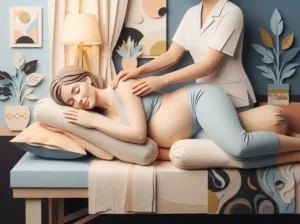
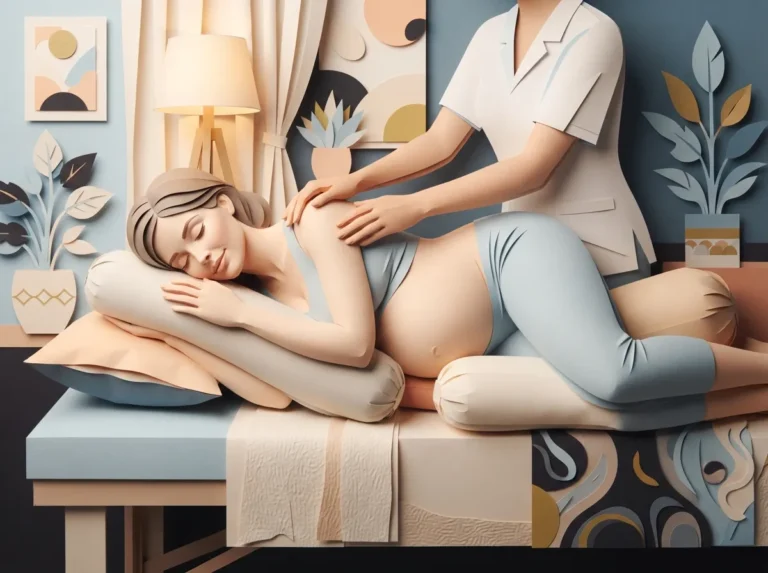
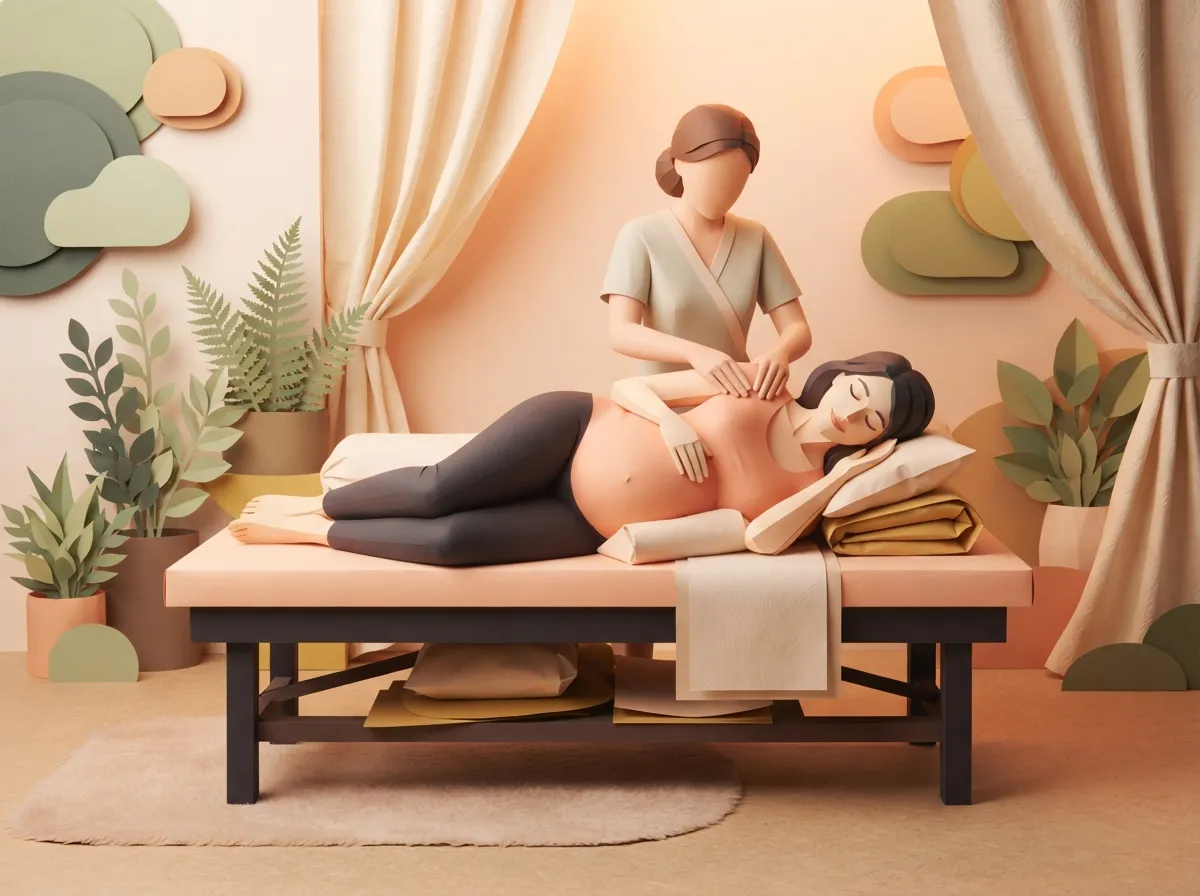
This one is huge. Lying flat on your back or stomach isn’t recommended once your pregnancy progresses. A trained therapist will use side-lying positioning supported by pregnancy bolsters and pillows. This keeps you comfortable while protecting blood flow to you and your baby.
According to a 2025 clinical overview from Cleveland Clinic, risks are minimal for most healthy pregnancies when a trained professional uses light pressure and proper side-lying support, especially after the first trimester. If a studio tells you they’ll just have you lie face-down on a regular table with a hole cut out, that’s a red flag worth noting.
What Proper Positioning Looks Like
- Side-lying position with supportive bolsters under the belly and knees
- Gentle transitions between positions to avoid dizziness
- No prolonged time flat on the back, especially in later trimesters
- Extra pillows for the head, neck, and ankles as needed
- Constant check-ins about comfort throughout the session
Sign 3: They Prioritize Medical Screening and Communication
A trustworthy prenatal massage provider won’t just wave you onto the table. They’ll ask about your due date, medical history, medications, and any complications like high blood pressure, swelling, or bleeding. This isn’t them being overly cautious, it’s them keeping you and your baby safe.
Many clinicians recommend waiting until at least the start of the second trimester, around 12 weeks, before booking a prenatal massage, unless your healthcare provider says otherwise. If you have preeclampsia, blood clot risk, placenta complications, or preterm labor risk, always get clearance from your OB-GYN or midwife first. It’s always smart to loop in your prenatal care team before you book your first session.
During the massage itself, communication should never stop. A good therapist checks in regularly and knows to pause immediately if you feel dizzy, short of breath, or notice unusual symptoms like contractions or reduced fetal movement.
Sign 4: The Studio Offers a Calming, Judgment-Free Environment
You deserve a space that feels warm and welcoming, not clinical or rushed. Look for a studio that treats prenatal massage as a genuine wellness experience, not an afterthought squeezed between other services. Soft lighting, quiet rooms, and a caring front desk team all make a difference.
Many expecting moms also appreciate the option to add gentle aromatherapy or other calming touches to their session. At Luna Massage Studio, aromatherapy massage can be added free of charge upon request, though it’s worth noting that not every scent or oil is appropriate during pregnancy. A knowledgeable therapist will guide you on what’s safe.
Curious what other clients say about their experience? Take a peek at real client reviews or check out feedback on Yelp to get a feel for the studio’s atmosphere before you book.
Sign 5: They’re Transparent About Pricing and Session Options
Nobody wants surprise costs, especially when you’re already budgeting for baby expenses. A trustworthy studio lists pricing clearly and explains what each session includes.
| Service | 60 Minutes | 75 Minutes | 90 Minutes |
|---|---|---|---|
| Prenatal Massage | $125 | $145 | $165 |
| Swedish Massage | $125 | $145 | $165 |
| Reiki Healing | $125 flat rate | ||
| Gua Sha Add-On | $35 for 15 minutes | ||
| Cupping Add-On | $35 for 15 minutes | ||
Some expecting moms also like pairing their massage with Reiki healing for extra relaxation. Reiki is a gentle energy-based practice that originated in Japan and focuses on calming the mind and body without deep pressure. You can learn more about its background through this overview of Reiki healing. It pairs nicely with prenatal massage for moms who want a fully restorative experience.
How Prenatal Massage May Help With Stress and Anxiety
So how exactly does this work? A trained therapist uses slow, rhythmic strokes and gentle pressure to help calm your nervous system. This can lower muscle tension, ease common aches in the lower back and legs, and give your mind a break from constant worry.
A broader 2024 review published in PLOS ONE looked at 32 studies and nearly 4,000 pregnant women across many relaxation methods, including massage, music, breathing exercises, and mindfulness. Across these approaches, researchers found meaningful drops in stress, anxiety, and depressive symptom scores. It’s worth noting this data covers many relaxation techniques together, not massage alone, but it still shows that dedicating time to relaxation during pregnancy can genuinely help.
Prenatal massage should always be viewed as a complementary practice. It’s not a replacement for therapy, medication, or medical care if you’re dealing with significant anxiety or depression during pregnancy. Think of it as one more tool in your self-care toolbox, alongside your regular prenatal checkups and any mental health support you may need.
Common Discomforts Prenatal Massage May Ease
- Lower back and hip pain from carrying extra weight
- Leg cramps and swelling in the feet and ankles
- Tension headaches from stress or poor sleep
- Shoulder and neck tightness from changing posture
- General feelings of anxiety or racing thoughts
What to Expect During Your First Appointment
If this is your first time booking, a little preview can ease those first-appointment jitters. Here’s a simple breakdown of what typically happens.
- You’ll fill out an intake form covering your pregnancy stage, medical history, and any current symptoms.
- Your therapist will ask about comfort preferences, pressure level, and any areas to avoid.
- You’ll be positioned comfortably on your side with supportive bolsters.
- The massage begins with gentle, flowing strokes, adjusting pressure based on your feedback.
- Your therapist checks in throughout to make sure you’re comfortable and relaxed.
- After the session, you’ll get time to rest before getting up slowly.
If you want to explore other ways to enhance your relaxation routine, browsing the Luna Massage Studio blog is a great way to learn more about wellness options beyond prenatal care too.
How Often Should You Book?
This really depends on your body and your budget. Many expecting moms enjoy a session every three to four weeks during the second trimester, then more frequently as they get closer to their due date, especially if back pain or swelling increases. Others prefer a monthly reset just to manage stress and anxiety levels. There’s no one-size-fits-all schedule, so listen to your body and talk with your therapist about what feels right.
When to Pause or Avoid Prenatal Massage
Safety always comes first. You should avoid or pause prenatal massage if you experience any of the following:
- Signs of preeclampsia, such as sudden swelling or high blood pressure
- Vaginal bleeding or fluid leakage
- Severe or sudden headaches
- Contractions before your due date
- Reduced or absent fetal movement
- Fever or signs of infection
If any of these come up, contact your healthcare provider right away instead of heading to your appointment. Your safety and your baby’s safety always come before relaxation.
Finding Luna Massage Studio Near You in Falls Church
If you’re local to Falls Church, VA, or the surrounding area, Luna Massage Studio offers a warm, welcoming space designed for real relaxation. Beyond prenatal massage, clients can explore Swedish massage, sport massage, and helpful add-on treatments like Gua Sha and cupping for future visits after baby arrives. You can also follow along on Instagram for wellness tips and studio updates.
Want to see what other clients are saying? Check out Visit us on Google — Luna Massage Studio to read real reviews from the local community before you book your own appointment.
Ready to Feel Calmer and More Comfortable?
Pregnancy is demanding enough without carrying around extra stress and tension. A relaxing prenatal massage near you can offer a peaceful pause in your day, support your changing body, and help calm anxious thoughts, all in the hands of a trained professional who understands your needs. If you’re ready to feel more relaxed and supported, go ahead and reach out to our team with any questions or take the next step and Book Now for your first prenatal session today. You and your baby deserve this moment of calm.
FAQs
Q: Is prenatal massage safe for stress and anxiety during pregnancy?
A: For most healthy pregnancies, yes! Research shows moderate reductions in anxiety when massage is provided by a trained therapist. Just make sure to get clearance from your OB-GYN or midwife first, especially if you have any pregnancy complications.
Q: When can I start getting a prenatal massage?
A: Many therapists recommend waiting until the start of your second trimester, around 12 weeks, unless your healthcare provider says otherwise. It’s always best to check with your doctor first, especially for higher-risk pregnancies.
Q: How do I find a qualified prenatal massage therapist near me?
A: Look for a therapist with specific prenatal training, proper side-lying positioning setups, and a thorough intake process. Don’t be afraid to ask questions before booking, a good studio will happily walk you through their experience and safety practices.
Q: How often can I get a prenatal massage while pregnant?
A: This varies by person, but many moms enjoy a session every three to four weeks, increasing frequency closer to their due date if needed. Listen to your body and chat with your therapist about what schedule feels best for you.
Q: Can prenatal massage replace counseling or treatment for anxiety during pregnancy?
A: No, and that’s important to know. Prenatal massage is a wonderful complementary tool for relaxation, but it shouldn’t replace therapy, medication, or medical care if you’re dealing with significant anxiety or depression during pregnancy.
Our Service Area