Key Takeaways
-
Experienced prenatal specialists differ significantly from general therapists in training, positioning techniques, intake screening, and pressure application—look for therapists with specific prenatal certification and hands-on experience with dozens of pregnant clients.
-
Always inform your massage therapist about your pregnancy and specific trimester during intake, as early pregnancy involves internal changes that require adjusted techniques even when not visibly showing.
-
Side-lying or semi-reclined positioning with specialized bolsters is essential during pregnancy, especially in second and third trimesters, to avoid pressure on the abdomen and ensure comfort.
-
Research supports prenatal massage for reducing pregnancy-related anxiety, back pain, leg pain, and swelling, but it complements rather than replaces regular prenatal care with your OB-GYN or midwife.
-
Before booking, verify the therapist's credentials by asking about prenatal-specific training, years of experience, licensure, trimester-appropriate positioning, and sanitation procedures.
-
Medical clearance from your OB-GYN is required before prenatal massage if you have preeclampsia, unexplained bleeding, placenta previa, preterm labor risks, or blood clotting concerns.
Growing a tiny human is exhausting work, and your body knows it. Between the achy back, swollen ankles, and restless nights, you deserve some real relief. But here’s the thing: not every massage therapist knows how to safely care for a pregnant body. That’s why so many expectant moms search for an experienced prenatal massage specialist near me instead of just booking the first available appointment. In this article, we’ll walk through exactly what sets a true prenatal specialist apart from a general therapist, so you can make the best choice for you and your baby.
We know pregnancy comes with enough decisions already. Choosing the right massage therapist shouldn’t add stress to your plate. So let’s break it down together, one friendly step at a time, and help you feel confident about your next appointment.

Why the Word Experienced Actually Matters Here
Anyone can slap the word prenatal on a service menu. But true experience means something specific in this line of work. It means your therapist has spent real hours learning how pregnant bodies shift, swell, and change with each trimester.
An experienced specialist knows how to adjust pressure, positioning, and pacing based on where you are in your pregnancy. They’ve likely worked with dozens, if not hundreds, of expectant clients before you. That kind of repetition builds instinct, and instinct is exactly what you want when someone is working on your changing body.
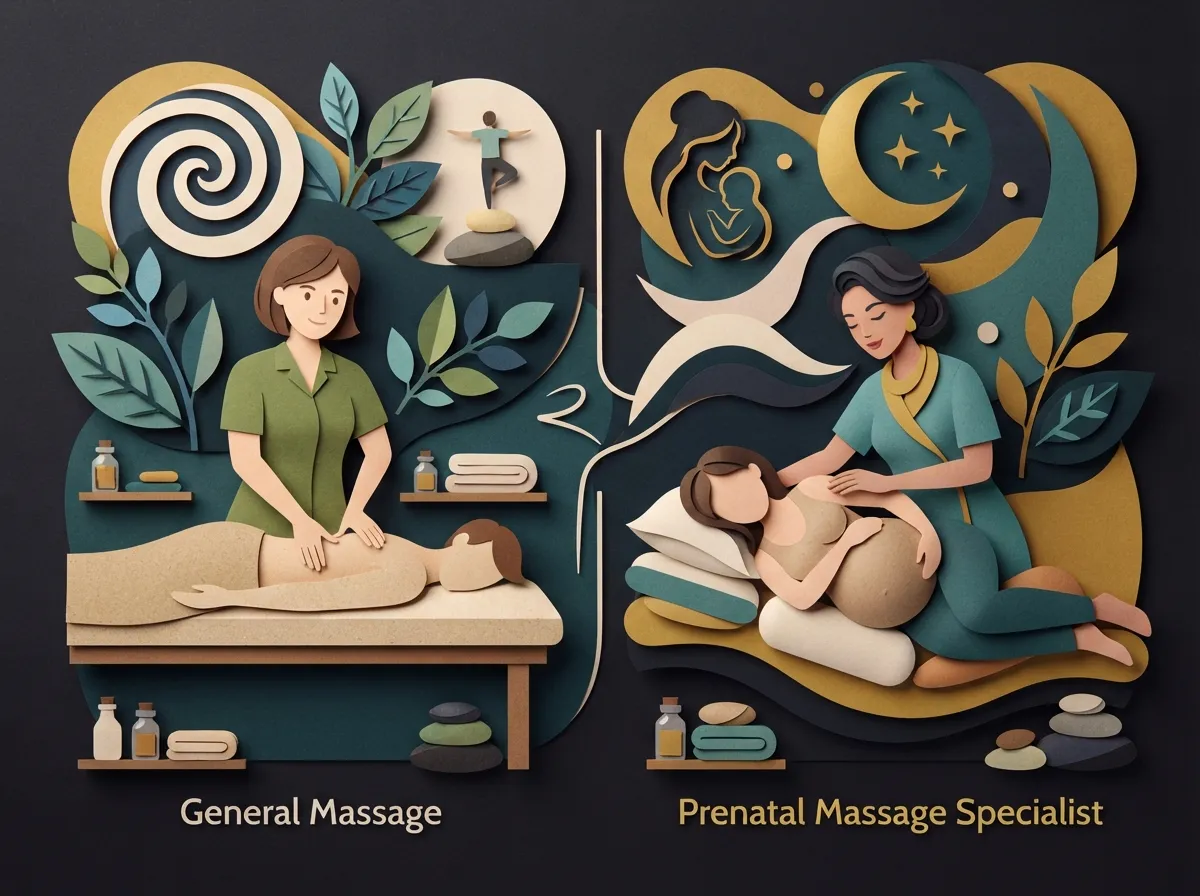
General Massage Therapist vs. Prenatal Massage Specialist
Let’s compare the two side by side, because the differences are bigger than people expect.
| Feature | General Massage Therapist | Prenatal Massage Specialist |
|---|---|---|
| Training | Standard massage certification | Additional prenatal-specific education |
| Positioning | Often flat on the table | Side-lying or semi-reclined with bolsters |
| Intake Process | Basic health history | Detailed pregnancy and trimester screening |
| Pressure Technique | Standard deep pressure available | Light to moderate, avoiding certain zones |
| Comfort Setup | Standard pillows | Pregnancy wedges, side supports, extra bolstering |
| Referral Awareness | Limited pregnancy risk knowledge | Knows when to defer to your OB-GYN or midwife |
As you can see, the gap isn’t small. A general therapist might give you a lovely massage, but a specialist gives you a lovely and safe massage tailored to your exact stage of pregnancy.
What ACOG Says About Massage During Pregnancy
According to the American College of Obstetricians and Gynecologists, massage can be a wonderful tool for relaxation and better circulation during pregnancy. ACOG also recommends that you always tell your massage therapist you’re pregnant, even if you’re not showing yet. This small step helps your therapist choose safe techniques from the very first session.
This guidance matters because early pregnancy doesn’t always look different on the outside, but it changes a lot on the inside. A trained specialist will ask the right questions before you even hop on the table.
Positioning: Why Side-Lying Matters
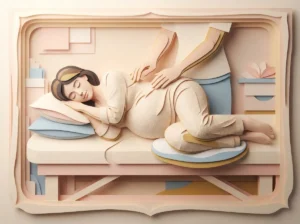
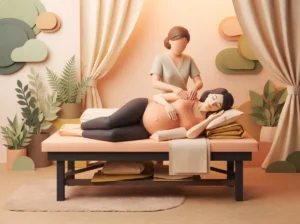
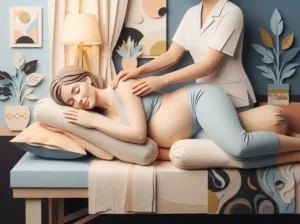
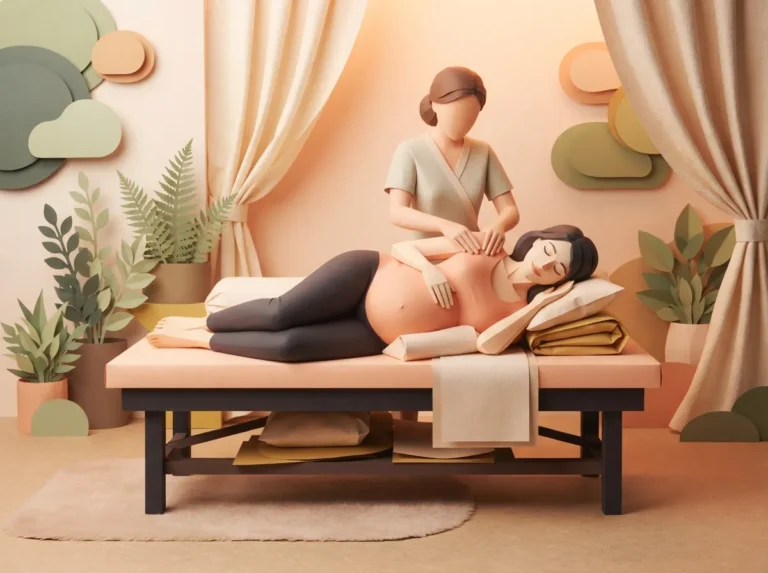
As your pregnancy progresses, lying flat on your back for long periods isn’t ideal. That’s why side-lying or semi-reclined positioning is generally preferred, especially in the second and third trimesters. A skilled therapist uses pillows, wedges, and supports so you stay comfortable without added pressure on your belly.
If you’ve ever tried to nap on your side with an ever-growing bump, you know how tricky positioning can be. A prenatal specialist has this figured out with specialized bolsters and years of hands-on practice.
Common Pregnancy Discomforts Massage May Help
Many moms-to-be turn to prenatal massage because it can ease some of pregnancy’s most annoying side effects. Research, including a 2021 systematic review of clinical trials, found potential reductions in pregnancy-related anxiety, back pain, and leg pain from massage therapy.
Common discomforts that a specialist may help address include:
- Lower back and hip pain from shifting posture
- Leg cramps and general muscle tension
- Swelling in the ankles and feet
- Stress, anxiety, and trouble sleeping
- Sciatic nerve discomfort in later trimesters
Just remember, massage complements your prenatal care. It’s not a replacement for regular visits with your OB-GYN or midwife.
Questions to Ask Before You Book
Finding the right fit takes a little detective work. Here’s a simple checklist to run through before your first appointment.
- Do you have specific training in prenatal massage techniques?
- How many years of experience do you have working with pregnant clients?
- Are you licensed or registered, and do you carry liability insurance?
- What positioning and equipment do you use for each trimester?
- What sanitation procedures do you follow between clients?
- Do you regularly work with clients in my current trimester?
A confident, experienced specialist will answer these questions easily and without hesitation. If you get vague answers, that’s a signal to keep looking.
When You Should Check With Your Doctor First
Prenatal massage is generally safe for many uncomplicated pregnancies, but not every situation is the same. Massage should be postponed or approved by your OB-GYN or midwife if you have any of the following:
- Preeclampsia or pregnancy-related high blood pressure
- Unexplained bleeding at any stage
- Placenta previa
- A history of or current risk for preterm labor
- Blood clots or deep-vein thrombosis concerns
- Any other significant medical complication
Pregnancy naturally raises the risk of blood clots compared to a non-pregnant state. This is exactly why trained therapists avoid aggressive deep work on the legs and always screen for clotting history before treatment. A 2023 review also found no clear evidence that routine massage increases miscarriage risk, though many clinics still request medical clearance during the first trimester as a precaution.
What About Perineal Massage?
It’s worth mentioning that perineal massage is a different, specialized practice, usually started around 34 weeks to help prepare for delivery. A 2025 review of several studies linked this specific technique with lower rates of episiotomy and severe tearing. This is separate from the full-body prenatal massage most people are searching for, so don’t confuse the two when booking.
What to Expect at Your First Appointment
Walking into a new place for the first time can feel a little nerve-wracking, especially when you’re pregnant. Here’s what a typical first visit usually looks like with an experienced specialist.
- A detailed health and pregnancy intake form, covering your trimester and any risk factors
- A conversation about your specific aches, stress levels, and goals for the session
- Careful positioning using bolsters, wedges, or a side-lying setup
- Light to moderate pressure, with extra caution around the abdomen and legs
- Check-ins throughout the massage to make sure you’re comfortable
- A calm close to the session, with tips for at-home comfort if needed
If at any point something feels off, tell your therapist right away. A good specialist will always pause and check in, or refer you for medical evaluation if warning symptoms show up.
Why Local Experience Beats a Quick Search Result
Typing an experienced prenatal massage specialist near me into your phone gives you a list, but a list doesn’t tell you the full story. Reviews, credentials, and a real conversation matter far more than being the closest pin on the map.
At Luna Massage Studio in Falls Church, VA, our team understands that pregnant bodies need a thoughtful, adapted approach. Our prenatal massage services are designed with trimester-specific comfort in mind, using proper bolstering and gentle techniques throughout. We also offer add-on treatments, though some, like Gua Sha and cupping, may not be appropriate during pregnancy, so we’ll always guide you toward what’s safe.
For moms-to-be who also want a little extra calm, our Reiki healing sessions can pair beautifully with prenatal care to support relaxation and emotional balance. Reiki, a Japanese energy practice you can read more about on Reiki Healing, focuses on gentle energy work rather than deep physical pressure, making it a nice complement during pregnancy.
Real Feedback From Real Clients
We always encourage new clients to read reviews before booking anywhere. You can check out feedback from our community on Yelp, follow behind-the-scenes moments on our Instagram, or browse detailed client stories on our reviews page. You can also see what our Luna Massage Studio customers say on Visit us on Google — Luna Massage Studio.
Pricing Snapshot for Prenatal Massage
Budgeting matters too, especially with a baby on the way. Here’s a simple pricing breakdown so you know what to expect.
| Service | 60 Min | 75 Min | 90 Min |
|---|---|---|---|
| Prenatal Massage | $125 | $145 | $165 |
| Swedish Massage | $125 | $145 | $165 |
| Reiki Healing | $125 flat rate | ||
Aromatherapy can be added free to any massage upon request, which many pregnant clients love for extra relaxation. If you’re comparing options, our guide on where to find the best prenatal massage near me offers even more detail on what to look for locally.
Busy Schedules? Prenatal Massage Still Fits
Many expectant moms are also juggling demanding jobs right up until delivery. If you’re a busy professional trying to squeeze in self-care, evening and weekend prenatal appointments can be a lifesaver. It’s one more reason working professionals across Falls Church turn to specialized care instead of general spa visits, since a specialist respects both your time and your changing needs.
Athletes and active women who stay fit throughout pregnancy also benefit from this specialized approach. Techniques that once worked for sports recovery, like those used in sport massage, need real adjustment during pregnancy, which is exactly what a trained specialist provides.
Bringing It All Together
Choosing between a general massage therapist and a true prenatal specialist isn’t a close call once you understand the differences. Training, positioning, screening, and experience all add up to a safer, more comfortable session for you and your baby. When you search for an experienced prenatal massage specialist near me, look past the map pin and dig into credentials, reviews, and real conversations before you book.
You deserve care that understands exactly what your body is going through right now. Ready to feel supported from your first trimester through your third? Book Now with our team, or feel free to reach out to us with any questions before your visit. We can’t wait to help you feel your best during this amazing chapter.
FAQs
Q: How do I find an experienced prenatal massage specialist near me?
A: Start by checking local reviews, asking about prenatal-specific training, and confirming licensure. A quick phone call or visit to the studio’s website, like ours at Luna Massage Studio, can tell you a lot before you even book.
Q: Is prenatal massage safe during the first trimester?
A: For many uncomplicated pregnancies, yes, but policies vary by clinic and some prefer waiting until after the first trimester. It’s always a good idea to check with your OB-GYN or midwife first, just to be safe.
Q: What qualifications should a prenatal massage therapist have?
A: Look for someone with specific prenatal training beyond their basic massage license, plus real hands-on experience with pregnant clients. Insurance, proper sanitation practices, and a thorough intake process are also great signs of a true professional.
Q: What position is used during a prenatal massage?
A: Side-lying or semi-reclined positions are most common, especially as your pregnancy progresses. Your therapist will use pillows and wedges to keep you comfortable and supported the entire time.
Q: Can prenatal massage help with back pain, swelling, or sciatica?
A: Many moms find real relief from back pain, leg discomfort, and general tension through regular prenatal massage. Just remember it works best alongside your regular prenatal medical care, not as a replacement for it.
Our Service Area