Key Takeaways
-
Consult your doctor before prenatal massage if you have high-risk pregnancy, vaginal bleeding, preeclampsia, placenta complications, clotting disorders, or sudden severe symptoms to ensure safety.
-
Choose therapists with state licensure plus specific prenatal massage certification, not just general massage licenses, and verify they use proper side-lying positioning with bolster support.
-
Expect thorough intake questions covering gestational age, pregnancy complications, medications, and symptoms; skip clinics that skip this screening and rush you to the table.
-
Timing varies by provider, but many therapists recommend waiting until 12-14 weeks (second trimester) for full prenatal massage; confirm your clinic's first-trimester policy upfront.
-
Prenatal massage uses gentle to moderate pressure on sides or semi-reclined positions, never aggressive pressure on belly or face-down positioning, to safely complement prenatal care for back pain and stress relief.
-
Red flags include therapists who don't ask about pregnancy, insist on unsafe positioning, use firm pressure without check-ins, or can't explain their prenatal training—trust your instincts and find someone who prioritizes your comfort.
Growing a tiny human is amazing work, but let’s be honest, your back, hips, and feet are probably not thrilled about it. If you’ve been searching “safe prenatal massage near me” while scrolling through your phone at 2 a.m. (no judgment, we’ve all been there), you’re in the right place. Pregnancy comes with enough unknowns already, so finding a massage therapist who truly understands how to care for you and your growing baby shouldn’t be one more thing to stress over.
This guide walks you through exactly what makes prenatal massage safe, who should check with their doctor first, and how to spot a therapist who really knows what they’re doing. Whether you’re a first-time mom dealing with achy hips or a busy professional trying to squeeze in some relaxation before baby arrives, we’ve got you covered. Let’s make this search easy and, dare we say, even a little fun.

What Makes Prenatal Massage Safe?
Safe prenatal massage isn’t just regular massage with a pillow added under your belly. It’s a specialized approach that takes your changing body seriously. According to the American College of Obstetricians and Gynecologists (ACOG), massage is generally fine for people with healthy, uncomplicated pregnancies, but it needs to be done the right way.
Here’s what that looks like in practice:
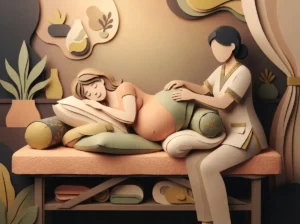
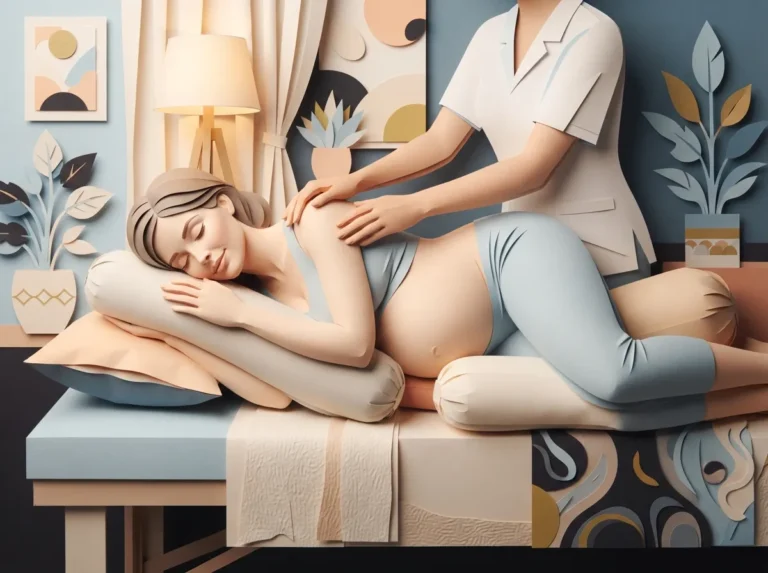
- Positioning you on your side or in a semi-reclined position instead of flat on your back or stomach
- Using pillows and bolsters to keep you comfy and supported
- Gentle to moderate pressure, never anything aggressive on your belly
- Constant check-ins about how you’re feeling
- A therapist who actually asks about your pregnancy history before starting
ACOG specifically advises against lying face-down and recommends telling your therapist you’re pregnant, even if you’re not showing yet. This isn’t about being overly cautious. It’s about making sure your session actually helps you feel better instead of causing worry later.

Step 1: Understand When Prenatal Massage Is Appropriate
Before you book anything, it helps to know where you stand. Most pregnancies are considered low-risk, and for those folks, prenatal massage can be a wonderful way to ease common discomforts.
However, a 2021 systematic review published in a peer-reviewed medical journal found that research on massage during pregnancy is still fairly limited. The review noted that relaxation massage may help reduce discomfort in healthy pregnancies, but it also stressed the importance of screening for contraindications and paying close attention to positioning.
You should talk with your obstetrician or midwife before booking a massage if you have any of the following:
- A high-risk pregnancy or history of preterm labor
- Vaginal bleeding or abdominal pain
- Preeclampsia or pregnancy-related high blood pressure
- Placenta complications
- A clotting disorder or suspected deep-vein thrombosis (DVT)
- Sudden or severe swelling, fever, or other new symptoms
If any of these apply to you, please don’t skip this step. A quick conversation with your provider gives you peace of mind and helps your massage therapist plan a session that’s actually good for you.
Step 2: Know What a Proper Intake Looks Like
A responsible massage therapist won’t just wave you onto the table. They’ll ask real questions first. Think of it like a mini check-in that protects both you and your baby.
A thorough prenatal intake usually covers:
| Intake Topic | Why It Matters |
|---|---|
| Gestational age (how many weeks along you are) | Helps determine positioning and pressure guidelines |
| Pregnancy complications or high-risk status | Identifies if medical clearance is needed first |
| Current medications | Flags any interactions or sensitivities |
| Blood pressure concerns | Rules out preeclampsia-related risks |
| Previous pregnancy issues | Informs which techniques to avoid |
| Current symptoms (swelling, pain, etc.) | Determines if massage should be postponed |
| Your goals for the session | Customizes the massage to your needs |
If a spa or studio skips all of this and just gets you on the table right away, that’s a red flag worth noticing.
Step 3: Check Qualifications, Not Just Availability
Here’s the thing: a general massage license doesn’t automatically mean someone is trained in prenatal care. Pregnancy massage requires specific education about anatomy changes, safe positioning, and contraindications.
When you’re searching for safe prenatal massage near you, look for these credentials:
- State licensure (required in Virginia and most states)
- Specific prenatal massage certification or continuing education hours
- Professional liability insurance
- Pregnancy-specific equipment like bolster systems or specialty tables
- Positive reviews mentioning safe, respectful prenatal care
At Luna Massage Studio in Falls Church, VA, our team is trained to work with expecting moms using proper positioning and gentle techniques designed for pregnancy. You can learn more about our approach on our Prenatal Massage page, and we always encourage new clients to check out honest feedback on our Reviews page or read what past clients have shared on Yelp before booking.
Step 4: Ask About Timing — When Can You Start?
This is one of the most common questions we hear, and honestly, the answer varies. ACOG doesn’t set one universal rule about exactly which week is safe to start. That said, many therapists prefer waiting until the second trimester, often around 12 to 14 weeks, before offering full prenatal massage.
First-trimester policies differ by clinic and provider. Some therapists are comfortable working with clients earlier, especially for gentle relaxation techniques, while others prefer to wait. If you’re unsure, it’s always smart to check with your OB or midwife and be upfront with your massage therapist about how far along you are.
Step 5: Understand Positioning and Pressure
Once you’re cleared for massage, positioning becomes the star of the show. Side-lying positions with supportive pillows are the gold standard, especially as your belly grows. Lying flat on your back for long periods later in pregnancy can cause dizziness, nausea, or shortness of breath, so a good therapist will avoid this.
Pressure matters too. Deep pressure over the abdomen should always be avoided. Your therapist should also be cautious with the legs, since vigorous massage could be risky if there’s an undiagnosed blood clot. Light, comfort-focused work is generally the safest path, and any deeper techniques should only happen after proper screening and with your comfort as the priority.
If you’re used to deeper work, like a Deep Tissue Massage, prenatal sessions will feel different. That’s a good thing. Your body is doing something incredible, and it deserves a gentler touch right now.
Step 6: Consider Add-Ons Thoughtfully
Many studios offer lovely extras like Aromatherapy Massage, which can be a soothing addition during pregnancy when done with pregnancy-safe oils. However, certain add-ons like Gua Sha or cupping require extra caution during pregnancy, so always ask your therapist whether an add-on is appropriate for your stage of pregnancy before requesting it.
Common Discomforts Prenatal Massage May Help With
So why do so many expecting moms seek this out in the first place? For healthy pregnancies, prenatal massage may offer relief from:
- Lower back and hip pain
- Neck and shoulder tension
- General muscle tightness
- Stress and anxiety
- Trouble sleeping
It’s important to remember that massage is complementary care. It should never replace your regular prenatal medical checkups. If you experience severe headaches, vision changes, chest pain, shortness of breath, heavy bleeding, or sudden severe swelling, contact your doctor right away instead of booking a massage.
Red Flags to Watch For When Booking
Not all massage experiences are created equal, especially during pregnancy. Here are signs you might want to look elsewhere:
- The therapist doesn’t ask about your pregnancy or due date
- They insist on face-down positioning without alternatives
- No mention of side-lying support or bolsters
- They use extremely firm pressure without checking in
- They can’t explain their prenatal training when asked
Trust your gut here. You deserve a therapist who makes you feel safe, heard, and cared for, not rushed through a generic session.
Why Location and Comfort Both Matter
Finding “safe prenatal massage near me” isn’t just about proximity. It’s about finding a studio where you feel genuinely comfortable. For expecting moms in the Falls Church area, having a nearby, trusted option means less travel stress and more time to relax before and after your appointment.
We’d love for you to stop by and see our space for yourself. You can check out our studio details and visit us on Google — Luna Massage Studio to see photos, hours, and directions. We also share updates and behind-the-scenes moments on Instagram if you want a feel for our studio vibe before booking.
A Quick Comparison: What to Ask Before You Book
| Question to Ask | Why It Matters |
|---|---|
| Are you certified in prenatal massage? | Confirms specialized training beyond general licensure |
| What positioning do you use? | Ensures side-lying or semi-reclined support is standard |
| How do you handle high-risk pregnancies? | Shows whether they require medical clearance first |
| What’s your policy on first-trimester massage? | Helps you plan timing around your pregnancy stage |
| Do you use pregnancy-safe oils for aromatherapy? | Protects against unsafe essential oil exposure |
Bringing It All Together
Finding safe prenatal massage near you doesn’t have to feel complicated once you know what to look for. Focus on therapists with real prenatal training, proper intake procedures, and a genuine commitment to your comfort and safety. Always loop in your doctor if you have any complications, and don’t be afraid to ask questions before booking.
Pregnancy is demanding enough without adding unnecessary worry to your massage experience. A well-trained therapist will help you feel supported, relaxed, and cared for during one of the biggest transitions of your life. If you’re curious about other wellness options that pair beautifully with prenatal care, our Reiki Healing sessions offer a gentle, non-invasive way to ease stress alongside massage.
Ready to take the next step? Book your prenatal massage today and give yourself the relaxation you deserve. Or if you have questions first, feel free to reach out to our team anytime.
FAQs
Q: Is prenatal massage safe during pregnancy?
A: Yes, for most healthy pregnancies, prenatal massage is considered safe when done by a therapist trained in pregnancy-specific techniques. It’s always smart to check with your doctor first if you have any complications, just to be extra safe.
Q: How many weeks pregnant should I be before getting a massage?
A: There’s no single required week, but many therapists like to wait until the second trimester, around 12 to 14 weeks, before offering full sessions. Every studio has its own policy, so just ask before you book, and check with your provider if you’re unsure.
Q: What position is safest for a prenatal massage?
A: Side-lying with pillows for support is the go-to choice, especially as your belly grows. Lying face-down or flat on your back for too long isn’t recommended, so a good therapist will always set you up comfortably on your side.
Q: What qualifications should a prenatal massage therapist have?
A: Look for someone with state licensure plus specific prenatal massage training, not just a general massage certificate. It’s also worth checking reviews and asking directly about their experience working with expecting moms.
Q: Can prenatal massage help with back pain and stress?
A: Many moms-to-be find real relief from back pain, hip tension, and everyday stress through prenatal massage. Just remember it’s meant to complement your prenatal care, not replace regular checkups with your doctor.
Our Service Area