Key Takeaways
-
Sports massage targets overworked muscles and soft tissues to improve performance, reduce soreness (DOMS), and prevent injuries—it's strategically planned around your training schedule, unlike general relaxation massages.
-
Schedule maintenance massages every 2-4 weeks for consistent benefits; post-event massages within 24-48 hours after hard workouts are most effective for faster recovery and reducing inflammation.
-
Sports massage works for all active people—runners, gym-goers, busy professionals, and weekend warriors—not just elite athletes; typical sessions range from 60-90 minutes at $125-$165.
-
Therapists use four key techniques: pre-event massage to warm up muscles, post-event massage to flush lactic acid, maintenance massage to prevent tightness, and rehabilitation massage to support injury recovery.
-
Maximize results by staying hydrated before and after sessions, communicating openly about injuries and pain points, and doing light stretching afterward to extend flexibility benefits.
-
Enhance your sports massage with add-ons like cupping ($35 for 15 min) for deep tension relief, gua sha for muscle tightness, or free aromatherapy to customize your recovery experience.
Whether you hit the gym every morning, train for weekend races, or simply stay active with daily walks, your body works hard. And hard-working bodies deserve proper care. That’s where sports massage therapy comes in. It’s one of the fastest-growing services in the wellness industry — and for very good reason.
Sports massage isn’t just for professional athletes. It’s for anyone who uses their body regularly and wants to move better, feel less sore, and recover faster. From gym-goers in Falls Church to seasoned marathon runners, more and more active adults are discovering the real difference a targeted massage can make. Let’s explore everything you need to know about this powerful therapy.
What Is Sports Massage Therapy?
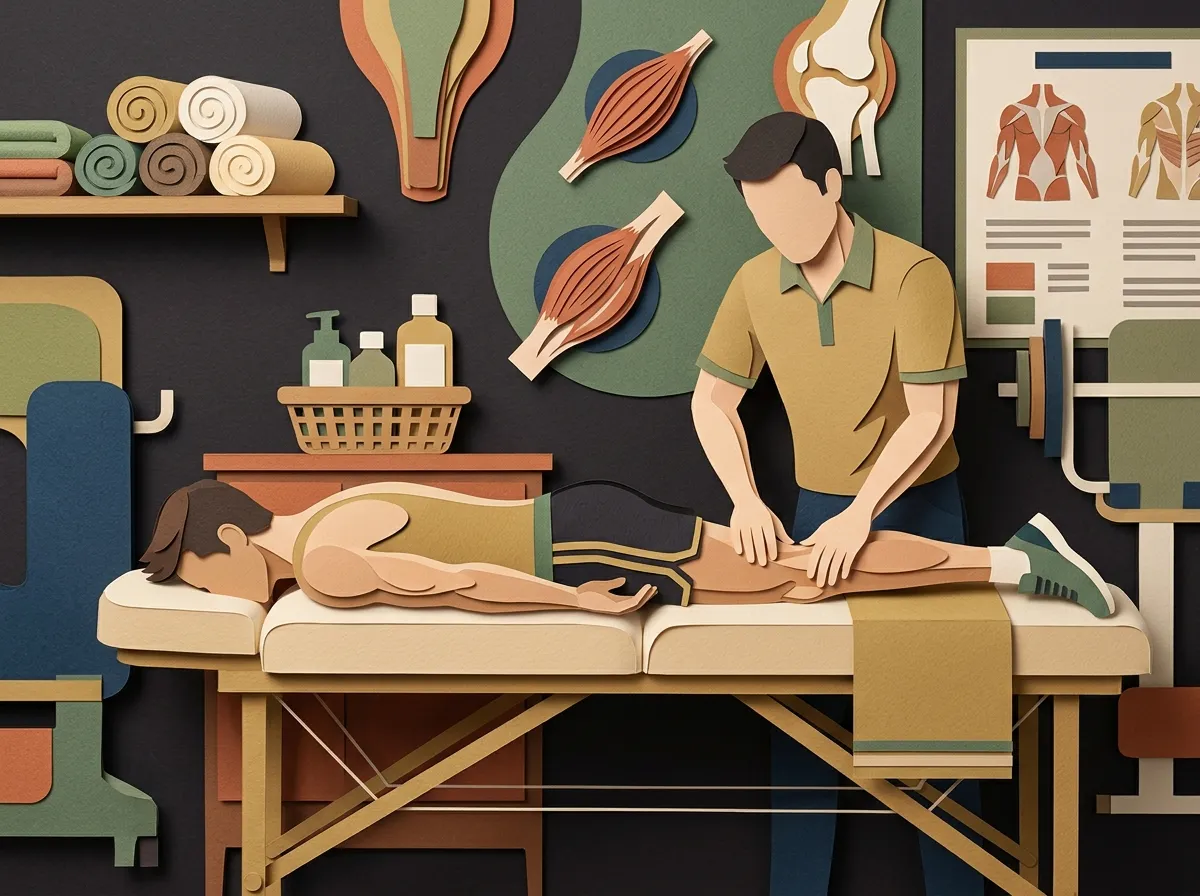
Sports massage therapy is a specialized form of massage that targets muscles and soft tissues used during physical activity. Unlike a general relaxation massage, it focuses on areas that are overworked, tight, or prone to injury. The goal is to help your body perform better, recover faster, and stay injury-free.
It combines several hands-on techniques — including deep pressure, stretching, and targeted muscle work — to address the specific demands of an active lifestyle. Whether you’re dealing with post-workout soreness or chronic tightness from repetitive movement, sports massage is designed to help. You can learn more about what sport massage involves and how it’s tailored to active bodies.

How Sports Massage Differs from Other Types of Massage
It helps to understand how sports massage compares to other popular options. Here’s a quick look at the key differences:
| Massage Type | Primary Goal | Pressure Level | Best For |
|---|---|---|---|
| Sports Massage | Performance & recovery | Moderate to firm | Athletes & active adults |
| Deep Tissue Massage | Chronic tension & pain relief | Firm to intense | Chronic pain & stiffness |
| Swedish Massage | Relaxation & circulation | Light to moderate | Stress relief & general wellness |
| Prenatal Massage | Comfort during pregnancy | Gentle | Expectant mothers |
Sports massage shares some techniques with deep tissue massage, but it’s more strategic. It’s planned around your activity level, training schedule, and specific muscle groups. If you’re curious about other options, the Swedish massage is a great complement for rest days and general relaxation.
Top Benefits of Sports Massage Therapy
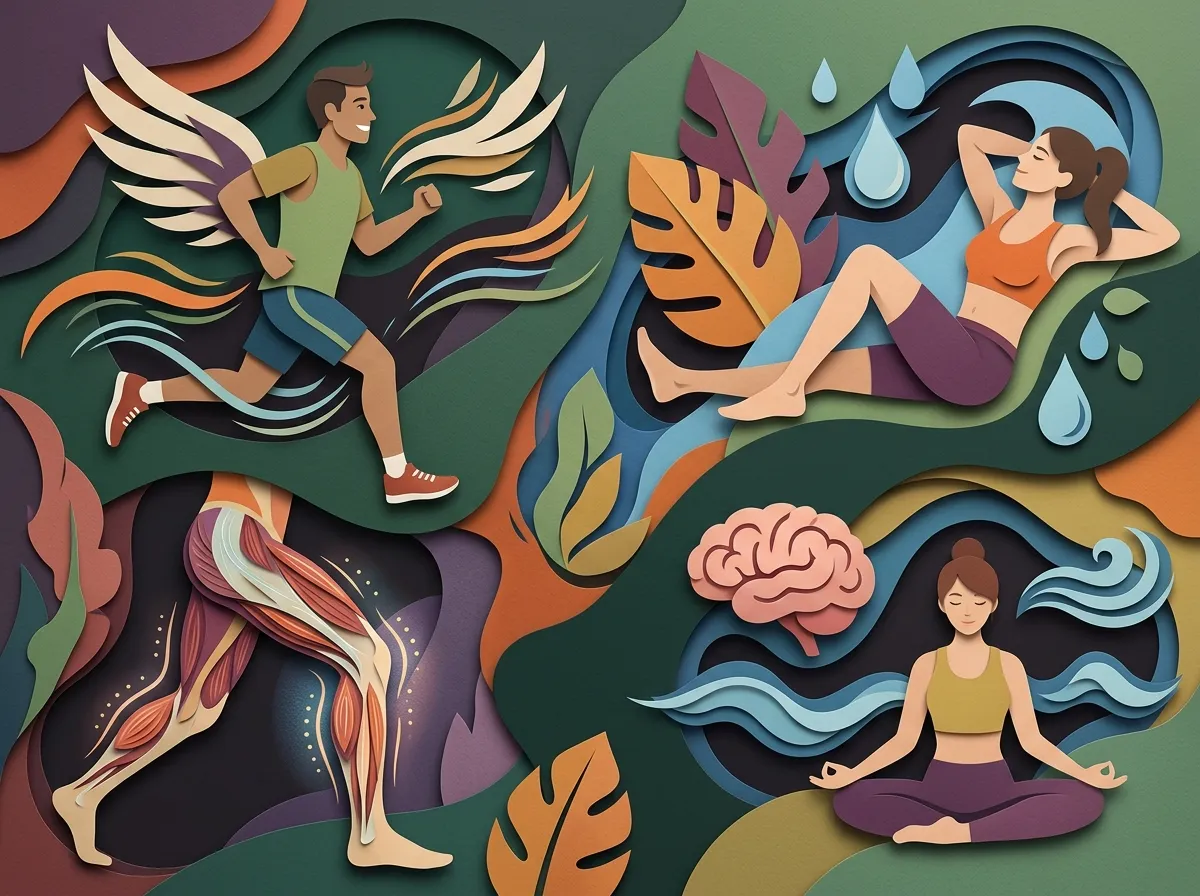
The benefits go well beyond feeling good after a session. Sports massage therapy delivers real, measurable results for your body and mind. Here are the top reasons active people love it:
- Faster muscle recovery — reduces delayed onset muscle soreness (DOMS) after workouts
- Improved flexibility — loosens tight muscles and improves range of motion
- Injury prevention — identifies and treats tension before it becomes a serious problem
- Better circulation — increases blood flow to muscles, delivering nutrients and oxygen
- Reduced muscle fatigue — helps muscles bounce back faster between training sessions
- Mental relaxation — lowers stress and anxiety, which improves focus and performance
- Pain relief — addresses common athletic complaints like tight hamstrings, IT band tension, and shoulder knots
For a deeper dive into how this therapy helps with soreness and pain, check out this article on the benefits of sports massage for muscle pain. You might also enjoy reading about why every athlete needs a sports massage.
Key Techniques Used in Sports Massage
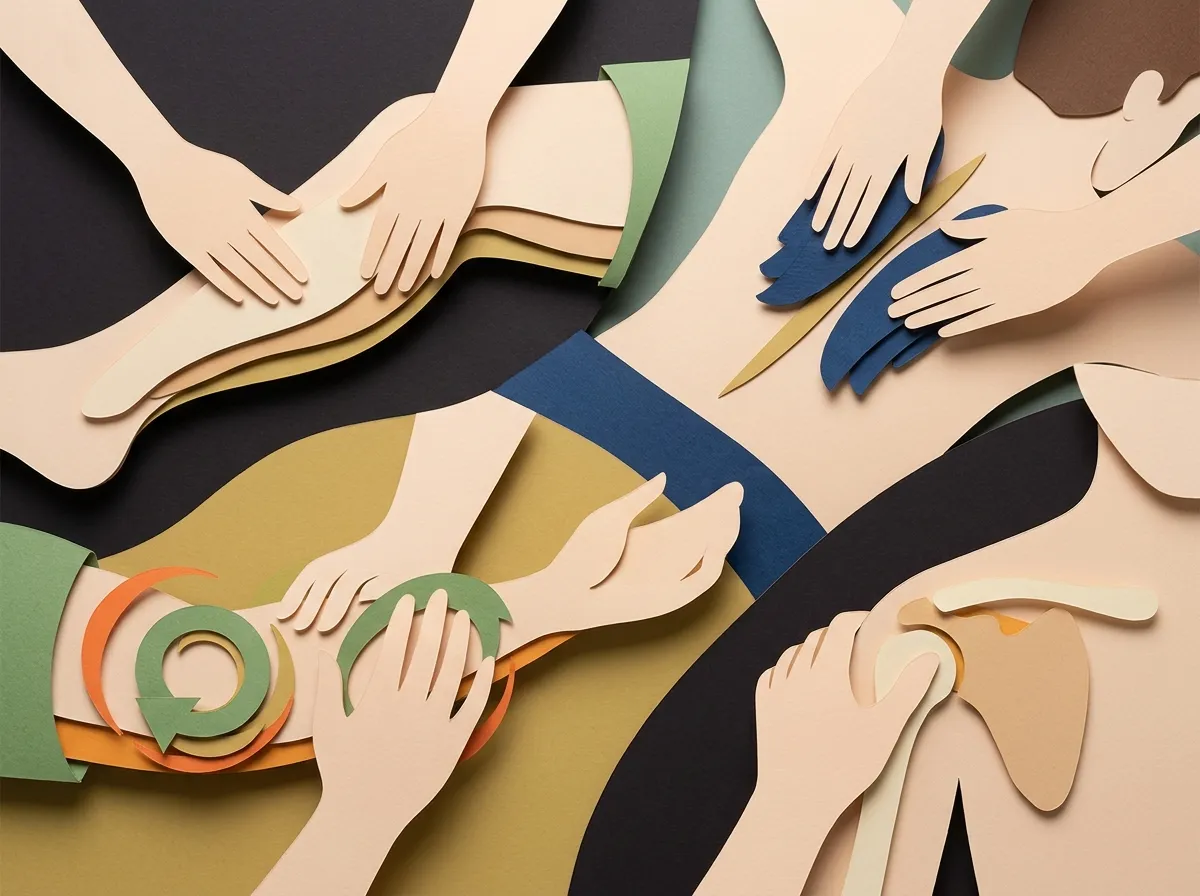
Sports massage therapists use a mix of proven techniques to get results. The approach changes based on your goals and timing around physical activity. Here’s a breakdown of the most common methods:
Pre-Event Massage
Done before a workout or competition, this type of massage is shorter and more stimulating. The goal is to warm up the muscles, increase blood flow, and get you mentally ready to perform. Sessions typically last 15–30 minutes and use lighter, faster strokes.
Post-Event Massage
After a race or tough training session, your muscles need help recovering. Post-event massage uses slower, deeper strokes to flush out lactic acid, reduce inflammation, and ease soreness. It helps your body return to its baseline faster.
Maintenance Massage
This is the most common type for regular athletes and fitness enthusiasts. Scheduled weekly or bi-weekly, maintenance massage keeps muscles loose, prevents tightness from building up, and supports long-term physical health.
Rehabilitation Massage
When recovering from an injury, this type of massage supports healing. It works alongside other treatments to reduce scar tissue, restore mobility, and gently rebuild strength in the affected area.
Who Benefits Most from Sports Massage?
You don’t need to be a professional athlete to get value from sports massage therapy. This service is ideal for a wide range of people:
| Who | Why Sports Massage Helps | Recommended Session |
|---|---|---|
| Runners & Cyclists | Relieves tight IT bands, calves, and hamstrings | 75 min or 90 min |
| Gym-Goers | Speeds up recovery, reduces DOMS | 60 min or 75 min |
| Busy Professionals | Relieves stress-related muscle tension from long work hours | 60 min |
| Seniors & Active Older Adults | Improves flexibility, reduces stiffness, manages chronic pain | 60 min or 75 min |
| Weekend Warriors | Helps recovery between irregular bouts of physical activity | 75 min or 90 min |
For seniors dealing with ongoing discomfort, it’s also worth exploring how massage therapy can help with chronic pain — a topic many older adults find extremely relevant.
What to Expect During Your First Sports Massage Session
If you’ve never had a sports massage before, you might be wondering what the experience is like. Here’s a simple step-by-step guide to your first visit:
- Intake conversation — Your therapist will ask about your activity level, recent workouts, any pain or injuries, and your goals for the session.
- Targeted assessment — They’ll identify areas of tightness, imbalance, or concern that need extra attention.
- Personalized treatment — Using a combination of techniques, your therapist will work through the agreed areas systematically.
- Feedback check-ins — Your therapist will check in throughout to adjust pressure and technique based on your comfort.
- Post-session advice — You’ll get guidance on hydration, stretching, and how to maximize the benefits of the session.
First-timers often ask whether sports massage is painful. Some pressure can be intense, especially in very tight areas. But it should never feel unbearable. A good therapist will always work within your comfort zone while still being effective.
Enhancing Your Sports Massage with Add-Ons
One of the best ways to get even more from your session is to add complementary treatments. At Luna Massage Studio, you can pair your sports massage with:
- Cupping — applies suction to release deep tension and improve blood flow ($35 for 15 min)
- Gua Sha — an ancient scraping technique that reduces muscle tightness and releases toxic energy ($35 for 15 min)
- Aromatherapy Massage — add calming or invigorating essential oils to any session, completely FREE
These add-on treatments are a wonderful way to customize your experience. Cupping in particular is a great match for athletes dealing with deep muscle tension or post-training inflammation.
Sports Massage and the Growing Wellness Market
Sports massage therapy is booming. The global massage therapy market is valued at USD 76.6 billion in 2026 and is projected to reach USD 133.3 billion by 2036. Within that, the sports massage segment is growing at the fastest rate — a 9.4% CAGR — driven by more Americans exercising and a strong cultural shift toward fitness-focused living.
Massage therapist employment is projected to grow 15% from 2024 to 2034, according to the Bureau of Labor Statistics. That’s much faster than the average for all occupations. As more people invest in their physical wellness, sports massage is becoming a go-to recovery tool rather than a luxury.
Sports Massage Pricing at Luna Massage Studio
Here’s a quick look at sports massage session pricing so you can plan your visit:
| Session Length | Price | Best For |
|---|---|---|
| 60 minutes | $125 | Targeted work on one or two areas |
| 75 minutes | $145 | Full-body focus with extra time for problem areas |
| 90 minutes | $165 | Deep, comprehensive recovery sessions |
You can also explore deep tissue techniques that overlap with sports massage — our article on deep tissue massage techniques explains how these methods unlock relief for tight, overworked muscles.
Other Wellness Services That Pair Well with Sports Massage
Recovery doesn’t stop at the massage table. Many athletes and active adults are exploring holistic wellness options to complement their physical training. Here are some services that work beautifully alongside sports massage:
- Reiki Healing — an energy-based therapy rooted in Japanese tradition that promotes deep relaxation and mental clarity. Learn more about Reiki Healing and its foundations.
- Aromatherapy Massage — essential oils like eucalyptus and peppermint can enhance the physical benefits of your sports massage session
- Prenatal Massage — for active moms-to-be who want safe, targeted relief during pregnancy
If you’re curious about what our clients say, check out our reviews and see how sports massage has helped real people in the Falls Church community. You can also visit us on Google to read more feedback and get directions to our studio.
Tips for Getting the Most from Sports Massage
A little preparation goes a long way. Follow these tips to maximize every session:
- Stay hydrated — drink plenty of water before and after your session to help flush out toxins released during the massage.
- Communicate openly — tell your therapist about any injuries, pain points, or areas to avoid. The more they know, the better your results.
- Time it right — schedule post-event massages within 24–48 hours of a hard workout for best recovery results.
- Book consistently — regular sessions (every 2–4 weeks) are far more effective than occasional one-off visits.
- Stretch after — gentle stretching in the hours after your massage helps extend the benefits and maintain flexibility.
Follow Luna Massage Studio on Instagram for wellness tips, session inspiration, and updates on new services. You can also check out what clients are saying on Yelp to hear real experiences from people just like you.
Ready to Experience Sports Massage Therapy?
Sports massage therapy is one of the smartest investments you can make in your physical health. Whether you’re training for a big race, recovering from a tough week at the gym, or simply want to move through life with less pain and more energy — this therapy delivers real results.
At Luna Massage Studio in Falls Church, VA, our experienced therapists are ready to help you feel your best. We offer personalized sports massage sessions designed around your body, your goals, and your schedule. Don’t wait until soreness slows you down — be proactive about your recovery.
Ready to take the first step? Schedule your sports massage session today and discover what your body is truly capable of when it gets the care it deserves. You can also get in touch with our team if you have questions about which service is right for you. We’d love to hear from you!
FAQs
Q: What is sports massage therapy and how is it different from a regular massage?
A: Sports massage therapy is a targeted treatment designed specifically for active people. Unlike a general relaxation massage, it focuses on muscles that are stressed from physical activity — helping you recover faster, move better, and prevent injuries. Think of it as performance care for your hardworking body!
Q: How often should I get a sports massage?
A: Most active adults benefit from a session every 2–4 weeks, depending on how intensely they train. If you’re in heavy training or preparing for an event, weekly sessions can make a big difference. Your therapist at Luna Massage Studio can help you find the right frequency for your lifestyle.
Q: Is sports massage therapy painful?
A: Some pressure during a sports massage can feel intense, especially in very tight or overworked areas. But it should never be unbearable! Your therapist will always check in and adjust based on your comfort — the goal is effective relief, not unnecessary discomfort.
Q: Can I get a sports massage if I’m not a professional athlete?
A: Absolutely! Sports massage therapy is for anyone with an active lifestyle — gym-goers, weekend hikers, cyclists, and even busy professionals who carry physical tension from long work days. You don’t need to be competing at any level to benefit from this service.
Q: What should I do after a sports massage session?
A: Drink plenty of water to help your body flush out any toxins released during the session. Light stretching in the hours afterward is also a great idea to extend the benefits. Try to avoid intense exercise for the rest of the day so your muscles can fully recover and reset.