Key Takeaways
-
Cupping therapy creates suction that lifts tissue and increases blood circulation, helping release tight fascia and reduce muscle tension more effectively than massage alone.
-
Research confirms cupping significantly increases skin and muscle elasticity while decreasing perceived pain and improving range of motion after sessions.
-
The circular marks left by cupping are harmless and fade within 3-7 days; they result from increased blood flow to the skin surface, not actual bruising.
-
Different cupping types serve specific purposes: stationary for localized tension, gliding for broad muscle groups, and facial cupping for lymphatic drainage and puffiness.
-
Cupping works best as a 15-minute add-on to massage sessions and pairs particularly well with deep tissue, sport, and aromatherapy massage for enhanced recovery and relaxation.
-
Athletes, desk workers with chronic neck/shoulder tension, seniors with arthritis, and wellness-focused individuals all benefit from cupping's decompression and circulation-boosting effects.
Have you ever noticed those circular marks on an athlete’s back and wondered what they were? Those are the signature signs of cupping therapy — a wellness technique that’s been turning heads (and soothing muscles) for centuries. Whether you’re a busy professional dealing with desk tension, an athlete pushing your limits, or someone living with chronic pain, cupping therapy might be exactly what your body needs. It works alongside massage to deliver deeper relief, better circulation, and a sense of relaxation that feels almost magical. In 2026, cupping has become one of the most popular add-on treatments in massage studios across the country — and for very good reason. Let’s break down what cupping therapy is, how it works, and why so many people are adding it to their wellness routine.
What Is Cupping Therapy?
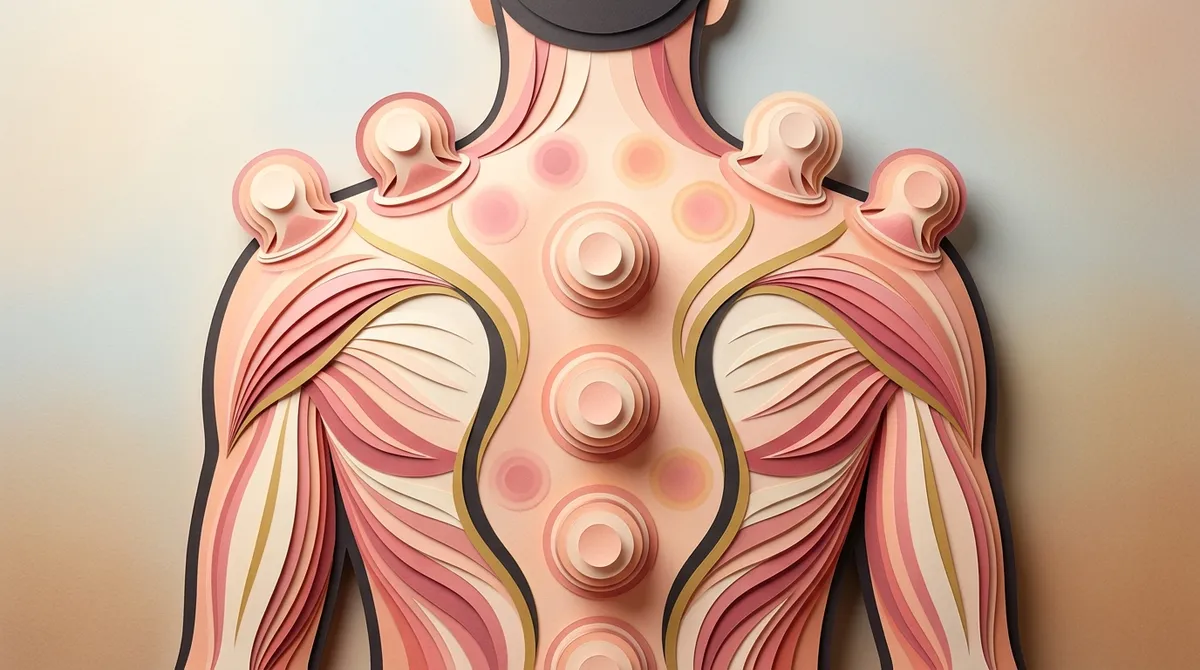
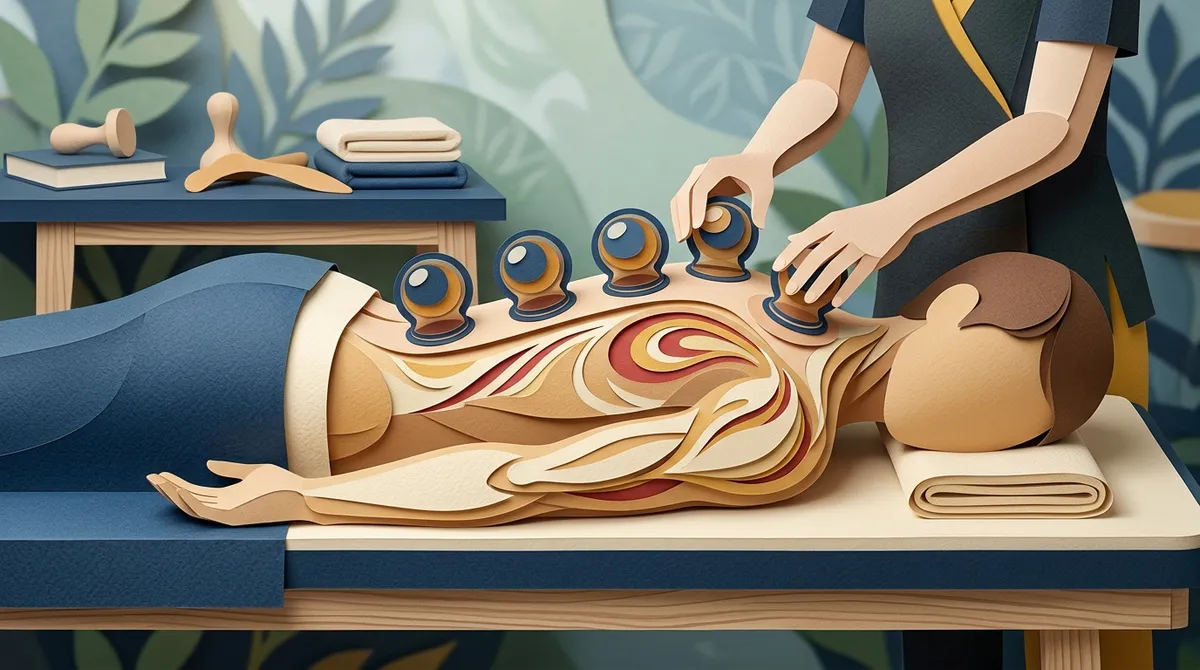
Cupping therapy is a technique where special cups are placed on the skin to create gentle suction. This suction pulls the skin and soft tissue upward into the cup. Think of it as the opposite of massage — instead of pressing down on muscles, it lifts the tissue up. This creates a vacuum effect that increases blood flow, stimulates the lymphatic system, and helps release tight fascia (the connective tissue around your muscles).
The practice has roots in ancient Chinese, Egyptian, and Middle Eastern healing traditions. Today, trained massage therapists use modern cups made from silicone, glass, or plastic to apply this technique safely and effectively. At Luna Massage Studio in Falls Church, VA, cupping is offered as a 15-minute add-on to complement your massage session — giving your body an extra layer of healing.
How Does Cupping Therapy Work?
The science behind cupping is straightforward. When a cup creates suction on your skin, it increases blood circulation to that area. More blood flow means more oxygen and nutrients reaching tired, tight muscles. It also encourages the lymphatic system to remove waste products and reduce inflammation.
Cupping also works on the fascia — the thin layer of connective tissue that wraps around your muscles. When fascia becomes tight or stuck (a condition called densification), it limits movement and causes pain. The lifting action of cupping helps separate these stuck layers and restore healthy tissue glide. Research by Cao, Li, and Liu (2012) confirmed that cupping significantly increases both skin and muscle elasticity, improving how freely tissue moves. Another study by McCullough (2020) found meaningful increases in range of motion and decreases in perceived pain after cupping sessions.
Types of Cupping Used in Massage Therapy
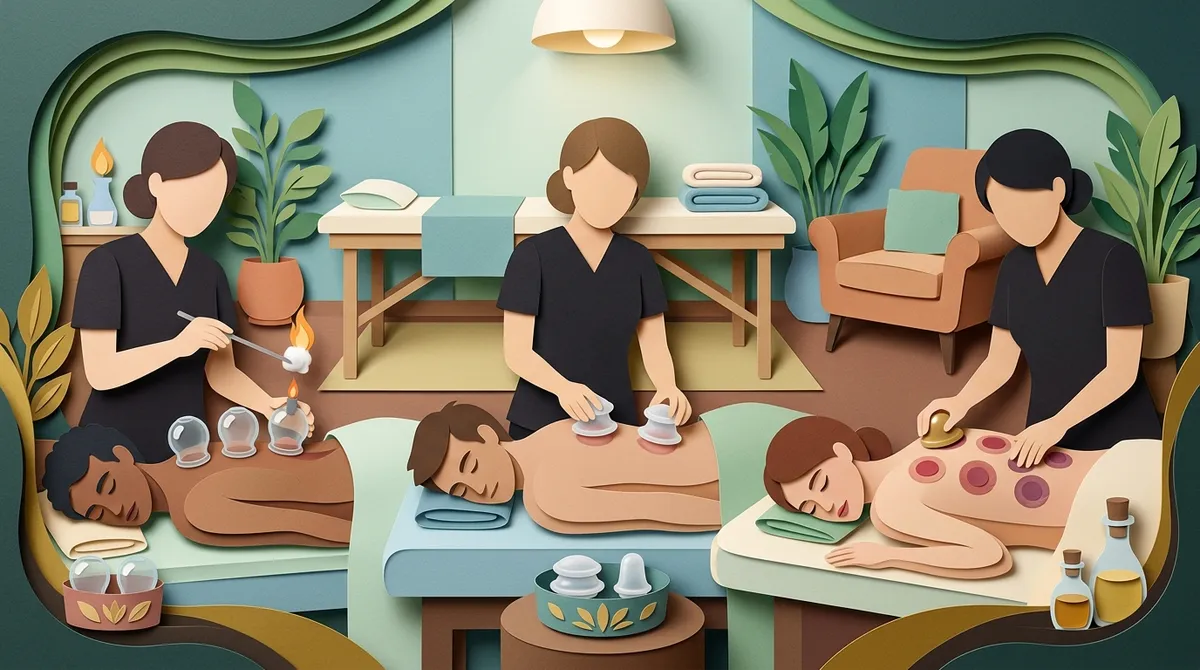
Not all cupping is the same. Your therapist may use different techniques depending on your needs and goals. Here’s a quick look at the most common types:
| Type of Cupping | How It Works | Best For |
|---|---|---|
| Stationary (Dry) Cupping | Cups are placed and left in one spot for a few minutes | Localized muscle tension and pain |
| Gliding (Dynamic) Cupping | Cups are moved across oiled skin in smooth strokes | Broad muscle groups, back tension, circulation |
| Flash Cupping | Cups are applied and removed rapidly in succession | Quick stimulation, sensitive areas |
| Facial/Lymphatic Cupping | Smaller cups used on face or neck with gentle suction | Lymph drainage, facial tension, puffiness |
Gliding cupping is especially popular in massage settings. When oil is applied first, the cups can glide smoothly across the back, legs, or shoulders — delivering a massage-like feel with extra decompression benefits. It pairs beautifully with deep tissue massage or Swedish massage for a truly relaxing experience.

The Top Benefits of Cupping Therapy
Cupping therapy offers a wide range of benefits. Here’s what clients most commonly experience:
- Reduced muscle tension: The suction lifts and loosens tight muscles, especially in the neck, shoulders, and back.
- Better circulation: Increased blood flow brings oxygen and nutrients to tired tissues.
- Less pain and inflammation: A systematic review found cupping can be as effective as drug therapy for certain types of pain, including respiratory-related pain.
- Improved range of motion: By releasing stuck fascia, cupping helps joints move more freely.
- Deep relaxation: Many clients report feeling deeply calm and relaxed after a session.
- Lymphatic drainage support: Cupping encourages the flow of lymph, helping reduce swelling and support the immune system.
These benefits make cupping therapy a great fit for many different people. Athletes can use it to speed up recovery after training. Seniors with arthritis or stiffness often find it eases joint discomfort. Busy professionals carry a lot of tension in the upper body — cupping is excellent for that. You can explore more about the cupping and other add-on services available at Luna Massage Studio.
Who Can Benefit From Cupping Therapy?
Athletes and Active Adults
If you’re an athlete or regular gym-goer, cupping therapy is a powerful recovery tool. It targets deep muscle soreness, breaks up knots, and helps restore flexibility faster. Combined with sport massage, it can significantly reduce downtime between training sessions.
Busy Professionals
Long hours at a desk create chronic tension in the neck, shoulders, and lower back. Cupping lifts those layers of tight tissue and gets blood moving again. Adding cupping to your regular massage session is an easy way to undo the physical toll of a high-stress workday.
Seniors with Chronic Pain
Older adults dealing with arthritis, stiffness, or limited mobility can benefit greatly from cupping’s gentle decompression. It doesn’t require deep pressure, making it a comfortable option for those with sensitive tissues. The improved circulation and joint mobility can make daily activities feel much easier.
Wellness-Focused Individuals
If you already prioritize holistic health, cupping fits right into your self-care routine. It pairs naturally with aromatherapy massage or Reiki healing for a full mind-body experience. Many wellness-focused clients use it monthly as a preventative measure to keep their bodies feeling their best.
What to Expect During a Cupping Session
Wondering what actually happens when you try cupping? Here’s a step-by-step look at a typical cupping add-on session:
- Consultation: Your therapist will ask about your goals, areas of concern, and any health conditions before beginning.
- Preparation: Oil is applied to the skin to help the cups glide smoothly and protect the skin surface.
- Cup placement: Cups are placed on targeted areas — usually the back, shoulders, legs, or neck. Suction is created by pump or manual squeeze.
- Technique application: Depending on your needs, cups may stay in place (stationary) or move across the skin (gliding).
- Session completion: The add-on session lasts about 15 minutes. Your therapist will remove the cups and may continue with massage therapy.
Most people find cupping surprisingly comfortable. The suction can feel a little unusual at first, but it’s rarely painful. Your therapist will always check in with you and adjust the pressure as needed.
Is Cupping Therapy Safe? What About Those Marks?
Yes — cupping therapy is considered safe when performed by a trained massage therapist. The most common side effect is temporary redness or circular marks on the skin. These happen because the suction brings blood to the surface of the skin. They are not bruises in the traditional sense. They typically fade within a few days and are completely harmless.
| Side Effect | How Common | How Long It Lasts |
|---|---|---|
| Red circular marks | Very common | 3–7 days |
| Mild skin tenderness | Common | 1–2 days |
| Slight lightheadedness | Occasional | A few minutes |
| Temporary fatigue | Occasional | Same day |
There are a few situations where cupping is not recommended. These include broken or irritated skin, severe sunburn, active inflammation or fever, and certain blood conditions. Always let your therapist know about your health history. They’ll make sure cupping is right for you before starting.
How Cupping Pairs With Other Massage Services
One of the best things about cupping is how well it works alongside other massage techniques. It essentially prepares the tissue for deeper, more effective work. Here’s how cupping complements different massage types:
| Massage Type | How Cupping Enhances It |
|---|---|
| Deep Tissue Massage | Pre-loosens tight fascia so therapist can work deeper with less pressure |
| Swedish Massage | Adds circulation boost and relaxation layer to an already soothing session |
| Sport Massage | Speeds up muscle recovery and reduces inflammation post-training |
| Aromatherapy Massage | Combines sensory relaxation with physical decompression benefits |
If you’re curious about other wellness add-ons like Gua Sha, check out the full list of massage add-on treatments to find the perfect combination for your session.
What Real Clients Are Saying
People who’ve tried cupping therapy often describe feeling lighter, looser, and deeply relaxed afterward. Many note that areas of chronic tightness they’ve struggled with for years finally start to release. You can read honest feedback from real clients on the Luna Massage Studio reviews page or check out what people are saying on Yelp. You can also follow the latest studio updates and wellness tips on the Luna Massage Studio Instagram.
Clients consistently praise therapist Kelly Tenorio for her thoughtful approach — taking time to understand the root cause of pain before choosing the right combination of techniques. That personalized care is what makes a real difference in how you feel walking out the door.
Ready to Try Cupping Therapy in Falls Church?
Cupping therapy is one of those treatments that surprises people — in the best way. It’s gentle yet powerful, ancient yet backed by modern research, and incredibly versatile for all types of clients. Whether you want to speed up workout recovery, melt away stress, ease chronic pain, or simply treat yourself to something extra, cupping is worth exploring. You can learn more about the Luna Massage Studio approach to wellness and how their team personalizes every session to your needs. To check out what clients are saying and confirm our location details, visit us on Google and see why so many Falls Church clients keep coming back.
Your body works hard every single day. It deserves some well-earned relief. Schedule your massage session with a cupping add-on today and find out what your body has been missing.
FAQs
Q: What are the main benefits of cupping therapy in a massage session?
A: Cupping therapy boosts blood circulation, releases tight fascia, reduces muscle tension, and supports lymphatic drainage — all in one session! When added to your massage, it creates a deeper level of relief that regular massage alone may not reach. Many clients leave feeling lighter and more relaxed than ever before.
Q: Does cupping therapy hurt?
A: Great news — most people find cupping surprisingly comfortable! You may feel a gentle pulling or tight sensation where the cups are placed, but it’s rarely painful. Your therapist will always check in and adjust the suction to make sure you’re feeling good throughout.
Q: How long do the cupping marks last?
A: Those round marks are totally normal and nothing to worry about! They’re caused by increased blood flow to the surface of the skin, not actual bruising. They typically fade within 3 to 7 days depending on your skin sensitivity and circulation.
Q: Can cupping therapy help with back pain?
A: Absolutely! Cupping is one of the most effective techniques for back pain, especially tension in the upper and lower back. The suction lifts the tissue, releases compressed fascia, and improves blood flow to areas that are often chronically tight from sitting, lifting, or overuse.
Q: How often should I get cupping therapy?
A: It really depends on your goals and how your body responds! Many clients enjoy cupping as a monthly add-on to their regular massage. If you’re dealing with a specific issue like chronic tension or post-workout soreness, your therapist might suggest more frequent sessions to start, then taper to a maintenance schedule.