Key Takeaways
-
Match your massage technique to your specific need: Swedish for stress-related tension, deep tissue for chronic knots, trigger point therapy for localized pain, and myofascial release for fascia tightness—choosing the wrong one wastes time and money.
-
Consistency matters more than intensity; book regular sessions based on your situation (weekly for chronic tension, biweekly for pregnancy, monthly for maintenance) rather than expecting one massage to permanently fix the problem.
-
Target trigger points with firm pressure for 3-5 minutes total, repeated 5-6 times daily until mobility improves, since general massage alone often misses these tender spots that cause referred pain.
-
Enhance results with post-massage habits: drink water to flush released tension, stretch gently afterward, communicate pain levels clearly with your therapist, and consider add-on treatments like Gua Sha or cupping for deeper relief.
You booked a massage. You paid good money for it. But somehow, that tight spot in your shoulder is still nagging you a week later. Sound familiar? Muscle tension release isn’t just about getting a nice rubdown. It’s about choosing the right technique, communicating clearly, and staying consistent. Falls Church clients at Luna Massage Studio often tell us they wasted time and money on approaches that didn’t match their actual needs. That stops today.
Whether you’re a busy professional squeezing in a weekend appointment, an expecting mom dealing with new aches, an athlete chasing faster recovery, or someone managing chronic stiffness, these mistakes are easy to make. The good news? They’re just as easy to fix. Let’s walk through the six biggest muscle tension release mistakes and how to avoid every one of them.

What Is Muscle Tension Release, Really?
Muscle tension release refers to hands-on techniques that reduce tight, overworked muscles and the surrounding fascia, the connective tissue that wraps around your muscles. The goal is simple: ease pain, restore movement, and calm down muscles that have been stuck in “guard mode” too long.
Common approaches include Swedish massage, deep tissue work, trigger point therapy, and myofascial release. Each one works a little differently, and picking the wrong one for your situation is mistake number one on our list. Let’s dig in.

Mistake 1: Assuming All Massage Techniques Work the Same Way
Here’s the truth: not every massage style targets tension the same way. Some are gentle and flowing. Others dig deep into stubborn knots. If you don’t know the difference, you might book the wrong service and leave disappointed.
Quick Comparison of Popular Techniques
| Technique | Best For | Pressure Level |
|---|---|---|
| Swedish Massage | General stiffness, stress-related tension | Light to medium |
| Deep Tissue Massage | Chronic tightness, deep knots | Firm |
| Trigger Point Therapy | Localized “knots” with referred pain | Targeted, firm |
| Myofascial Release | Fascia tightness, restricted movement | Gentle, sustained |
Swedish massage uses lighter, flowing strokes and works well for stress-related tightness. Deep tissue massage is the better choice for chronic or stubborn tension because it reaches deeper muscle layers. If you’re unsure which fits your body, our Swedish vs. deep tissue comparison breaks it down further.
Mistake 2: Ignoring Trigger Points and Localized Knots
Trigger points are those tender little spots that feel like a marble buried in your muscle. They can cause pain that radiates to other areas, and they often go untreated because people assume general massage will fix everything.
Cleveland Clinic suggests applying firm pressure to a trigger point for up to 90 seconds, then repeating for 3 to 5 minutes total. This can be done 5 to 6 times daily until mobility improves. A skilled therapist can target these spots precisely during your session, which is far more effective than hoping a general massage happens to hit the right area.
If you’ve been dealing with stubborn knots, our trigger point massage guide explains exactly how this technique works and what to expect.
Mistake 3: Skipping Myofascial Release for Fascia-Related Tightness
Fascia is the connective tissue surrounding your muscles, and when it gets tight, regular muscle massage alone might not solve the problem. Myofascial release uses gentle, sustained pressure to loosen this tissue over time.
According to Cleveland Clinic, myofascial release generally carries few risks, though rare side effects like discomfort or product reactions can happen. Research is still developing here. Healthline notes that while some studies look promising, larger studies are needed before full consensus on effectiveness is reached. Still, many clients report real relief. Learn more in our detailed piece on how myofascial release works and why it helps.
Mistake 4: Waiting Too Long Between Sessions
Muscle tension doesn’t build up overnight, and it doesn’t disappear after one visit either. A common mistake is treating massage like a one-time fix instead of an ongoing wellness habit.
How Often Should You Get Massage for Muscle Tension?
- Chronic or severe tension: consider weekly sessions until improvement is noticeable
- Moderate stress or stiffness: aim for every two to three weeks
- General maintenance and prevention: monthly sessions work well
- Post-workout recovery: schedule sessions within 24 to 48 hours of intense training
- Pregnancy-related discomfort: many expectant moms benefit from biweekly visits
Consistency matters more than intensity. Regular sessions help reduce protective muscle guarding and keep circulation flowing, which prevents tension from building back up. If tension keeps returning no matter what you try, check out our article on why muscle tension keeps coming back after massage.
Mistake 5: Not Matching Your Massage to Your Lifestyle
A busy executive dealing with tension headaches has different needs than a marathon runner recovering from race day. Choosing a generic approach without considering your specific lifestyle is a costly mistake.
Massage Approaches by Lifestyle
- Busy professionals: Swedish massage or aromatherapy add-ons for stress-related tightness and evening relaxation
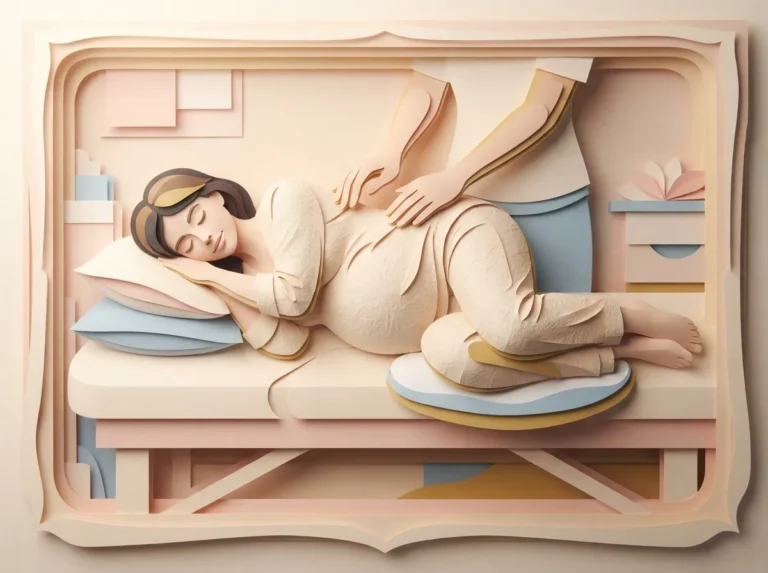
- Pregnant women: Specialized prenatal massage designed for pregnancy-related discomfort
- Athletes and active adults: Sport massage or deep tissue work for training recovery
- Seniors with chronic pain: Gentle, therapeutic sessions focused on flexibility and mobility
- Wellness-focused individuals: A mix of massage and Reiki healing for holistic self-care
Reiki healing, based on the concept of universal life force energy, originated in Japan in the late 1800s. It’s often paired with massage for a fuller sense of relaxation. You can read more about the practice on Reiki Healing if you’re curious about its history and philosophy.
Mistake 6: Overlooking Helpful Add-On Treatments
Many people stick to a basic massage and skip add-ons that could speed up muscle tension release. Two often-overlooked options are Gua Sha and cupping, both available at Luna Massage Studio for just $35 for 15 minutes each.
Add-On Treatments Worth Considering
| Add-On | What It Does | Best For |
|---|---|---|
| Gua Sha | Scrapes the skin’s surface to release tension and stagnant energy | Aches, tight muscles, general stress |
| Cupping | Uses suction to release deep tension and boost blood flow | Inflammation, deep-tissue-style relief |
These add-on treatments can’t be booked alone, but they pair beautifully with any massage session. Our guide on Gua Sha massage therapy explains this ancient technique in more detail.
How to Choose the Right Approach for You
Feeling overwhelmed by all these options? Here’s a simple way to think it through:
- Identify whether your tension is generalized stress or a specific stubborn knot
- Consider how long you’ve had the issue, since chronic tightness may need deep tissue or myofascial work
- Think about your lifestyle, whether it’s prenatal needs, athletic recovery, or senior mobility
- Ask your therapist which add-ons might complement your session
- Book follow-up sessions based on how your body responds, not a random guess
Medical News Today points out that depending on the cause of chronic tightness, massage may be just one of several helpful therapies. That’s why working with an experienced therapist who listens to your specific concerns makes such a difference. Our team has written extensively about this topic, including 12 proven ways to relieve muscle tension if you want even more strategies.
Why Choose Luna Massage Studio in Falls Church
At Luna Massage Studio, we combine deep tissue work, Swedish techniques, sport massage, and Reiki healing to match whatever your body actually needs. Our Falls Church, VA location offers a calming space for busy professionals, expecting moms, athletes, and anyone managing chronic pain.
Curious what other clients think? Check our client reviews, follow us on Instagram for wellness tips, or browse feedback on Yelp. You can also visit us on Google — Luna Massage Studio to see what our Falls Church clients say about their experience.
Frequently Overlooked Details That Make a Difference
Small details matter when it comes to lasting relief. Here are a few things people often forget:
- Drinking water after your session helps flush out released tension and toxins
- Stretching gently in the hours after a deep tissue session supports the results
- Telling your therapist about pain levels helps them adjust pressure appropriately
- Booking consistent appointments works better than sporadic, one-off visits
- Adding aromatherapy to your session, offered free at Luna Massage Studio, can enhance relaxation
These small habits add up. They’re the difference between temporary relief and lasting change in how your body feels day to day.
Ready to Finally Release That Tension?
Muscle tension doesn’t have to be something you just live with. With the right technique, consistent care, and a therapist who actually listens, real relief is possible. Whether you need deep tissue work, Reiki, or a gentle Swedish session, Luna Massage Studio in Falls Church is here to help you feel like yourself again.
Ready to stop wasting time on the wrong approach? Book Now and let’s get your body feeling its best, or reach out to our team with any questions before your visit.
FAQs
Q: What is muscle tension release in massage therapy?
A: It’s the process of using hands-on techniques, like deep tissue work or myofascial release, to loosen tight muscles and fascia. The goal is to reduce pain, improve movement, and help your body relax again. Think of it as giving your muscles permission to let go of stress they’ve been holding onto.
Q: Which massage technique is best for tight muscles?
A: It really depends on your situation! Swedish massage works great for general stress-related stiffness, while deep tissue massage tackles those stubborn, chronic knots. If you’re not sure which one fits, our friendly team can help you decide during your visit.
Q: What is the difference between deep tissue massage and myofascial release?
A: Deep tissue massage uses firmer pressure to reach deeper muscle layers, while myofascial release focuses on gentle, sustained pressure on the fascia surrounding your muscles. Both can work wonders, and sometimes combining them gives the best results.
Q: How often should you get massage for muscle tension?
A: For chronic tension, weekly sessions can help until things improve, while general maintenance often works well with monthly visits. Everybody’s different, so listen to your body and adjust as needed. Consistency really is the secret ingredient here!
Q: Are there any risks or side effects of myofascial release?
A: Good news: myofascial release is generally very safe with few risks. Some people might experience mild discomfort or a reaction to massage oils, but serious side effects are rare. As always, chat with your therapist about any concerns before starting.
Our Service Area