Key Takeaways
-
Muscle tension (hypertonicity) is caused by stress-triggered cortisol release and repetitive strain; regular massage sessions retrain your nervous system to stay relaxed longer, not just provide temporary relief.
-
Different massage techniques target different tension types: deep tissue for chronic tension, Swedish for mild tightness, trigger point therapy for specific knots, and sports massage for athletic recovery.
-
Weekly or bi-weekly massage sessions are ideal for chronic tension, while monthly maintenance sessions prevent tension from rebuilding after initial treatment.
-
Massage works by increasing blood flow, flushing lactic acid buildup, activating your parasympathetic nervous system, and breaking down adhesions that lock muscles in shortened positions.
-
Simple post-massage habits like hydration, gentle stretching, short movement breaks, and deep breathing significantly extend relief and prevent tension from returning within days.
-
Add-on treatments like Gua Sha and cupping can amplify massage results for stubborn tension spots by releasing trapped energy and improving circulation in deep muscle layers.
You finally book that massage. You leave feeling loose, calm, and ten pounds lighter. Then three days later, your shoulders are back up around your ears. Sound familiar? If you’ve ever wondered why muscle tension seems to sneak back into your body no matter how many times you try to work it out, you’re not alone. Here in Falls Church, we hear this question all the time from busy professionals, tired parents, weekend athletes, and folks just trying to feel like themselves again.
The good news is that muscle tension isn’t a mystery. It’s a very real, very treatable pattern in your body, and understanding why it happens is the first step to actually fixing it. At Luna Massage Studio, we see this every single day, and we want to walk you through exactly what’s going on and how to break the cycle for good.
What Muscle Tension Really Means for Your Body
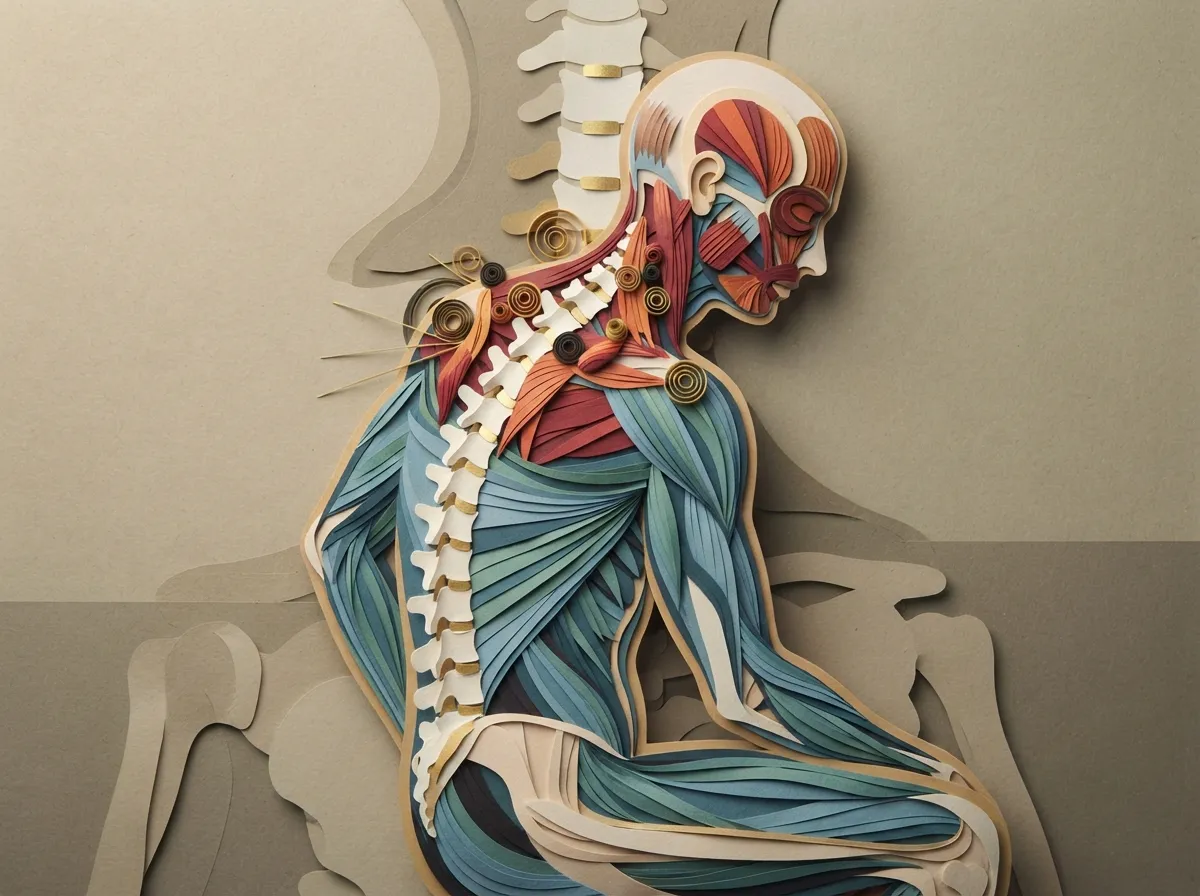
Muscle tension has a real clinical name: hypertonicity. That’s a fancy word for muscle fibers that stay stiff, shortened, and rigid instead of relaxing like they should. This isn’t just annoying, it actually pulls your posture out of alignment and can create a domino effect of aches throughout your body.
Think of your muscles like rubber bands. A healthy rubber band stretches and springs back easily. A tense muscle is like a rubber band that’s been left in the sun too long. It’s tight, brittle, and doesn’t want to move the way it should. That stiffness is what causes the achy, knotted feeling so many of us carry in our necks, shoulders, and lower backs.
The Stress Connection You Might Be Missing
Here’s something a lot of people don’t realize. Stress and muscle tension are best friends, and not in a good way. When you’re stressed, your body releases a hormone called cortisol. This hormone is directly linked to increased muscle tension and those stubborn knots that seem to form overnight.
So if you’re a busy professional juggling deadlines, meetings, and a never-ending inbox, your body may be holding onto tension you don’t even notice until it turns into a full-blown headache or backache. This is exactly why so many of our clients book evening or weekend appointments just to hit the reset button before things spiral.

How Massage Therapy Actually Relieves Muscle Tension
Massage isn’t just a nice treat, it’s a legitimate tool for changing what’s happening inside your muscles. Here’s how it works, step by step:
- Pressure and movement increase blood flow to the tight area, delivering fresh oxygen and nutrients.
- Better circulation helps flush out lactic acid and waste products that build up and cause soreness.
- The physical manipulation raises tissue temperature, making muscle fibers more pliable and easier to release.
- Sustained pressure helps break down adhesions and scar tissue that keep muscles locked in a shortened position.
- Touch activates your parasympathetic nervous system, shifting your body out of stress mode and into relaxation mode.
This last point matters more than people realize. Your nervous system controls whether your muscles are tense or relaxed. A skilled therapist isn’t just pushing on sore spots, they’re helping your whole body remember how to calm down.
Closing the Pain Gate
There’s an interesting theory behind why massage feels so good when you’re in pain. It’s called the pain gate theory, and it suggests that massage may relieve pain by stimulating competing nerve fibers that block pain signals from reaching your brain. In simple terms, the good sensations of massage can crowd out the bad ones. It’s one more reason a session at Deep Tissue Massage can leave you feeling like a weight has been lifted.
Which Massage Technique Works Best for Your Tension
Not all muscle tension is created equal, and neither are massage techniques. Choosing the right one can make a huge difference in how quickly you feel relief.
| Technique | Best For | How It Helps |
|---|---|---|
| Deep Tissue Massage | Deeply rooted, chronic tension | Uses slow, firm pressure to reach inner muscle layers and connective tissue |
| Swedish Massage | General stress and mild tightness | Long, gliding strokes promote relaxation and circulation |
| Sport Massage | Athletes and active adults | Targets overworked muscles and speeds up recovery |
| Trigger Point Therapy | Chronic tightness from poor posture | Applies focused pressure to release specific muscle knots |
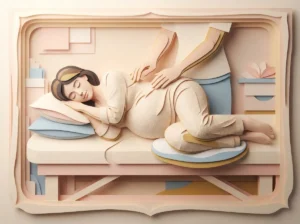
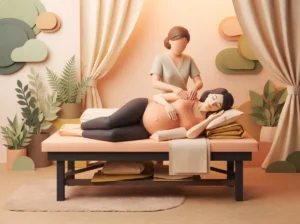
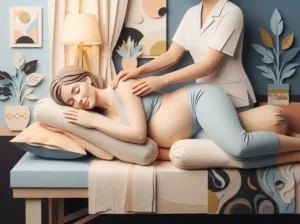
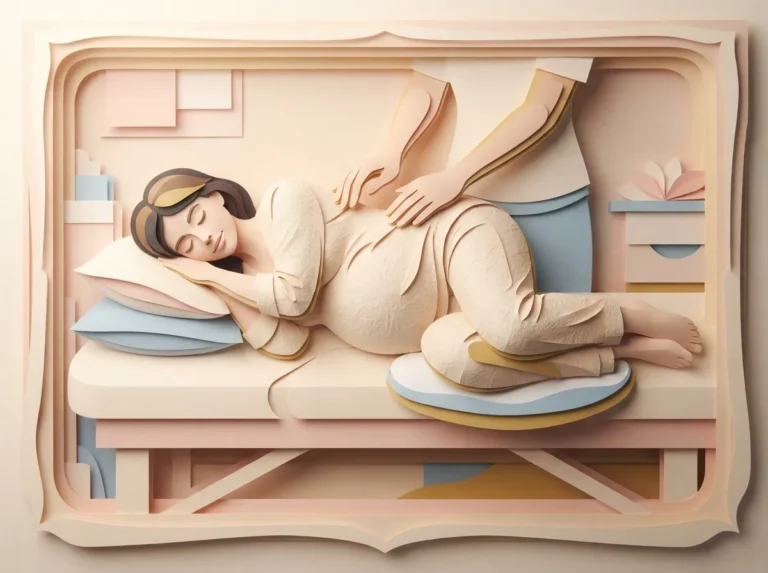
| Prenatal Massage | Pregnancy-related tension | Uses safe positioning to ease strain on the back, hips, and legs |
If you carry most of your tension deep in your shoulders or lower back, Deep Tissue Massage Techniques Unlocking Relief At Luna Massage Studio can walk you through exactly what to expect from that treatment. For those who prefer a gentler approach, our Swedish Massage option is a wonderful starting point.
Trigger Points: The Knots Behind Your Pain
Trigger points are small, tight bands within a muscle that feel like little pebbles under the skin. They’re often caused by repetitive strain, like sitting at a desk all day or gripping a phone between your ear and shoulder. Trigger point therapy is particularly effective here because it targets these exact spots instead of just working the whole muscle in general.
If you’ve ever felt a sore spot that seems to radiate pain elsewhere, like a tight neck muscle causing a headache, that’s a classic trigger point at work. Learn more about this approach in Trigger Point Massage: Relief for Muscle Knots and Pain.
Muscle Tension Solutions for Every Stage of Life
Muscle tension doesn’t look the same for everyone, and neither should your treatment plan. Let’s break down what tends to work best depending on your lifestyle.
For Busy Professionals
- Evening or weekend appointments that fit around a packed calendar
- Deep tissue work to release tension built up from long hours at a desk
- Stress-reducing techniques that calm the nervous system before it leads to burnout
If your job keeps you glued to a screen, tension in your neck and shoulders is probably no stranger to you. Regular sessions can help prevent that tightness from becoming a chronic problem.
For Pregnant Women
- Specialized positioning that keeps both mom and baby comfortable
- Gentle pressure that eases strain on the lower back and hips
- Techniques designed to reduce swelling and promote relaxation
Carrying extra weight changes your posture and puts new stress on muscles that aren’t used to it. Our Prenatal Massage service is built specifically for these changing needs, and you can read more in Prenatal Massage in Alexandria VA: What Every Mom Should Know.
For Athletes and Active Adults
- Sport massage to address overused muscles from training
- Deep tissue techniques that speed up recovery time
- Add-on treatments like cupping to boost circulation in problem areas
If you’re logging miles on the trail or spending hours at the gym, tension can build fast. Check out Discover The Benefits Of Sports Massage For Muscle Pain for a deeper look at how this works.
For Seniors With Chronic Pain
- Gentle, therapeutic pressure that improves flexibility without discomfort
- Consistent sessions to manage arthritis-related stiffness
- Techniques that support better mobility for everyday activities
Chronic tension can make daily tasks feel harder than they should. Our guide on Can Massage Help With Chronic Pain Heres What You Should Know offers helpful insight for anyone managing ongoing discomfort.
For Wellness-Focused Individuals
- A holistic approach that combines massage with Reiki healing
- Preventative care that keeps tension from building up in the first place
- Add-ons like Gua Sha to support the body’s natural healing process
If self-care is already part of your routine, adding Reiki Healing can round out your wellness plan beautifully. This gentle energy work, which you can read more about on Wikipedia’s overview of Reiki, pairs wonderfully with traditional massage for a full mind-body reset.
How Often Should You Get a Massage for Muscle Tension
This is one of the most common questions we get, and the answer really depends on what you’re dealing with.
- Weekly sessions are ideal for chronic tension, ongoing pain, or high-stress lifestyles.
- Bi-weekly sessions work well for people managing moderate tension or recovering from an injury.
- Monthly sessions are perfect for general maintenance, stress relief, and keeping tension from building back up.
The key is consistency. One massage can help you feel better for a few days, but regular sessions actually retrain your muscles and nervous system to stay relaxed longer.
Simple Self-Care Habits That Support Your Massage Results
Getting a massage is a great start, but a few small habits can help you hold onto those results longer.
- Drink plenty of water after your session to help flush out released toxins
- Stretch gently in the days following your massage
- Take short breaks during the day to roll your shoulders and stretch your neck
- Apply heat to particularly stubborn areas between sessions
- Practice deep breathing to keep your nervous system calm
These habits won’t replace professional treatment, but they can definitely extend the relief you feel after a session.
Add-On Treatments That Boost Tension Relief
Sometimes a massage alone isn’t quite enough, especially for really stubborn spots. That’s where add-ons come in handy.
| Add-On | Time | Price | Best For |
|---|---|---|---|
| Gua Sha | 15 min | $35 | Scraping away tension and toxic buildup near the skin’s surface |
| Cupping | 15 min | $35 | Releasing deep tension and improving blood flow |
| Aromatherapy | Free add-on | Included | Enhancing relaxation with calming scents |
Gua Sha has been used for thousands of years to relieve aches and reduce tight muscles, and it pairs beautifully with a deep tissue session. Cupping works similarly by applying gentle suction to release energy trapped deep within the muscle. Learn more in What Is Cupping Therapy and How Can It Help You? and Gua Sha Massage Therapy: Ancient Healing for Modern Pain.
Why Choosing the Right Studio Matters
Not every massage experience is created equal, and where you go really does make a difference. A skilled, licensed therapist knows how to read your body and adjust pressure to your specific needs, rather than using a one-size-fits-all approach.
At Luna Massage Studio in Falls Church, VA, we take pride in offering personalized care for every client who walks through our door. Whether you need help winding down after a stressful week or recovering from an intense training session, we tailor each visit to what your body actually needs. You can see what our Luna Massage Studio clients have to say by checking our Reviews page, or follow along with us on Instagram for wellness tips and studio updates.
We also encourage you to read honest feedback from our community on Yelp, and check out what our Luna Massage Studio customers say on Visit us on Google — Luna Massage Studio.
Bringing It All Together
Muscle tension may feel like an endless cycle, but it doesn’t have to control your life. With the right combination of massage technique, consistent scheduling, and a few smart self-care habits, you really can break free from that constant tightness. Whether you’re a busy executive needing an evening reset, an expecting mother looking for gentle relief, or an athlete chasing faster recovery, there’s a treatment plan built just for you.
Your body works hard every single day, so give it the care it deserves. If you’re ready to finally get ahead of your muscle tension instead of just reacting to it, why not Book Now and feel the difference for yourself? Or if you have questions about which treatment fits your needs best, feel free to Get in Touch with Our Team today. We can’t wait to help you feel like yourself again.
FAQs
Q: What is the difference between muscle tension and muscle tightness?
A: Great question, and one we get a lot! Muscle tension usually refers to that hypertonicity we talked about, where muscle fibers stay contracted even at rest. Muscle tightness is often more about limited flexibility or range of motion, though the two frequently show up together and respond really well to the same massage techniques.
Q: How does deep tissue massage reduce muscle tension compared to Swedish massage?
A: Deep tissue massage uses slow, firm pressure to reach those stubborn inner muscle layers, making it perfect for chronic, deep-rooted tension. Swedish massage uses lighter, gliding strokes that are wonderful for general relaxation and mild tightness. Both are effective, it just depends on how deep your tension really goes.
Q: What are trigger points and how does massage therapy release them?
A: Trigger points are those tiny, tight knots you can actually feel under your skin, often caused by repetitive strain or poor posture. A skilled therapist applies focused pressure directly to these spots, helping the muscle fibers finally let go and relax.
Q: What is the recommended frequency of massage for chronic muscle tension?
A: If you’re dealing with chronic tension, weekly or bi-weekly sessions tend to work best to really break the cycle. For general maintenance and stress relief, monthly visits are usually enough to keep things feeling good.
Q: Can massage therapy improve posture by reducing muscle tension?
A: Absolutely, and it’s one of our favorite benefits to see in clients! When tight muscles relax, your body naturally realigns itself, making it easier to stand and sit the way you’re meant to. Over time, regular massage can genuinely help retrain your posture for the better.
Our Service Area