Key Takeaways
-
Book massage sessions consistently (monthly minimum) rather than as a one-time fix; your body responds best to routine care like exercise, with more frequent visits needed for chronic pain or injury recovery.
-
Match your massage type to your specific needs: Swedish for stress relief, deep tissue for chronic pain, sport massage for athletic recovery, and Reiki or aromatherapy for emotional wellness.
-
Schedule massages proactively before pain develops rather than reactively; preventive massage prevents tension headaches and injuries from worsening, making recovery faster and easier.
-
Stay properly hydrated before and after sessions (16 oz beforehand, 2-3 glasses after) to support circulation and help your lymphatic system flush out toxins released during the massage.
-
Communicate clearly with your therapist about injuries, health conditions, pressure preferences, and emotional stressors to ensure personalized treatment that addresses your complete wellness picture.
-
Enhance results with affordable add-on treatments like cupping ($35), gua sha ($35), or free aromatherapy massage to deepen relaxation and address both physical and emotional wellness simultaneously.
You’re doing everything right — or so you think. You’re booking massages, trying to de-stress, and making time for self-care. But somehow, you still feel tense, tired, or off-balance. Sound familiar? The truth is, many people unknowingly sabotage their own mind body wellness journey by making a handful of common mistakes. And the good news? Every single one of them is fixable.
Mind body wellness in massage therapy isn’t just a buzzword. It’s a real, research-backed approach that connects your physical health with your emotional and mental well-being. According to a 2026 industry analysis citing AMTA research, 79% of people who get massages do so for health or wellness reasons — not just relaxation. And 30% specifically cite stress reduction as their primary motivation. That tells us something important: people are waking up to the power of massage as a true wellness tool.
So let’s look at the 8 mistakes that could be holding you back — and how to turn things around starting today.

Mistake 1: Treating Massage as a One-Time Fix
One of the biggest mind body wellness mistakes is thinking a single massage will solve everything. It won’t — and that’s okay! Think of massage the same way you think about exercise. One workout doesn’t transform your body. Regular, consistent sessions are what create lasting change.
Whether you’re managing chronic stress, muscle tension, or anxiety, your body responds best to routine care. Most wellness professionals recommend monthly sessions at a minimum, with more frequent visits for specific goals like injury recovery or chronic pain management. Check out 9 Relaxation Massage Benefits You Need to Know in 2026 to understand why consistency matters so much.

Mistake 2: Choosing the Wrong Massage Type for Your Needs
Not all massages are created equal. Booking a Swedish massage when you need deep muscle work — or going straight into deep tissue massage when you’re just looking to relax — can leave you feeling worse, not better.
Here’s a quick guide to help you match your needs with the right modality:
| Your Goal | Best Massage Type | Duration Suggestion |
|---|---|---|
| Stress relief and relaxation | Swedish Massage | 60–90 minutes |
| Chronic pain and deep muscle tension | Deep Tissue Massage | 75–90 minutes |
| Athletic recovery and performance | Sport Massage | 60–75 minutes |
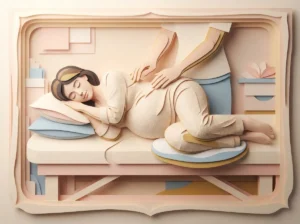
| Pregnancy discomfort and fatigue | Prenatal Massage | 60–75 minutes |
| Energy balance and emotional wellness | Reiki Healing | Flat rate session |
| Mood and sensory relaxation | Aromatherapy Massage | Add-on to any massage |
Take time to communicate your goals before every session. A skilled therapist will always help guide you. You can also explore what massage therapy services are right for you to make a more informed choice.

Mistake 3: Ignoring the Mental Health Side of Wellness
Mind body wellness means exactly what it says — both mind AND body. Many people focus entirely on physical symptoms like back pain or tight shoulders, forgetting that mental and emotional health plays an equal role. Stress, anxiety, and emotional burnout all show up in your body as physical tension.
Massage therapy has a remarkable ability to address both sides at once. Touch activates the parasympathetic nervous system, lowering cortisol (the stress hormone) and boosting serotonin and dopamine. The result? You feel calmer, clearer, and more emotionally balanced after a good session. For a deeper look at this connection, learn how massage for stress relief actually works.
For those dealing with deeper energetic imbalances, practices like Reiki healing can complement massage beautifully. Reiki Healing is a Japanese energy therapy developed by Mikao Usui that works by channeling universal life force energy through the practitioner’s hands — supporting emotional balance, reducing stress, and promoting a deep sense of inner calm.

Mistake 4: Skipping Add-On Treatments That Amplify Results
Most people book a standard massage and leave it at that. But add-on treatments can significantly deepen your mind body wellness outcomes — and they’re often more affordable than people expect.
Consider these powerful options:
- Gua Sha ($35 add-on): An ancient technique that scrapes tension and toxic energy from the skin’s surface. Great for muscle stiffness, stress, and even boosting immunity.
- Cupping ($35 add-on): Applies targeted suction to release deep-seated tension, improve blood flow, and support relaxation. Think of it as deep tissue work from the inside out. Learn what cupping therapy can do for you.
- Aromatherapy Massage (FREE): Add this to any session at no extra charge. Essential oils work on your limbic system — the emotional center of the brain — to deepen relaxation and mood support.
These treatments aren’t extras — they’re smart investments in your overall wellness. Explore all available massage add-ons to find what fits your goals.
Mistake 5: Not Hydrating Before and After Your Session
This one sounds simple, but it’s surprisingly common. Massage increases circulation and helps flush metabolic waste from your muscles. Without proper hydration, that process is sluggish — and you’re more likely to feel sore or foggy afterward.
Here’s what proper pre- and post-massage hydration looks like:
- Drink at least 16 oz of water 1–2 hours before your session. This prepares your tissues and helps your therapist work more effectively on tight muscles.
- Avoid alcohol before your massage. Alcohol dehydrates the body and can interfere with relaxation and circulation.
- Drink 2–3 glasses of water immediately after your session. This helps your lymphatic system clear out the toxins and metabolic byproducts that massage releases.
- Rest if possible. Give your body time to process the work done. Even 30 minutes of quiet rest amplifies the benefits.
Mistake 6: Communicating Too Little with Your Therapist
Your massage therapist isn’t a mind reader — though sometimes it might feel like they are! If you don’t speak up about what you need, you may leave a session feeling underwhelmed or even uncomfortable.
Good communication includes:
- Telling your therapist about any injuries, surgeries, or health conditions
- Specifying the areas that need the most attention
- Speaking up about pressure — too light or too firm
- Mentioning emotional stressors that might be contributing to physical tension
- Sharing whether you prefer a quiet session or light conversation
Your therapist is your partner in wellness. The more they know, the better your results. Read 12 things to know before visiting a massage therapy studio to feel fully prepared for your next appointment.
Mistake 7: Overlooking Holistic and Energy-Based Approaches
Many people limit their mind body wellness routine to physical massage alone. But true holistic wellness often calls for a broader approach — one that addresses your energy, emotions, and nervous system, not just your muscles.
The global body, mind, and energy healing market was estimated at $78.58 billion in 2023, and it’s projected to reach nearly $394.73 billion by 2030 (Grand View Research). That kind of growth signals a major cultural shift. More people are recognizing that physical wellness and energetic/emotional wellness go hand in hand.
Here’s a comparison of physical and energetic wellness approaches:
| Approach | Primary Benefit | Best For |
|---|---|---|
| Swedish Massage | Physical relaxation and circulation | Stress relief, first-time clients |
| Deep Tissue Massage | Pain relief and muscle recovery | Chronic tension, athletes |
| Reiki Healing | Energy balance and emotional calm | Anxiety, burnout, spiritual wellness |
| Aromatherapy Massage | Mood and sensory support | Emotional wellness, better sleep |
| Cupping / Gua Sha | Deep tension release and detox | Stiffness, recovery, circulation |
If you’ve never tried energy work, discover how Reiki healing in Virginia can restore your energy flow. It might be the missing piece in your wellness puzzle.
Mistake 8: Waiting Until You’re in Pain to Book a Session
This is perhaps the most common mind body wellness mistake of all. Too many people treat massage as a reaction to pain rather than a tool for prevention. They wait until stress has built into a tension headache, or until muscle tightness turns into a full-blown back injury. By then, recovery takes much longer.
Preventive massage is where the real magic happens. Research shows that complementary health approaches — including massage — increased from 19.2% of the population in 2002 to 36.7% in 2022 (NIH-related summary via Grand View Research). More people are finally treating massage as a proactive part of their wellness routine, not just a reactive fix.
Here’s what a smart preventive massage schedule might look like based on your lifestyle:
| Lifestyle / Goal | Recommended Frequency | Suggested Massage Type |
|---|---|---|
| High-stress professional | Every 2–3 weeks | Swedish or Deep Tissue |
| Active athlete or gym-goer | Every 1–2 weeks | Sport Massage |
| Pregnant woman (2nd/3rd trimester) | Every 2–4 weeks | Prenatal Massage |
| Senior with chronic pain | Every 2–4 weeks | Swedish or Deep Tissue |
| General wellness maintenance | Once a month | Swedish or Aromatherapy |
Don’t wait for pain to push you through the door. Schedule your sessions proactively and let your body thank you later. Explore the difference between wellness and clinical massage to find the best fit for your stage of life.
Quick Reference: What Mind Body Wellness in Massage Really Involves
Still not sure where to start? Here’s a simple breakdown of what a well-rounded mind body wellness plan through massage therapy looks like:
- Choose the right massage modality based on your physical, emotional, and recovery needs.
- Book sessions consistently — not just when something hurts.
- Add complementary treatments like Reiki, cupping, or aromatherapy to deepen results.
- Communicate openly with your therapist about your goals and comfort level.
- Support your sessions with hydration, rest, and healthy lifestyle habits.
- Track your progress over time and adjust your routine as your needs change.
The path to true mind body wellness isn’t complicated. It just requires intention, consistency, and a little guidance from the right team.
Your Next Step Toward Better Mind Body Wellness
At Luna Massage Studio in Falls Church, VA, the team is passionate about helping clients achieve genuine, lasting wellness — not just a quick fix. Whether you’re a busy professional unwinding after a long week, an athlete recovering from intense training, an expectant mom seeking relief, or someone simply ready to prioritize their health, there’s a tailored approach waiting for you.
Check out what real clients are saying by visiting Luna Massage Studio reviews, or connect with the studio on Instagram and Yelp to see the latest updates and client experiences. You can also visit Luna Massage Studio on Google to find location details and read even more community reviews.
Your mind and body are deeply connected. When you take care of one, you take care of both. Don’t let these common mistakes stand between you and the wellness you deserve. Schedule your massage session today and take the first real step toward a healthier, more balanced you.
FAQs
Q: What does mind body wellness mean in massage therapy?
A: Mind body wellness in massage therapy means treating your physical and mental health as one connected system. Rather than just working on sore muscles, a holistic massage session also helps reduce stress hormones, improve mood, and restore emotional balance — so you leave feeling better inside and out!
Q: How often should I get a massage for mind body wellness?
A: It really depends on your lifestyle and goals! Most people benefit from at least one massage per month for general wellness maintenance. If you’re managing chronic stress, pain, or an active training schedule, every one to three weeks tends to deliver the best results. Think of it as routine care for your whole self, not just a treat.
Q: Which massage techniques are best for mental and emotional wellness?
A: Swedish massage is a wonderful starting point — its long, flowing strokes calm the nervous system and melt away stress. Aromatherapy massage (free as an add-on!) enhances mood through essential oils. For deeper emotional balance, Reiki healing works beautifully alongside massage to restore your body’s natural energy flow.
Q: Can massage therapy really help with anxiety and stress?
A: Absolutely — and the science backs it up! Massage activates the parasympathetic nervous system, reducing cortisol and boosting feel-good hormones like serotonin and dopamine. In fact, 30% of people who seek massage therapy specifically cite stress reduction as their reason, according to AMTA-referenced research from 2026.
Q: Is massage therapy considered part of holistic or integrative health care?
A: Yes, and that’s a growing trend! Massage is increasingly recognized as a legitimate part of complementary and integrative health care — not just a luxury. Usage of complementary health approaches like massage has nearly doubled since 2002, showing that more people are weaving it into their long-term preventive wellness routines.