Key Takeaways
-
Deep tissue massage and trigger point therapy are the most effective techniques for sciatica, targeting tight muscles in the glutes, piriformis, and lower back that compress the sciatic nerve and cause radiating pain.
-
Research shows consistency matters: start with weekly sessions for 3-4 weeks to reduce acute inflammation, then transition to biweekly or monthly maintenance sessions for lasting relief.
-
Massage relieves sciatica by relaxing muscle tension around the irritated nerve rather than fixing underlying structural issues like herniated discs, giving the nerve room to calm down.
-
Key treatment areas include the piriformis muscle, lower back, hamstrings, hips, and calves—tight areas that directly contribute to sciatic nerve compression and referred leg pain.
-
Speak up immediately during massage if you experience sharp shooting pain, increased tingling, or numbness, as aggressive pressure on the wrong spot can worsen symptoms.
-
Combine massage with gentle stretching, improved posture, regular movement breaks, and physical therapy for best results; see a doctor if you have sudden weakness, bladder loss, or pain unresponsive to weeks of treatment.
That sharp, shooting pain running from your lower back down through your hip and leg. If you know it, you know it’s no joke. Sciatica can turn simple things like sitting at your desk or bending down to tie your shoes into painful challenges. The good news? Many people find real comfort through targeted massage therapy, and it might be easier to access than you think, right here in Falls Church.
At Luna Massage Studio, we work with busy professionals, active adults, pregnant women, and folks managing chronic pain who all want the same thing: relief that actually works. This guide walks you through how sciatica pain relief through massage works, what techniques help most, and how to know when it’s time to book a session.
What Is Sciatica and Why Does It Hurt So Much?
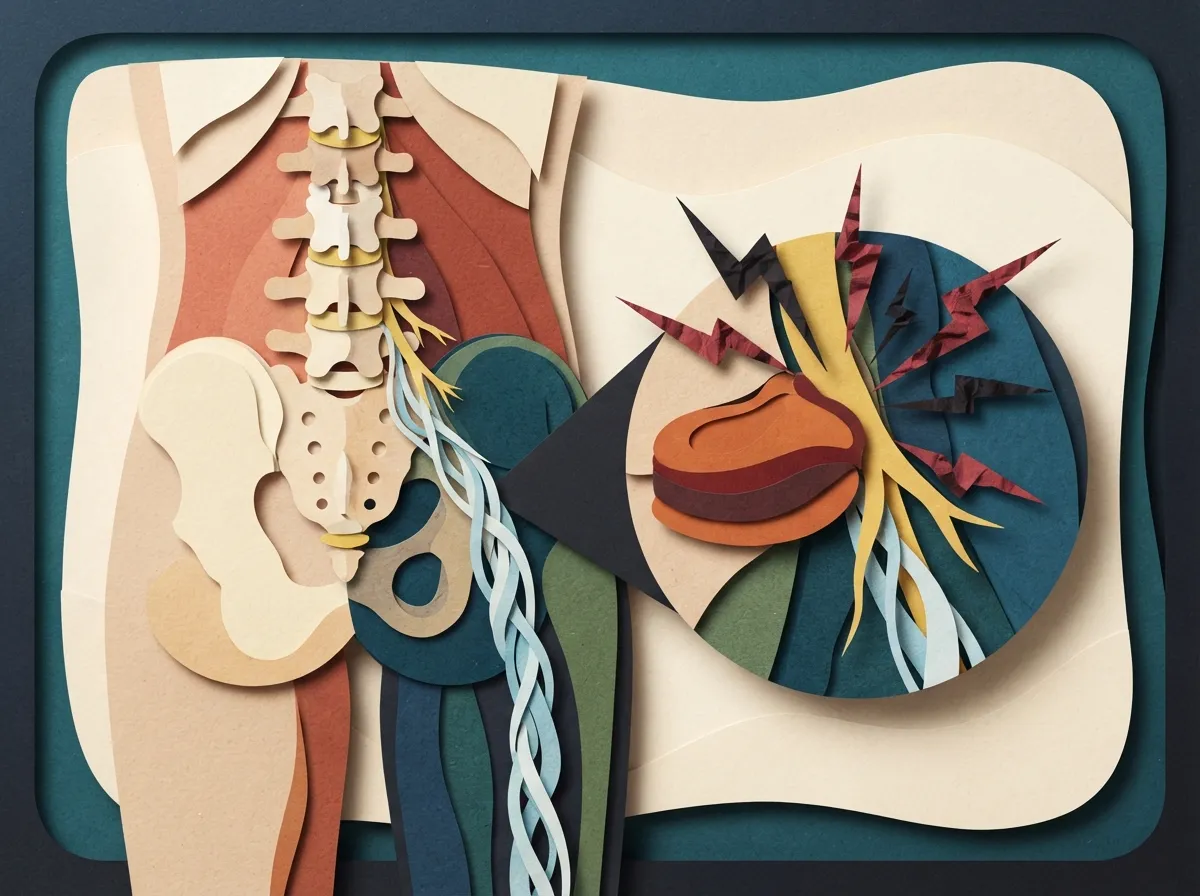
Sciatica happens when the sciatic nerve gets irritated or compressed. This nerve runs from your lower back, through your hips and glutes, and down each leg. When something presses on it, like a tight muscle or a herniated disc, you feel pain, tingling, or numbness along that path.
Common causes include:
- Tight or spasming piriformis muscle (a small muscle deep in the glutes)
- Herniated or bulging spinal discs
- Prolonged sitting, especially for desk workers
- Pregnancy-related pelvic and muscle changes
- Muscle imbalances from repetitive movement or sports training
Whatever the root cause, the pain often gets worse because surrounding muscles tighten up in response. That’s where massage therapy steps in.

How Massage Therapy Helps With Sciatica Symptoms
Massage doesn’t fix a herniated disc or reverse spinal changes. But it can ease the muscle tension that makes sciatica pain worse. Think of it as loosening the grip around an irritated nerve so it has room to calm down.
According to the American Massage Therapy Association, relaxing tight muscles around the sciatic nerve pathway can reduce the pressure causing pain. This is why many massage therapists focus heavily on the glutes, hips, hamstrings, and lower back during sciatica-focused sessions.
Key Areas Massage Therapists Target
- Glutes and piriformis: This small muscle sits right near the sciatic nerve. When it’s tight, it can pinch the nerve directly.
- Lower back muscles: Tension here often refers pain down the leg.
- Hamstrings: Tight hamstrings pull on the pelvis and can worsen nerve compression.
- Hips: Restricted hip mobility often contributes to sciatic nerve irritation.
- Calves: Sometimes overlooked, but tension here can extend sciatic-related discomfort.
Best Massage Techniques for Sciatica Pain Relief
Not all massage styles work the same way for sciatica. Some techniques go deeper and target specific trouble spots, while others focus on overall relaxation that supports healing.
Deep Tissue Massage
Deep tissue massage uses firm, slow pressure to reach the deeper layers of muscle and connective tissue. This is often the go-to choice for sciatica because it can release the chronic tightness that builds up around the sciatic nerve. Our guide on deep tissue massage techniques breaks down exactly how this approach works.
Trigger Point Therapy
Trigger points are tight knots in muscle tissue that can send pain radiating to other areas, even mimicking sciatica symptoms. A therapist applies focused pressure to these knots to release them. Learn more in our piece on trigger point massage for muscle knots and pain.
Myofascial Release
This gentle technique targets the fascia, the connective tissue wrapping around muscles. When fascia gets tight or stuck, it can pull on nearby structures, including the sciatic nerve. Our article on myofascial release explains why this method is so effective for chronic tension patterns.
Sport Massage
For athletes and active adults dealing with sciatica from overtraining or muscle imbalance, sport massage combines stretching and deep pressure to restore proper movement patterns and reduce nerve compression.
What the Research Says About Massage and Sciatica
You don’t have to just take our word for it. Clinical research backs up what many massage clients already feel.
| Study or Source | Finding |
|---|---|
| Clinical report on deep tissue massage | 30-minute sessions, five times weekly for two weeks, effectively treated low back pain and sciatica |
| Massage research summary | 30 minutes of daily massage for five days provided effective sciatica pain relief |
| PubMed-indexed case study | Client with low back pain and sciatica symptoms showed reduced pain intensity and improved range of motion after massage |
| Massage Envy-cited study | Ten weeks after massage, over one-third of recipients reported pain was completely or nearly gone |
These numbers are encouraging, but they also point to something important: consistency matters. A single massage might feel great, but a series of sessions tends to produce longer-lasting results, according to Healthline’s overview of massage for sciatic nerve pain.
How Often Should You Get Massage for Sciatica?
There’s no single answer that fits everyone. It depends on how severe your symptoms are and how your body responds to treatment. That said, here’s a general approach many massage therapists recommend:
- Start with weekly sessions for the first three to four weeks to calm acute inflammation and tension.
- Move to biweekly sessions as symptoms improve, focusing on maintenance and prevention.
- Continue monthly sessions long-term if you have a history of recurring sciatica or sit for long hours at work.
- Combine massage with gentle stretching or movement between sessions for the best results.
- Reassess with your therapist regularly to adjust the plan based on progress.
If you’re not sure where to start, our team can walk you through a plan during a consultation. Feel free to reach out to our studio with questions about scheduling.
Massage and Sciatica: Who Benefits Most?
Sciatica doesn’t discriminate by age or lifestyle, but certain groups tend to feel it more often.
- Busy professionals who sit for long hours often develop tight hips and glutes that compress the sciatic nerve.
- Pregnant women experience pelvic shifts and added weight that can irritate the nerve; our prenatal massage services are designed with this in mind.
- Athletes and active adults may develop sciatica from muscle imbalances or overuse injuries.
- Seniors often deal with sciatica linked to arthritis or spinal degeneration, where gentle, consistent massage can improve mobility.
- Wellness-focused individuals use regular massage as part of a broader prevention plan, catching muscle tightness before it turns into nerve pain.
What to Expect During a Sciatica-Focused Massage Session
If you’ve never had a massage specifically for sciatica, here’s what typically happens:
- Your therapist will ask about your symptoms, when they started, and what makes them worse or better.
- They’ll assess areas of tightness in your glutes, hips, lower back, and legs.
- Deep tissue or trigger point techniques are applied to key muscle groups, adjusting pressure based on your comfort.
- You’ll be asked to communicate any tingling, numbness, or sharp pain immediately, since this can signal direct nerve irritation.
- The session may end with lighter strokes to calm the nervous system and promote relaxation.
Many clients also add Gua Sha or cupping to their session. These techniques can help release surface tension and improve circulation around tight muscle groups, complementing the deeper massage work.
Can Massage Make Sciatica Worse?
In rare cases, yes, if the pressure is too aggressive or applied in the wrong spot. That’s why choosing a licensed, experienced therapist matters so much. A trained professional knows how to read your body’s signals and adjust technique accordingly.
Warning signs to watch for during a session include:
- Sharp, shooting pain that wasn’t there before
- Numbness or tingling that increases during treatment
- Pain that lingers or worsens significantly after the session
If any of these happen, speak up right away. A good therapist will adjust pressure or technique immediately. This is one reason working with a licensed massage therapist matters so much when dealing with nerve-related pain.
Combining Massage With Other Wellness Practices
Massage works best as part of a bigger picture. Many of our clients pair regular sessions with:
- Gentle stretching routines recommended by their therapist or physical therapist
- Improved posture habits at work or home
- Reiki healing sessions to support relaxation and reduce stress-related muscle tension
- Regular movement breaks throughout the day, especially for desk-bound professionals
Our Reiki healing service is a popular add-on for clients managing chronic pain, since stress and muscle tension are often linked. You can read more about how this ancient practice works on Reiki healing’s history and philosophy.
Pricing Snapshot for Sciatica-Focused Sessions
| Service | 60 min | 75 min | 90 min |
|---|---|---|---|
| Deep Tissue Massage | $125 | $145 | $165 |
| Sport Massage | $125 | $145 | $165 |
| Prenatal Massage | $125 | $145 | $165 |
| Reiki Healing | $125 flat rate | ||
Add-ons like Gua Sha or cupping are available for $35 per 15-minute session and pair well with any massage focused on sciatica relief.
When to See a Doctor Instead of (or Alongside) Massage
Massage is a wonderful supportive tool, but it isn’t a substitute for medical care in every case. Talk to a doctor if you experience:
- Sudden loss of bladder or bowel control
- Severe weakness in your leg or foot
- Pain following a serious injury or fall
- Symptoms that don’t improve after several weeks of conservative care
Many clients successfully use massage alongside physical therapy or medical treatment, not instead of it. Your care team can help you figure out the right combination for your situation.
Why Falls Church Residents Choose Luna Massage Studio
We’ve built our practice around helping real people feel better in their bodies, whether that’s a busy professional who needs stress relief after a long week, or someone managing sciatica pain that’s been nagging for months. Our therapists take time to understand your specific pain patterns before diving into treatment.
Curious what other clients have experienced? Check out our client reviews, follow us on Instagram for wellness tips, or browse feedback on Yelp. You can also see what our Luna Massage Studio community says by checking out Visit us on Google — Luna Massage Studio.
Ready to Find Relief?
Sciatica pain doesn’t have to control your daily life. With the right combination of deep tissue work, trigger point therapy, and consistent care, many people find real, lasting comfort. Whether you’re dealing with your first flare-up or managing a long-term issue, our team at Luna Massage Studio in Falls Church is here to help you feel like yourself again.
Ready to take the next step toward relief? Book your session today and let’s create a plan that works for your body and your life.
FAQs
Q: Does massage help sciatica pain?
A: Yes, many people find real relief through massage! It works by relaxing tight muscles around the sciatic nerve, especially in the glutes and lower back, which can ease the pressure causing your pain. It’s not a permanent cure, but it can bring wonderful short-term comfort and support your overall healing journey.
Q: What type of massage is best for sciatica?
A: Deep tissue massage and trigger point therapy are usually the top picks for sciatica relief. These techniques get into those deeper muscle layers and stubborn knots that tend to irritate the sciatic nerve. Myofascial release can also work beautifully alongside these methods.
Q: Can massage make sciatica worse?
A: It’s rare, but pressure that’s too aggressive or applied in the wrong spot can sometimes aggravate symptoms. That’s why we always encourage open communication with your therapist during your session. If you feel any tingling, numbness, or sharp pain, just speak up right away so we can adjust.
Q: How often should you get massage for sciatica?
A: Many clients start with weekly sessions for the first few weeks, then move to biweekly or monthly visits as things improve. Everyone’s body responds differently, so we love working with you to figure out a rhythm that feels right for your healing.
Q: When should someone with sciatica see a doctor instead of getting massage?
A: If you notice sudden weakness in your leg, loss of bladder control, or pain that just won’t budge after weeks of care, please reach out to a doctor. Massage works wonderfully as a supportive treatment, but some symptoms need medical attention alongside your wellness routine.
Our Service Area