Key Takeaways
-
NCCIH reports no scientific evidence for the proposed 'life force energy' field, so Reiki is best seen as a complementary practice, not a medical treatment.
-
Research suggests Reiki may reduce anxiety and stress; a 2024 meta-analysis of 13 controlled studies found a significant anxiety reduction, though many studies are small or low quality.
-
Reiki has not been clearly shown to work for any health-related purpose, so it should never replace care from a doctor.
-
Reiki is low risk and fully clothed, with no medication or strong pressure; you can choose hands-on or hands-off and stop at any time.
-
Reiki and massage complement each other: massage addresses muscle tension, while Reiki promotes deep relaxation, so some people book massage first, then Reiki.
-
When choosing a practitioner, ask about training, avoid anyone making big medical claims, and make sure you get clear consent over your level of touch.
If you have ever wondered what happens during a Reiki session, you are not alone. Many people walk into a quiet room, lie down fully clothed, and leave feeling lighter, calmer, and more rested. So how does Reiki energy healing help the body? The honest answer has two parts. Practitioners say Reiki supports your own natural healing response. Science, meanwhile, shows that it may help with relaxation, stress, and anxiety, even though the “energy” idea has not been proven.
In this guide, we keep things simple and honest. You will learn what Reiki is, what a session feels like, what the research really says, and who might enjoy it most. Whether you are a busy professional, an expectant mom, an athlete, a senior with sore joints, or someone who loves holistic self-care, this article will help you decide if Reiki fits your wellness routine.
What Is Reiki Energy Healing?
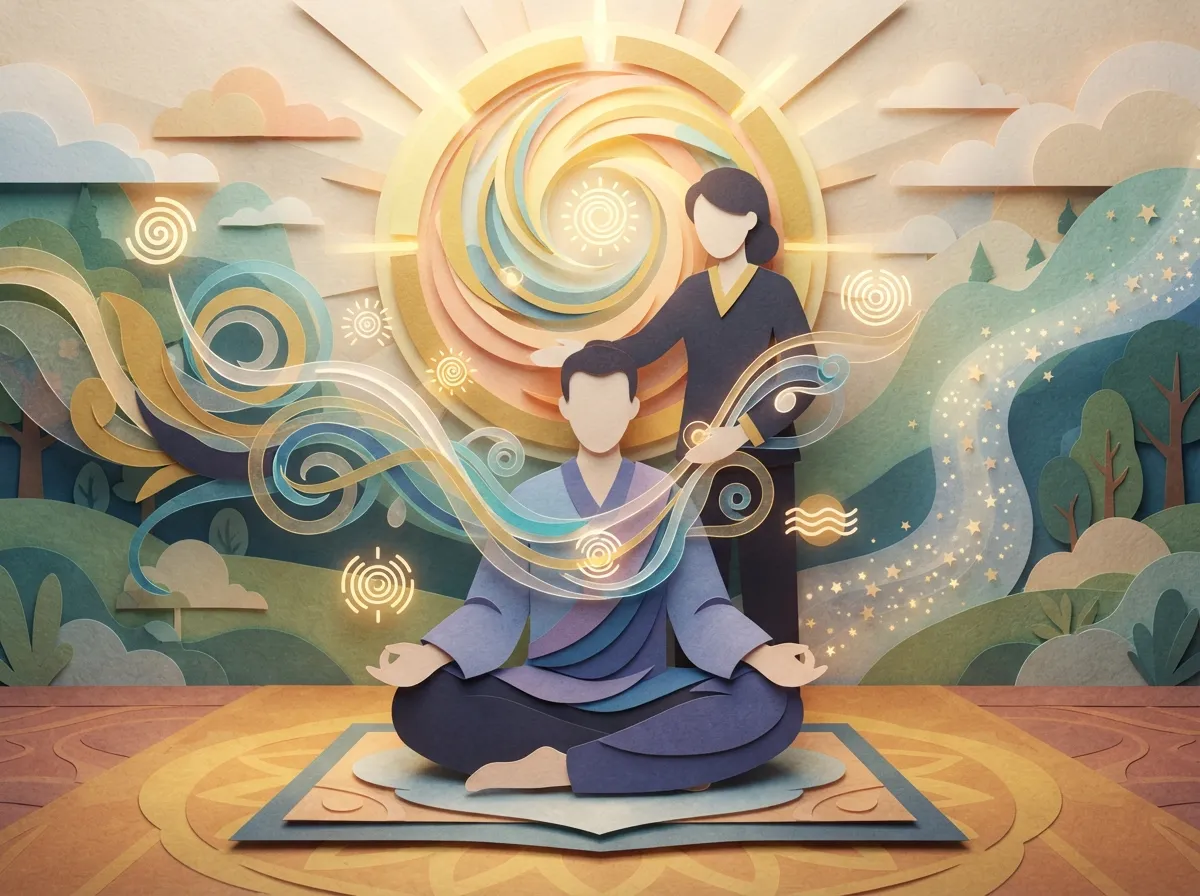
Reiki is a gentle, hands-light practice that began in Japan in the late 1800s. It was developed by Mikao Usui. The practitioner places their hands lightly on the body, or holds them just above it. The idea behind it is that a “life force energy” flows through all of us. When that energy is low, we may feel stressed or run down. When it is strong, we feel more balanced.
It is important to be clear about one thing. The National Center for Complementary and Integrative Health (NCCIH) reports that there is no scientific evidence for the proposed energy field. So Reiki is best seen as a complementary practice. It is not a medical treatment, and it does not replace care from your doctor.
If you want a deeper look at the practice itself, you can read what Reiki healing is and how it actually works. You can also explore the background of the practice on Reiki Healing reference pages.
How Does Reiki Energy Healing Help the Body?
Let us look at this question from two angles: what practitioners believe, and what research suggests.
The Practitioner’s View
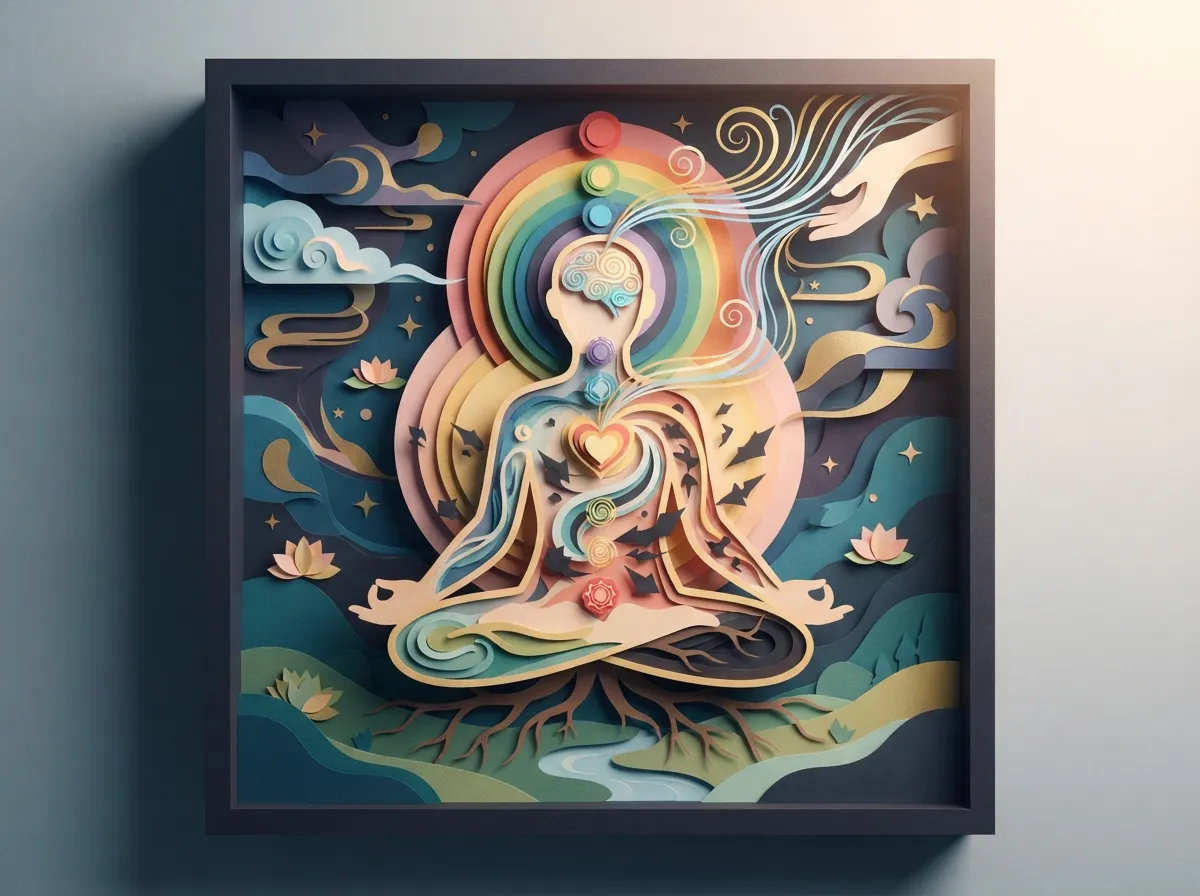
Reiki practitioners believe the session helps your body get back into balance. By channeling calm, steady energy, they aim to support your own healing response. Many clients describe warmth, tingling, deep rest, or a quiet feeling of peace.
The Research View
Here is what studies show so far:
- A 2024 meta-analysis of 13 controlled studies and 824 adults found a significant reduction in anxiety (standardized mean difference of −0.82).
- A 2025 review of 11 randomized controlled trials with 661 participants found a small improvement in quality of life (standardized mean difference of 0.28).
- A 2020 randomized trial of 101 participants compared massage followed by rest, massage followed by Reiki, and a control group. The massage groups had less stress and better quality of life than the control group.
That sounds promising, but there is a catch. NCCIH says Reiki has not been clearly shown to work for any health-related purpose. Many studies are small or low in quality, and results vary. An earlier review of 12 Reiki trials found that 11 of them were rated poor quality.
So the fair takeaway is this: Reiki may help you feel calmer and more relaxed. It does not treat disease, and it should never replace medical care.
Possible Ways Reiki May Support Your Body and Mind
Because Reiki is so quiet and gentle, its main benefits are tied to deep rest. Here are the areas where people most often report feeling better:
- Relaxation. A slow, quiet session gives your body permission to rest. This may help your nervous system shift out of “go mode.”
- Stress relief. Many clients leave feeling less tense and more grounded.
- Anxiety support. Some studies report short-term drops in self-reported anxiety.
- Comfort with pain. A few studies report less perceived pain, though the evidence is mixed.
- Better sleep habits. A calm evening session may help you wind down before bed.
- A sense of well-being. Simply taking an hour for yourself can lift your mood.
Notice that most of these are about how you feel. That is a real and valuable benefit, especially when life is busy. You can read more about this in our post on ways Reiki massage eases stress and anxiety.
What Happens During a Reiki Session?
Reiki is one of the easiest wellness services to try because there is nothing to prepare. Here is what a typical session looks like:
- A quick chat. Your practitioner asks how you are feeling and what you hope to get from the session.
- Getting comfortable. You lie down on a table, fully clothed, often with soft music and low lights.
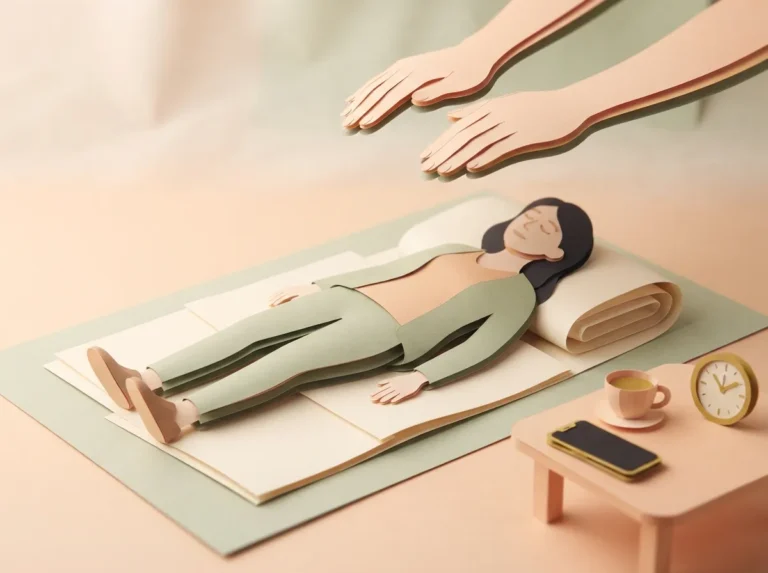
- The Reiki itself. The practitioner places hands lightly on you or holds them just above your body, moving slowly from area to area.
- Quiet rest. Many people relax so deeply that they drift off.
- A gentle finish. You take a moment to come back, sip water, and share how you feel.
You are always in control. You can ask for a hands-off session, name areas you do not want touched, or stop at any time. For a full walkthrough, see what to expect in a Reiki massage session.
Reiki and Massage: Better Together?
Reiki and massage are different, but they pair nicely. Massage works on muscles and soft tissue with hands-on pressure. Reiki is lighter and focuses on calm and relaxation. Some people book a massage first and then finish with Reiki to settle the mind.
| Feature | Massage Therapy | Reiki Healing |
|---|---|---|
| Touch | Hands-on pressure and movement | Light touch or hands just above the body |
| Main focus | Muscles, tension, circulation | Deep relaxation and calm |
| Clothing | Usually draped on a table | Fully clothed |
| Evidence | Strong for pain and stress relief | Limited and mixed |
| Best for | Tight muscles, soreness, stiffness | Quiet rest and stress relief |
Curious how the two compare? Read our guide on Reiki vs. massage and which session fits you better.
Who Might Enjoy Reiki the Most?
Reiki is gentle enough for almost anyone. Here is how it may fit each lifestyle:
Busy Professionals
Long workdays leave your mind racing. A quiet Reiki session gives you a pause button. It is a simple way to reset after a stressful week, and a calm evening or weekend slot fits easily into a packed schedule.
Expectant Mothers
Pregnancy brings joy and a lot of discomfort. Reiki uses very light touch, so some moms find it a soothing option. Always check with your doctor or midwife first. You can also explore prenatal massage for hands-on relief designed just for pregnancy.
Athletes and Active Adults
Hard training is tough on the body and the mind. Reiki will not loosen a tight hamstring, so pair it with sport massage for muscle recovery, and use Reiki to help you unwind afterward.
Seniors With Chronic Pain
Reiki is soft and low pressure, which can be a comfortable choice if firm massage feels like too much. It may also help with stress that tends to make aches feel worse. For more on this topic, see Reiki vs. massage for chronic pain.
Wellness-Focused Individuals
If you love a well-rounded self-care routine, Reiki can be one calming piece of the puzzle. Many people mix it with massage, good sleep, movement, and mindful breaks.
Is Reiki Safe?
Reiki is generally considered low risk. There are no medications, no strong pressure, and often no touch at all. Still, a few smart habits go a long way:
- Treat Reiki as a complement to care, not a cure.
- See a doctor for any medical concern, new pain, or ongoing symptoms.
- Tell your practitioner about any health conditions or pregnancy.
- Choose hands-on or hands-off, whichever feels best for you.
- Speak up anytime you want to pause or stop.
A good practitioner will never promise a cure. They will explain what Reiki can and cannot do, and they will respect your boundaries.
How to Choose a Reiki Practitioner
Not all studios are the same, so it helps to know what to look for. Try this simple checklist:
- Ask about training. Find out how they learned Reiki and how long they have practiced.
- Check their approach. Look for someone who is honest about benefits and does not make big medical claims.
- Read reviews. Real client feedback tells you a lot. You can see ours on our reviews page or on Yelp.
- Look for clear consent. You should always get to choose your level of touch.
- Trust your gut. You should feel calm and respected from the first hello.
Our guide on finding a Reiki practitioner in Falls Church, VA covers more tips, and you can also see Reiki master vs. massage therapist to understand the difference.
Reiki at Luna Massage Studio
At Luna Massage Studio in Falls Church, VA, we offer Reiki healing as a flat-rate, standalone session at $125. Many clients also pair it with a massage, and you can add free aromatherapy to any massage on request. If you want a little extra care, our add-on treatments like Gua Sha and cupping are available for $35 each for 15 minutes when booked with a massage.
Our goal is simple. We want you to feel calm, cared for, and well informed. We explain every option clearly, so you can choose what feels right. See our Visit us on Google — Luna Massage Studio listing to read what neighbors in Falls Church say about their visits, or follow along with us on Instagram.
Tips to Get the Most From Your First Session
A little prep helps you feel your best. Keep these tips in mind:
- Wear soft, comfortable clothes.
- Arrive a few minutes early so you can settle in.
- Silence your phone and let your mind slow down.
- Drink water afterward.
- Be open, but keep expectations realistic. Some people feel a lot, and others feel quiet rest. Both are normal.
If you want a few more pointers, read things to know before your first Reiki session.
The Bottom Line
So, how does Reiki energy healing help the body? It offers a calm, gentle space where your body can rest and your mind can slow down. Research suggests it may ease anxiety and stress for some people, but the evidence is mixed and the energy idea is unproven. Think of Reiki as a soothing add-on to your wellness routine, not a replacement for medical care or massage therapy.
Ready to give it a try? Book your Reiki session now, or contact our team with any questions. We would love to help you find the right fit.
FAQs
Q: How does Reiki energy healing help the body?
A: Reiki is a gentle practice that aims to support relaxation and your body’s own healing response. Some studies report short-term drops in anxiety and stress, but the evidence is mixed and the energy idea has not been proven. It works best as a calming complement to your wellness routine.
Q: Does the practitioner touch you during Reiki?
A: Only if you want them to! Reiki uses light touch or hands held just above the body, and you stay fully clothed. You can ask for a hands-off session, skip certain areas, or stop at any time.
Q: Can Reiki replace medical treatment or massage?
A: No, and a good practitioner will tell you so. Reiki is a complementary service for relaxation, not a cure or a replacement for medical care. Please see your doctor for any health concern, and consider massage for tight muscles and soreness.
Q: Is Reiki safe for everyone?
A: Reiki is generally considered low risk since it involves no medication and very light or no touch. If you are pregnant or have a health condition, check with your doctor first and let your practitioner know before your session.
Q: How much does a Reiki session cost at Luna Massage Studio?
A: A Reiki healing session at Luna Massage Studio is a flat rate of $125. Many guests also enjoy pairing it with a massage, and you can add free aromatherapy to any massage on request.
Our Service Area