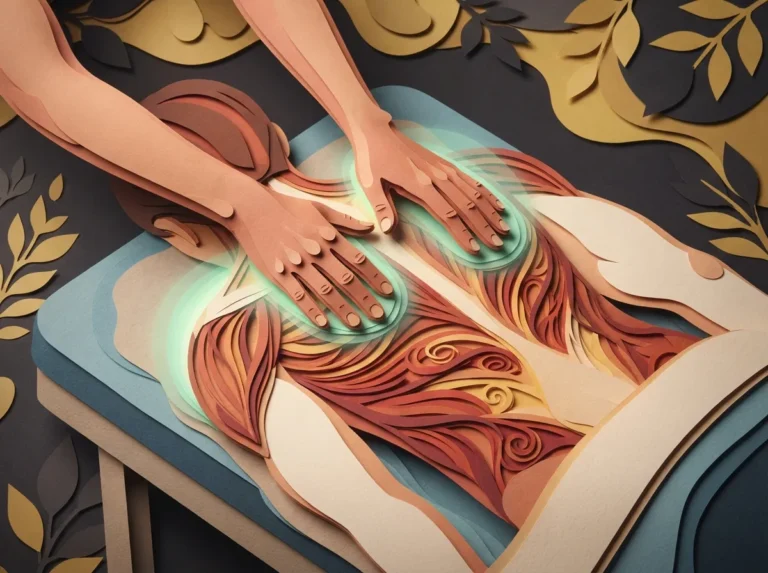
Key Takeaways
-
Reiki is considered low risk and has not been shown to cause harm, but research is limited, so it is not proven risk-free for every individual.
-
Reiki should never replace medical diagnosis or treatment; new or worsening symptoms need a doctor's check-up, and urgent symptoms need immediate care.
-
Pregnant people, those recovering from surgery, and anyone on blood thinners or with chronic conditions should check with their doctor before booking.
-
You control your session: you can request no touch at all, ask hands to stay off certain areas, change position, pause, or stop at any time.
-
Tell your therapist about health conditions, medications, recent injuries, pregnancy, and touch comfort level so they can keep your session safe.
-
Reiki is light, energy-focused, and hands-off or very gentle, while massage is hands-on bodywork, so massage precautions still apply if you combine them.
You have probably seen Reiki on a massage menu and wondered, “Is this actually right for me?” It is a smart question. Whether you are a busy professional chasing calm, an expecting mom, an athlete in recovery mode, or a senior managing aches, you deserve straight answers before you book.
So, is Reiki healing safe for everyone? Here is the short version. Reiki is gentle, non-invasive, and considered low risk. But “low risk” is not the same as “proven risk-free for every single person.” The research is still limited, and a few common-sense points are worth knowing first.
In this friendly guide, we walk through eight facts that help you decide with confidence. We also cover how Reiki fits into a massage studio, what to tell your therapist, and when to check with your doctor first. Think of this as a chat with a trusted friend who happens to work in wellness. Let’s dive in!

1. Reiki Is Gentle and Non-Invasive
Reiki is a complementary practice. The practitioner places their hands lightly on or just above your body. There are no medications, no forceful pressure, and no stretching or twisting involved.
That is a big reason many people feel comfortable trying it. If you have ever been nervous about deep pressure, Reiki is a very different experience. You stay fully clothed, rest comfortably, and simply relax.
At Luna Massage Studio, Reiki healing is offered as its own session at a flat rate. It is a calm, quiet option for anyone who wants to unwind without any hands-on muscle work. If you want a deeper look at the basics, our guide on what Reiki healing is and how it works breaks it down simply.
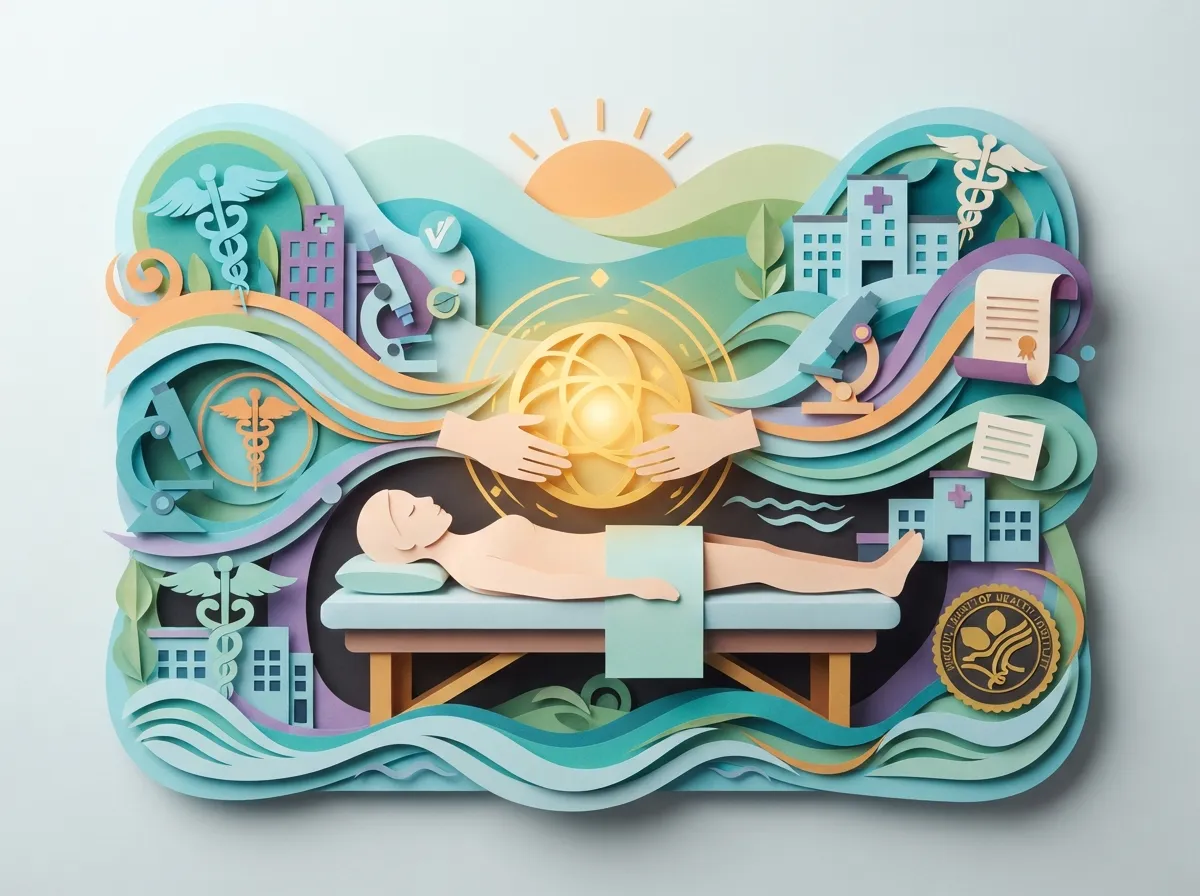
2. Major Health Sources Have Not Found Harmful Effects
The U.S. National Center for Complementary and Integrative Health (NCCIH) reports that Reiki has not been shown to have harmful effects. That is reassuring news.
Here is the honest catch, though. Studies on Reiki often do not track side effects very closely. So “no harm shown” is not the same as “guaranteed safe for all people in all situations.”
A 2008 systematic review of nine randomized clinical trials found that none of the studies reported adverse events. The authors also noted that safety was not their main focus. So this is encouraging, but it is limited evidence.
The takeaway? Reiki looks low risk. Still, it makes sense to stay thoughtful and listen to your own body.
3. Reiki Is Not a Replacement for Medical Care
This is the biggest practical concern, and it is worth saying clearly. The main risk with Reiki is not the touch itself. It is the chance of putting off the care you truly need.
NCCIH states that Reiki has not been clearly shown to be effective for any health-related purpose. Research results are inconsistent, and there is no scientific evidence for the proposed energy field. Reiki is best seen as a relaxation-focused wellness practice.
Please keep these points in mind:
- Do not skip diagnosis. New or worsening symptoms need a medical check-up.
- Do not stop prescribed treatment. Reiki can sit alongside your care, not replace it.
- Seek urgent care when needed. Chest pain, sudden weakness, or severe symptoms are never a “wait and see” situation.
A good practitioner will never promise a cure. If someone does, that is a red flag.
4. You Are in Charge of Your Session
Safety is also about comfort and consent. Before any session, your practitioner should explain what will happen and ask for your okay. You are free to change your mind at any moment.
You can always:
- Ask for no touch at all, with hands kept just above the body
- Request that hands stay off certain areas
- Change position or sit up if you feel uneasy
- Pause the session or stop completely
This matters for everyone, but especially for people who have experienced past trauma or who simply prefer more personal space. A great therapist welcomes these requests with a smile. If you ever feel unheard, that is not the right fit.
5. Reiki and Massage Are Two Different Things
Here is where many people get confused. Reiki and massage are separate practices. Reiki is light, energy-focused, and calm. Massage is hands-on bodywork that works the muscles and soft tissue.
Some studios offer them on their own, and some offer them side by side. If you are curious about the differences, this breakdown of how Reiki differs from massage therapy is a great read. You can also compare Reiki healing vs. massage for stress to see which suits your goals.
| Feature | Reiki Healing | Massage Therapy |
|---|---|---|
| Touch level | Very light or hands just above the body | Firm to gentle, hands-on pressure |
| Main goal | Deep relaxation and calm | Muscle relief, circulation, stress reduction |
| Physical manipulation | None | Kneading, gliding, and pressure work |
| Special screening | Basic health and comfort check | More detailed, based on the technique |
Knowing which one you are booking helps you prepare, and it keeps your expectations realistic.
6. Massage Precautions Still Apply If You Combine Them
If your session blends Reiki with hands-on massage, the usual massage safety checks still matter. These are not special Reiki dangers. They simply come from the bodywork side of the visit.
Tell your therapist if any of these apply to you:
- Recent surgery or a new injury
- Pregnancy
- Blood-clot risk or a history of clots
- Implanted devices, such as a pacemaker
- Skin conditions, fever, or infection
- Chronic conditions that affect how your body handles touch
In some cases, your therapist may adjust the pressure, change positioning, or ask you to get a note from your healthcare provider. That is a sign of a careful, caring professional, not a problem. For a helpful overview of what to share, check out these things to know before visiting a massage therapy studio.
7. Different Groups May Want Different Preparation
Reiki is not one-size-fits-all in how you approach it. Here is how a few groups can think about their visit.
Busy Professionals
If your calendar is packed, Reiki can feel like a quiet reset button. It asks nothing of you but rest. Just be sure it is a supplement to good sleep, medical check-ups, and healthy habits, not a stand-in for them.
Expecting Moms
Pregnancy brings extra questions. Reiki involves very light touch, but it is wise to talk with your doctor or midwife first, especially if your pregnancy is high risk. If you want hands-on relief for aches, a specialized prenatal massage is designed with your changing body in mind. Our guide on who should not get a prenatal massage is also worth a look.
Athletes and Active Adults
Reiki will not work out muscle knots the way bodywork does. Many active people pair a calm Reiki session with sport massage on a different day for recovery. That way each service does what it does best.
Seniors With Chronic Pain
Reiki is gentle, which many older adults appreciate. If you take blood thinners, have recent surgery, or manage several conditions, check in with your doctor first. For hands-on relief, you may also like reading how massage can help with chronic pain.
Wellness-Focused Individuals
If self-care is a core part of your routine, Reiki can be a lovely piece of the puzzle. Just keep it honest. Enjoy it for relaxation and mindfulness, and pair it with proven habits like movement, nutrition, and regular medical care.
8. Knowing What to Tell Your Therapist Makes Every Session Safer
A little communication goes a long way. Before your session, share what is going on in your life and your body. Your therapist cannot guess, and honest details help them care for you well.
Here is a simple checklist to follow:
- List your health conditions and any current medical treatment.
- Mention medications and any recent surgery or injury.
- Share your comfort level with touch, from full contact to hands-off.
- Note if you are pregnant or think you might be.
- Speak up during the session if you want to pause, adjust, or stop.
Reiki sessions in a massage studio are usually quiet and simple. You lie down or sit comfortably, the room is calm, and the practitioner uses light touch or hovering hands. Many people feel deeply relaxed afterward. Some feel sleepy, emotional, or just peaceful. If you want more detail on what a visit looks like, see what to expect in a Reiki massage session.
The Honest Bottom Line on Reiki Safety
So, is Reiki healing safe for everyone? For most healthy adults, Reiki appears to be a low-risk way to relax. It is gentle, non-invasive, and has not been shown to cause harm. Yet research quality is limited. A review indexed by PubMed that covered 12 trials found weaknesses in randomization, blinding, or accountability in every single trial. That is why no one can fairly say it is proven safe or proven effective for every person.
Here is a quick summary to remember:
- Reiki is low risk, but not proven risk-free for everyone.
- It should never replace medical diagnosis or treatment.
- You control the touch, the pace, and whether to continue.
- Massage precautions apply if you combine it with bodywork.
- Talking openly with your therapist is the best safety tool you have.
If you want to see what other clients think, you can read Luna Massage Studio reviews, browse feedback on Yelp, or follow along on Instagram. You can also visit us on Google — Luna Massage Studio to see what our Falls Church neighbors are saying. For a neutral background on the practice itself, this overview of Reiki healing is a helpful starting point.
Ready to Try Reiki in Falls Church?
Feeling curious but still have questions? That is completely okay. At Luna Massage Studio, our team is happy to talk through your health history, your comfort level, and your goals before you ever step on the table. Reiki healing is $125 as a flat-rate session, and you can pair it with a relaxing Swedish massage on another visit if you want the best of both worlds.
Ready to take the next step? Book your Reiki session now, or get in touch with our team to ask any safety questions first. You can also call us at 703-254-0422. We would love to help you feel calm, supported, and cared for.
FAQs
Q: Is Reiki safe for everyone?
A: Reiki is considered low risk and has not been shown to cause harm, but research is limited, so no one can promise it is risk-free for every person. If you have a health condition, are pregnant, or are in medical treatment, check with your doctor first. Your comfort and consent always come first.
Q: Can Reiki be done without touching the body?
A: Yes, absolutely! Many practitioners hold their hands just above the body, and you can ask for no touch at all. Just let your therapist know your preference before the session starts, and they will happily follow your lead.
Q: Is Reiki safe during pregnancy or after surgery?
A: Reiki uses very light touch, so it is often a gentle option, but it is smart to ask your doctor or midwife first, especially after surgery or in a high-risk pregnancy. Be sure to share your health history with your therapist so they can tailor your visit.
Q: Can I receive Reiki while undergoing medical treatment?
A: Many people enjoy Reiki as a relaxing addition to their care, but it should never replace prescribed treatment. Let your healthcare provider and your therapist know what you are doing so everyone is on the same page.
Q: What should I tell my massage therapist before a Reiki session?
A: Share your health conditions, medications, recent surgeries or injuries, pregnancy status, and your comfort level with touch. The more your therapist knows, the better they can keep your session safe, comfortable, and relaxing.
Our Service Area