Key Takeaways
-
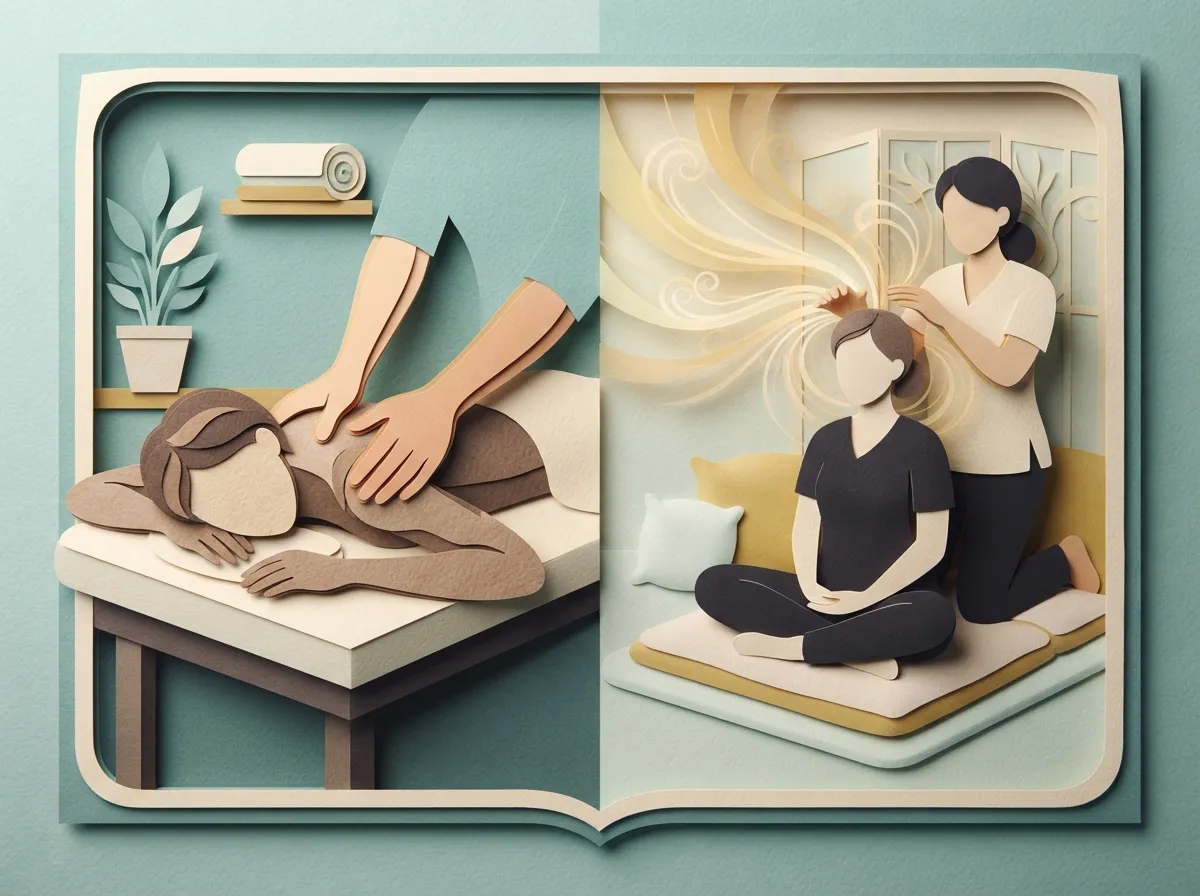
Massage works directly on muscles, connective tissue, and fascia using stroking, kneading, and adjustable pressure, while Reiki uses light touch or hands held above the body with no muscle manipulation.
-
Reiki is based on an energy-healing concept that science has not verified, and the NCCIH reports it has not been clearly shown effective for any health-related purpose.
-
For physical tension like desk-related shoulder stiffness or sore muscles, massage (such as deep tissue or sport massage) is generally the better fit than Reiki.
-
Massage evidence is mixed but more substantial: some studies show short-term relief for low-back pain, though evidence quality is often low to very low.
-
Reiki keeps you fully clothed with no kneading or pressing, which may suit people who prefer minimal touch or want a quiet, stillness-focused session.
-
Both are low risk when done by a qualified practitioner, but always disclose health conditions, medications, or pregnancy beforehand and check with your doctor if you have a medical condition.
You have probably seen both Reiki and massage on a spa menu and wondered, “Wait, aren’t they basically the same thing?” It is a fair question. Both happen in a quiet room. Both leave you feeling calm. Both involve a practitioner using their hands. But the way each one works is quite different.
So, how does Reiki healing differ from massage therapy? In short, massage uses hands-on techniques to work the muscles and soft tissues. Reiki uses very light touch, or hands held just above the body, based on the idea of balancing energy. One is physical. The other is an energy-based practice.
At Luna Massage Studio in Falls Church, VA, we offer both. That gives us a front-row seat to how clients choose between them. In this guide, we will break down the differences in plain language. We will also look at what research says, what to expect in a session, and how to pick the right one for your needs, whether you are a busy professional, an athlete, an expecting mom, or a senior managing stiffness.
The Short Answer: Physical Touch vs. Energy Work
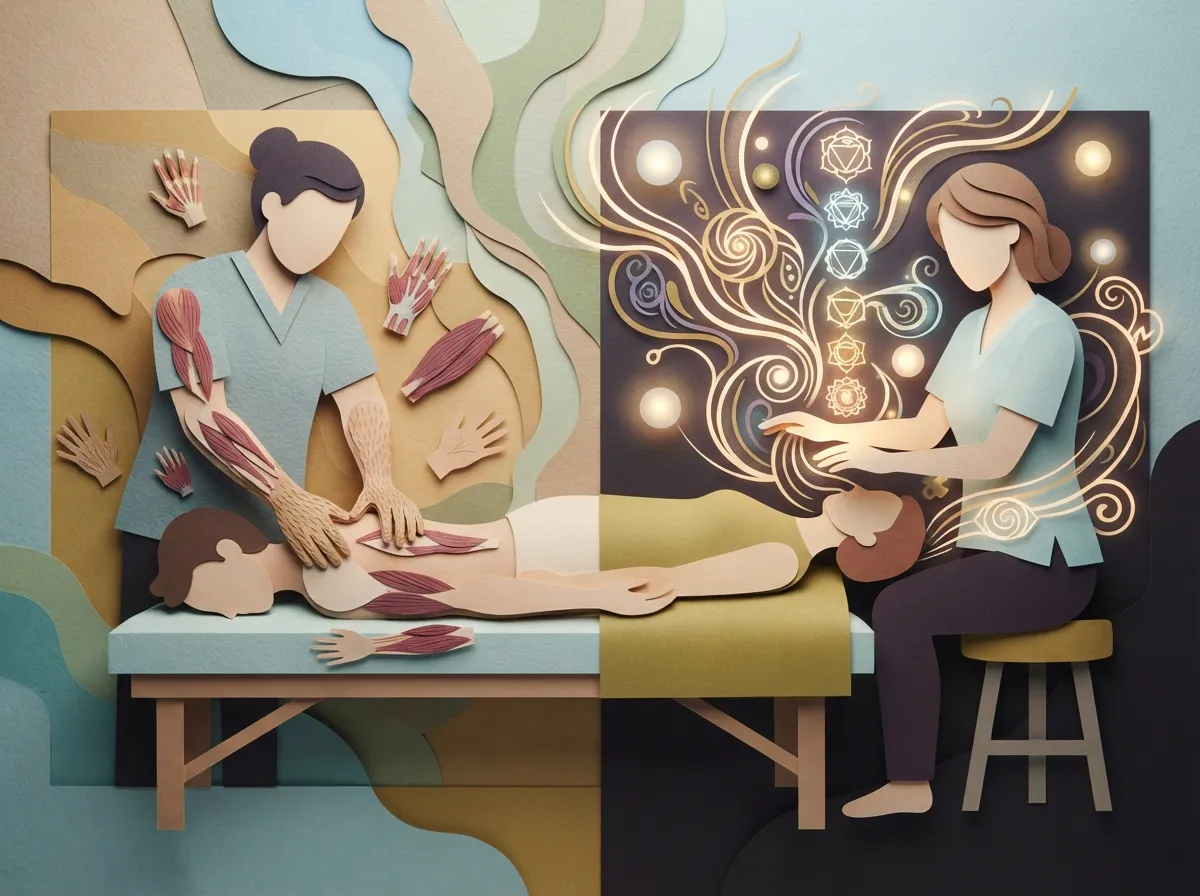
Here is the clearest way to see the difference. Massage therapy is a group of hands-on techniques that manipulate soft tissues, like muscles and connective tissue. A therapist uses stroking, kneading, and pressure. They can adjust the pressure to fit your body and your goals.
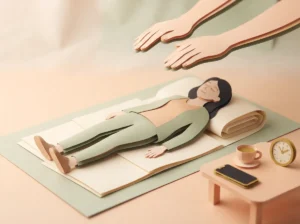
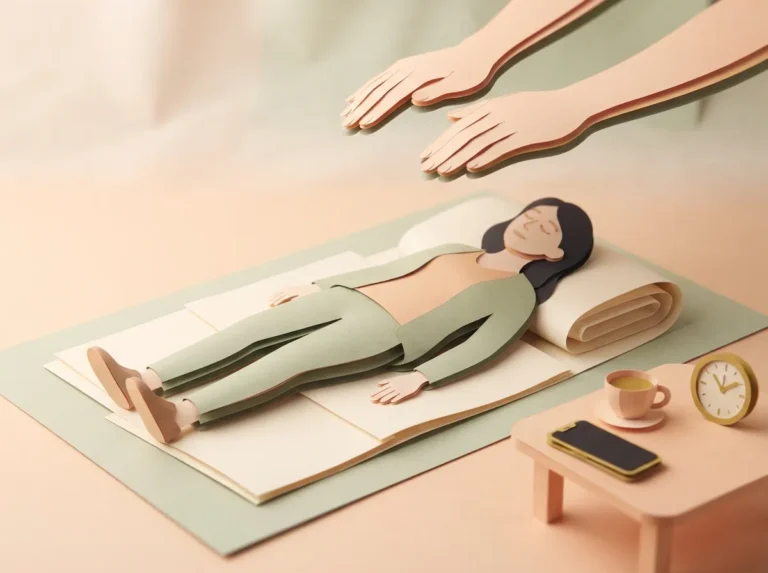
Reiki is a complementary practice. The practitioner places their hands lightly on, or just above, a clothed person. The goal is to support your own natural healing response. Reiki does not knead or press into muscle. Some sessions involve little or no physical contact at all.
Both can help you relax. But they get there in different ways, and they rest on different ideas about how the body responds.

How Massage Therapy Works
Massage works directly on the body’s tissues. When a therapist applies pressure and movement, they are working with muscles, tendons, and the fascia (the thin layer of tissue around your muscles). This can ease tightness, support circulation, and help you feel more at ease.
At Luna Massage Studio, we offer several styles, each with its own purpose:
- Swedish massage uses long, flowing strokes for deep relaxation.
- Deep tissue massage uses slower, firmer pressure to reach tight layers of muscle.
- Sport massage focuses on training recovery and muscle tension.
- Prenatal massage is tailored to the changing needs of pregnancy.
You can also add on Gua Sha or cupping to a massage for extra tension relief. These add-ons are physical techniques too, so they fit naturally with massage.
What Happens in a Massage Session
Most sessions follow a simple flow. You talk with your therapist about your goals and any health concerns. You lie on a table, covered with a sheet. The therapist works on the areas you need, checking in on pressure. Afterward, you rest and drink some water. If you want a full walk-through, our guide on what to know before visiting a massage therapy studio can help.
How Reiki Healing Works
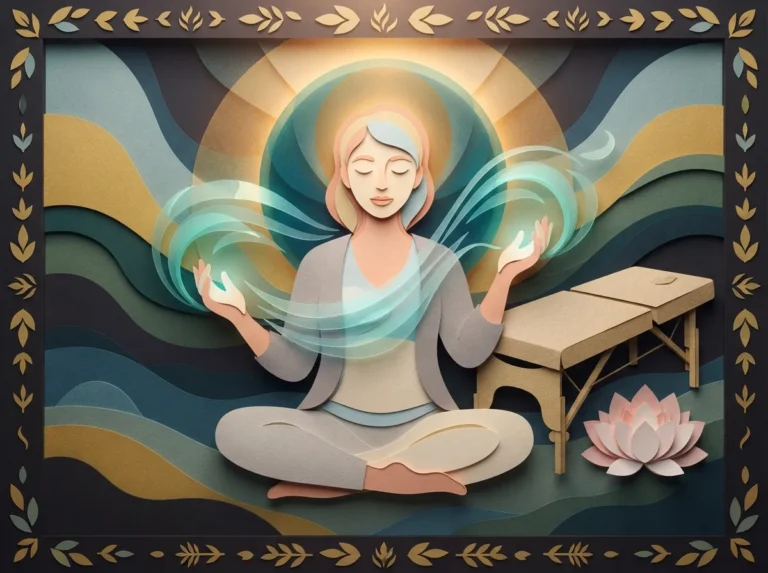
Reiki began in Japan in the late 1800s. It was developed by Mikao Usui. The practice is built on the idea that an unseen “life force energy” flows through us. When that energy is low, a person may feel stressed or unwell. When it is strong, a person may feel happier and healthier.
During a session, the practitioner channels this energy through their palms. They may rest their hands lightly on you or hold them a few inches above your body. You stay fully clothed. There is no kneading, no pressing, and no stretching.
It is worth being honest here. Reiki is based on an energy concept that science has not verified. If you would like to read more about its background, the overview of Reiki is a good starting point. You can also explore our own pages on Reiki healing and how Reiki actually works.
What Happens in a Reiki Session
A Reiki session is slow and quiet. You lie down, fully clothed, and the practitioner moves their hands through a series of positions. Many people describe feeling warmth, tingling, or deep stillness. Others simply feel calm. Experiences vary from person to person, and that is perfectly okay.
Reiki vs. Massage: A Side-by-Side Comparison
Seeing the two next to each other makes the differences easier to spot.
| Feature | Massage Therapy | Reiki Healing |
|---|---|---|
| Main method | Hands-on tissue manipulation | Light touch or hands above the body |
| Clothing | Undressed to comfort, draped | Fully clothed |
| Pressure | Light to firm, adjustable | None to very light |
| Proposed mechanism | Works directly on muscles and soft tissue | Energy-healing framework (not scientifically verified) |
| Common goals | Muscle tension, pain relief, relaxation | Calm, stillness, general well-being |
| Luna Massage Studio price | $125 (60 min), $145 (75 min), $165 (90 min) | $125 flat rate |
What Does the Research Say?
We believe in giving you honest information, so let’s look at the evidence. According to the National Center for Complementary and Integrative Health (NCCIH), Reiki has not been clearly shown to be effective for any health-related purpose. Studies on pain, anxiety, and depression have generally been low quality and inconsistent. A 2022 review of bioenergy therapies found mostly moderate-quality studies with no clear effect, though some people reported short-term improvements in quality of life, pain, or nausea.
Massage research is more mixed than you might expect, too. It varies by condition. A 2015 review of 25 studies with about 3,000 participants found massage may bring short-term improvement for low-back pain, but the evidence quality was low to very low. Another review found chronic low-back pain improved slightly more with massage than with sham massage or usual care at 1 to 6 months, with no clear effect at 6 to 12 months. Some evidence also suggests massage may help certain symptoms in conditions like fibromyalgia when continued over time.
What does this tell us? Neither practice should be sold as a cure. Both are best seen as supportive wellness tools. Many people simply enjoy them and feel better afterward. For more on this, see our posts on massage and chronic pain and Reiki vs. massage for chronic pain.
Safety: What You Should Know
Both approaches are generally considered low risk when done by a qualified practitioner. Still, a few points are worth knowing.
- Massage: It can cause temporary soreness or discomfort. Rare serious injuries, such as blood clots, nerve injury, or fractures, have been reported. These cases often involved vigorous massage or people at higher risk.
- Reiki: Because it uses very light or no touch, the physical risk is low. But it should never replace medical diagnosis or treatment.
- Your part: Tell your practitioner about any health conditions, medications, or pregnancy before your session.
If you have a medical condition, check with your doctor first. A good practitioner will welcome that conversation and will stay within their scope of practice.
Which One Is Right for You?
The best choice depends on what you want from your session. Let’s walk through a few common situations.
Busy Professionals
If your shoulders live around your ears by Thursday, massage may be the better fit for physical tension from desk work. If your mind is the thing that will not slow down, Reiki’s quiet stillness may appeal to you. Many professionals alternate between the two. Our post on Reiki vs. massage for stress goes deeper.
Athletes and Active Adults
If you train hard, you likely want direct work on tight muscles. That points toward sports massage or deep tissue. Reiki does not manipulate muscle, so it is not a stand-in for hands-on recovery work. Some athletes do enjoy it as a calm reset on rest days.
Expecting Moms
Pregnancy brings aches, swelling, and stress. A trained prenatal therapist can adjust positioning and pressure to keep you safe and comfortable. Always check with your healthcare provider first. Learn more in our guide to finding the best prenatal massage.
Seniors With Stiffness or Chronic Pain
If arthritis or stiffness limits you, massage with gentle, adjustable pressure can help you feel looser and more comfortable. Reiki is also very gentle, and you stay fully clothed, which some seniors find easier. Neither replaces your doctor’s care plan.
Wellness-Focused Individuals
If you treat self-care as a daily habit, you may enjoy both. Massage supports your body. Reiki offers a space for stillness. Together, they can round out a thoughtful routine.
Can You Combine Reiki and Massage?
Yes, many people do. Some like to book a massage one visit and Reiki the next. Others like to alternate based on how they feel that week. You can also learn about combined sessions in our post on a Reiki and massage combo session.
Here is a simple way to decide:
- Name your main goal. Is it muscle relief or quiet calm?
- Think about your comfort with touch. Prefer none? Reiki may feel easier.
- Check your health needs, and talk to your doctor if you have a medical condition.
- Pick a service and book a first session.
- Notice how you feel afterward, and adjust next time.
If you are still unsure, our comparison of which session fits you better can help you decide.
What to Expect at Luna Massage Studio
At Luna Massage Studio, we treat every client as an individual. Our massage sessions run 60, 75, or 90 minutes. Reiki is offered as a flat-rate session. You can also add free aromatherapy to any massage on request. Our goal is simple: help you feel relaxed, comfortable, and cared for.
We love hearing from clients, and you can read their experiences on our reviews page or on Yelp. You can also follow our updates on Instagram and see what clients say when you visit us on Google — Luna Massage Studio.
Final Thoughts
So, how does Reiki healing differ from massage therapy? Massage is hands-on and works the muscles and soft tissue. Reiki is light-touch or no-touch and rests on an energy-healing idea that science has not verified. Both can be calming. Neither is a cure, and neither replaces medical care.
The best choice is the one that fits your body, your comfort level, and your goals. If you are curious, try one and see how you feel. Ready to take the next step? Book your session now, or contact our team with any questions. You can also call us at 703-254-0422. We would love to welcome you to the studio.
FAQs
Q: What is the main difference between Reiki and massage therapy?
A: Massage therapy uses hands-on techniques like kneading and pressure to work the muscles and soft tissues. Reiki uses very light touch, or hands held just above the body, and is based on an energy-healing idea that science has not verified. One is physical, and the other is energy-based.
Q: Does Reiki involve physical touch or muscle manipulation?
A: Not in the way massage does. In a Reiki session, you stay fully clothed, and the practitioner rests their hands lightly on you or holds them above your body. There is no kneading or pressing, and some sessions involve little or no contact at all.
Q: Is Reiki scientifically proven to work?
A: Not yet. The NCCIH reports that Reiki has not been clearly shown effective for any health-related purpose, and research so far has been limited and inconsistent. Many people still enjoy it for relaxation, but it should never replace medical care.
Q: Can Reiki and massage therapy be used together?
A: Yes, many clients enjoy both. You might alternate between a massage and a Reiki session, depending on whether your body needs muscle work or your mind needs quiet. Just tell your practitioner about any health conditions first.
Q: Should I choose Reiki or massage for muscle tension?
A: For tight muscles, massage is usually the better fit because it works directly on the tissue. Options like deep tissue or sport massage target tension head-on. Reiki can be a gentle add-on for calm, but it does not manipulate muscle.
Our Service Area