Key Takeaways
-
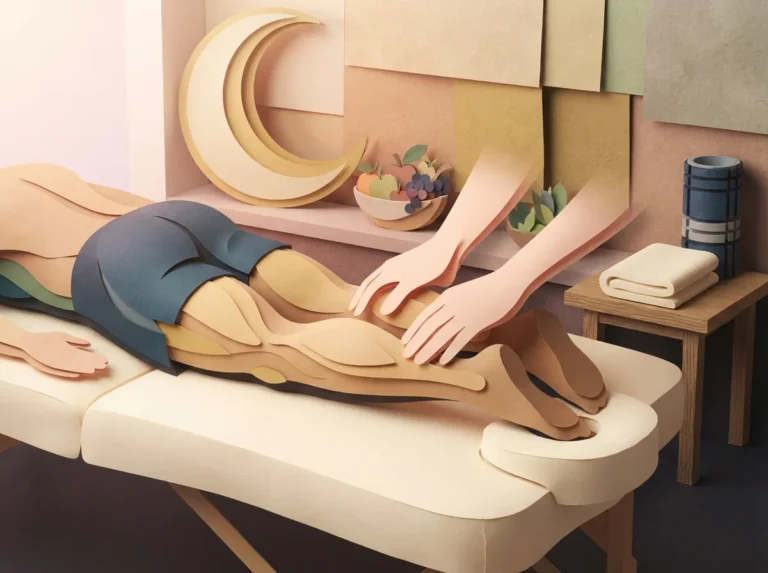
You stay fully clothed during a Reiki session and wear soft, loose clothing you could nap in, since the practitioner uses light hand placements or no touch at all.
-
Reiki is a relaxing, restful practice, but research has not clearly shown it treats health conditions, so keep up regular medical care rather than replacing it.
-
You control the session: you can decline touch in certain areas, change positions, pause, or end at any time, and should mention recent surgery or pregnancy beforehand.
-
Sessions are often 60 to 90 minutes and mostly quiet, with a short intake chat first; confirm the length and whether the chat is included when booking.
Booking your first Reiki session can feel a little mysterious. You might wonder what you’ll wear, where you’ll lie down, and whether the practitioner will touch you at all. If you’ve been asking yourself, “what should I expect at my first Reiki session?” you’re in good company. Almost everyone feels a bit curious (and maybe a tiny bit nervous) before trying something new.
The good news is that a first Reiki session is usually quiet, gentle, and simple. You stay fully clothed, rest comfortably, and set the pace. Whether you’re a busy professional who needs a pause, an expectant mom, an athlete winding down, or someone who loves a good self-care ritual, this guide walks you through the whole experience step by step.
Here are 12 things to expect, plus a few honest notes about what Reiki is and what it isn’t. Let’s take the mystery out of it together.
A Quick Look at What Reiki Is
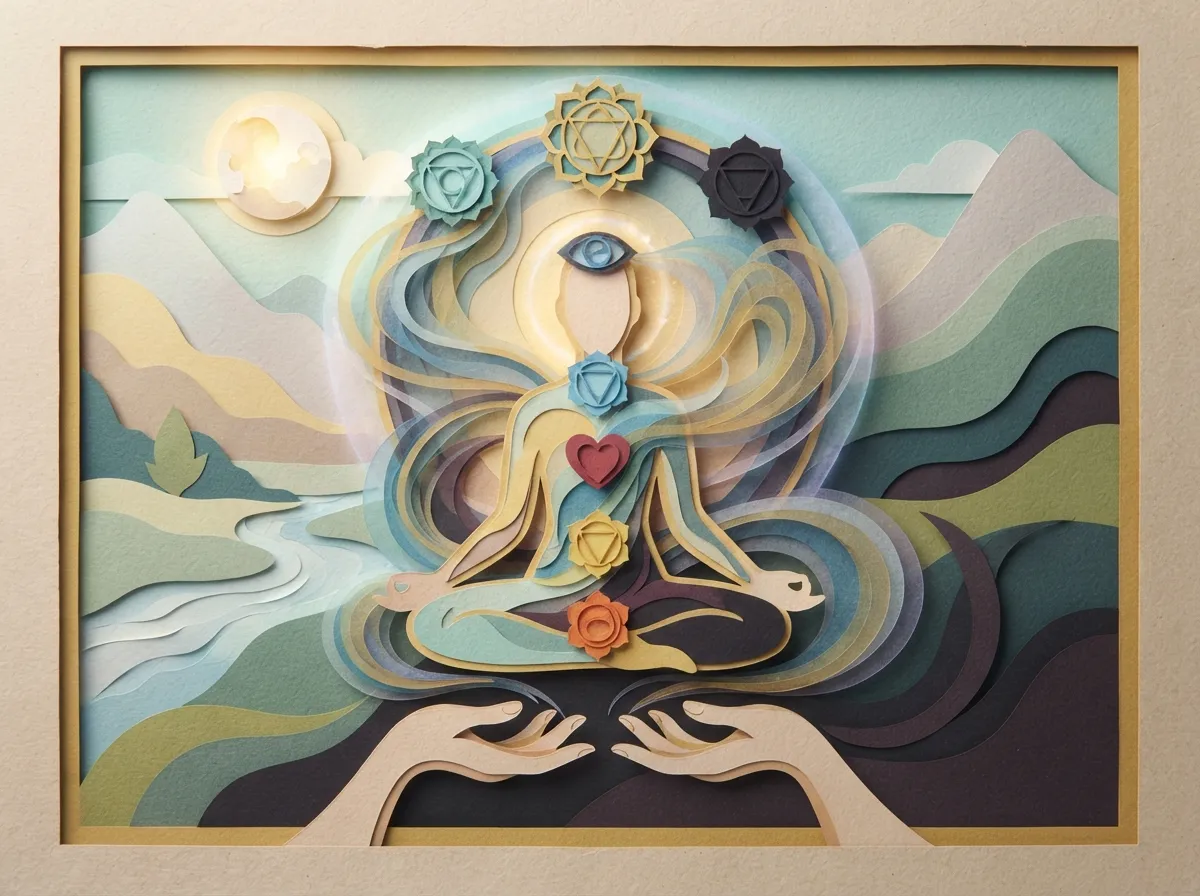
Reiki is a form of energy healing that began in Japan in the late 1800s. It was developed by Mikao Usui. The idea behind it is that a “life force energy” flows through us, and a practitioner helps share calming energy through their palms. You can read a general overview of Reiki healing if you’d like some background.
It’s important to be honest here. The National Center for Complementary and Integrative Health (NCCIH) notes that research has not clearly shown Reiki works for health conditions, and there is no scientific evidence for the proposed energy field. Many people simply enjoy it as a relaxing, restful experience. Think of it as a calming complement to your wellness routine, not a replacement for medical care. To learn more, you can also read what Reiki healing is and how it actually works.
12 Things to Expect at Your First Reiki Session
1. A Warm Welcome and a Brief Chat
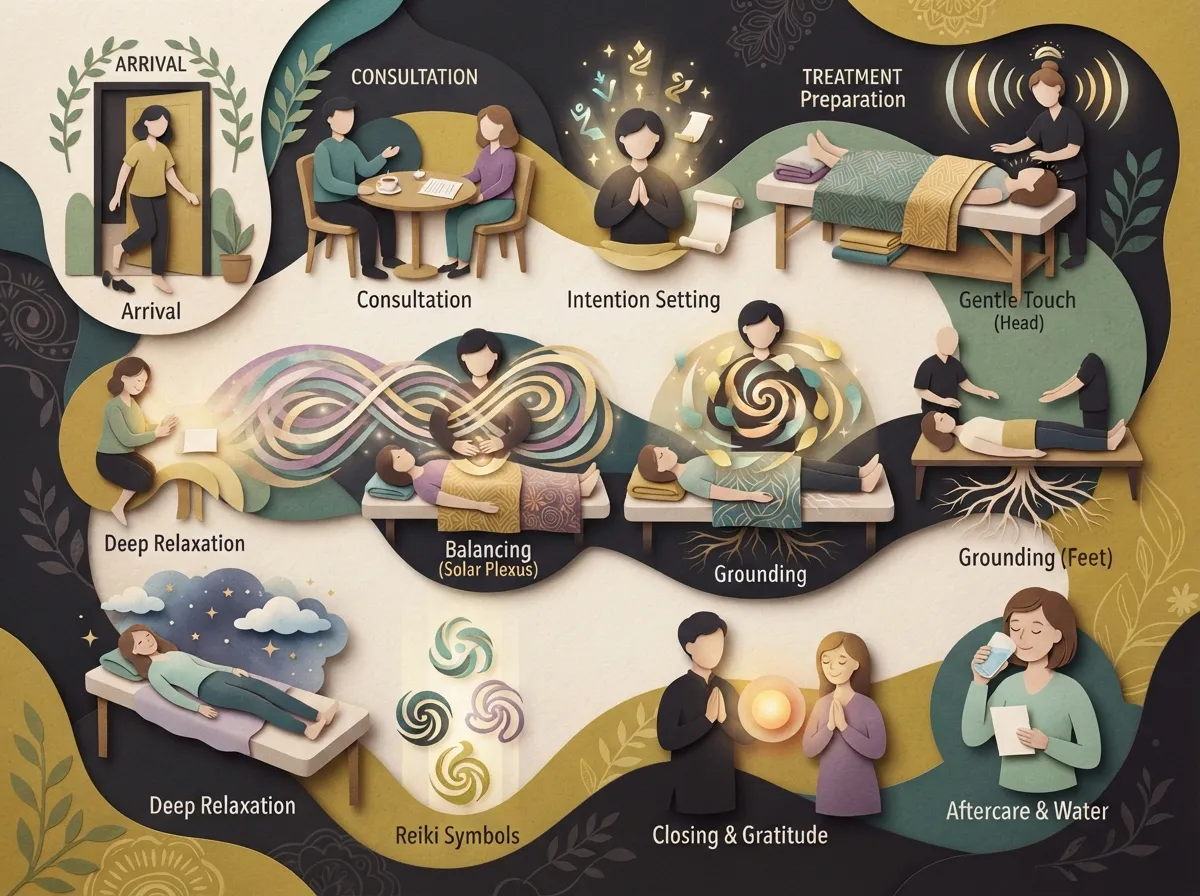
Most sessions start with a short conversation. Your practitioner will ask about your goals, any health concerns, and what you’d like out of the visit. This is the perfect time to ask questions. A good practitioner explains what will happen before anything begins.
2. You Keep Your Clothes On
Reiki is done fully clothed. You don’t need to undress at all. That’s a big difference from a traditional massage, and many first-timers find it a relief.
3. Comfortable Clothing Is Best
Wear soft, loose clothes you could nap in. Think leggings, a cozy tee, or sweats. Skip tight waistbands and stiff fabrics. Leave heavy jewelry at home if you can, since you’ll be lying still for a while.
4. A Cozy, Quiet Room
Expect dim lighting, soft music or silence, and a calm space. You’ll usually lie on a massage table with a bolster under your knees. If lying flat is uncomfortable, say so. Seated options and extra support are easy to arrange.
5. Very Light Touch (or No Touch at All)
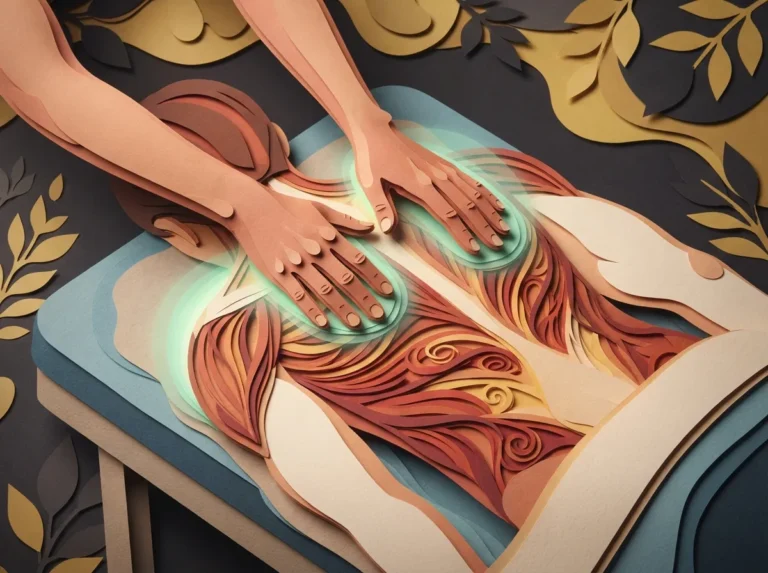
In Reiki, the practitioner places their hands lightly on your body or holds them just above it. There is no kneading, deep pressure, or muscle work. If you’d rather skip touch entirely, simply ask for a no-touch session.
6. A Gentle Series of Hand Positions
The practitioner often moves through a series of positions, such as the head, shoulders, torso, and feet. There’s no single standard sequence, so the order may vary. You can ask about hand placements before you begin.
7. You Can Set Your Boundaries
Your comfort comes first. You can decline touch in certain areas, change positions, pause, or end the session at any time. Tell your practitioner if you’ve had recent surgery, are pregnant, or have touch sensitivities. There’s no wrong way to speak up.
8. A Session Length That Fits Your Day
Private Reiki sessions often run about 60 to 90 minutes. Some sessions in hospitals or hospice settings are shorter, around 15 to 20 minutes. Ask your practitioner how long the visit is and whether that includes the intake chat.
9. Different Sensations for Different People
Experiences vary a lot. Some people feel warm, tingly, or deeply relaxed. Others feel very little, and some simply drift into a nap. All of that is normal. These feelings are personal and subjective, so don’t worry if you don’t notice anything special.
10. Mostly Silence
Expect a quiet session. You won’t be asked to chat, perform, or “do” anything. Your only job is to rest, breathe, and let your mind slow down. For busy professionals, that stillness can be the best part.
11. A Gentle Wrap-Up
When the session ends, the practitioner will let you know. Take your time sitting up. Drink some water, and give yourself a few quiet minutes before jumping back into your day.
12. A Feeling You Can Reflect On
Afterward, you may feel calm, sleepy, or lighter. Some people notice little change at first. Pay attention to how you feel over the next day or two, and share that feedback at your next visit.
Quick Snapshot: What Happens When
| Stage | What Usually Happens | Typical Time |
|---|---|---|
| Check-in | Chat about goals, comfort, and health notes | 5 to 15 minutes |
| Settling in | You lie down or sit, fully clothed | 2 to 5 minutes |
| Hands-on or hands-above work | Light hand placements, quiet time | 30 to 60 minutes |
| Wrap-up | Slow rise, water, brief debrief | 5 to 10 minutes |
These times are general. Every practitioner and studio sets their own rhythm, so confirm the details when you book.
How to Prepare for Your Visit
A little prep makes your first session smoother. Here are some simple tips:
- Arrive a few minutes early so you’re not rushed.
- Eat a light meal beforehand, not a heavy one.
- Silence your phone and leave work worries at the door.
- Write down any questions or health notes to share.
- Go in with an open, curious mind and no pressure to “feel” anything.
For more helpful pointers, check out 11 things to know before your first Reiki session.
Reiki Compared to Massage
Many people wonder how Reiki differs from massage. The short answer: massage works the muscles with hands-on pressure, while Reiki is a gentle, rest-focused practice. Neither is better. They simply feel different and suit different moods.
| Feature | Reiki | Massage |
|---|---|---|
| Clothing | Fully clothed | Undressed to comfort, draped |
| Touch | Light or no touch | Firm to gentle pressure |
| Focus | Quiet rest and relaxation | Muscle tension and soft tissue |
| Feel | Calm, subtle, sometimes sleepy | Physical release, often noticeable |
Curious which one suits you? Take a look at Reiki vs. massage: which session fits you better.
Who Might Enjoy a First Reiki Session?
Reiki can appeal to many different people. Here’s how it may fit a few common lifestyles:
- Busy professionals: A quiet hour away from screens and deadlines can feel like a reset.
- Expectant moms: The gentle, low-pressure approach can feel soothing. Share your pregnancy with your practitioner and your doctor.
- Athletes and active adults: Reiki can be a calm rest-day ritual. For muscle work, pair it with a sport massage.
- Seniors with chronic pain: The light touch is easy on stiff joints. It isn’t a pain treatment, so keep up your regular medical care.
- Wellness-focused folks: Reiki fits nicely beside massage, stretching, and mindful habits.
Is Reiki Safe?
Reiki is generally considered low risk because it involves very light or no touch. Still, it isn’t a stand-in for medical diagnosis or treatment. The NCCIH points out that studies are often small or inconsistent. For example, an NCCIH-funded fibromyalgia study found no effect on pain or other measured outcomes.
So please keep seeing your healthcare provider for medical concerns. Use Reiki as a relaxing extra, and talk with your doctor if you have a health condition or are pregnant. You can learn more in 8 facts: is Reiki healing safe for everyone.
Reiki at Luna Massage Studio
At Luna Massage Studio in Falls Church, VA, Reiki Healing is offered as a flat-rate $125 session. It’s a peaceful way to try energy work in a warm, welcoming space. You can learn more on our Reiki Healing page or see what neighbors say in our reviews. You can also see photos and updates on Instagram or read feedback on Yelp.
Want to peek at our studio before you book? Visit us on Google — Luna Massage Studio to see what our Falls Church community says.
Make It a Full Wellness Day
If you love the idea of rest and relief, you might pair Reiki with a massage on another day. Options like Swedish massage or deep tissue massage offer hands-on relief for tight muscles. Aromatherapy is free with any massage on request, and add-ons like Gua Sha and cupping are available for $35 each. Not sure what to pick? This guide to massage therapy services can help you choose.
Ready to Try Your First Session?
A first Reiki session doesn’t need to be intimidating. You’ll stay clothed, move at your own pace, and speak up anytime something doesn’t feel right. Go in curious, relaxed, and without pressure to feel anything specific. Many people simply enjoy the quiet hour.
Ready when you are! Book your first Reiki session now, or get in touch with our team if you have questions first. You can also call us at 703-254-0422. We’d love to welcome you to Luna Massage Studio.
FAQs
Q: What happens during a first Reiki session?
A: You’ll start with a short chat about your goals and comfort, then rest fully clothed while the practitioner uses light hand placements on or just above your body. It’s quiet and gentle, and you can ask questions or change anything at any time.
Q: Do I need to take my clothes off for Reiki?
A: Nope! Reiki is done fully clothed, so wear something soft and comfy. That’s one of the biggest differences from a traditional massage.
Q: How long does a Reiki session usually last?
A: Private sessions often last about 60 to 90 minutes, while sessions in healthcare settings can be as short as 15 to 20 minutes. It’s smart to confirm the length and whether the intake chat is included when you book.
Q: What might I feel during or after Reiki?
A: Everyone’s different. Some people feel warm, tingly, or very relaxed, while others feel little or fall asleep. Whatever you feel (or don’t feel) is perfectly okay, and these sensations don’t prove Reiki is treating a medical condition.
Q: Can Reiki help with pain, anxiety, or stress?
A: Many people find Reiki relaxing, but research hasn’t clearly shown it treats health conditions. Think of it as a calming extra, and keep working with your healthcare provider for medical concerns.
Our Service Area