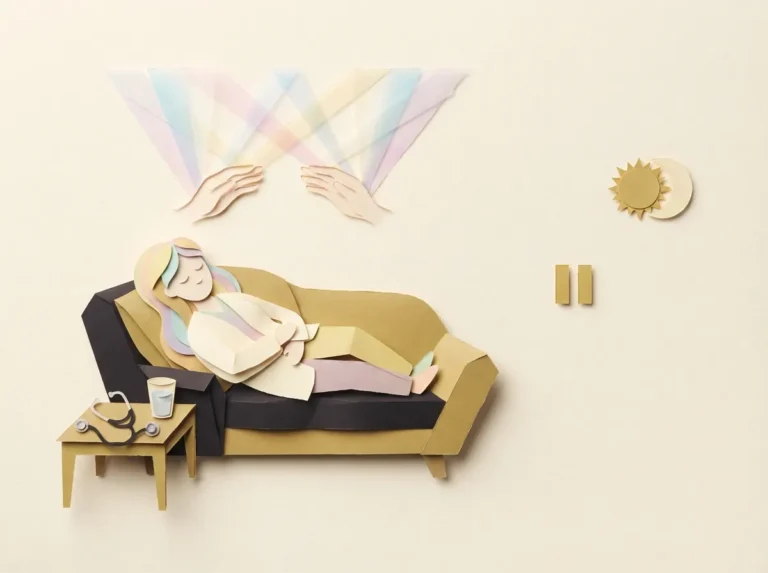
Key Takeaways
-
Research has not proven that Reiki treats insomnia or reliably improves sleep; a systematic review of only three small trials (122 adults) found mixed results and called the evidence insufficient.
-
The NCCIH reports no scientific evidence for the energy field Reiki proposes to work through, so Reiki is best treated as a relaxation experience rather than a proven medical treatment.
-
Many people feel calmer during a Reiki session because of quiet time, slow breathing, gentle touch or no touch, and a peaceful setting, even though this does not prove lasting sleep benefits.
-
A Brazil trial could not separate Reiki's effect from massage and rest, suggesting that much of the calm people feel may come from the overall experience, including massage itself.
-
No proven number of sessions exists; try one session and notice how you feel afterward, since sleep studies used 6 to 20 sessions with inconsistent results.
-
Reiki is generally considered low risk and can be done with light touch or no touch, but if you have persistent sleep problems, consult a healthcare professional rather than relying on Reiki alone.
If you have ever lain awake at 2 a.m. wondering why your mind will not slow down, you are not alone. Many of us in Falls Church and nearby towns are juggling long workdays, family needs, training schedules, and aching joints. So it makes sense to ask: does Reiki improve sleep and relaxation? It is a fair question, and it deserves an honest answer.
Here is the short version. Many people find a Reiki session calming, and a quiet, restful hour can feel wonderful. But research has not proven that Reiki treats insomnia or reliably improves sleep. In this guide, we will walk through what Reiki is, what studies say, what you can realistically expect, and how it fits with massage therapy. No hype, just friendly, clear information so you can decide what feels right for you.
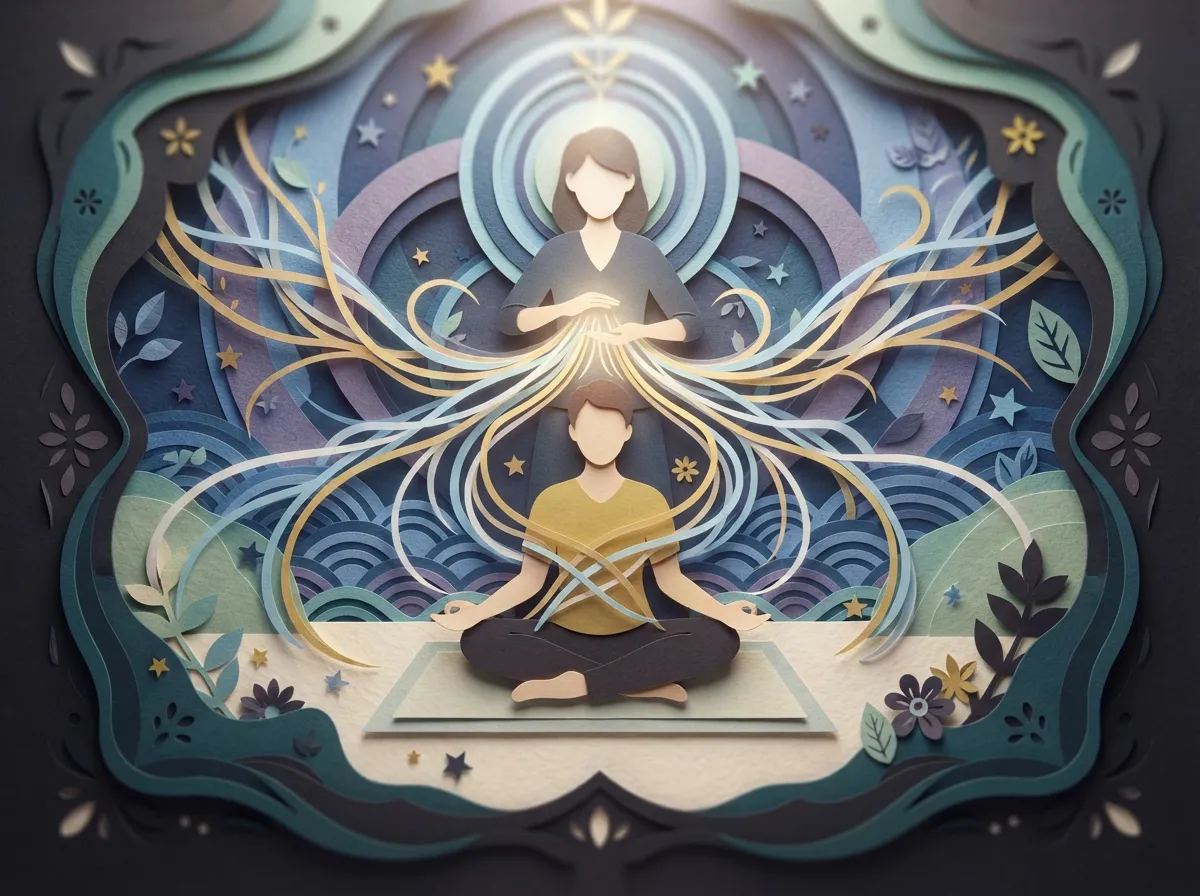
What Is Reiki, Exactly?
Reiki is a gentle, complementary practice that began in Japan in the late 1800s. It was developed by Mikao Usui. During a session, a practitioner places their hands lightly on or just above your body. The idea behind it is that a “life force energy” flows through us, and that supporting this flow may help us feel more balanced.
It is worth knowing that Reiki is not the same as hands-on massage. There is no kneading, stretching, or pressure. You stay fully clothed, and the experience is quiet and slow. If you want a deeper look at the practice itself, the Reiki Healing overview on Wikipedia gives helpful background. You can also read our guide on what Reiki healing is and how it actually works.
One honest note: the National Center for Complementary and Integrative Health (NCCIH) says there is no scientific evidence for the energy field that is proposed to explain Reiki. So we treat it as a relaxation-focused experience, not a proven medical treatment.

Does Reiki Improve Sleep? What the Research Says
Let us look at the evidence with open eyes. The answer is mixed, and that is okay. Good information helps you make good choices.
The Sleep Studies
A systematic review searched nine databases for randomized trials published through December 31, 2023. Only three studies, with 122 adults in total, met its criteria. Two reported improvement in sleep disturbance, and one did not. The individual studies were small, with 39 to 43 participants each, and used 6 to 20 sessions of about 30 to 35 minutes. The reviewers said the evidence is still not strong enough for a firm conclusion.
NCCIH also reports that Reiki has not been clearly shown to work for any health-related purpose, and that research is often limited in quality and inconsistent.
Promising, But Not Proof
There are some encouraging signs. A 2023 evaluation of a distance Reiki program for frontline healthcare workers found better sleep-quality scores after the program (P =.019), along with changes in stress, anxiety, pain, and wellbeing. That sounds nice! But a before-and-after result cannot prove Reiki caused the change. People may feel better simply because they set aside time for themselves.
A 2025 meta-analysis of 18 studies and 1,572 perimenopausal and postmenopausal women found a sleep-quality benefit across several mind-body therapies, including Reiki. Because it combined many therapies, we cannot call it a Reiki-only result.
| Study Type | What It Found | Important Limit |
|---|---|---|
| Systematic review (3 trials, 122 adults) | Two trials showed better sleep, one did not | Small studies; evidence called insufficient |
| Healthcare worker program (2023) | Sleep-quality scores improved after the program | Before-and-after design cannot show cause |
| Menopause meta-analysis (2025) | Overall sleep benefit across mind-body therapies | Not a Reiki-only effect |
| NCCIH summary | Not clearly shown effective for any health purpose | Research is limited and inconsistent |
Why Reiki Can Still Feel So Relaxing
So if the science is not settled, why do so many people love it? Here is the thing: feeling calm is real, even when we cannot fully explain it. A Reiki session gives you several things that naturally help the body unwind.
- Quiet time: An hour with no phone, no inbox, and no to-do list.
- Slow breathing: Most people settle into deeper, easier breaths.
- Gentle, predictable touch: Light contact or no touch can feel safe and soothing.
- A calm space: Soft lighting and a peaceful setting help your mind let go.
Feeling relaxed during or after a session is a lovely benefit. It simply does not prove that Reiki treats insomnia or creates lasting sleep changes. Think of it as a restful ritual, not a cure.
What About Massage and Rest? The Brazil Study
Here is a useful clue. A randomized clinical trial in Brazil compared three groups: massage followed by rest, massage followed by Reiki, and no intervention. Of the 122 people first randomized, results were reported for 101. Both massage groups had less stress and better quality of life than the control group.
The catch? Because Reiki came after massage in one group, researchers could not separate Reiki’s effect from the massage or the rest. That tells us something important: the calm many people feel may come from the whole experience, including the massage itself. To explore how touch-based care supports calm, see why a relaxing massage is such a strong stress relief tool.
What Happens in a Reiki Session at Luna Massage Studio?
If you are curious but a little nervous, here is a simple picture of what a visit can look like. At Luna Massage Studio’s Reiki Healing service, the experience is gentle and unhurried.
- Check-in and chat: You share how you are feeling and what you hope for, whether that is calm, comfort, or simply a break.
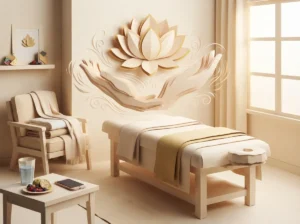
- Settling in: You lie down fully clothed in a quiet room.
- The session: Your practitioner places hands lightly on or just above your body. You can choose light touch or no touch at all.
- Quiet finish: You rest for a moment, then take your time sitting up.
You are always in charge. You can ask for changes or stop at any time. Reiki is generally considered low risk, and NCCIH reports it has not been shown to cause harmful effects. Reiki Healing at Luna Massage Studio is a flat $125. For more on the experience, check out what to expect in a Reiki massage session.
Combining Reiki With Massage for a Deeper Unwind
Many clients like to pair gentle energy work with traditional massage. That makes sense, since massage has its own well-known relaxation benefits. Here are a few ways to build a calming visit.
- Swedish massage: Long, flowing strokes that many people find deeply soothing. Learn more about Swedish Massage.
- Aromatherapy: Calming scents can add to the sense of peace. At Luna Massage Studio, Aromatherapy Massage is free when added to any massage upon request.
- Deep tissue work: A good fit when physical tension is what keeps you tossing and turning. See our Deep Tissue Massage page.
Curious how the two compare? Our article on Reiki healing vs. massage breaks it down in a friendly way.
Who Might Enjoy Reiki Most?
Different people come to us for different reasons. Here is how a calm, gentle session might fit into real life.
| If You Are… | Why You Might Like It |
|---|---|
| A busy professional | A screen-free hour to slow down after a long week |
| Pregnant | A no-pressure option for quiet rest; check with your care provider first |
| An athlete or active adult | A calm recovery moment alongside your sport massage |
| A senior with chronic pain | A gentle, low-touch way to relax stiff, tired muscles |
| Wellness-focused | A mindful self-care ritual that fits a regular routine |
Realistic Expectations: How Many Sessions?
This is a common question, and the honest answer is that there is no proven number. The sleep studies we mentioned used anywhere from 6 to 20 sessions of about 30 to 35 minutes. That shows researchers were testing repeated visits, but it does not tell us how many you would need.
A kind way to approach it: try one session and notice how you feel. Do you feel calmer? Do you enjoy the quiet? If so, you might add it to your routine. If not, that is perfectly fine too. Your experience is what matters.
Simple Habits That Support Better Sleep
Whether or not you try Reiki, some everyday habits can help you wind down. These are general wellness tips, not medical advice.
- Keep a steady bedtime and wake time, even on weekends.
- Dim the lights and put screens away an hour before bed.
- Keep your bedroom cool, dark, and quiet.
- Try slow breathing or gentle stretching before sleep.
- Book regular massage to ease the muscle tension that can keep you restless.
If tight muscles are part of your sleep struggle, our post on massage mistakes that block better sleep has more helpful ideas.
When to Talk to a Healthcare Professional
Reiki is a relaxation experience, not a treatment for insomnia, and it is not a substitute for medical care. If you have trouble sleeping most nights, wake up exhausted, snore loudly, or feel low or anxious for weeks, please talk with a qualified healthcare professional. Sleep problems can have many causes, and you deserve proper support.
Reiki can sit alongside your care as a calming extra, but it should never replace it. For more on this, read can Reiki replace medical treatment.
Our Honest Take
So, does Reiki improve sleep and relaxation? Many people find it relaxing, and a calm hour can be a real gift. But current research does not show that Reiki reliably improves sleep or treats insomnia. We would rather tell you that plainly than promise something we cannot back up.
At Luna Massage Studio, we offer Reiki as an optional, gentle way to unwind, and we pair it with massage options that have their own comforting benefits. You can see what our clients say in our reviews, read Luna Massage Studio on Yelp, or follow along on Instagram. You can also visit us on Google — Luna Massage Studio to see our Falls Church location and more feedback.
Ready to give yourself a peaceful break? Book your relaxing session now, or get in touch with our team with any questions. You can also call us at 703-254-0422. We would love to help you slow down, breathe deep, and feel a little lighter.
FAQs
Q: Can Reiki help you sleep better?
A: Some people feel calm and rested after a session, and a few small studies report sleep benefits. But the evidence is mixed and not strong enough to say Reiki reliably improves sleep. It is best seen as a gentle relaxation experience.
Q: Is Reiki a proven treatment for insomnia?
A: No, it is not. The NCCIH says Reiki has not been clearly shown effective for any health-related purpose, and the sleep research so far is small and inconsistent. If you struggle with sleep often, please chat with a healthcare professional.
Q: Can Reiki be combined with massage therapy?
A: Yes, and many clients enjoy doing both! Reiki is a light-touch or no-touch practice, while massage works the muscles directly. Pairing them can make for a calm, restful visit, though Reiki is not a replacement for medical care.
Q: Is Reiki safe, and can it be done without touch?
A: Reiki is generally considered low risk, and NCCIH reports it has not been shown to cause harmful effects. You can choose light touch or no touch at all, and you can stop a session any time you like.
Q: How many Reiki sessions does it take to notice a difference?
A: There is no proven number. Sleep studies have used 6 to 20 sessions of about 30 to 35 minutes, but results varied. Many people simply try one session and see how they feel afterward.
Our Service Area