Key Takeaways
-
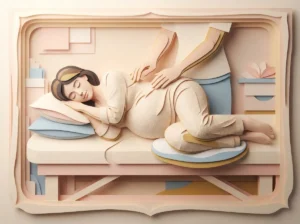
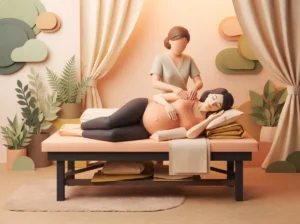
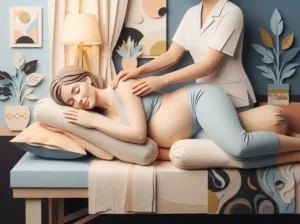
Prenatal massage requires specialized training and modified techniques beyond standard massage licensure—verify your therapist has specific prenatal certification and uses side-lying positioning with bolsters for safety.
-
Most therapists recommend waiting until the second trimester (week 13+) to start prenatal massage; always consult your OB-GYN first, especially if you have a high-risk pregnancy.
-
Common benefits include lower back pain relief, reduced ankle/feet swelling, improved sleep quality, and reduced anxiety—addressing the most frequent pregnancy discomforts.
-
Ask potential therapists five key questions before booking: licensure status, prenatal training, positioning setup, areas avoided, and how they handle high-risk pregnancies.
-
Prenatal massage sessions typically cost $125-$165 for 60-90 minutes; therapists should conduct detailed pregnancy intake reviews and avoid deep pressure on contraindicated points.
-
Safety requires checking with your healthcare provider if you have preeclampsia, preterm labor history, placenta previa, blood clots, or recent complications before scheduling.
Pregnancy is one of the most exciting journeys of your life. But let’s be honest — it can also be exhausting, uncomfortable, and a little overwhelming. Your body is changing every single week. Back pain, swollen ankles, and restless nights can make those nine months feel much longer than they should. That’s where a skilled prenatal massage therapist near me can make a real difference. Specialized prenatal massage is designed to support your body through every stage of pregnancy. It’s gentle, safe, and deeply comforting. Whether you’re in your second trimester and struggling with lower back tension or just looking for a way to relax and breathe, a trained prenatal therapist can meet you exactly where you are. In this guide, we’ll walk you through everything you need to know — from what prenatal massage actually involves to how to find the right therapist in your area and what questions to ask before you book.

What Is Prenatal Massage and Why Does It Matter?
Prenatal massage is a type of therapeutic massage designed specifically for pregnant women. It’s not just a regular massage done on a pregnant person — it involves special training, modified techniques, and thoughtful positioning to keep both the mother and baby safe and comfortable. A qualified prenatal massage therapist understands the physical changes pregnancy brings and knows how to work with them rather than against them.
Regular massage techniques don’t always translate well to pregnancy. Pressure points, positioning, and areas to avoid all change when someone is expecting. Prenatal-trained therapists go through additional education to learn exactly how to adjust their approach. This makes a huge difference in both safety and effectiveness.
Common Benefits of Prenatal Massage
Expecting mothers report a wide range of benefits from regular prenatal massage sessions. Here’s a quick look at what you might experience:
- Lower back pain relief — One of the most common complaints during pregnancy, and one that prenatal massage addresses directly
- Reduced swelling in ankles and feet — Gentle techniques help improve circulation and reduce fluid buildup
- Better sleep quality — Relaxing the muscles and nervous system promotes deeper, more restful sleep
- Headache relief — Tension in the neck and shoulders often contributes to headaches, which massage can ease
- Reduced anxiety and stress — Prenatal massage helps lower cortisol levels and promotes a calm, grounded feeling
- Improved muscle flexibility — Keeping muscles loose and limber supports comfort as the body changes
- Emotional support and relaxation — Simply having dedicated time to rest and be cared for can be incredibly healing
If you’ve been searching for ways to manage stress and unwind during pregnancy, prenatal massage is one of the most effective and enjoyable options available.
Prenatal Massage vs. Regular Massage: Key Differences
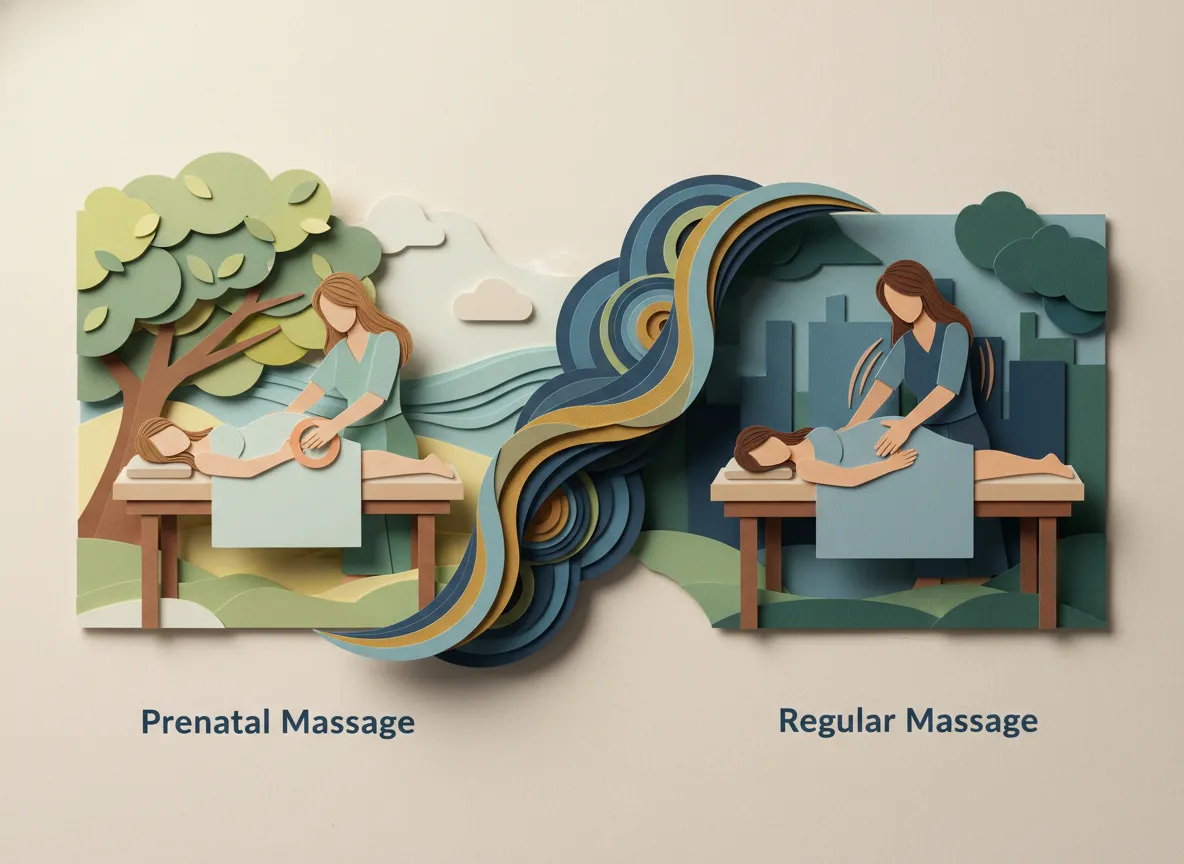
It’s worth understanding exactly how prenatal massage differs from a standard session. The table below breaks it down clearly:
| Feature | Regular Massage | Prenatal Massage |
|---|---|---|
| Therapist Training | Standard licensure | Additional prenatal certification required |
| Positioning | Face-down or face-up | Side-lying with pillows and bolsters |
| Pressure Level | Varies by preference | Generally gentle; deep pressure avoided in key areas |
| Areas Addressed | Full body as appropriate | Modified to avoid contraindicated pressure points |
| Focus | General relaxation or muscle recovery | Pregnancy-specific discomfort and emotional wellness |
| Health Screening | Standard intake form | Detailed pregnancy history review recommended |
As you can see, the differences are meaningful. Booking with a therapist who is specifically trained in prenatal techniques isn’t just a nice-to-have — it’s an important part of making sure your session is safe and truly beneficial.
When Is the Best Time to Start Prenatal Massage?
This is a question we hear a lot, and the honest answer is: it depends. Many therapists recommend waiting until the second trimester to begin prenatal massage. The first trimester carries a slightly higher risk of certain complications, and some providers prefer to err on the side of caution during those early weeks.
That said, other providers are comfortable offering massage throughout all stages of pregnancy with appropriate guidance and precautions. The most important step is always to check with your healthcare provider first — especially if your pregnancy is considered high-risk.
Pregnancy Stages and Massage Considerations
| Trimester | Massage Suitability | Notes |
|---|---|---|
| First Trimester (Weeks 1–12) | Varies by provider | Many therapists recommend waiting; always consult your OB or midwife |
| Second Trimester (Weeks 13–26) | Generally recommended | Ideal time to begin; body is stable and discomfort is common |
| Third Trimester (Weeks 27–40) | Beneficial with precautions | Focus on comfort, swelling, and preparation for labor |
When in doubt, talk to your midwife or OB-GYN. A good therapist will always appreciate and support that conversation before your first session.

How to Find a Qualified Prenatal Massage Therapist Near You
Finding the right prenatal massage therapist near me doesn’t have to feel overwhelming. Here’s a simple step-by-step process to help you find someone you can trust:
- Start with local search tools — Use Google Maps or Yelp to search for prenatal massage in your area. Check reviews and look for therapists who specifically mention prenatal training or certification.
- Verify licensure and training — Your therapist should hold a valid massage therapy license in your state. Ask whether they’ve completed additional prenatal massage training or certification.
- Ask about their experience — How many prenatal clients have they worked with? Do they specialize in pregnancy massage, or is it just one of many services they offer?
- Review their intake process — A quality prenatal therapist will ask about your health history, your trimester, and any pregnancy-related conditions before your session begins.
- Check their setup — Do they use pregnancy pillows, bolsters, or a special massage table? Side-lying positioning with proper support is the standard for safe prenatal massage.
- Book a consultation first — Many studios offer a quick phone or email consultation. Use this to ask questions and get a feel for the therapist’s approach.
For a helpful guide on what to look for in a qualified provider, visit our article on how to find and benefit from licensed massage therapy. You can also learn what a licensed massage therapist can do for your body to understand what a great session looks like from start to finish.
What to Ask Before Booking a Prenatal Massage
Before you commit to an appointment, a few key questions can save you a lot of stress. Here’s what we recommend asking your potential therapist:
- Are you licensed in massage therapy and trained specifically in prenatal techniques?
- Do you offer side-lying positioning with proper bolster support?
- What areas of the body do you avoid during pregnancy massage, and why?
- Do you require a physician’s note or clearance before the session?
- How do you handle high-risk pregnancies or special health conditions?
- What is your policy if I need to reschedule due to pregnancy-related concerns?
These questions help you quickly assess whether a therapist is knowledgeable, professional, and truly focused on your safety. A great therapist will welcome these questions and answer them clearly and confidently.
Safety Considerations You Should Know
Prenatal massage is generally very safe when performed by a trained therapist. However, there are some important safety considerations every expecting mother should be aware of before booking.
If you have any of the following conditions, please consult your healthcare provider before scheduling a prenatal massage session:
- Pregnancy-induced hypertension or preeclampsia
- History of preterm labor or high-risk pregnancy
- Placenta previa or abruptio placentae
- Severe morning sickness or nausea
- Blood clots or deep vein thrombosis (DVT)
- Recent surgeries or complications
This isn’t meant to scare you — it’s just good practice. Most healthy pregnancies respond beautifully to massage. Your safety and your baby’s wellbeing always come first. You can also learn more about what massage therapy services are right for you as you plan your wellness routine during pregnancy.
What a Prenatal Massage Session Actually Looks Like
If you’ve never had a prenatal massage before, you might be wondering what to expect when you walk through the door. Here’s a simple breakdown of a typical session:
- Intake and health review — Your therapist will review your pregnancy history, current trimester, any discomforts, and health conditions before touching anything.
- Comfortable positioning — Most prenatal sessions use a side-lying position supported by pillows, bolsters, or a specially designed pregnancy pillow. This keeps pressure off your belly and back.
- Gentle, focused techniques — Your therapist will use light to moderate pressure to address areas of tension — typically the back, hips, shoulders, neck, and legs. Deep pressure is generally avoided during pregnancy.
- Aromatherapy option — Some studios offer aromatherapy massage as a free add-on. Certain essential oils are safe during pregnancy, while others should be avoided — your therapist will know the difference.
- Post-session check-in — A good therapist will check in with you after the session to make sure you feel well and offer any aftercare suggestions.
Sessions typically run 60, 75, or 90 minutes. At Luna Massage Studio in Falls Church, VA, prenatal massage sessions are available at $125 for 60 minutes, $145 for 75 minutes, and $165 for 90 minutes — a welcoming and affordable option for expecting mothers in the Northern Virginia area. You can also explore add-on treatments like Gua Sha and cupping to enhance your session.
Luna Massage Studio: Prenatal Massage in Northern Virginia
If you’re searching for a trusted prenatal massage therapist near me in the Falls Church or Alexandria area, Luna Massage Studio is here to support you. Their expert team is trained to provide a nurturing, safe, and deeply relaxing experience tailored to the needs of expecting mothers. With a mission focused on reducing pain, improving sleep, and promoting whole-body wellness, Luna is a warm and welcoming space for every stage of your pregnancy journey.
Curious about what other clients are saying? Check out their reviews page to hear from real clients, or visit Luna Massage Studio on Google to read firsthand experiences from the community. You can also follow along on Instagram for wellness tips, updates, and a peek behind the scenes. For an in-depth look at the benefits of prenatal massage for mothers-to-be in the Alexandria area, don’t miss this helpful resource: prenatal massage in Alexandria offers essential benefits for mothers-to-be.
Comparing Prenatal Massage Session Lengths and Pricing
Wondering how much a prenatal massage session typically costs? Here’s a look at what you can expect at Luna Massage Studio:
| Session Length | Price | Best For |
|---|---|---|
| 60 Minutes | $125 | First-time clients or busy schedules |
| 75 Minutes | $145 | Targeted relief with a bit more time to relax |
| 90 Minutes | $165 | Full-body relaxation and comprehensive relief |
You can also add on a cupping therapy session or Gua Sha treatment for an additional $35 each, making it easy to customize your experience based on your specific needs that day.
Finding Your Perfect Match: Questions to Evaluate a Prenatal Therapist
Not all therapists are the same, and that’s a good thing! Finding someone whose style, communication, and training match your needs will make your sessions far more effective and enjoyable. Here’s a quick checklist to help you evaluate any prenatal massage therapist you’re considering:
- Do they have specific prenatal massage training or certification?
- Are they licensed by your state’s massage therapy board?
- Do they ask detailed intake questions about your pregnancy?
- Are they comfortable working with high-risk or complicated pregnancies (with physician clearance)?
- Do they use proper positioning tools like bolsters and pregnancy pillows?
You deserve to feel completely safe and well cared for during every session. Take your time with this decision — you’re not just booking a massage, you’re investing in your wellbeing and your baby’s. For even more guidance, read our article on how to choose a massage studio that’s right for you. You can also read reviews on Yelp to see what local clients have to say about their experience.
Ready to Book Your Prenatal Massage?
Finding the right prenatal massage therapist near me doesn’t have to be complicated. The key is knowing what to look for — proper training, thoughtful technique, safe positioning, and a warm, welcoming approach that makes you feel cared for from the moment you walk in. Prenatal massage is one of the kindest things you can do for yourself during pregnancy. It supports your body, calms your mind, and reminds you to slow down and breathe. You deserve that kind of care. If you’re ready to experience the benefits firsthand, we’d love to welcome you. Schedule your prenatal massage session today and take the first step toward a more comfortable, more relaxed pregnancy journey. Have questions before you book? Feel free to reach out to our team — we’re always happy to help you find the right fit.
FAQs
Q: What is prenatal massage and how is it different from a regular massage?
A: Prenatal massage is a specially adapted form of massage therapy designed for pregnant women. Unlike regular massage, it uses modified techniques, gentle pressure, and side-lying positioning with bolsters and pillows to keep both mom and baby safe and comfortable throughout the session.
Q: Is prenatal massage safe during pregnancy?
A: Yes! When performed by a trained and licensed prenatal massage therapist, massage is generally very safe during pregnancy. That said, we always recommend checking with your healthcare provider first — especially if you have a high-risk pregnancy, preeclampsia, or a history of preterm labor.
Q: When should I start prenatal massage?
A: Many therapists recommend starting prenatal massage in the second trimester, around week 13 or later. Some providers are comfortable working with clients throughout all stages of pregnancy with proper precautions. The best approach is to talk with your OB or midwife before booking your first session.
Q: Can prenatal massage help with back pain and swelling?
A: Absolutely — this is one of the most popular reasons expecting moms seek out prenatal massage! Gentle techniques can relieve lower back tension, reduce swelling in the ankles and feet, ease muscle tightness, and even improve circulation. Many clients report feeling significantly more comfortable after just one session.
Q: How do I find a qualified prenatal massage therapist near me?
A: Start by searching locally for licensed massage therapists who list prenatal massage as a specialty. Ask about their training, certification, and intake process before booking. You can also check reviews on Google or Yelp, and look for studios like Luna Massage Studio in Falls Church, VA that specialize in a full range of therapeutic services including prenatal massage.