Key Takeaways
-
Professional massage therapists must be state-licensed and complete hundreds of hours of accredited training plus pass licensing exams; verify credentials and ask about their specialties before booking to ensure proper qualifications.
-
Different massage techniques target specific needs—deep tissue for chronic tension, Swedish for relaxation, sport massage for athletic recovery, and prenatal massage for pregnancy discomfort—so choose based on your individual health goals.
-
A quality therapist conducts a thorough assessment including medical history, pain levels, and postural observation before treatment, then creates a customized plan that adjusts during the session based on your feedback.
-
Professional massage therapy costs approximately $125-$165 for 60-90 minute sessions depending on type, with add-on treatments like Gua Sha or cupping available for $35 per 15 minutes; confirm pricing and hygiene standards before booking.
Finding a professional massage therapist can feel overwhelming, especially with so many options out there. Maybe you’re a busy executive whose shoulders live near your ears by Friday. Maybe you’re expecting a baby and your back is telling you all about it. Or maybe you’re an athlete who needs your body to recover fast so you can get back to training. Whatever brought you here, we’re glad you did.
Choosing the right massage therapist isn’t just about picking the closest studio or the cheapest price. It’s about finding someone trained, licensed, and genuinely caring about your wellbeing. In this guide, we’ll walk you through exactly what makes a massage therapist “professional,” what to expect during a session, and how to pick the best fit for your needs. Think of this as your friendly roadmap to feeling your absolute best.
What Does a Professional Massage Therapist Actually Do?
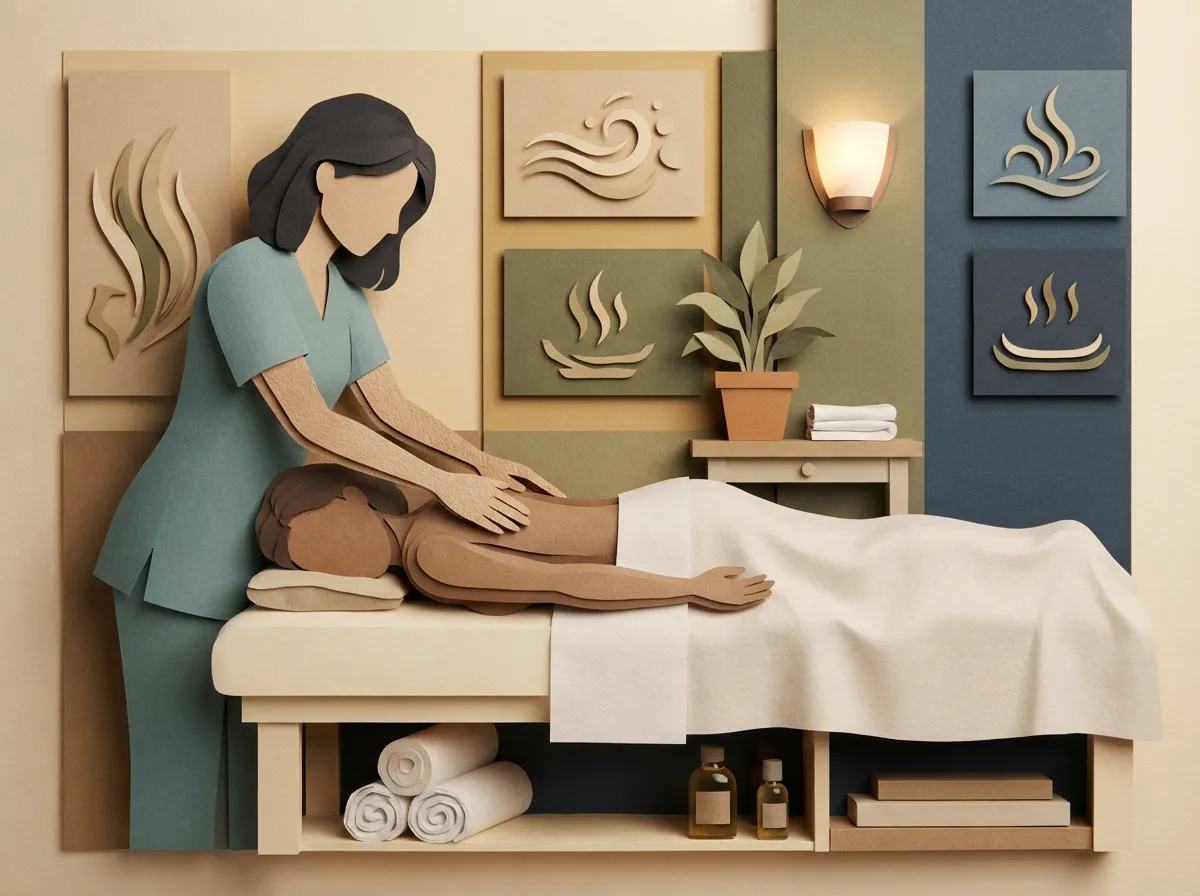
A professional massage therapist is a trained health-care practitioner who uses their hands (and sometimes elbows and forearms!) to manipulate your muscles, tendons, and soft tissue. According to the U.S. Bureau of Labor Statistics, massage therapists are classified as health-care practitioners whose work involves applying pressure to relieve tension and improve how your body moves and feels.
But there’s so much more happening behind the scenes than just a good rubdown. Here’s what a skilled therapist typically handles during your visit:
- Reviewing your medical history and current symptoms before treatment begins
- Asking about your goals, whether that’s pain relief, relaxation, or better sleep
- Creating a customized treatment plan just for you
- Adjusting pressure and technique based on your real-time feedback
- Offering aftercare tips like stretches or hydration reminders
- Maintaining a clean, sanitized, and safe treatment space
This isn’t a one-size-fits-all service. A good therapist treats every client as an individual, which is exactly the philosophy behind Luna Massage Studio’s approach to care in Falls Church, VA.

Why Credentials and Training Matter
You wouldn’t want just anyone poking around your muscles, right? Licensing ensures your therapist has completed proper education and passed required exams. In most states, massage therapists must complete hundreds of hours of hands-on training before they can even sit for a licensing exam.
Here are the qualifications you should look for:
- A valid state license or certification in massage therapy
- Completion of an accredited massage therapy program
- Ongoing continuing education in specialized techniques
- Liability insurance (a sign they take professionalism seriously)
- Clear communication about their specialties and experience
Don’t be shy about asking questions before booking. A true professional will happily explain their training and background because they want you to feel confident and comfortable.
Common Massage Techniques You Should Know
Not all massages are created equal, and that’s a good thing! Different techniques target different needs. Here’s a quick breakdown of popular options:
| Massage Type | Best For | What to Expect |
|---|---|---|
| Deep Tissue Massage | Chronic tension, knots, sore muscles | Firm, focused pressure on deeper muscle layers |
| Swedish Massage | Relaxation, stress relief | Long, gentle strokes for full-body calm |
| Sport Massage | Athletes, active adults | Targeted work to boost recovery and performance |
| Prenatal Massage | Expectant mothers | Safe positioning and gentle pressure for pregnancy discomfort |
| Aromatherapy Massage | Stress reduction, mood boost | Essential oils combined with relaxing touch |
Canada’s occupational profile for massage therapists also highlights techniques like hydrotherapy, trigger point therapy, and remedial exercise programs. A well-rounded therapist knows how to blend these methods based on what your body needs that day.
How Professional Massage Therapists Assess Your Needs
Ever wonder what happens before the massage actually starts? A thoughtful therapist doesn’t just jump right in. They take time to understand you first.
Here’s a typical assessment process:
- A brief conversation about your health history and any injuries
- Questions about pain levels, stress, or specific problem areas
- A discussion of your goals for the session
- Physical observation of posture, tension, or restricted movement
- A tailored plan that may shift as the session progresses
This is also the perfect moment to mention if you’re pregnant, recovering from surgery, or managing a chronic condition. A qualified therapist will adjust their approach accordingly, and may even coordinate with your physician or physical therapist when needed.
Add-On Treatments Worth Trying
Many studios, including Luna Massage Studio, offer add-on treatments that pair beautifully with a traditional massage. These extras can deepen your results and target specific concerns.
- Gua Sha: An ancient scraping technique that relieves tight muscles and tension
- Cupping: Suction-based therapy that boosts blood flow and eases deep muscle pain
- Reiki Healing: Gentle energy work that promotes relaxation and emotional balance
If you’re curious about energy-based healing, Reiki Healing has roots dating back to Japan in the late 1800s. It’s based on the idea that life force energy flows through all of us, and when that energy is balanced, we feel healthier and calmer. You can learn more about how this works through our Reiki Healing services.
Massage Therapy for Every Stage of Life
For Busy Professionals
If your calendar looks like a game of Tetris, evening and weekend appointments can be a lifesaver. A deep tissue or Swedish session helps release the tension that builds up from long hours at a desk or back-to-back meetings.
For Expectant Mothers
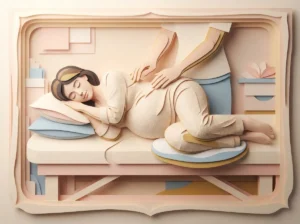
Pregnancy brings joy, but also aches in places you never expected. A specialized Prenatal Massage is designed with your comfort and safety in mind, easing swelling, back pain, and stress.
For Athletes and Active Adults
Whether you’re training for a marathon or just love your weekly gym sessions, muscle recovery matters. A Sport Massage can reduce soreness and help you bounce back faster.
For Seniors Managing Chronic Pain
Arthritis and stiffness don’t have to control your daily life. Regular therapeutic massage can improve flexibility and ease discomfort, helping you move more freely.
For Wellness-Focused Individuals
If self-care is already part of your lifestyle, pairing massage with Reiki or aromatherapy can deepen your sense of balance and calm.
What to Expect: Pricing and Session Length
Pricing can vary quite a bit depending on the type of massage, session length, and add-ons you choose. Here’s a general breakdown to help you plan your visit:
| Service | 60 Minutes | 75 Minutes | 90 Minutes |
|---|---|---|---|
| Deep Tissue Massage | $125 | $145 | $165 |
| Swedish Massage | $125 | $145 | $165 |
| Sport Massage | $125 | $145 | $165 |
| Prenatal Massage | $125 | $145 | $165 |
| Reiki Healing | $125 flat rate | ||
Add-ons like Gua Sha and cupping are available for $35 per 15-minute session, and aromatherapy is offered free with any massage upon request. It’s a small touch that makes a big difference in how relaxed you’ll feel afterward.
Steps to Choosing the Right Massage Therapist
Ready to book your first (or next) appointment? Follow these simple steps to find a therapist who’s the right fit for you:
- Check their license and certifications
- Read reviews from real clients, like those on Yelp
- Ask about their experience with your specific concern (pain, pregnancy, sports recovery, etc.)
- Confirm the studio follows proper hygiene and safety standards
- Discuss your goals openly during your first consultation
- Trust your comfort level. If something feels off, it’s okay to look elsewhere
You can also follow studios on social platforms like Instagram to get a feel for their atmosphere and client experiences before booking.
Is Massage Therapy Considered Health Care?
Yes! Research shows massage therapists play many roles beyond just providing treatment. A qualitative study of massage therapists identified six professional components: health-care provider, team member, program support, educator, promoter of the profession, and even researcher. That’s a lot of responsibility packed into those healing hands.
This means your therapist isn’t just there to help you relax (though that’s a wonderful bonus). They’re trained to support your overall physical and mental wellbeing, often working alongside physicians, chiropractors, or physical therapists when needed.
Signs You’ve Found a Great Studio
Not sure how to know if a studio is the right match? Here are some friendly signs to look for:
- Clean, welcoming, and calm environment
- Clear communication about pricing and services
- Therapists who ask thoughtful questions before starting
- Positive reviews and repeat clients
- A variety of services and add-ons to fit different needs
At Luna Massage Studio, we take pride in creating a warm, welcoming space where every client feels heard and cared for. You can see what our community has to say by visiting our Reviews page, or check out Visit us on Google — Luna Massage Studio to see feedback from real neighbors right here in the Falls Church community.
Bringing It All Together
Choosing a professional massage therapist is really about trust, comfort, and finding someone who genuinely listens to your needs. Whether you’re managing chronic pain, training for your next race, expecting a little one, or simply craving a moment of peace, the right therapist can make all the difference in how you feel, both physically and mentally.
We’d love to be part of your wellness journey. If you’re ready to feel more relaxed, less tense, and truly cared for, why not book your session today? And if you have questions first, feel free to reach out to our team anytime. We’re here, and we’re happy to help you feel your best.
FAQs
Q: What does a professional massage therapist do?
A: A professional massage therapist assesses your body’s needs, then uses hands-on techniques to relieve muscle tension, reduce pain, and boost relaxation. They also create personalized treatment plans and offer aftercare advice, kind of like your own wellness partner!
Q: What qualifications does a massage therapist need?
A: They typically need to complete an accredited training program and pass a state licensing exam. Many also pursue ongoing education to specialize in techniques like deep tissue, prenatal, or sports massage, so they can offer you the best possible care.
Q: What is the difference between therapeutic massage and spa massage?
A: Therapeutic massage focuses on treating specific issues like chronic pain or muscle injuries, while spa massage leans more toward relaxation and pampering. Many studios, like ours, blend both approaches so you get relief and relaxation in one visit.
Q: How much does a professional massage therapist charge per session?
A: Prices vary based on massage type and length, but you can expect to pay around $125 for a 60-minute session, with rates increasing for longer appointments. Add-ons like Gua Sha or cupping are usually priced separately, often around $35 for 15 minutes.
Q: Is massage therapy considered a health care profession?
A: Absolutely! Massage therapists are classified as health-care practitioners because they assess symptoms, tailor treatments, and sometimes work alongside doctors or physical therapists. It’s much more than relaxation, it’s real, evidence-informed care for your body.
Our Service Area