Key Takeaways
-
Prenatal massage offers real relief from lower back pain but works best as part of a comprehensive approach combining exercise, posture awareness, and medical guidance—not as a standalone treatment.
-
Research shows exercise and patient education have stronger evidence than massage alone for pregnancy-related lower back pain, so pair massage sessions with gentle prenatal movement like walking, swimming, or yoga.
-
Side-lying positioning with supportive pillows is safest for prenatal massage; avoid face-down or prolonged flat-on-your-back positions, especially after the first trimester, per ACOG recommendations.
-
Most pregnant clients benefit from prenatal massage every two to four weeks, though frequency can increase during uncomfortable stretches like the third trimester—listen to your body and budget what feels sustainable.
-
Always inform your therapist you're pregnant and choose someone with prenatal-specific training and certification who asks detailed health history questions and adjusts positioning throughout the session.
-
Skip prenatal massage and contact your doctor immediately if you experience severe pain, vaginal bleeding, contractions, fever with urinary symptoms, or significant swelling—massage should never delay medical care.
That deep ache in your lower back when you’re growing a tiny human? You’re not imagining it, and you’re definitely not alone. Many expectant moms in Falls Church ask us the same question: can prenatal massage help with lower back pain in pregnancy? The short answer is yes, it often can offer real relief, though it works best as one piece of your comfort puzzle rather than a magic fix. Let’s walk through what the research actually shows, how a session works, and how to book one safely.
As your belly grows, your center of gravity shifts. Your ligaments loosen thanks to pregnancy hormones. Your posture changes to balance the extra weight up front. All of this adds strain to your lower back and pelvis. It makes total sense that so many pregnant women search for gentle, safe ways to feel better without medication. Prenatal massage is one option worth understanding fully before your next appointment.
Can Prenatal Massage Help With Lower Back Pain in Pregnancy?
Prenatal massage may offer short-term relief from that nagging lower-back discomfort so many pregnant women feel. It’s also wonderful for relaxation and stress relief during a time that can feel overwhelming. That said, it’s important we’re honest with you: massage should be seen as a supportive comfort measure, not a guaranteed cure or a replacement for your regular prenatal care.
The research on this topic is a bit mixed, and we think you deserve the full picture. A systematic review and meta-analysis looked at 10 studies involving 1,198 pregnant women. It found that manual therapies like massage reduced pain better than usual care or simple relaxation. However, massage did not outperform sham treatment in that same review. This tells us massage likely helps many people feel better, but scientists can’t yet call it a proven medical treatment.
Another systematic review focused specifically on pregnancy-related lumbopelvic pain, reviewing 22 randomized controlled trials. It found stronger evidence supporting exercise and patient education than manual therapy alone. The authors concluded that current evidence didn’t support recommending massage as a treatment for this specific type of pain. This doesn’t mean massage won’t help you feel more comfortable. It simply means it works best alongside other approaches, not as a standalone fix.
What This Means for You
Think of prenatal massage as a trusted tool in your comfort toolbox. It can ease tension, calm your nervous system, and give your lower back some much-needed attention. Pair it with movement, good posture habits, and guidance from your doctor for the best results. Our prenatal massage sessions at Luna Massage Studio are designed with exactly this balanced approach in mind.
How Prenatal Massage Eases Lower Back Pain
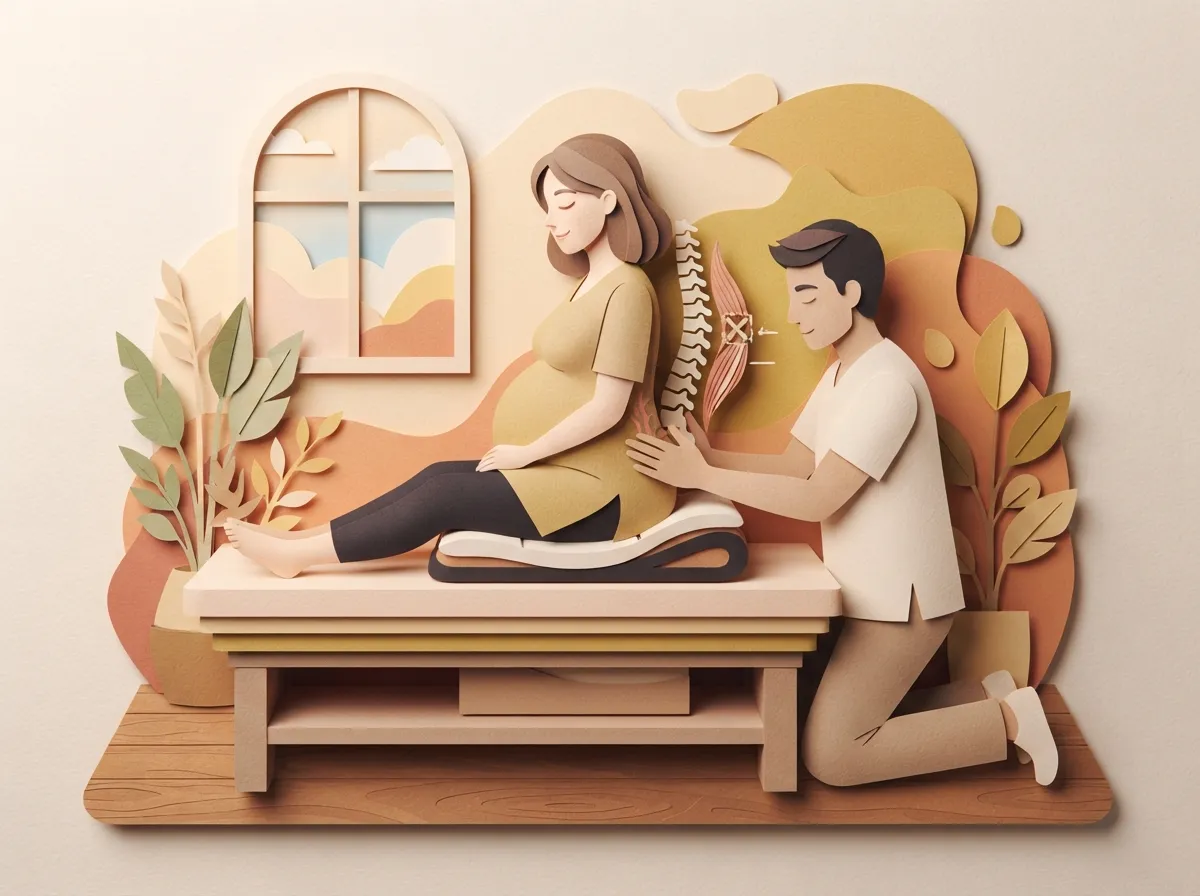
A skilled prenatal massage therapist doesn’t just rub your back and call it done. They use techniques specifically designed for your changing body. Here’s how a session typically helps:
- Reduces muscle tension: Gentle kneading loosens the tight muscles around your spine and hips that work overtime to support your growing belly.
- Improves circulation: Better blood flow can ease swelling and help deliver oxygen to tired, overworked muscles.
- Calms the nervous system: Touch therapy lowers stress hormones, which can reduce how intensely you perceive pain.
- Encourages better posture awareness: Working through tight areas can help you notice and correct postural habits that worsen back strain.
- Promotes better sleep: Less pain and lower stress often mean more restful nights, which everyone growing a baby desperately needs.
Many of our clients also enjoy adding aromatherapy to their session for an extra layer of calm. It’s a lovely way to turn a therapeutic appointment into a true moment of self-care.
Is Prenatal Massage Safe in the First Trimester?
This is one of the most common questions we hear, and it’s a great one to ask. Many massage therapists prefer to wait until after the first trimester before booking a prenatal session, simply out of caution during this sensitive time. Always check with your obstetric provider first, especially if you have any pregnancy complications or a history of pregnancy loss.
According to the American College of Obstetricians and Gynecologists (ACOG), massage is generally considered an option throughout pregnancy for healthy people. The key is always telling your therapist you’re pregnant, even if you’re not showing yet. This helps them adjust positioning, pressure, and technique right from the start.
What Position Is Safest for a Prenatal Massage?
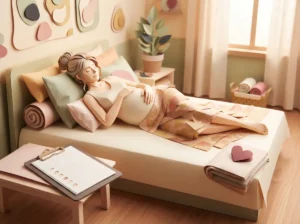
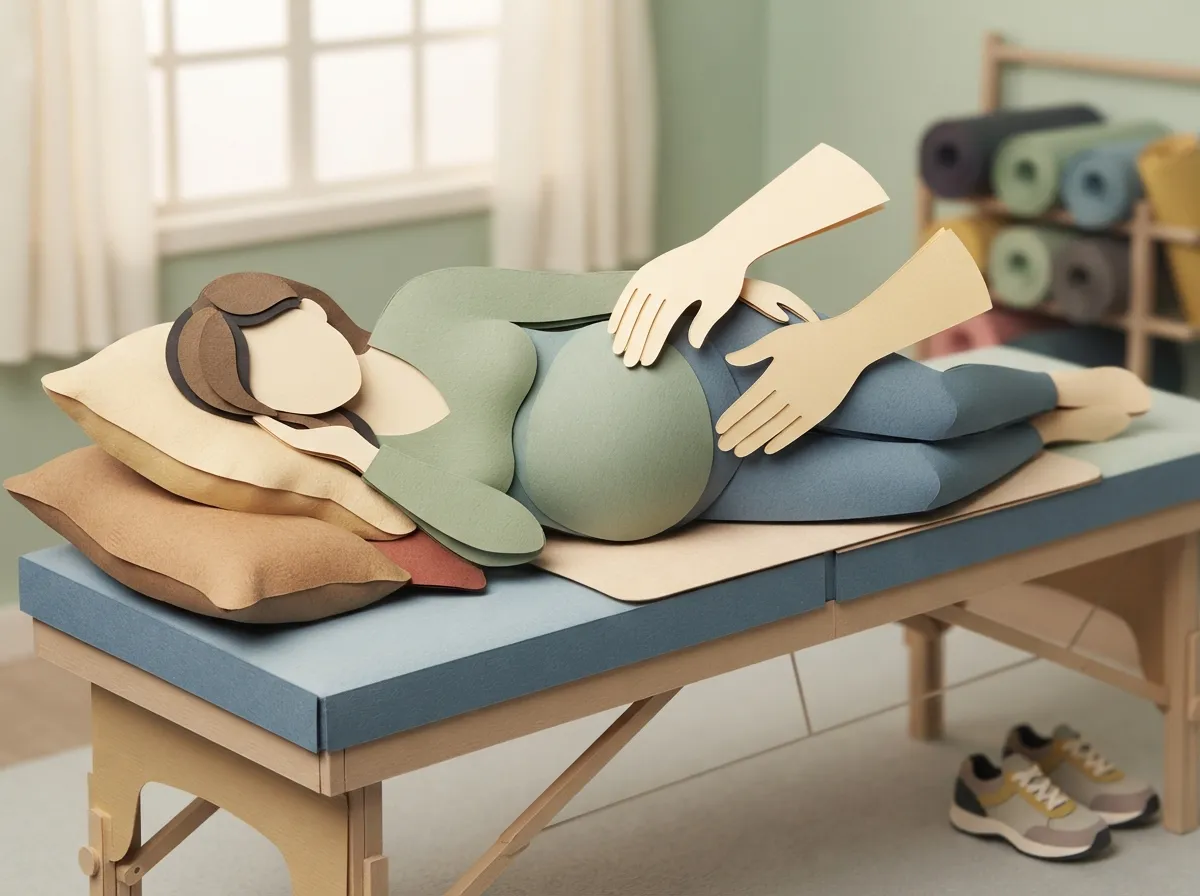
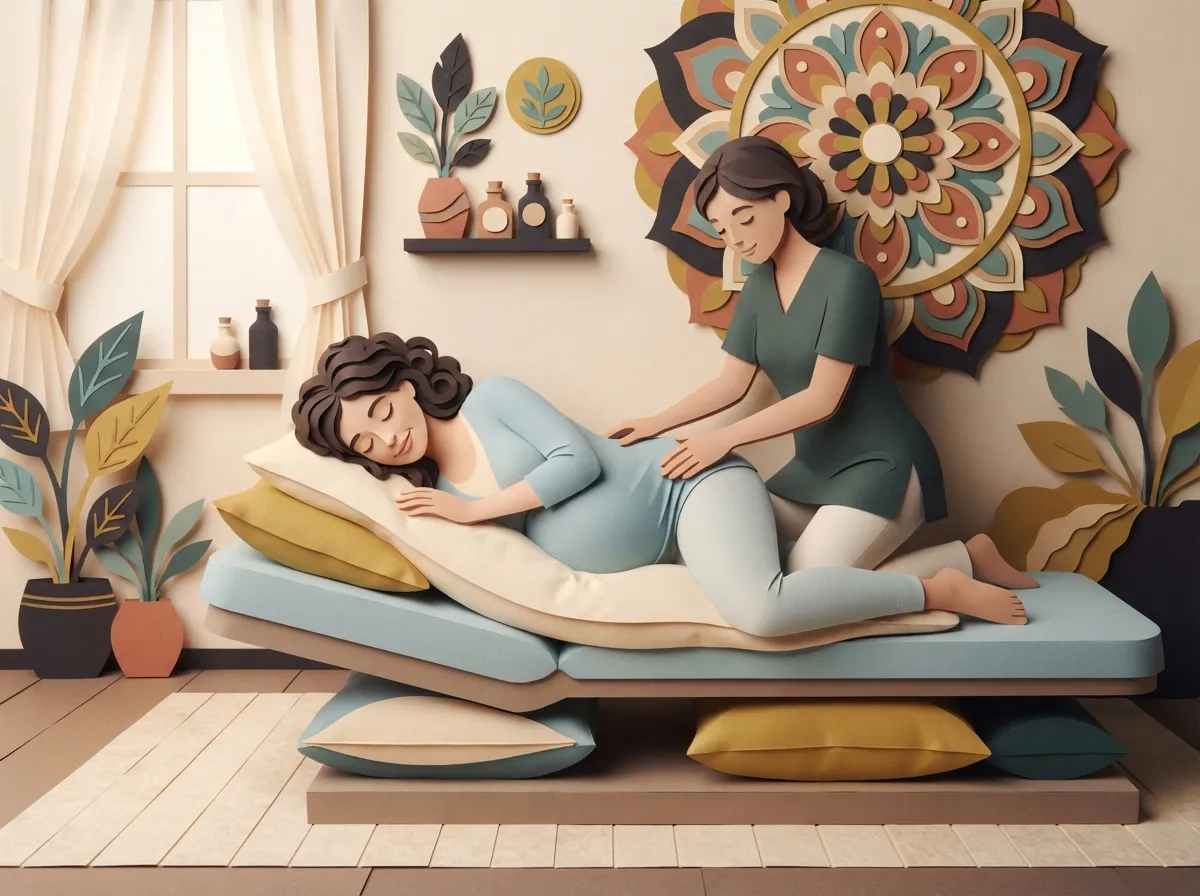
You might be picturing the classic face-down massage table position. That’s actually not recommended once your belly starts growing! ACOG specifically recommends side-lying positioning rather than lying face-down during pregnancy massage.
Here’s what a safe, comfortable prenatal massage setup typically looks like:
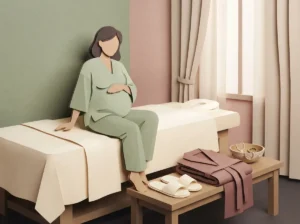
- Side-lying position: You’ll lie on your side, supported by pillows or bolsters that cradle your belly and support your top leg.
- Supported seated position: Some therapists use a specially designed chair or seated setup for certain areas of the body.
- Avoiding prolonged back-lying: Especially later in pregnancy, lying flat on your back for extended periods is generally avoided since it can compress major blood vessels.
- Gentle pressure adjustments: Your therapist will check in with you throughout to make sure pressure feels good, never painful.
A well-trained therapist will ask about your due date, any symptoms you’re having, and relevant medical history before you even get on the table. This isn’t just politeness. It’s how they customize your session to be both safe and effective.
How Often Can You Get a Prenatal Massage While Pregnant?
There’s no single right answer here since every pregnancy and every body is different. Many of our clients at Luna Massage Studio find that a session every two to four weeks works well for ongoing comfort. Others prefer more frequent visits during particularly achy stretches, like the third trimester.
Listen to your body and budget what feels sustainable for you. Some expectant moms treat themselves monthly as part of a broader wellness routine, similar to how our Reiki healing clients build regular sessions into their self-care rhythm. Others save massage for weeks when back pain flares up more than usual. Both approaches are perfectly valid.
Choosing the Right Prenatal Massage Therapist
Not every massage therapist has specialized prenatal training, so it’s worth asking a few questions before you book. Here’s what to look for:
| What to Check | Why It Matters |
|---|---|
| Prenatal-specific training or certification | Ensures they know safe positioning and pressure techniques for pregnancy |
| Comfort with adjusting positioning | You should never feel stuck in a position that hurts or feels awkward |
| Willingness to ask about your health history | Shows they’re prioritizing your safety, not just going through the motions |
| Experience with all trimesters | Your needs change a lot from month four to month nine |
| Clean, professional studio environment | Comfort and hygiene matter, especially when you’re already feeling vulnerable |
Curious what other moms-to-be have experienced? Take a look at our client reviews to see how prenatal sessions have helped real people in our community, or check out what people are saying on Yelp.
Can Massage Make Pregnancy-Related Back Pain Worse?
When done by a trained therapist, prenatal massage is generally very safe. That said, a 2021 systematic review of randomized trials noted that only two included studies even reported on potential side effects. The side effects that were reported tended to be minor and temporary, like brief soreness. Still, this tells us safety reporting across massage research is limited, so it’s smart to stay in communication with your therapist throughout your session.
If something feels off, painful, or simply uncomfortable, speak up right away. A good therapist wants that feedback and will adjust immediately. This is your body and your pregnancy, and your comfort always comes first.
When Should You Ask Your Doctor First?
Massage is wonderful for many pregnant people, but it’s not right for every situation without a doctor’s input first. Please check in with your obstetric provider before booking if you have:
- A high-risk pregnancy or history of pregnancy complications
- A history of preterm labor
- Significant swelling in your legs, hands, or face
- Any other medical concerns your doctor is currently monitoring
It’s also crucial to seek immediate medical care, not massage, if you experience severe or persistent pain, pain paired with fever or urinary symptoms, vaginal bleeding, contractions, or any numbness and weakness. These symptoms need a clinician’s assessment right away. Massage should never delay proper medical care for concerning symptoms like these.
Other Ways to Support Your Lower Back During Pregnancy
Since research shows exercise and education have strong evidence behind them for pregnancy-related back pain, it’s worth combining massage with other strategies. Consider these approaches alongside your massage routine:
- Gentle prenatal exercise: Walking, swimming, and prenatal yoga can strengthen supporting muscles and ease pressure on your spine.
- Supportive footwear: Skip the heels and choose shoes with good arch support during pregnancy.
- Sleep positioning: Side-sleeping with a pillow between your knees can take pressure off your lower back overnight.
- Posture awareness: Standing tall and avoiding slouching helps distribute your growing belly’s weight more evenly.
- Warm baths or heating pads: Gentle warmth (avoiding overheating) can soothe tight muscles between massage sessions.
Combining these habits with regular prenatal massage sessions gives you a well-rounded approach to feeling your best throughout pregnancy.
What to Expect During Your First Session at Luna Massage Studio
Walking into your first prenatal massage appointment can feel a little nerve-wracking if you’re not sure what happens. Here’s a simple rundown:
- Your therapist will ask about your due date, symptoms, and any health concerns
- You’ll be positioned comfortably on your side, supported by pillows
- Pressure will be gentle to moderate, always adjusted to your comfort
- You can request aromatherapy at no extra charge to enhance relaxation
- Sessions typically run 60, 75, or 90 minutes, depending on your preference
We know choosing where to book matters, especially during pregnancy. We’d love for you to see what our Luna Massage Studio community says about their experience by checking us out on Visit us on Google — Luna Massage Studio. You can also follow along with wellness tips and studio updates on our Instagram page.
Bringing It All Together
So, can prenatal massage help with lower back pain in pregnancy? For many expectant moms, yes, it offers welcome comfort, relaxation, and a chance to feel cared for during a physically demanding season. Just remember to treat it as one part of a bigger comfort plan that includes movement, good posture, and your doctor’s guidance. Every pregnancy is unique, and what works beautifully for one mom might need tweaking for another.
If you’re in the Falls Church area and ready to give your back some well-deserved attention, our team would love to help. We also offer Gua Sha and cupping add-ons for clients looking for extra targeted relief once cleared by their provider. Ready to feel more comfortable in your changing body? Book Now and let our team take great care of you, or feel free to reach out with any questions before your first visit. You deserve this moment of comfort and calm, mama.
FAQs
Q: Can prenatal massage relieve lower-back pain during pregnancy?
A: It often can! Many pregnant women feel real relief from lower-back discomfort after a prenatal massage session. Just keep in mind research shows it works best alongside exercise and good posture habits, not as a standalone cure.
Q: Is prenatal massage safe in the first trimester?
A: Many therapists prefer waiting until after the first trimester, though every studio has its own approach. Always chat with your doctor first, especially if you have any pregnancy complications or concerns.
Q: How often can you get a prenatal massage while pregnant?
A: There’s no one-size-fits-all answer here. Many of our clients love a session every two to four weeks, while others book more often during achy stretches like the third trimester.
Q: What position is safest for a prenatal massage?
A: Side-lying with supportive pillows is the go-to safe position, especially as your belly grows. ACOG recommends avoiding face-down or prolonged flat-on-your-back positioning during pregnancy massage.
Q: When should I ask my doctor before booking a prenatal massage?
A: If you have a high-risk pregnancy, history of preterm labor, significant swelling, or any other medical concerns, check with your obstetric provider first. Always seek medical care right away for severe pain, bleeding, or contractions rather than booking a massage.
Our Service Area