Key Takeaways
-
Physical therapy requires 8-10 years of education (DPT degree) and can formally diagnose movement disorders, making it essential for post-surgical recovery and specific injuries, while massage therapists complete 500-600 hours of training for soft tissue work and stress relief.
-
Massage therapy delivers immediate pain relief and is ideal for stress, muscle tension, headaches, and athletic recovery, with research showing it outperforms routine physical therapy in certain measures for chronic low back pain.
-
Physical therapy and massage therapy work synergistically: massage loosens tight muscles before PT exercises and reduces anxiety, while physical therapy strengthens weak areas and improves movement patterns that massage alone cannot address.
-
Choose massage therapy first for non-injury concerns like stress, general soreness, and sleep issues; choose physical therapy for diagnosed movement disorders, post-surgery recovery, and specific sports injuries requiring structured rehabilitation.
-
Massage therapy offers cost-effective wellness at $125-165 per session and is rarely covered by insurance, while physical therapy is often insurance-covered but requires specialist visits and diagnostic costs, making massage more accessible for everyday wellness.
-
Add-on treatments like cupping, Gua Sha, and aromatherapy ($35 per 15 minutes) can enhance massage therapy results for chronic pain and deep tissue tension beyond standard massage techniques alone.
Your back aches. Your shoulders feel like concrete. You know you need help, but you’re not sure where to turn. Should you book a massage or see a physical therapist? This is one of the most common questions people ask when they’re dealing with pain or muscle tension. And honestly, the answer isn’t always obvious.
Both massage therapy and physical therapy use hands-on techniques to help your body feel better. But they work in very different ways and serve different purposes. Understanding the difference can save you time, money, and frustration. It can also help you get the right kind of care faster.
In this guide, we’ll break down exactly what each approach offers, when to choose one over the other, and how they can even work together. Whether you’re a busy professional in Falls Church, an athlete recovering from training, or a senior managing chronic pain, this comparison is for you.
What Is Massage Therapy?
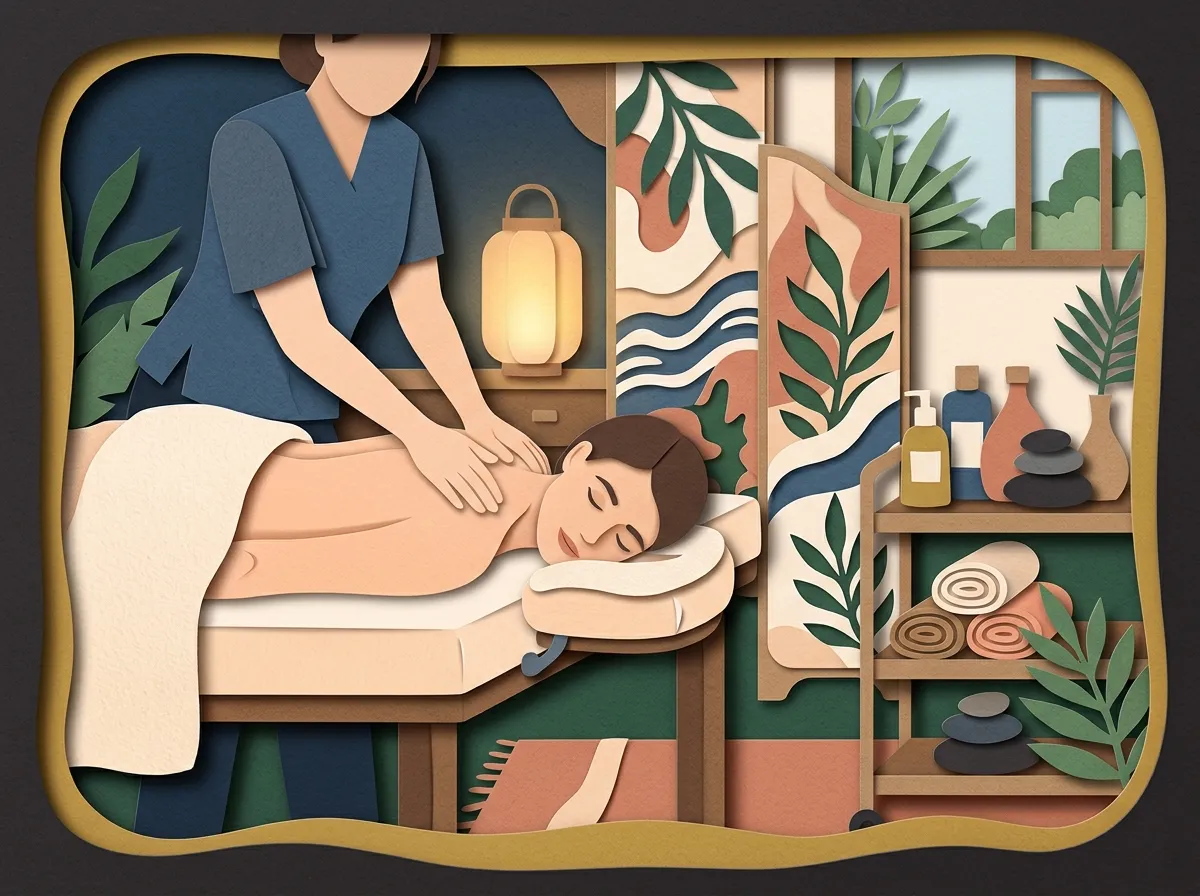
Massage therapy is the hands-on manipulation of soft tissues. This includes your muscles, tendons, fascia, and connective tissue. A licensed massage therapist uses their hands, forearms, and sometimes elbows to apply pressure, stretch tissue, and improve circulation.
The goals of massage therapy include reducing muscle tension, promoting relaxation, improving blood flow, and relieving pain. It’s widely used for stress reduction, tension headaches, general soreness, and overall wellness. Many people also use massage as part of a regular self-care routine to maintain their physical and mental health.
Massage therapists typically complete 500–600 hours of training and must obtain state licensure or certification. This training covers anatomy, physiology, massage techniques, and client care. At Luna Massage Studio in Falls Church, VA, our licensed therapists are trained in a wide range of techniques to meet your specific needs.
What Is Physical Therapy?
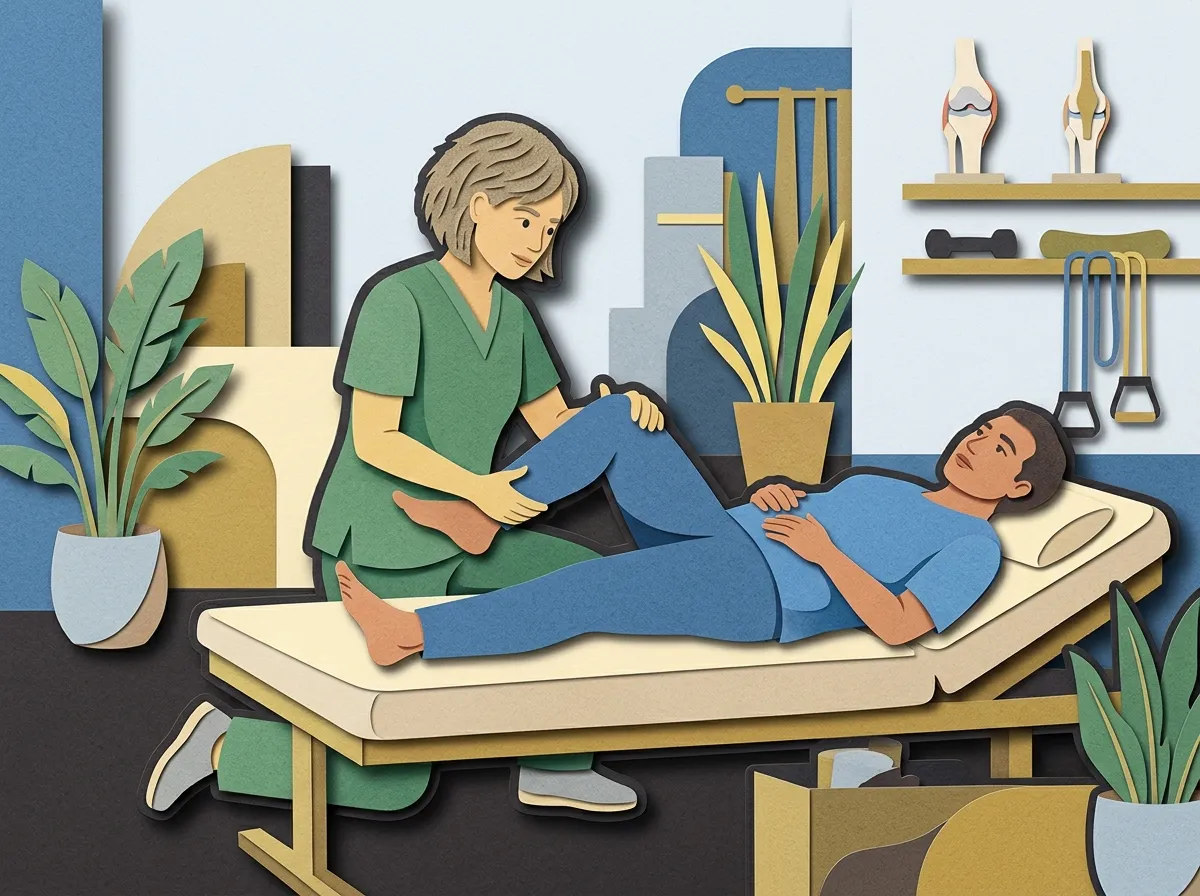
Physical therapy is a licensed healthcare profession. Physical therapists assess, diagnose, and treat movement dysfunction and physical injury. They work with patients recovering from surgery, managing chronic conditions, or healing from specific injuries.
Physical therapists use a combination of tools: exercise programs, manual therapy, electrical stimulation, ultrasound, and more. Their primary goal is to restore function, improve mobility, and prevent future injury. Physical therapists typically earn a Doctor of Physical Therapy (DPT) degree, which requires up to 8–10 years of education and clinical training.
Because of their medical training, physical therapists can formally diagnose movement disorders and create structured rehabilitation plans. This makes them ideal partners for post-surgical recovery and injury rehabilitation.
Massage vs Physical Therapy: A Side-by-Side Comparison
Let’s look at how these two approaches stack up against each other across the most important categories.
| Category | Massage Therapy | Physical Therapy |
|---|---|---|
| Primary Focus | Relaxation, pain relief, wellness | Rehabilitation, function, movement |
| Training Hours | 500–600 hours | 8–10 years (DPT degree) |
| Average Salary | ~$45,738/year | ~$82,373/year |
| Best For | Stress, muscle tension, headaches, wellness | Post-surgery, injury rehab, chronic conditions |
| Session Style | Hands-on soft tissue work | Exercise, manual therapy, modalities |
| Speed of Relief | Often immediate after session | Gradual over multiple sessions |
| Insurance Coverage | Rarely covered | Often covered |
When Should You Choose Massage Therapy?
Massage therapy shines in several situations. If your main concern is stress, muscle tightness, or general aches and pains, massage is often the perfect starting point. It delivers fast relief and helps your nervous system shift into a calmer, more relaxed state.
Here are the best situations to choose massage therapy:
- You’re dealing with chronic stress or anxiety. Regular massage lowers cortisol levels and promotes deep relaxation. This is especially helpful for busy professionals and high-stress individuals.
- You have muscle tension or soreness. Whether it’s from sitting at a desk all day or pushing hard at the gym, a deep tissue massage can release tight muscles and restore comfort quickly.
- You want to support athletic recovery. Athletes benefit enormously from sport massage, which targets overworked muscles and helps reduce soreness after training.
- You’re pregnant and uncomfortable. Prenatal massage is specially designed to ease the aches and discomforts of pregnancy safely and gently.
- You want preventative wellness care. Regular massage helps maintain flexibility, improve sleep, and support immune function before problems start.
Research backs this up too. A 2014 study found that massage therapy significantly improved pain intensity and disability scores in people with subacute and chronic nonspecific low back pain — outperforming routine physical therapy in certain measures. For more on this, check out our article on whether massage can help with chronic pain.
When Should You Choose Physical Therapy?
Physical therapy is the right choice when you’re dealing with a specific injury, post-surgical recovery, or a diagnosed medical condition affecting your movement. Physical therapists are trained to assess biomechanical dysfunction and create individualized rehabilitation plans.
Here are the best situations to choose physical therapy:
- You’re recovering from surgery. Post-surgical rehab requires structured, medically guided care to restore movement and prevent complications.
- You’ve been diagnosed with a movement disorder. Conditions like scoliosis, frozen shoulder, or nerve damage need targeted clinical treatment.
- You have a specific sports injury. Torn ligaments, stress fractures, or tendinitis require more than soft tissue work — they need a rehabilitation program.
- You need a formal diagnosis. If you don’t know what’s causing your pain, a physical therapist can assess and diagnose the underlying issue.
Types of Massage Therapy and Their Benefits
One of the greatest strengths of massage therapy is its variety. Different techniques address different needs. Here’s a quick overview of the main types and what they’re best for:
| Massage Type | Best For | Intensity Level |
|---|---|---|
| Swedish Massage | Relaxation, stress relief, general wellness | Light to medium |
| Deep Tissue Massage | Chronic muscle tension, deep knots, pain | Medium to firm |
| Sport Massage | Athletic performance, recovery, injury prevention | Medium to firm |
| Prenatal Massage | Pregnancy discomfort, back pain, relaxation | Gentle |
| Aromatherapy Massage | Mood enhancement, stress, anxiety | Light to medium |
| Reiki Healing | Energy balance, emotional wellness, stress | Non-invasive |
Reiki Healing is a Japanese energy healing technique that complements massage therapy beautifully, especially for clients dealing with anxiety, emotional stress, or fatigue. You can learn more about it in our article on what healing Reiki is and how it helps.
Can Massage Therapy and Physical Therapy Work Together?
Absolutely — and in many cases, they work even better together than alone. Think of it like a team. Physical therapy addresses the root causes of movement dysfunction. Massage therapy relieves the muscle tension, stress, and discomfort that makes recovery harder.
Here’s how they complement each other:
- Massage loosens tight muscles before physical therapy exercises, making movement easier and less painful
- Physical therapy strengthens weak areas that massage alone can’t fix
- Massage reduces anxiety and stress, helping you show up to physical therapy sessions in a better mental state
- Physical therapy improves posture and movement patterns, while massage keeps muscles flexible and tension-free
- Together, they create a more complete approach to pain management and recovery
Many people in Falls Church use both approaches at different stages of recovery. You might start with physical therapy after an injury, then transition to regular massage sessions for ongoing maintenance and wellness. This is a smart, whole-body strategy.
Add-On Treatments That Enhance Massage Therapy
One advantage massage therapy has is the ability to layer in powerful add-on treatments. These can take your session to the next level and target specific concerns that standard massage may not fully address.
- Cupping: Uses suction cups to release deep tissue tension and improve blood flow. Great for chronic pain and muscle knots. Learn more in our guide to cupping therapy.
- Gua Sha: An ancient scraping technique that releases surface tension, reduces inflammation, and promotes healing. Read about it in our article on Gua Sha massage therapy for modern pain.
- Aromatherapy: Free with any massage at Luna Massage Studio! Essential oils enhance relaxation and mood during your session.
These add-ons are available at Luna Massage Studio’s add-on services page and can be combined with any massage for just $35 per 15-minute session.
How to Choose the Right Option for Your Needs
Still not sure which path is right for you? Use this simple decision guide to help you figure it out.
| Your Situation | Recommended Option |
|---|---|
| High stress, trouble sleeping, general tension | Massage Therapy |
| Recovering from surgery or a serious injury | Physical Therapy |
| Muscle soreness from exercise or work | Massage Therapy |
| Diagnosed movement disorder or chronic condition | Physical Therapy (+ Massage) |
| Pregnancy discomfort | Prenatal Massage |
| Preventative wellness and self-care | Massage Therapy |
| Post-injury pain with ongoing muscle tension | Both Together |
If you’re still unsure, it never hurts to try massage first for non-injury-related concerns. It’s lower cost, immediately relaxing, and helps you understand your body better. You can always add physical therapy if needed.
What to Expect at Your Massage Session
If you’ve never had a professional massage, here’s what to expect:
- Intake consultation: Your therapist will ask about your health history, areas of concern, and goals for the session.
- Customized treatment: Your therapist will tailor pressure, technique, and focus areas to your needs.
- Aftercare advice: You’ll receive simple tips on hydration, stretching, and how often to schedule future sessions.
Our team at Luna Massage Studio makes this process easy and welcoming. You can read reviews from our happy clients to see what others have experienced. You can also visit us on Google — Luna Massage Studio to check our location, hours, and latest client feedback.
Want to know more before your first visit? Check out our guide on 12 things to know before visiting a massage therapy studio. We also recommend checking out our Instagram page to see our studio and services in action.
Massage Therapy Pricing at Luna Massage Studio
Here’s a quick overview of our massage pricing so you can plan your visit:
- Deep Tissue, Swedish, Sport, and Prenatal Massage: $125 (60 min) | $145 (75 min) | $165 (90 min)
- Reiki Healing: $125 (flat rate)
- Aromatherapy: FREE with any massage
- Gua Sha or Cupping Add-On: $35 per 15-minute add-on
Compared to physical therapy copays, specialist visits, and diagnostic costs, massage therapy is often a more accessible option for everyday wellness. You can also check out our Yelp reviews to see what clients in the area are saying about their experiences.
Making the Right Call for Your Wellness
When it comes to massage vs physical therapy, there’s no one-size-fits-all answer. Each person’s body, health history, and goals are different. But here’s the bottom line: massage therapy is a powerful, accessible, and deeply effective tool for managing pain, reducing stress, and improving your quality of life.
For most everyday concerns — tension, stress, soreness, sleep issues, and general wellness — massage therapy is an excellent first step. If you have a serious injury or medical condition, physical therapy may be the right primary care, with massage playing a supportive role.
The good news? You don’t have to choose forever. You can do both! Many of our clients at Luna Massage Studio use massage as a complement to their medical and physical therapy care. It’s all about finding what works best for you.
Ready to experience the difference for yourself? Book your session today and take the first step toward feeling better. Our friendly team in Falls Church, VA is here to help you find the right massage for your needs and goals. We look forward to welcoming you!
FAQs
Q: What is the main difference between massage therapy and physical therapy?
A: Massage therapy focuses on soft tissue manipulation to promote relaxation, reduce muscle tension, and provide pain relief — it’s a wonderful choice for stress, soreness, and general wellness. Physical therapy is a clinical healthcare discipline that diagnoses and treats movement disorders, often using exercise and rehabilitation programs. Think of massage as your wellness ally and physical therapy as your injury recovery specialist!
Q: Can massage therapy help with chronic pain like lower back pain?
A: Yes, absolutely! Research has actually shown that massage therapy can significantly improve pain intensity and disability in people with chronic nonspecific low back pain. Regular sessions targeting the muscles of the lower back and hips can bring real, lasting relief — and it feels amazing while it works.
Q: Is massage therapy considered a form of physical therapy?
A: Not exactly — they’re related but separate fields. Massage therapy is a standalone wellness and pain relief modality, while physical therapy is a licensed medical healthcare profession with a broader clinical scope. That said, many physical therapists do incorporate massage techniques into their treatment plans, and the two work beautifully together!
Q: When should I choose massage therapy over physical therapy?
A: Massage therapy is a great choice when you’re dealing with everyday stress, muscle tension, tension headaches, pregnancy discomfort, or general soreness from exercise. If your concern isn’t related to a specific injury, surgery, or diagnosed medical condition, massage is often the faster, more relaxing, and more accessible option. When in doubt, start with a massage — your body will thank you!
Q: Can I do both massage therapy and physical therapy at the same time?
A: Absolutely — and many people find that combining both gives them the best results! Physical therapy addresses the root causes of movement dysfunction, while massage therapy reduces muscle tension, lowers stress, and supports your overall recovery. Talk to both your massage therapist and physical therapist to create a plan that works for your body and schedule.