Key Takeaways
-
Current evidence does not show that massage causes miscarriage in uncomplicated pregnancies, though research on first-trimester massage is limited and some therapists wait until after 12 weeks as a precaution.
-
Always consult your prenatal care provider before booking first-trimester massage if you have a high-risk pregnancy, bleeding, spotting, abdominal pain, clotting concerns, or other medical complications.
-
Choose a therapist trained specifically in prenatal massage who uses gentle to moderate pressure, positions you side-lying or semi-reclined, and avoids deep abdominal work and aggressive techniques.
-
Avoid lying flat on your stomach, deep leg pressure, painful aggressive techniques, intense heat treatments, and strong add-on techniques like cupping unless your therapist and provider approve.
-
Many first-time moms seek early massage to ease back and neck tension, reduce stress and anxiety, and improve sleep—all common pregnancy discomforts that massage can safely address.
-
Communicate openly with your therapist about your health history, pregnancy stage, pressure preferences, and comfort signals; your wellbeing comes first and good therapists check in frequently.
You just saw those two pink lines, and now your back aches, your feet are tired, and your mind is racing. It makes sense to wonder if a massage could help. It also makes sense to wonder if it is safe so early on. You are not alone in asking, and it is a smart question to ask before you book.
So, is prenatal massage safe in the first trimester? For many people with an uncomplicated pregnancy, it can be. Current evidence does not show that massage causes miscarriage. Still, research on first-trimester massage is limited, and some therapists choose to wait until after 12 weeks. This guide walks you through what we know, what to ask, and how to make a choice that feels right for you.

The Short Answer: It Depends on You
There is no single rule that fits every pregnancy. For an uncomplicated pregnancy, the evidence we have does not show that massage itself raises the risk of miscarriage. A 2023 review looked at known body processes and miscarriage risk factors. It found nothing to suggest that massage increases that risk. The same review also noted that direct clinical trials on first-trimester massage are lacking.
Here is the part that often gets lost. Miscarriage is more common in the first trimester, but that timing does not mean massage is the cause. Most early losses happen for reasons that have nothing to do with anything you did or did not do.
That said, “limited research” is not the same as “proven safe for everyone.” That is why screening, training, and a quick check with your care provider matter so much.

Why Some Therapists Wait Until After 12 Weeks
If you have called a few studios, you may have heard different answers. Some say yes. Some say “come back in the second trimester.” Both can be responsible choices.
The first trimester is generally the first 12 weeks of pregnancy. Waiting until week 12 is a precaution, not a rule backed by strong evidence. A 2023 review found that just over 25% of surveyed massage therapists agreed or strongly agreed that massage should be avoided in the first trimester. So you are not imagining the mixed messages.
Here are common reasons a therapist may wait:
- Peace of mind. If a loss happens, no one wants to wonder if massage played a part, even though there is no evidence that it does.
- Limited research. Without strong trials, some practices choose to be extra careful.
- Training level. Not every therapist has advanced prenatal training, and early pregnancy needs thoughtful screening.
- Studio policy. Some businesses set a 12-week minimum for all clients.
None of these reasons mean you did anything wrong by asking. A therapist who explains their policy kindly is one you can trust.
Who Should Check With Their Doctor First
Always feel free to talk with your prenatal care provider before booking. It becomes especially important if any of these apply:
- Your pregnancy is considered high-risk.
- You have had any bleeding or spotting.
- You have abdominal pain or cramping.
- You have a history of blood clots or clotting concerns.
- You have other medical conditions or pregnancy complications.
If any of these sound familiar, a good therapist will pause and ask you to get medical guidance first. That is not a brush-off. It is care. Your provider knows your full history, and they can tell you if massage makes sense for you right now.
First Trimester Massage: Safe vs. Use Caution
Early pregnancy is a bit different from later months. Your belly is not showing yet, but your body is already working hard. Here is a quick look at how a careful first-trimester session may differ from a regular one.
| Topic | Typically Fine With a Trained Therapist | Discuss First or Avoid |
|---|---|---|
| Pressure | Gentle to moderate pressure | Painful, aggressive, or very deep work |
| Position | Side-lying or supported semi-reclined | Lying flat on the stomach for long periods |
| Legs | Light, soothing strokes | Deep pressure, especially with clotting risk |
| Abdomen | Skip or keep very light | Direct or deep belly work |
| Add-ons | Ask your therapist and provider | Intense treatments without approval |
| Timing | Healthy, uncomplicated pregnancy | Bleeding, pain, or high-risk pregnancy |
Use this as a conversation starter, not a rulebook. Your therapist and your care provider can help you fine-tune what is right for your body.
Best Positions for Early Pregnancy Massage
Comfort is the goal. Your body may already feel different, with tender breasts, nausea, or fatigue, so the setup matters.
- Side-lying. This is a popular choice. ACOG notes that side-lying is preferable to lying facedown. Pillows support your belly, hips, and knees.
- Semi-reclined. A supported, propped-up position can feel great if lying on your side is not comfortable.
- Easy changes. You should be able to stop, shift, or take a break at any time. No explanation needed.
A good therapist will check in often. They will ask about pressure, warmth, and comfort. If you feel dizzy or queasy, say so right away. Morning sickness can pop up any time of day, and your therapist will understand.
What to Avoid in a First Trimester Massage
Think “soothing,” not “deep and intense.” Here is what to steer clear of unless your provider and therapist say otherwise:
- Painful or aggressive techniques. Gentle to moderate pressure is the standard approach.
- Deep leg work with clot concerns. Deep pressure on the legs is a concern when blood clots or clotting risks are present.
- Abdominal work. Talk with a qualified prenatal therapist and your clinician before any belly work.
- Overheating. Skip hot, intense heat treatments. Stay comfortable and cool.
- Strong add-on techniques. Ask first about options like cupping or Gua Sha, and get your provider’s okay.
This is exactly why training matters. A therapist who knows prenatal care can adjust each technique to fit your stage of pregnancy.
How to Choose the Right Therapist
The person on the table with you matters just as much as the technique. Look for someone trained in prenatal massage who listens well and answers your questions without rushing you. If you want help finding the right fit, check out our guide on how to find a certified prenatal massage therapist near you.
Here is a simple step-by-step plan you can follow:
- Ask about training. Confirm they have prenatal massage experience.
- Share how far along you are. Even a few weeks matters.
- Disclose your health history. Mention bleeding, pain, clotting issues, or any complications.
- Talk about pressure and position. Agree on a comfort signal, like a simple hand raise or the word “pause.”
- Check with your care provider. Do this beforehand if you have any risk factors.
- Speak up during the session. Your comfort comes first, always.
At Luna Massage Studio in Falls Church, VA, we offer prenatal massage with a calm, careful approach. We take your stage of pregnancy and your comfort seriously, and we are always happy to talk through your questions before you book. If you are curious about what makes a good fit, our post on prenatal massage pros versus general therapists is a helpful read.
Why Many Moms-to-Be Want Massage Early On
Early pregnancy can be a lot. Hormones shift, sleep gets tricky, and stress can pile up fast. Many expectant moms look to massage for gentle relief and a moment to breathe.
Common reasons include:
- Easing back, neck, and shoulder tension
- Calming stress and anxiety
- Supporting better rest and relaxation
- Taking a quiet break from a busy week
If stress is a big part of your story, you might enjoy reading about how prenatal massage may help with stress and anxiety. And if rest is your main struggle, see whether prenatal massage can help you sleep better.
One note on research. A 2021 systematic review found that only two included randomized trials reported potential massage side effects, and those effects were minor and short-lived. That evidence was not specific to the first trimester, so it is a hopeful sign rather than a final answer. It helps explain why a careful, individual approach is the way to go.
Planning Your Prenatal Massage Timeline
If you decide to wait until the second trimester, that is a perfectly fine choice. If you decide to start earlier with your provider’s okay, that can be fine too. Neither path makes you a better or worse mom.
To plan ahead, explore our guides on when to start prenatal massage and how to plan your prenatal massage schedule safely. You can also read who should not get a prenatal massage right now to see if any red flags apply to you.
For a wider look at the pros and cons, the American College of Obstetricians and Gynecologists shares helpful guidance on massage during pregnancy.
What a Gentle Session Looks Like
Wondering what actually happens? Here is a peek at a thoughtful early pregnancy visit.
- A warm welcome. You will chat about how you feel, how far along you are, and what you hope to get out of the visit.
- A quick health review. Your therapist asks about your history and any symptoms.
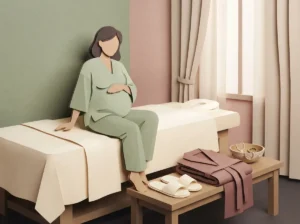
- A comfy setup. You get settled in a supported position with plenty of pillows.
- Gentle, steady work. The therapist uses soothing strokes with light to moderate pressure.
- Constant check-ins. You can change pressure or position whenever you like.
- A slow finish. You take your time getting up, drink some water, and rest.
You can also ask about our free aromatherapy add-on. If scents bother you in early pregnancy, which is very common, just say so. You can skip it with no fuss.
Looking for more options in the area? Our guide to prenatal massage near me in Falls Church covers what to expect locally. You can also visit our Luna Massage Studio location on Google to see photos and read reviews from clients, or follow us on Instagram for studio updates.
A Quick Look at Pricing
Prenatal massage at Luna Massage Studio is simple and clear.
| Session Length | Price |
|---|---|
| 60 minutes | $125 |
| 75 minutes | $145 |
| 90 minutes | $165 |
Many first-trimester clients start with a 60-minute session. It is a nice, easy way to see how your body feels.
Make the Choice That Feels Right
So, is prenatal massage safe in the first trimester? For many healthy, uncomplicated pregnancies, it can be, when it is done by a trained therapist who adapts pressure and position. The research is still limited, so there is no one-size-fits-all answer. Trust your instincts, talk with your care provider if you have any concerns, and choose a therapist who makes you feel safe and heard.
You deserve care that fits this special season. Whether you start now or wait for the second trimester, we would love to support you. Book your prenatal massage appointment today, or contact our team with any questions. We are here to help you feel calm, comfortable, and cared for.
FAQs
Q: Can I get a massage at 5 or 6 weeks pregnant?
A: Many people with an uncomplicated pregnancy can, but practices vary. Some therapists wait until after 12 weeks, while others proceed after careful screening. Check with your prenatal care provider first, and pick a therapist trained in prenatal massage.
Q: Can prenatal massage cause a miscarriage?
A: Current evidence does not show that massage causes miscarriage. A 2023 review found no known body process or risk factor linking massage to miscarriage, though direct trials are lacking. Miscarriage is more common in the first trimester for reasons unrelated to massage.
Q: Why do some massage therapists refuse first-trimester appointments?
A: Many therapists wait until 12 weeks as a precaution, since research is limited and they want to be extra careful. It is a policy choice, not a proven medical rule. Some studios also want therapists with extra prenatal training before seeing early-pregnancy clients.
Q: What positions are safe for massage during early pregnancy?
A: Side-lying with pillow support is a popular choice, and ACOG says it is preferable to lying facedown. A supported semi-reclined position also works well. You should be able to change position or stop at any time.
Q: Should I get my doctor’s approval before a prenatal massage?
A: It is a good idea to check in, especially if your pregnancy is high-risk or you have had bleeding, abdominal pain, or clotting concerns. A caring therapist will defer treatment and ask for medical advice when symptoms or risk factors call for it.
Our Service Area