Key Takeaways
-
Massage therapy increases blood flow to sore areas, delivering oxygen and nutrients that reduce swelling and speed up healing, making it especially effective for chronic muscle tightness.
-
Research analyzing 67 studies strongly recommends massage therapy as a legitimate pain management option, with 10 weeks of massage for lower back pain providing better long-term relief than medication or physical therapy alone.
-
Massage triggers your brain to release endorphins, natural painkillers that work without side effects, and can provide pain relief benefits lasting for days after a single session.
-
The 'pain gate' theory explains how massage stimulates nerve fibers that compete with pain signals to your brain, effectively blocking or reducing pain messages before they register.
-
Different massage types target specific pain needs: Swedish massage for arthritis and joint pain, deep tissue for chronic tension, sport massage for athletic recovery, and prenatal massage for pregnancy-related discomfort.
-
Massage offers a drug-free alternative to opioid medications for managing both acute injuries and chronic pain, with optimal frequency ranging from weekly for athletes to every 2-4 weeks for general maintenance.
If you’ve been popping pain relievers just to get through the day, we hear you—and we’ve got good news. Massage therapy isn’t just a nice treat for a spa day. It’s a real, science-backed way to ease pain and help your body heal. Whether you’re a busy professional carrying stress in your shoulders, an expecting mom with an aching back, an athlete pushing your limits, or someone managing arthritis, this article is for you.
At Luna Massage Studio in Falls Church, VA, we see it every day: clients walking in stiff and leaving lighter, calmer, and more comfortable in their own skin. This isn’t magic. It’s biology. Let’s walk through 11 truths about pain relief massage that are backed by research, so you can feel confident about making this part of your wellness routine.
1. Massage Increases Blood Flow to Sore Areas
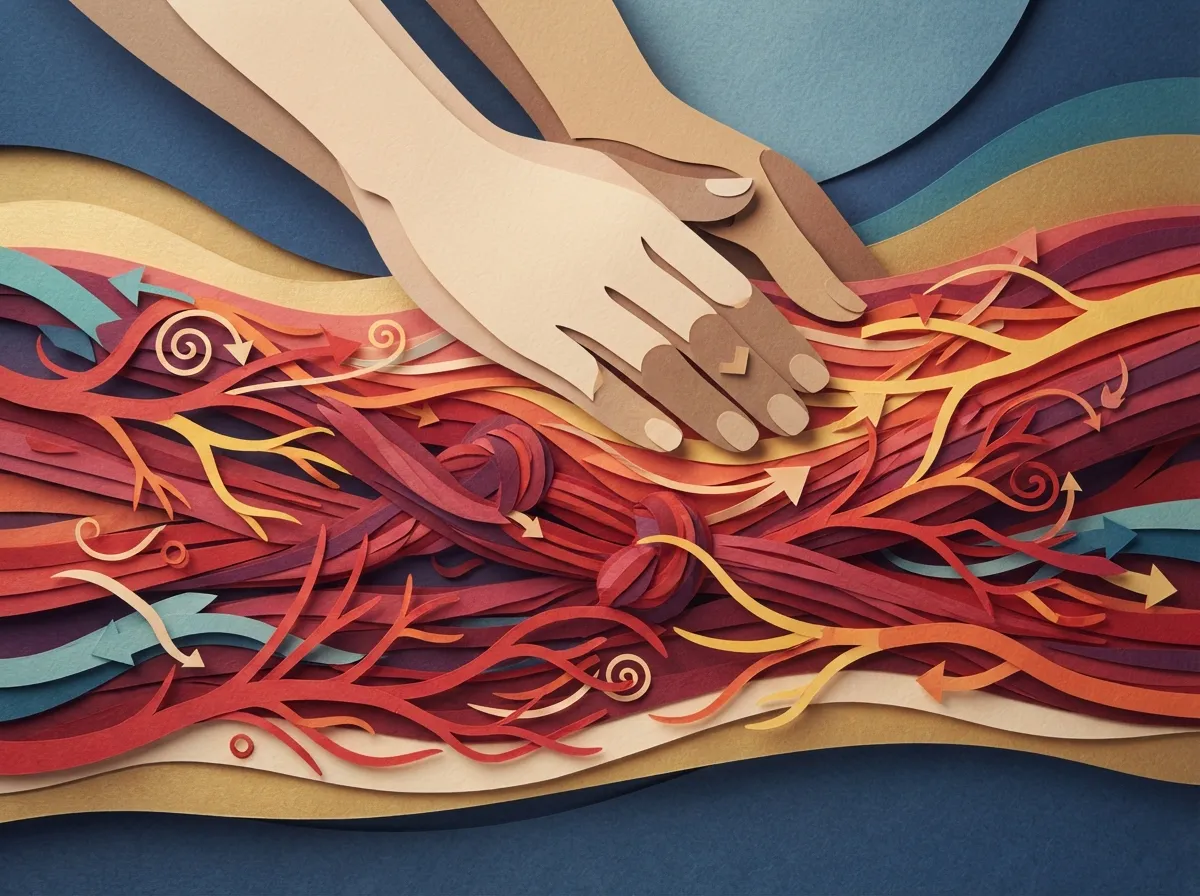
When a therapist works on a tight muscle, blood flow to that spot increases right away. More blood means more oxygen and nutrients reach the tissue. This helps reduce swelling and speeds up healing in areas that hurt the most.
Think of it like watering a dry plant. Your muscles need that fresh flow to recover from daily stress, workouts, or old injuries. This is one reason deep tissue massage works so well for chronic tightness.
2. Your Body Releases Natural Painkillers During Massage
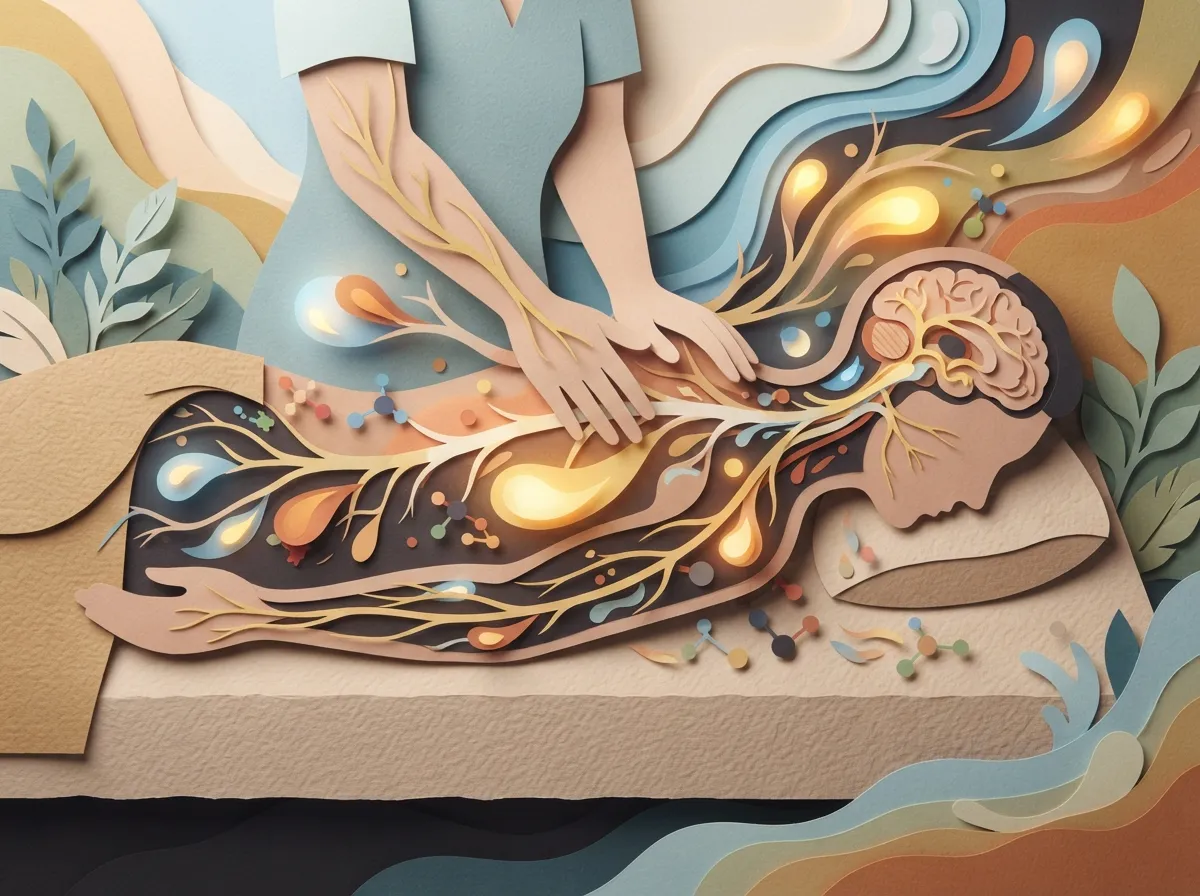
Here’s something cool: massage triggers your brain to release endorphins. These are your body’s own natural painkillers. They work a lot like medication, but without any side effects or trip to the pharmacy.
This is why many people feel a wave of calm and relief during and after a session. Your nervous system essentially gets a reset, and that good feeling can last for days.
3. Massage Therapy Is Strongly Recommended for Pain Management
This isn’t just our opinion. A report analyzing 67 different studies concluded that massage therapy should be strongly recommended as a pain management option, especially compared to doing nothing at all. That’s a big deal in the medical world.
It means massage isn’t just a luxury. It’s a legitimate tool that doctors and researchers agree can help people feel better and move more freely.
4. Chronic Lower Back Pain Responds Especially Well
If you deal with lower back pain, listen up. A study of 401 patients found that 10 weeks of massage therapy led to less pain and more activity than medication or physical therapy alone. Even better, the benefits lasted up to six months after treatment ended.
That’s the kind of long-term relief most people are searching for. If back pain has been holding you back, our guide to lower back pain massage types can help you find the right approach.
Why Lower Back Pain Responds So Well
- Massage relaxes tight muscles that pull on the spine
- Improved circulation reduces inflammation around nerves
- Regular sessions help correct posture habits over time
- Stress reduction lowers muscle tension that worsens pain
5. Massage Can “Close the Pain Gate” in Your Brain
There’s a theory called the “pain gate” that explains a lot about why massage feels so good. Basically, massage stimulates nerve fibers that compete with pain signals traveling to your brain. This can block or reduce the pain message before it even registers.
It’s like your nervous system has a limited number of phone lines, and massage keeps them busy with good news instead of bad. This is one reason a 60-minute massage two to three times weekly relieved chronic neck pain better than shorter sessions, according to a 2014 study.
6. Swedish Massage Helps With Arthritis and Joint Pain
If you or someone you love struggles with knee osteoarthritis, there’s encouraging news. A clinical trial found that one-hour Swedish massage sessions, done once or twice weekly, improved pain, stiffness, and function compared to no treatment at all.
A 2017 review of seven trials involving 352 participants also found that massage was better than doing nothing for reducing arthritis pain. For seniors managing joint discomfort, this kind of gentle, consistent care can make daily movement so much easier.
7. Massage Is a Real Alternative to Opioid Medication
Pain medication comes with real risks, including dependency. Massage therapy offers a drug-free option for managing both short-term injuries and long-term chronic pain. It won’t replace every medical treatment, but it’s a powerful piece of the puzzle.
Many people are turning to therapies like sport massage and deep tissue work instead of relying only on pills. It’s empowering to know you have options that work with your body, not against it.
8. Different Massage Types Target Different Pain Needs
Not all pain is the same, so not all massage should be either. Here’s a quick breakdown to help you figure out what might work best for you:
| Massage Type | Best For | Session Length | Starting Price |
|---|---|---|---|
| Deep Tissue | Chronic tension, old injuries | 60-90 min | $125 |
| Swedish | General relaxation, mild pain | 60-90 min | $125 |
| Sport Massage | Athletic recovery, muscle strain | 60-90 min | $125 |
| Prenatal | Pregnancy discomfort | 60-90 min | $125 |
| Reiki Healing | Stress, energy balance | Flat rate | $125 |
Curious about the difference between two popular options? Our article comparing Swedish versus deep tissue massage breaks it down simply.
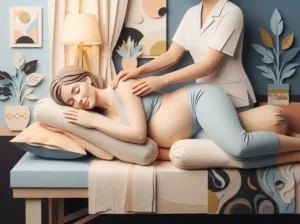
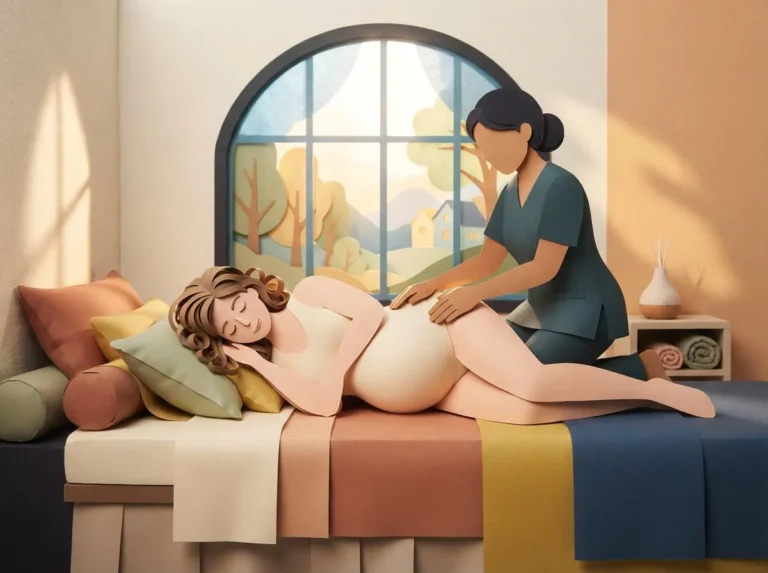
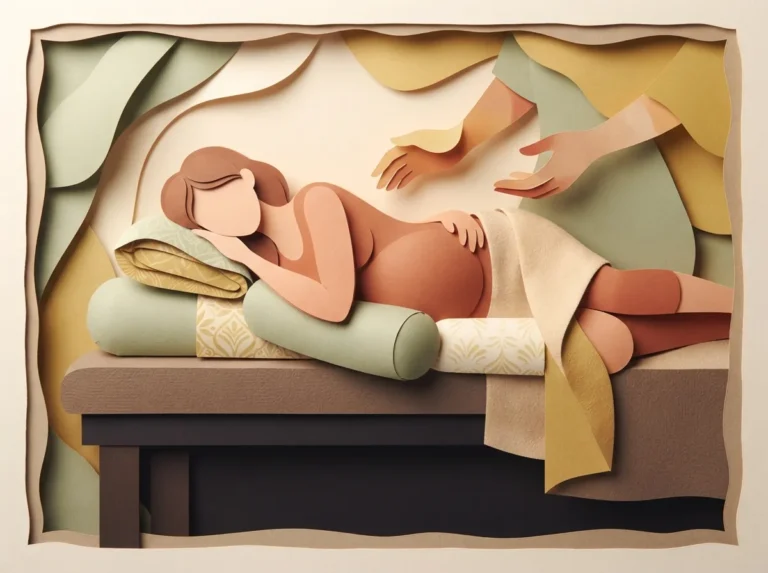
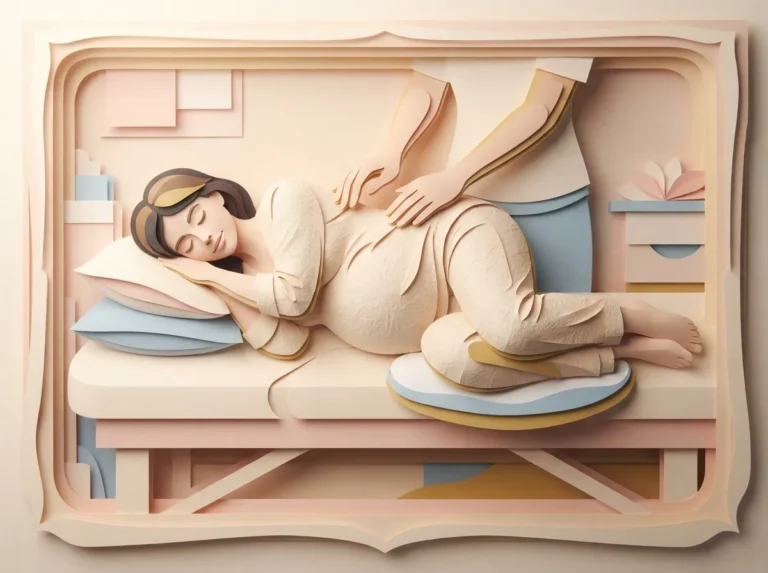
9. Pregnant Women Get Unique Pain Relief Benefits
Growing a tiny human is amazing, but it can also bring on backaches, swollen feet, and hip pain. Prenatal massage is designed specifically for these changes, using safe positioning and gentle pressure.
It’s not just about comfort either. Prenatal massage can help reduce stress hormones, improve sleep, and ease the tension that builds up as your body adjusts week by week. Many expecting moms tell us it’s the first time in months they’ve felt truly relaxed.
10. Athletes Recover Faster With Regular Massage
If you’re training hard, your muscles need more than rest days to bounce back. Sport massage helps flush out tension, improve flexibility, and reduce the risk of injury before it happens.
Here are three simple reasons active adults love this approach:
- It speeds up recovery time between workouts
- It helps identify tight spots before they become injuries
- It improves range of motion for better performance
Want to go deeper? Check out our post on how sports massage helps with muscle pain for more detail.
11. Add-On Treatments Boost Your Pain Relief Results
Sometimes a standard massage isn’t quite enough, and that’s where add-ons come in. These treatments pair perfectly with your massage session to target stubborn pain points.
- Gua Sha: Uses gentle scraping to release tension and improve circulation, 15 minutes for $35
- Cupping: Uses suction to release deep muscle tension and boost blood flow, 15 minutes for $35
- Aromatherapy: Free with any massage, adds a calming sensory element
Learn more about how cupping therapy works, or explore the ancient roots of Gua Sha massage therapy for modern pain relief.
How Often Should You Get a Pain Relief Massage?
This depends on your specific pain and goals. Here’s a simple guide to help you plan:
- Acute pain or injury: Once or twice weekly until symptoms improve
- Chronic conditions like arthritis: One to two times weekly for best results
- General maintenance and stress relief: Every two to four weeks
- Athletic training season: Weekly or biweekly depending on intensity
- Pregnancy discomfort: Every two to three weeks, adjusted by trimester
Beyond the Physical: Reiki and Energy Healing
Pain isn’t always just physical. Stress and emotional tension can make pain feel worse. That’s where Reiki healing comes in, a gentle energy-based practice that started in Japan in the late 1800s.
You can read more about the history and philosophy behind Reiki healing to understand how this practice aims to balance your body’s energy flow. Many wellness-focused clients pair Reiki with massage for a full mind-body approach to pain relief.
Why Choose Luna Massage Studio in Falls Church?
We know Falls Church has plenty of options, but our team focuses on real results, not just relaxation. From deep tissue work to prenatal care, every session is tailored to your specific pain points and goals.
Don’t just take our word for it. You can see real client experiences on our reviews page, follow our work on Instagram, or check out honest feedback on Yelp. You can also visit us on Google — Luna Massage Studio to see what our neighbors in Falls Church are saying.
Simple Steps to Start Your Pain Relief Journey
Ready to feel better? Here’s how to get started without any stress or confusion:
- Identify your main pain point (back, neck, joints, or general tension)
- Choose the massage type that fits your needs from our services
- Add Gua Sha or cupping if you need extra targeted relief
- Book a consistent schedule based on your pain level
- Track your progress and adjust frequency as needed
Massage therapy isn’t a one-time fix. It’s a relationship between you and your body, built over time with consistent care and attention.
Final Thoughts on Massage for Pain Relief
Pain doesn’t have to run your life. Whether you’re dealing with chronic back pain, recovering from a workout, managing pregnancy discomfort, or just trying to unwind after a long week, massage therapy offers real, research-backed relief. From boosting blood flow to releasing natural endorphins, your body already knows how to heal. Sometimes it just needs a little help getting there.
If you’re ready to feel the difference for yourself, our team at Luna Massage Studio is here to help you find the right approach for your body and your goals. Book Your Pain Relief Massage Today and take that first step toward feeling like yourself again. Or, if you have questions first, feel free to get in touch with our team anytime.
FAQs
Q: How does massage therapy reduce inflammation and pain?
A: Massage boosts blood flow to sore muscles and joints, which brings fresh oxygen and nutrients to the area. This helps calm inflammation and speeds up your body’s natural healing process, so you feel relief faster.
Q: Is massage therapy effective for chronic lower back pain?
A: Yes, and the research backs it up nicely! One study found that 10 weeks of massage led to less pain and more activity than medication or physical therapy, with benefits lasting up to six months.
Q: What is the ‘pain gate’ theory in relation to massage?
A: It’s the idea that massage stimulates nerve fibers that compete with pain signals heading to your brain. Basically, massage keeps those nerve pathways busy with good sensations, which helps block or reduce the pain message.
Q: How often should I get a massage for arthritis pain relief?
A: Many people find one to two Swedish massage sessions per week works best for joint pain and stiffness. It’s always a good idea to chat with your therapist about a schedule that fits your specific needs.
Q: Can massage therapy replace opioid medications for pain management?
A: For many people, massage offers a real, drug-free alternative for managing both acute and chronic pain. While it may not replace every medical treatment, it’s a powerful tool that works alongside your care plan.
Our Service Area