
Key Takeaways
-
Combo sessions typically last 75-120 minutes and combine hands-on massage (45-60 min) with gentle Reiki energy work (20-30 min), offering both physical tension relief and mental calm in a single appointment.
-
Research on Reiki shows mixed, low-quality results with no confirmed scientific mechanisms, while massage has weak-to-moderate evidence for specific conditions—treat the combo as a wellness relaxation practice, not a medical treatment.
-
Choose a practitioner trained in both massage therapy (licensed) and Reiki (certified), and always disclose medical conditions or pregnancy upfront; prenatal clients should specifically seek prenatal-trained therapists.
-
Typical pricing ranges from $125-165 for 60-90 minute massages plus a flat $125 Reiki rate, making combo sessions popular among busy professionals, athletes, and wellness-focused individuals seeking stress relief and recovery.
Feeling stressed, achy, and a little foggy lately? You’re not alone. Life in the Falls Church area moves fast, and sometimes your body and mind need more than one kind of care. That’s where a reiki and massage combo session comes in. It pairs hands-on massage with gentle Reiki energy work, giving you a chance to unwind on every level. Whether you’re a busy professional squeezing in a weekend appointment or a new parent-to-be looking for calm, this combo might be exactly what you need. Let’s walk through everything you should know before booking your first session.
At Luna Massage Studio, we blend traditional massage therapy with Reiki healing to help clients feel more relaxed, balanced, and cared for. Below, we break down 12 key facts about this popular combo, backed by research and real-world experience, so you can decide if it’s right for you.
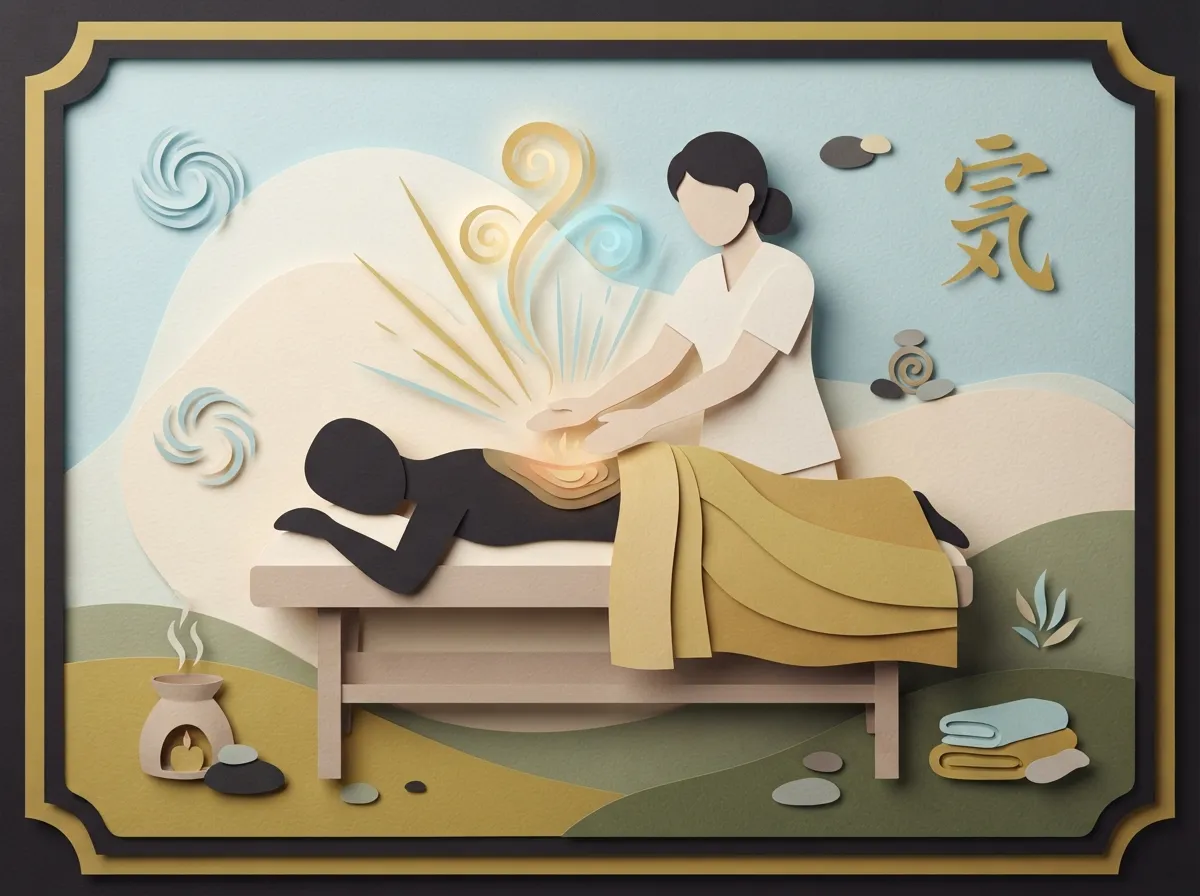
1. What Exactly Is a Reiki and Massage Combo Session?
A reiki and massage combo session mixes two different practices into one appointment. First, there’s hands-on massage, like Swedish, therapeutic, or relaxation techniques. Second, there’s Reiki, where the practitioner lightly rests their hands on or just above your body. Some studios do the massage first, then move into Reiki. Others blend the two together during the same session. There’s no single “correct” way to structure it, so it helps to ask your practitioner how they typically run things.

2. How Reiki Differs From Traditional Massage
Massage uses pressure, kneading, and stretching to work on your muscles and soft tissue. Reiki, on the other hand, is much gentler. The practitioner’s hands stay still, either touching lightly or hovering slightly above your skin. There’s no rubbing or pressing involved. Reiki is rooted in the idea of balancing your body’s energy, while massage focuses on physical tension and circulation. Together, they offer a nice contrast: one works the body, the other calms the mind.
Key Differences at a Glance
| Aspect | Massage Therapy | Reiki Healing |
|---|---|---|
| Touch Style | Firm to light pressure, kneading | Light touch or hovering hands |
| Goal | Muscle relief, circulation, relaxation | Calm, balance, stress reduction |
| Clothing | Usually undressed, draped with sheets | Fully clothed |
| Typical Duration | 60–90 minutes | 30–60 minutes |
3. What Happens During Your Appointment
When you arrive, your therapist will ask about your health history and any areas of concern. They’ll explain how the session will flow, including what part is massage and what part is Reiki. You’ll get clear information about draping, touch, and positioning before anything begins. This kind of open communication is a sign of a well-run, professional studio, like the ones described in our guide on what to know before visiting a massage therapy studio.
4. The Benefits People Report From Combining the Two
Clients often say the combo leaves them feeling deeply relaxed, both physically and mentally. Here are some benefits people commonly mention:
- A stronger sense of calm compared to massage alone
- Relief from everyday muscle tension
- Better sleep after the session
- A feeling of being “reset” mentally and emotionally
- Reduced stress levels heading into a busy week
It’s worth noting that these are wellness benefits, not medical treatments. The National Center for Complementary and Integrative Health (NCCIH) states that Reiki hasn’t been clearly proven to treat any specific health condition. Massage has some evidence behind it too, though it varies by condition. Think of this combo as a way to relax and reconnect, not a substitute for medical care.
5. How Long Does a Combo Session Typically Last
Most combo sessions run somewhere between 75 and 120 minutes, depending on how much time is spent on each part. A common setup looks like this:
- Health intake and consultation (5–10 minutes)
- Massage portion, such as Swedish or deep tissue (45–60 minutes)
- Reiki portion with light touch or hovering hands (20–30 minutes)
- Closing check-in to discuss how you feel (5 minutes)
Ask your studio how they divide the time, since every practitioner structures it a little differently.
6. Is It Safe During Pregnancy or With Health Conditions
Generally speaking, both Reiki and massage are considered gentle and low-risk. But pregnancy, recent surgery, blood clot risk, fractures, or certain conditions may require special modifications. If you’re expecting, it’s smart to choose a therapist trained specifically in prenatal massage rather than a standard combo session. Always tell your therapist about any medical conditions before you begin, and check with your doctor first if you have concerns.
Who Should Talk to a Doctor First
- Pregnant women, especially in the first trimester
- People recovering from surgery
- Those with blood clotting disorders
- Cancer patients currently in treatment
- Anyone with unexplained pain, fever, or neurological symptoms
7. What the Research Actually Says
It helps to know what science currently supports. Here’s a quick summary of the evidence:
| Practice | What Research Shows |
|---|---|
| Massage for low-back pain | Weak evidence of short-term benefit |
| Massage for neck pain | Possible short-term relief |
| Massage for arthritis pain | Low-to-moderate quality evidence |
| Reiki for pain, anxiety, depression | Limited, low-quality, inconsistent research |
A 2017 review of 13 Reiki studies found mixed results — some showed benefit over placebo, others didn’t. Meanwhile, Reiki healing remains a practice without confirmed scientific mechanisms, according to NCCIH. That’s okay! Many wellness practices are valued for how they make you feel, not just clinical outcomes.
8. How Popular Is Massage Therapy Right Now
Massage therapy is more mainstream than you might think. A 2024 analysis of over 27,000 U.S. adults found that 11.1% had seen a massage therapist in the past year. About 8.5% used massage for general health, and 6% used it specifically for pain relief. Interestingly, people who already use other complementary health practices, like Reiki, are more likely to also use massage. That overlap makes a combo session a natural fit for many wellness-minded clients.
9. Should Reiki Come Before or After the Massage
There’s no universal rule here, but many practitioners like to do massage first. This helps release physical tension so your body can settle into a more relaxed state. Reiki then works as a calming close, helping you transition out of the session feeling peaceful rather than rushed. Others prefer Reiki first, using it to quiet the nervous system before diving into deeper massage work. Feel free to ask your therapist what they recommend based on your goals.
10. How Much Does a Combo Session Typically Cost
Pricing varies depending on the length of the massage portion and whether Reiki is added as a separate service or bundled in. Here’s a general breakdown based on standard studio pricing:
| Service | Duration | Typical Price |
|---|---|---|
| Massage (Swedish, Deep Tissue, or Sport) | 60 min | $125 |
| Massage (Swedish, Deep Tissue, or Sport) | 90 min | $165 |
| Reiki Healing | Flat rate | $125 |
| Add-Ons (Gua Sha or Cupping) | 15 min | $35 each |
Many studios, including Luna Massage Studio, also offer complimentary aromatherapy massage as an add-on, which pairs beautifully with a Reiki and massage combo for an extra layer of relaxation.
11. How to Choose the Right Practitioner
Not every massage therapist offers Reiki, and not every Reiki practitioner is a licensed massage therapist. Look for someone trained in both, or a studio that employs specialists in each area. Here’s a quick checklist to guide your search:
- Confirm the therapist is licensed in massage therapy
- Ask about their Reiki training and certification level
- Read reviews from real clients, such as those on our reviews page
- Check for clear communication about consent, draping, and touch
- Look at photos and updates on platforms like Instagram or Yelp
You can also visit us on Google — Luna Massage Studio to see what real clients say about their experience.
12. Who Benefits Most From This Combo
Almost anyone can enjoy a Reiki and massage combo, but certain groups tend to love it most:
- Busy professionals needing a mental reset after a long week
- Athletes wanting recovery plus relaxation, similar to what’s covered in our sport massage services
- Seniors managing chronic stiffness who want gentle, calming care
- Wellness-focused individuals building a regular self-care routine
- Anyone feeling emotionally drained who wants a peaceful, screen-free hour
If you’re dealing with muscle tightness alongside stress, you might also explore our deep tissue massage options or add-ons like cupping therapy to round out your treatment plan.
Final Thoughts on Your Reiki and Massage Journey
A reiki and massage combo session offers something a little different: the physical relief of massage paired with the quiet calm of Reiki. It won’t cure medical conditions, but it can be a wonderful part of your self-care routine. Many clients in Falls Church say it’s become their favorite way to hit pause on a hectic week.
If you’re ready to feel lighter, calmer, and more like yourself again, we’d love to help. Book your Reiki and massage combo session today and experience the difference for yourself. Have questions first? Feel free to reach out to our team — we’re always happy to chat about what might work best for you.
FAQs
Q: What is included in a Reiki and massage combo session?
A: It typically combines hands-on massage, like Swedish or deep tissue, with Reiki, where the practitioner uses light touch or hovers their hands above your body. The exact mix depends on the studio, so it’s always a good idea to ask what portion is massage and what portion is Reiki before you book.
Q: How long does a Reiki and massage combo session last?
A: Most sessions run between 75 and 120 minutes total, though this varies by practitioner. Some studios split the time evenly, while others lean more heavily into one practice depending on your goals.
Q: Is Reiki massage safe during pregnancy?
A: Generally, yes, though it’s best to choose a therapist trained specifically in prenatal care rather than a standard combo session. Always chat with your doctor first, especially in the early stages of pregnancy, just to be safe.
Q: Can a Reiki and massage combo help with stress and anxiety?
A: Many clients say it helps them feel calmer and more relaxed, and that’s a totally valid reason to try it. Just keep in mind that current research on Reiki specifically is still limited, so think of it as a wellness boost rather than a medical treatment.
Q: How much does a Reiki and massage combo session cost?
A: Pricing depends on massage length and whether Reiki is bundled in or added separately. At Luna Massage Studio, standard massages start around $125 for 60 minutes, with Reiki offered at a flat rate of $125.
Our Service Area