Key Takeaways
-
Short-term anxiety relief is the best-supported benefit: a 2024 meta-analysis of 13 studies (824 adults) found a significant reduction in anxiety, though results varied across studies.
-
Reiki is not clearly shown to be effective for any health purpose, and the NCCIH notes much of the research is low quality, so it should never replace medical care.
-
A 2025 meta-analysis of 11 trials found only a small improvement in quality of life, so expect modest gains rather than dramatic change.
-
Most studies combined Reiki with massage, so the benefits seen cannot be attributed to Reiki alone; touch, rest, and attention may account for much of the effect.
-
Evidence for sleep, pain, fatigue, and mood is mixed or limited, so treat these as possibilities rather than promised outcomes.
-
Reiki is low risk and noninvasive with no pressure, making it a gentle first step; try one session to see how you feel before committing to a routine.
If you have ever wondered what are the proven benefits of Reiki healing, you are in good company. Reiki is a gentle, hands-on (or hands-just-above) practice that many people in Falls Church and beyond add to their wellness routines. Some swear it helps them feel calmer. Others are not so sure. So what does the science actually say?
Here is the honest answer: research suggests Reiki may help some people feel less stressed and anxious in the short term. But the evidence is mixed, and Reiki is not a cure for any disease. We think you deserve the real picture, not a sales pitch.
In this guide, we walk through 15 potential benefits, sorted by how well the research supports them. We will also explain how Reiki differs from massage, what the latest studies found, and who might enjoy it most. Whether you are a busy professional, an expecting mom, an athlete, a senior, or simply wellness-minded, grab a cup of tea and let’s dive in.
What Is Reiki, and How Does It Fit Into Massage Therapy?
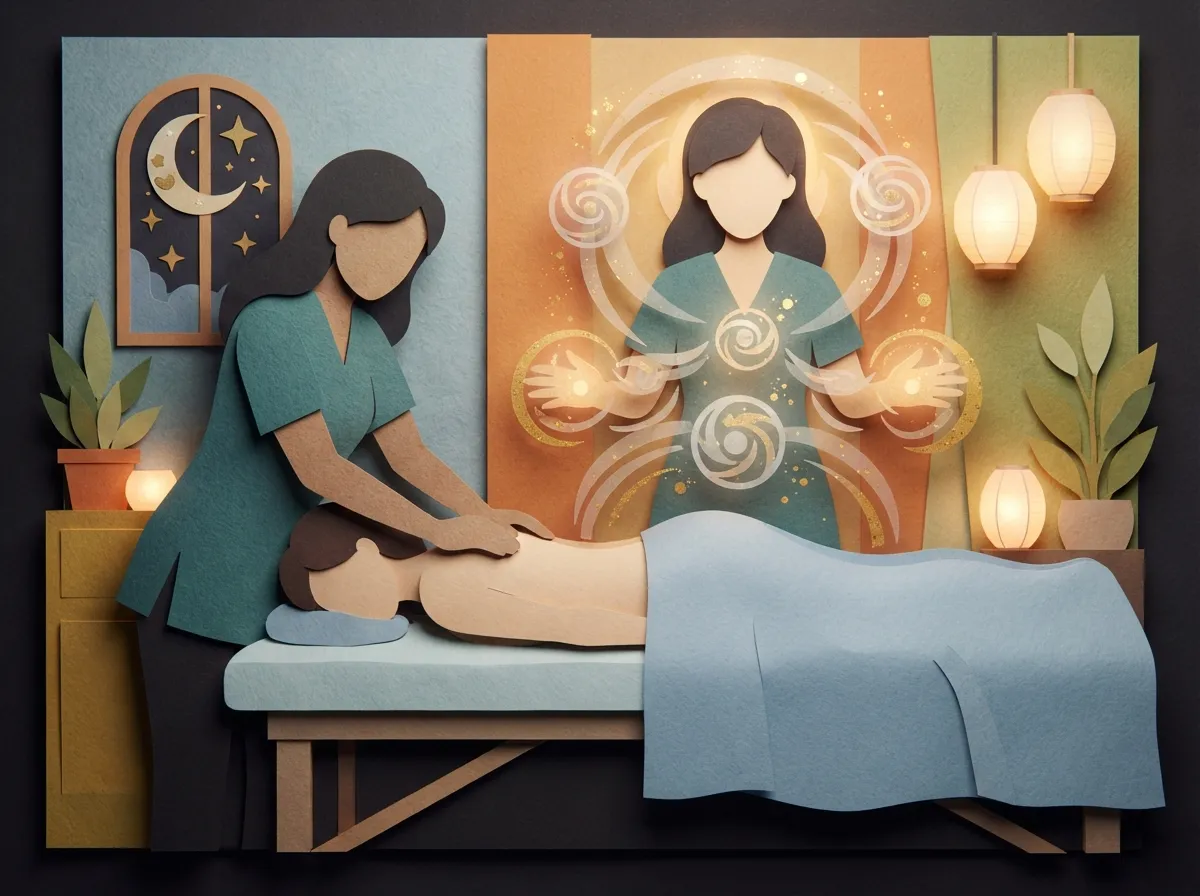
Reiki is a complementary practice that began in Japan in the late 1800s with Mikao Usui. A practitioner places their hands lightly on, or just above, a fully clothed client. The idea behind it is that a “life force energy” flows through us, and Reiki helps support that flow.
Here is an important point. Reiki is not massage. Massage uses kneading and manipulation of soft tissue. Reiki uses no pressure at all. Many studios, including Luna Massage Studio, offer both so you can choose what fits your needs. To learn more about the practice itself, see our guide on what Reiki healing is and how it works, or read the general overview of Reiki healing.
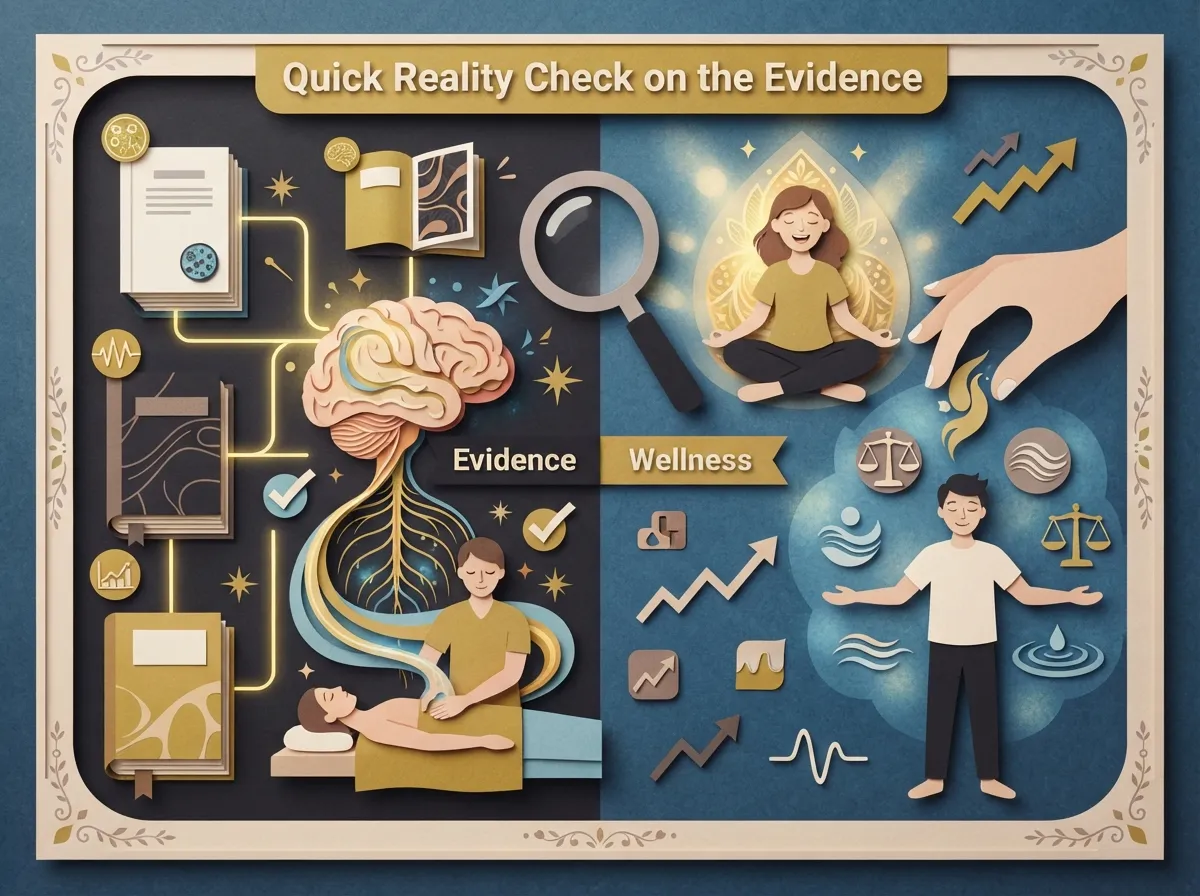
A Quick Reality Check on the Evidence
Before we get to the list, let’s set expectations. The U.S. National Center for Complementary and Integrative Health (NCCIH) says Reiki has not been clearly shown to be effective for any health-related purpose. It also notes that much of the research is low quality and inconsistent, and that there is no scientific evidence for the proposed energy field.
At the same time, several studies report real, measurable feelings of relief among participants. Both things can be true. A person can feel better after a session without science confirming the energy explanation. That is why we group the benefits below by strength of evidence.
| Benefit | Evidence Level | What We Can Say |
|---|---|---|
| Short-term anxiety relief | Moderate (mixed) | 2024 meta-analysis found a significant reduction |
| Stress reduction | Moderate (mixed) | Seen in massage-plus-Reiki studies |
| Quality of life | Small | 2025 meta-analysis found a small gain |
| Pain, fatigue, sleep, mood | Mixed / limited | Results vary; more research needed |
Benefits With the Strongest Research Support
1. Short-Term Anxiety Relief
This is the most defensible benefit. A 2024 meta-analysis pooled 13 studies and 824 adults. It reported a statistically significant reduction in anxiety (standardized mean difference −0.82, P=0.001). That is an encouraging result.
Still, the studies varied in populations and session frequency. So we cannot say Reiki reliably treats anxiety for everyone. Think of it as a promising, gentle option for some people.
2. Lower Perceived Stress
A randomized study in São Paulo followed 122 participants over eight sessions in one month. The massage-plus-Reiki group reported a 33% drop in stress and a 21% drop in state anxiety compared with baseline.
There is a catch. The study had no sham-Reiki group. That means we cannot tell whether Reiki, massage, rest, attention, or expectation did the heavy lifting. Still, the combined experience clearly helped people feel better.
3. Better Mental Quality-of-Life Scores
A separate randomized trial summarized in a 2024 review included 101 participants. Both the massage-plus-rest group and the massage-plus-Reiki group improved on stress and mental quality-of-life measures compared with a control group.
This supports the value of the combined service. It does not prove Reiki alone caused the change. We love being upfront about that.
4. A Small Boost in Overall Quality of Life
A 2025 meta-analysis of 11 randomized trials and 661 participants reported a small improvement in quality of life (standardized mean difference 0.28, P=0.043). The word “small” matters here. The authors also called for more rigorous trials.
5. A Calm, Low-Pressure Way to Unwind
Reiki is generally described as low risk and noninvasive. There is no pressure, no oil, and no undressing. For people who feel nervous about touch-heavy treatments, that gentleness can be a real comfort.
Benefits With Mixed or Limited Evidence
This next group is where we slow down. Research here is less consistent, so we treat these as possibilities, not promises.
6. Possible Support for Better Sleep
Some people report sleeping more deeply after sessions. Studies on sleep are mixed, though. If sleep is your main goal, you may also like our article on massage mistakes that block better sleep.
7. Possible Pain Comfort
Evidence for pain relief is not strong enough to claim Reiki treats pain. Some clients feel more at ease after a session, which may change how they experience discomfort. For hands-on pain care, see how massage can help with chronic pain.
8. Possible Relief From Fatigue
Some studies point toward less tiredness, but results are inconsistent. A restful hour of quiet may simply feel good on a busy week. Our post on fatigue reduction through massage therapy explores another path to renewed energy.
9. Possible Mood Lift
Feeling cared for and unhurried can brighten your mood. Whether that is Reiki itself or the quiet attention, many clients say they leave feeling lighter. The research on mood is still limited.
Everyday Experience Benefits Clients Often Describe
These are not clinical findings. They are the kinds of things clients commonly mention, and they are worth knowing about as you decide what feels right.
- A sense of deep relaxation during and after the session
- A quiet mental pause from the daily rush
- A feeling of being cared for through calm, focused attention
- An easy entry point into self-care for first-timers
10. A Mental Pause for Busy Professionals
If your calendar is packed, an hour of stillness can feel like a gift. Evening and weekend sessions make it easier to fit in. Reiki gives your mind a place to rest without asking you to do anything.
11. A Gentle Option During Pregnancy
Expecting moms often want calm without strong pressure. Reiki is light and noninvasive, which some find reassuring. Always check with your healthcare provider first. For hands-on comfort, prenatal massage is another option made for this stage of life.
12. A Rest Day Companion for Athletes
Active adults often need quiet recovery time, not just harder workouts. Reiki offers a rest-focused session between intense training days. If you want muscle-focused work, sport massage and deep tissue massage target tension directly.
13. A Soft Touch for Seniors
Older adults with arthritis or stiffness may prefer a no-pressure session. Reiki can feel soothing without any manipulation of sore joints. It should complement, not replace, medical care.
14. A Fit for Wellness-Focused Routines
If you treat self-care as part of preventive health, Reiki can sit comfortably next to massage, good sleep, and movement. It works well as one piece of a bigger picture.
15. A Chance to Pair Reiki With Massage
The research we looked at most often studied Reiki combined with massage. That pairing may offer both the quiet of Reiki and the hands-on relief of massage. Learn more about this blend in our post on Reiki and massage combo sessions.
Reiki vs. Massage: Which Fits You?
| Feature | Reiki Healing | Massage Therapy |
|---|---|---|
| Touch | Light, on or just above clothing | Kneading and soft tissue work |
| Pressure | None | Light to deep |
| Best for | Quiet relaxation | Muscle tension, soreness, stiffness |
| Studio price | $125 flat rate | From $125 for 60 minutes |
Not sure which to pick? Our comparison of Reiki healing vs. massage can help you decide.
Is Reiki Safe? What to Keep in Mind
Reiki is generally low risk. Even so, a few honest guidelines apply:
- Do not use Reiki in place of medical care. See a doctor for any health condition.
- Be wary of cure claims. A trustworthy practitioner never promises cures or guaranteed results.
- Tell your practitioner about your health. This is especially important if you are pregnant or managing a medical condition.
- Keep expectations realistic. Many people feel calm. Others feel little. Both are normal.
For more on safety, read is Reiki healing safe for everyone. And if you are curious about the skeptic’s view, our honest look at Reiki vs. placebo is worth a read.
How Many Sessions Should You Try?
There is no official rule. In the São Paulo study, participants had eight sessions over one month. For most people, a good approach is to try one session and see how you feel. Then, if you enjoyed it, you can decide whether to make it a regular habit.
Luna Massage Studio offers Reiki healing at a flat $125 rate. You can also see what other clients say on Yelp or visit us on Google — Luna Massage Studio to read reviews from Falls Church neighbors.
The Bottom Line
So, what are the proven benefits of Reiki healing? The most defensible answer is short-term relief from stress and anxiety for some people, plus a possible small lift in quality of life. Claims about curing disease, treating pain, or proving an energy field are not supported by solid science.
That does not make Reiki worthless. For many clients, it is a peaceful, gentle hour that helps them slow down. Think of it as a wellness extra, not a medical treatment. Follow our updates on Instagram for more wellness tips.
Ready to see how Reiki feels for yourself? Book your session now or contact our team with any questions. We would love to help you find the right fit.
FAQs
Q: What are the proven benefits of Reiki healing?
A: The best-supported benefit is short-term relief from anxiety and stress for some people. A 2024 meta-analysis of 13 studies found a significant drop in anxiety, though results varied. Evidence for pain, sleep, and mood is mixed, so we never promise a cure.
Q: Can Reiki help with stress or anxiety?
A: It may, for some people. Studies, including a São Paulo trial, reported lower stress and anxiety after massage-plus-Reiki sessions. Because those studies could not separate Reiki from touch, rest, and attention, it is best seen as a gentle comfort, not a treatment.
Q: Is Reiki the same as massage therapy?
A: No, they are different. Reiki uses a very light touch on or just above clothing and no pressure, while massage kneads and manipulates soft tissue. Many people enjoy combining the two for a calm, well-rounded visit.
Q: Is Reiki safe, and can it replace medical care?
A: Reiki is generally low risk and noninvasive, but it should never replace medical care. Use it as an optional wellness extra, and talk with your doctor about any health concerns, especially during pregnancy.
Q: How many Reiki sessions should I try?
A: There is no set number. One session is a great way to see how you feel, and some research used eight sessions over a month. You can then decide whether a regular routine feels right for you.
Our Service Area