Key Takeaways
-
Reiki is generally considered low risk and has not been shown to have harmful effects by the NCCIH, but research on its safety is limited and of inconsistent quality.
-
Physical side effects are rare; the more common reactions are emotional responses, drowsiness after a session, or discomfort with touch or the setting.
-
The real physical risks usually come from massage techniques offered alongside Reiki, such as deep pressure, cupping, or Gua Sha, not from Reiki itself.
-
Talk to your doctor before a session if you take blood thinners, have osteoporosis, recent surgery or injury, an implanted medical device, or are pregnant.
-
Share your full health history with your practitioner, and ask for hands-off Reiki or a pause at any time if you feel uncomfortable.
-
Reiki is a complementary relaxing experience, not a medical treatment, so it should never replace a medical assessment or evidence-based care.
You have probably heard that Reiki feels calming and gentle. But before you book a session, you might wonder, are there any side effects or risks of Reiki? That is a smart question, and it deserves a straight answer. Whether you are a busy professional squeezing in a lunchtime reset, an expectant mom, a runner in recovery mode, or someone managing long-term aches, you want to feel safe and informed.
The good news is that Reiki is generally considered low risk. It is non-invasive and uses light touch or hands held just above the body. Still, “low risk” is not the same as “no risk,” and the research is still growing. In this guide, we will walk you through what the science says, what you might feel, who should check with a doctor first, and how to make any session comfortable and safe. Think of it as a friendly chat with a knowledgeable pal, minus the jargon.
What Reiki Actually Is (and Why That Matters for Safety)
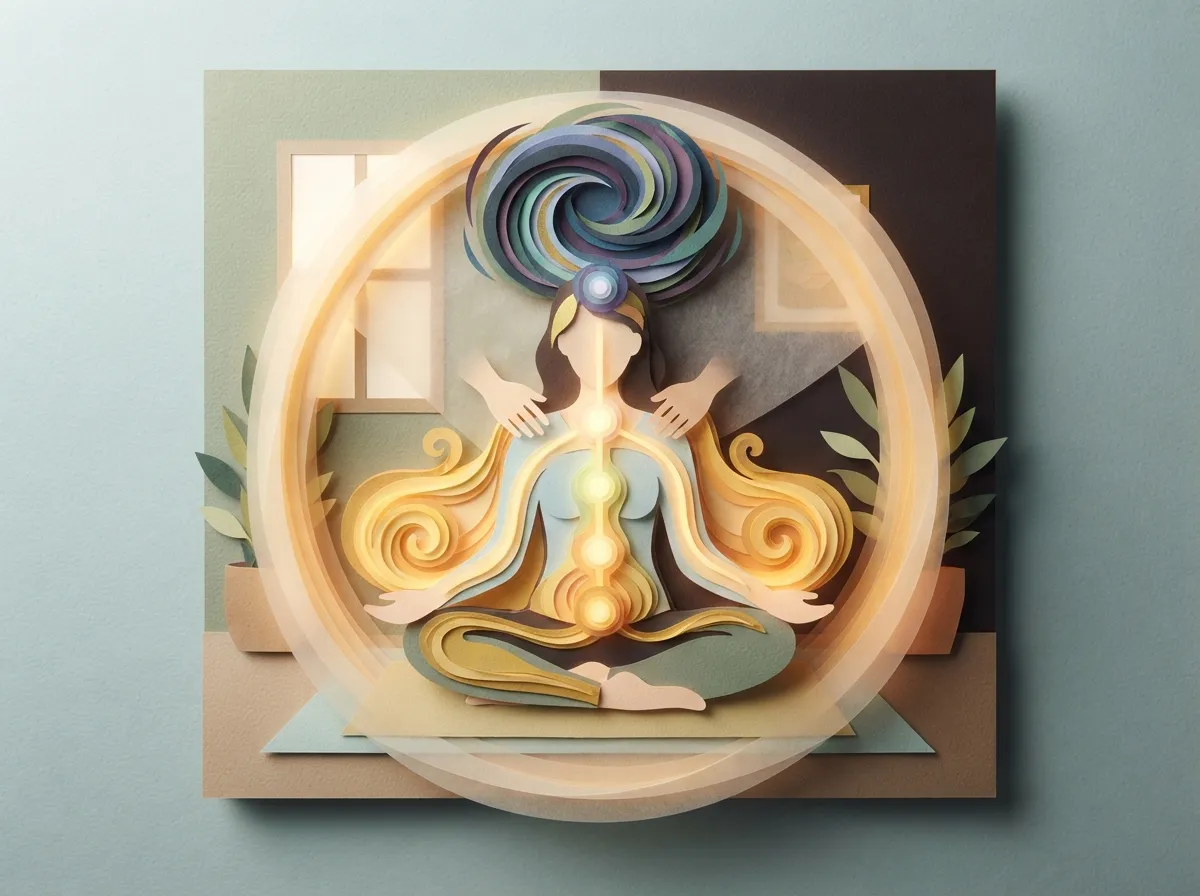
Reiki is a form of energy healing that began in Japan in the late 1800s. It was developed by Mikao Usui. The idea is that a practitioner shares universal “life force energy” through their palms. You can read a general overview of the practice on Reiki Healing.
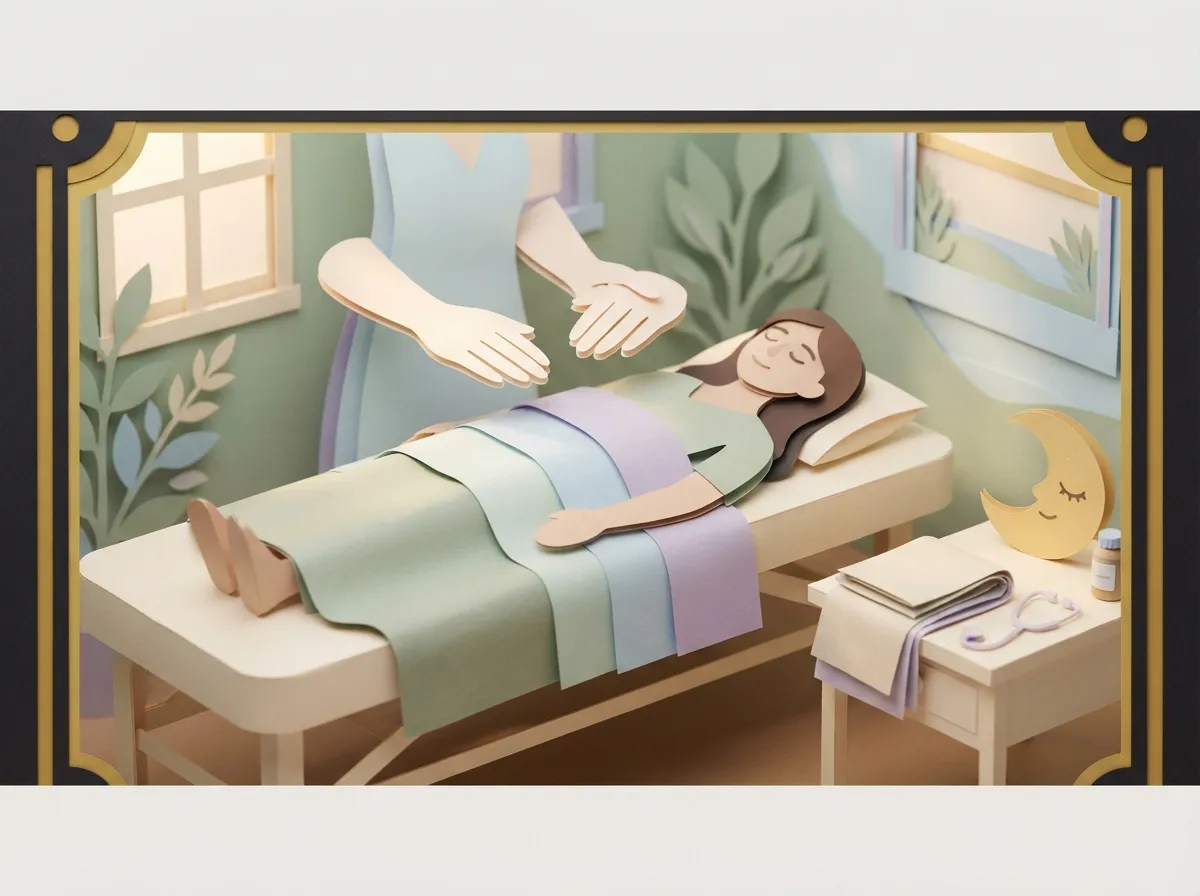
Here is the part that matters for safety. A Reiki session does not involve pressing, stretching, or forceful pressure. You usually stay fully clothed. The practitioner places their hands lightly on your body or holds them a few inches above it. That gentle approach is a big reason the risk profile is so low.
If you want a deeper look at how a session flows, check out What Is Reiki Healing and How Does It Actually Work?

What the Research Says About Reiki Risks
Let us look at the evidence with honest eyes. The U.S. National Center for Complementary and Integrative Health (NCCIH) says Reiki has not been shown to have harmful effects. It also says research on safety and effectiveness is limited, and that studies are generally low quality with inconsistent results.
Here is a quick snapshot of what the research tells us:
| Finding | What It Means for You |
|---|---|
| NCCIH reports no shown harmful effects | Reiki is considered low risk, but research is limited |
| A systematic review of randomized trials found no reported adverse events | Encouraging, but safety was not the review’s main focus |
| A 2026 review of 9 palliative-care studies (415 participants) found limited adverse-event tracking | Only one study monitored harms closely and reported one serious event possibly related to the treatment |
| Many studies did not actively track harms | “No reported harms” does not prove risk is impossible |
That palliative-care finding involved a very specific group of seriously ill patients. It should not be applied to a typical relaxation session at a massage studio. Still, it is a good reminder that we should stay humble about what we do not yet know.
The Honest Bottom Line
Reiki appears to be gentle and safe for most people. At the same time, the evidence for its health benefits is uncertain. NCCIH also notes there is no scientific evidence for the energy field Reiki is said to use. So the best approach is to treat Reiki as a relaxing, complementary experience, not a medical treatment.
Possible Side Effects and Reactions to Know About
Since Reiki is so gentle, physical side effects are rare. Most concerns are practical or personal. Here are the things some people notice:
- Discomfort with touch or positioning. Some people feel uneasy being touched, even lightly, or lying still in a quiet room.
- Emotional responses. A calm session can bring up feelings. You might feel teary, reflective, or even a bit vulnerable.
- Feeling sleepy or spaced out. Many people get very relaxed. Give yourself a few quiet minutes before driving or heading back to work.
- Comfort with the practitioner or atmosphere. If the setting or the person does not feel right, that is a valid reason to speak up or stop.
- Uncertain benefits. You may not feel anything dramatic, and that is okay. Honest expectations help you avoid disappointment.
None of these are dangerous. But they matter, because your comfort is part of safety. If emotional release is something you are curious about, Can a Reiki Session Really Release Emotional Blocks? is a helpful read.
Reiki vs. Massage Techniques: Where the Real Risks Live
This is a point many people miss. When Reiki is offered alongside massage, the risks usually come from the massage side, not the Reiki side.
Reiki itself does not involve forceful manipulation. Things like bruising or aggravating an injury are more relevant to the hands-on techniques used in massage. Deep pressure, cupping, and Gua Sha all work the body more intensely.
| Approach | Typical Touch | Main Things to Watch |
|---|---|---|
| Reiki | Light touch or hands above the body | Comfort, emotional reactions, consent |
| Swedish massage | Gentle to medium pressure | Soreness, medical conditions |
| Deep tissue or sport massage | Firm pressure on tight muscles | Temporary soreness, bruising, injuries |
| Cupping or Gua Sha (add-ons) | Suction or scraping on skin | Marks on the skin, sensitive skin |
If you want to compare the two experiences, see Reiki vs. Massage: Which Session Fits You Better? Curious about the add-ons? Here is more on cupping therapy and Gua Sha.
Who Should Talk to a Doctor First?
Reiki is low risk, but a quick check with your healthcare provider is wise in some situations. This is especially true if you are pairing Reiki with massage. Consider asking your doctor first if any of these apply:
- You have a blood-clot risk or take blood thinners. Massage pressure may need to be modified or avoided.
- You have osteoporosis. Firm pressure may not be a good fit.
- You had recent surgery or an injury. You may need medical clearance before hands-on work.
- You have an implanted medical device. Your provider can tell you what is safe.
- You are pregnant. Choose a therapist trained in prenatal care, and check with your provider about timing.
- You have new, worsening, or concerning symptoms. See a healthcare professional for an assessment first.
Expecting moms often have extra questions. Our guide on who should not get a prenatal massage right now is a good place to start. If you want to know how safe Reiki is for different people, read 8 Facts: Is Reiki Healing Safe for Everyone? (2026).
How to Make Your Reiki Session Safe and Comfortable
You are in the driver’s seat. A good practitioner wants you to feel in control. Follow these steps to set yourself up for a calm, safe visit:
- Share your health history. Mention medications, recent injuries, surgeries, pregnancy, and any diagnosed conditions before you start.
- Ask what the session involves. A good practitioner explains the process and gets your informed consent before beginning.
- Choose your comfort level. You can request hands-off Reiki, where the practitioner works just above your body with no contact at all.
- Speak up anytime. You can ask for a pause, a new position, or to end the session. No explanation needed.
- Set honest expectations. Reiki is a relaxing, complementary experience. It is not a diagnosis or a cure.
- Plan some quiet time afterward. Drink water, move slowly, and give yourself a gentle landing.
If it is your first time, 11 Things to Know Before Your First Reiki Session (2026) will help you feel prepared. And if you are more sensitive to touch and atmosphere, take a look at 15 Reiki Session Tips for Highly Sensitive People (2026).
What Good Practitioners Should Do
Safety is not only about you. It is also about the person guiding your session. A responsible massage therapist offering Reiki should:
- Explain what Reiki is and what to expect in plain language.
- Get your consent before starting and check in during the session.
- Respect your beliefs, boundaries, and comfort with touch.
- Avoid saying that Reiki diagnoses, treats, or cures disease.
- Modify or skip massage techniques when your health calls for it.
- Refer you to a healthcare professional when something is outside their scope.
Professional standards and legal scope vary by location, so a thoughtful, licensed therapist is key. Our article on how to choose a professional massage therapist you trust shares more tips.
Reiki Is Complementary, Not a Replacement for Medical Care
This is worth saying plainly. Reiki can be a lovely way to unwind, but it should never replace a medical assessment or evidence-based treatment. If you are dealing with chronic pain, anxiety, sleep problems, or any health condition, keep your doctor in the loop.
Many people use Reiki as one piece of a wider wellness routine. For example, you might pair it with massage for stress relief. If you are weighing your options, Reiki vs. Massage for Chronic Pain: Which Helps More? offers a balanced look.
Who Tends to Enjoy Reiki Most?
Reiki is a popular pick for a few kinds of people:
- Busy professionals who want a quiet, hands-light pause in a packed week.
- Expectant moms who want gentle comfort and have cleared it with their provider.
- Active adults and athletes who like a calm recovery day between hard workouts.
- Seniors who prefer very gentle touch while managing stiffness or aches.
- Wellness-minded folks who love adding mindful practices to their self-care.
Reiki also pairs well with other relaxing treatments. Learn how in 12 Facts About a Reiki and Massage Combo Session (2026).
Try Reiki With Confidence at Luna Massage Studio
At Luna Massage Studio in Falls Church, VA, we believe you should feel informed and at ease before you ever step into the room. Our Reiki Healing session is a flat $125, and we are always happy to talk through your comfort level, your health history, and any questions you have. We can also adjust any massage work to fit your needs.
Want to see what others say? You can visit us on Google — Luna Massage Studio, read reviews on Yelp, or say hello on Instagram.
Final Thoughts
So, are there any side effects or risks of Reiki? Based on what we know, Reiki is generally low risk and gentle. The most common concerns are comfort, emotional reactions, and managing expectations. The bigger physical risks usually belong to the massage techniques paired with it, and those can be adjusted to fit you.
The research is still limited, so stay curious, ask questions, and speak up during your session. When in doubt, check with your healthcare provider first. You deserve a calm, safe experience.
Ready to feel more relaxed? Book your Reiki or massage session today, or contact our team with any questions. We would love to help you find the right fit.
FAQs
Q: Does Reiki have any side effects?
A: Reiki is generally considered low risk, and the NCCIH says it has not been shown to have harmful effects. Some people feel sleepy, emotional, or uneasy with touch, and those reactions are usually mild. Research is still limited, so it is smart to stay informed and speak up during your session.
Q: Is Reiki safe when combined with massage therapy?
A: Yes, for most people. Reiki itself is gentle, so the main risks come from the massage techniques, like deep pressure or cupping. Tell your therapist about any health conditions, medications, or injuries so they can adjust your session.
Q: Can Reiki be done without touching me?
A: Absolutely! Many sessions use hands held just above the body, with no contact at all. If you prefer hands-off Reiki, simply ask your practitioner before the session begins.
Q: Can Reiki cause an emotional reaction or make symptoms worse?
A: Some people feel teary, reflective, or very relaxed during or after a session. If you feel uncomfortable, you can ask for a pause or end the session any time. If a symptom gets worse or something concerns you, check in with a healthcare professional.
Q: Can Reiki replace medical treatment or pain care?
A: No. Reiki is a complementary experience and should never replace a medical assessment or evidence-based care. A good practitioner will encourage you to see a healthcare provider for any concerning symptoms or health conditions.
Our Service Area