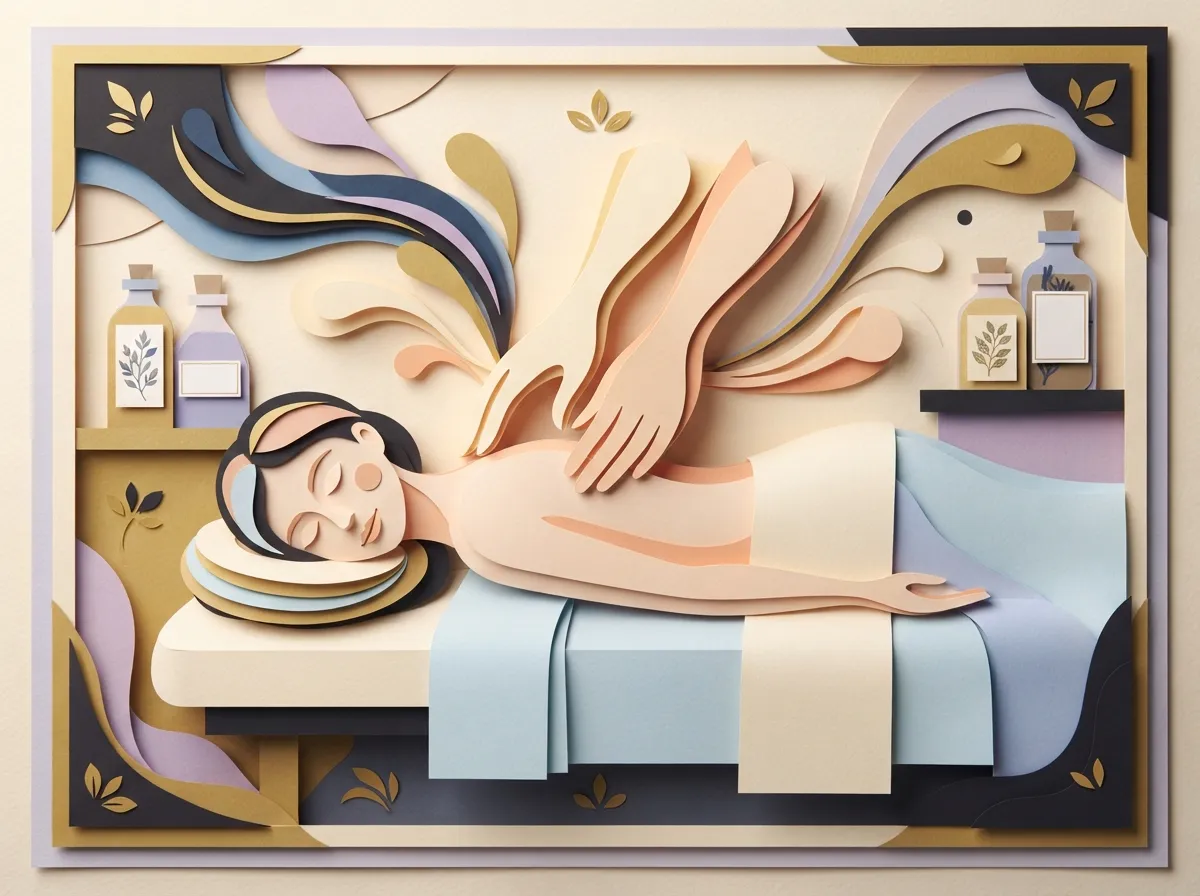
Key Takeaways
-
Regular massage therapy sessions (weekly or biweekly) are more effective than one-time treatments for managing chronic stress, as stress relief works best when built into a consistent self-care routine.
-
Massage helps shift your body out of 'fight or flight' mode by slowing your nervous system and may reduce cortisol levels, with noticeable calm and relaxation effects lasting for days after a session.
-
Different massage types target specific stress sources: Swedish massage for gentle relaxation, deep tissue for muscle tension, prenatal for pregnancy discomfort, and sport massage for athletic recovery.
-
Adding low-cost enhancements like aromatherapy (often free), Gua Sha, or cupping therapy to your massage session can amplify stress relief benefits by addressing circulation and energy flow.
-
Massage therapy breaks the poor sleep-stress cycle by encouraging deeper, more restful sleep while boosting mood-lifting neurotransmitters, helping you wake up recharged instead of exhausted.
-
Physical warning signs like constant shoulder/neck tightness, trouble sleeping, frequent headaches, and low energy indicate you need stress relief—signals that massage therapy can directly address.
Let’s be honest: life in the Falls Church area moves fast. Between work deadlines, family duties, and that never-ending to-do list, your shoulders probably live somewhere up near your ears. Here’s the good news. Stress relief through massage therapy isn’t just a nice treat, it’s a proven way to help your body and mind hit the reset button. At Luna Massage Studio, we see it every single day, clients walking in tense and walking out lighter, calmer, and ready to breathe again.
This article is your friendly guide to 15 real, practical ways massage therapy helps melt away stress. We’ll cover the science, the techniques, and the exact steps you can take starting this week. Whether you’re a busy executive, a tired new mom-to-be, a weekend athlete, or someone simply looking to feel more like yourself, there’s something here for you. Let’s dive in.

Why Stress Relief Matters More Than Ever
Chronic stress doesn’t just make you feel cranky. It tightens muscles, disrupts sleep, and wears down your immune system over time. Mayo Clinic Health System notes that massage therapy is one of the most frequently used tools for stress reduction and pain relief. Their research shows people often feel noticeably less stressed after just one session.
In fact, an AMTA consumer survey found that 66% of people who get massages say relaxation and stress reduction is their main reason for booking. That’s a huge number, and it tells us something important: this isn’t a luxury anymore. It’s self-care that actually works.
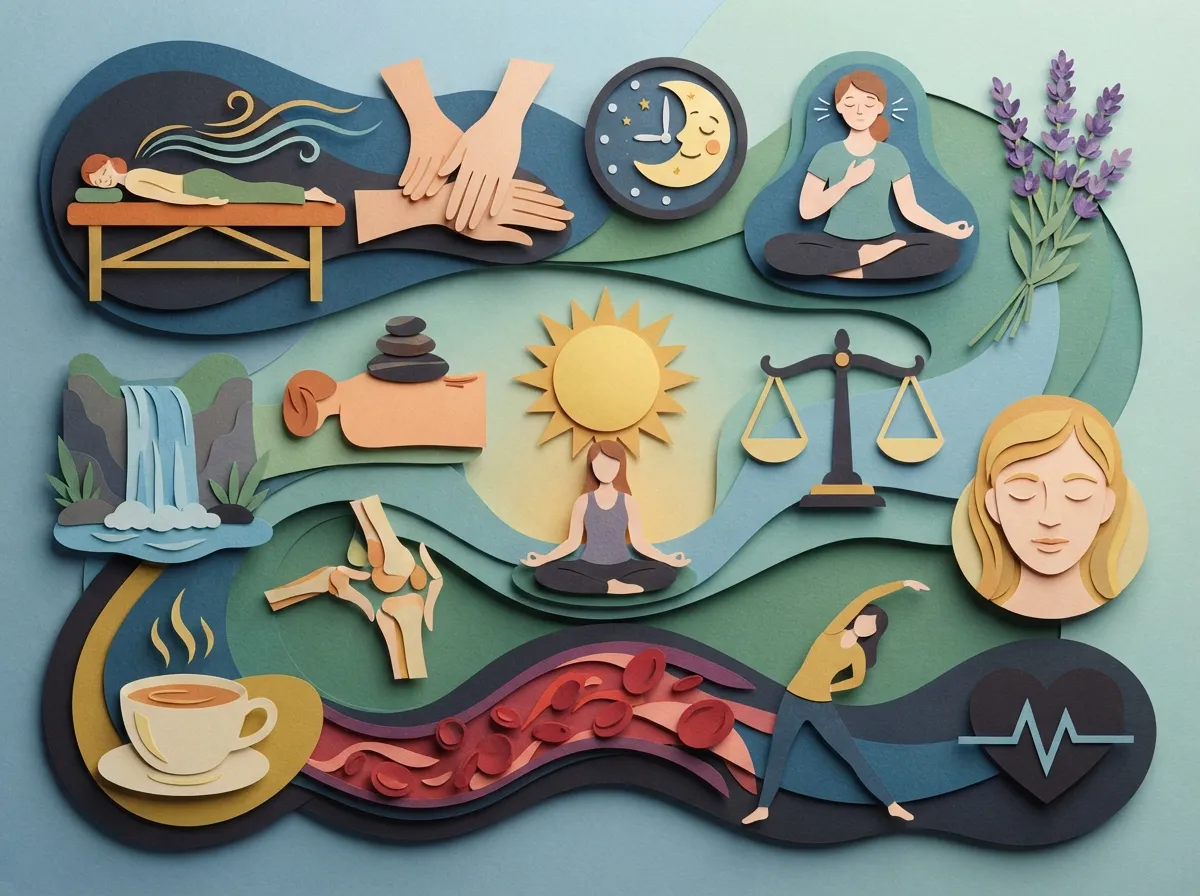
15 Ways Massage Therapy Delivers Real Stress Relief
1. Lowering Cortisol, Your Body’s Stress Hormone
When you’re stressed, your body pumps out cortisol like it’s going out of style. Some studies suggest massage can help bring those levels down, though results vary from person to person. A systematic review found massage showed a beneficial effect on salivary cortisol and heart rate immediately after treatment, even if long-term effects need more study.
2. Slowing Your Nervous System Down
Cleveland Clinic explains that massage helps slow the nervous system, easing tension and helping your body shift out of “fight or flight” mode. That’s the exact opposite of how most of us feel during a hectic workweek.
3. Easing Muscle Tension From Head to Toe
Stress loves to hide in your neck, shoulders, and lower back. A deep tissue massage targets those stubborn knots directly, releasing tightness that builds up after weeks of hunching over a laptop or steering wheel.
4. Improving Sleep Quality
Poor sleep and stress feed off each other in a nasty cycle. Regular massage sessions can help break that pattern, encouraging deeper, more restful sleep so you wake up actually feeling recharged.
5. Boosting Mood-Lifting Chemicals
Massage may encourage your body to release feel-good neurotransmitters while dialing down stress-related ones. This combo often leaves clients feeling noticeably happier and calmer after a session.
6. Reducing Anxiety Symptoms
Mayo Clinic Health System lists decreased anxiety as one of the key mental benefits of massage. If your mind races constantly, regular bodywork can help quiet that mental noise.
7. Supporting Better Focus at Work
Busy professionals in the Falls Church area often tell us that after a lunchtime or evening session, they head back to work with sharper focus and less mental fog. Less stress in your body often means more clarity in your head.
8. Providing Gentle Relief During Pregnancy
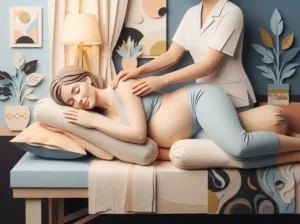
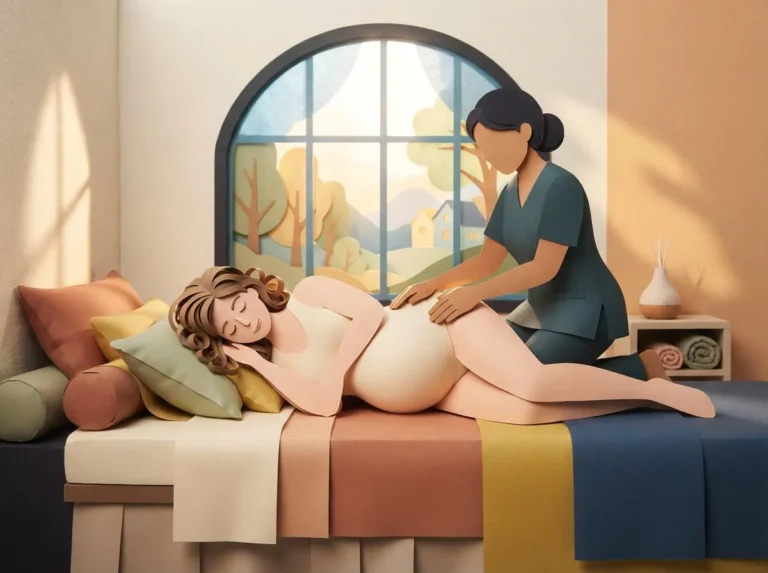
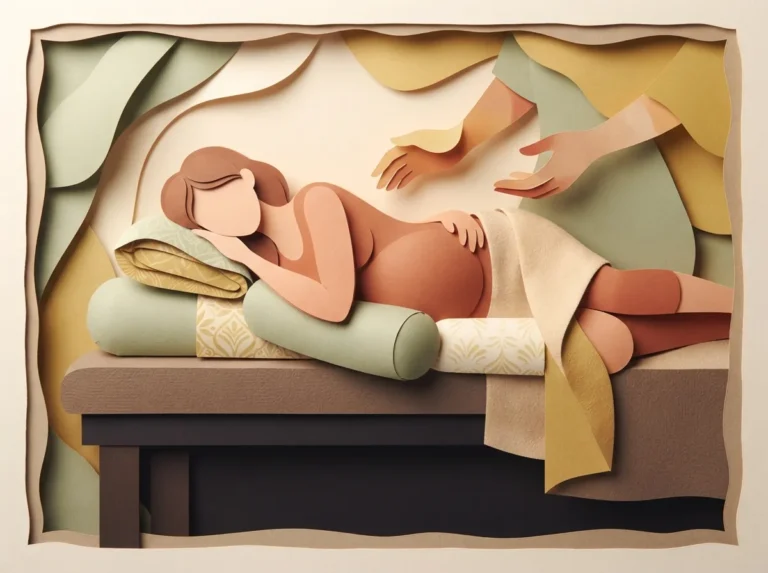
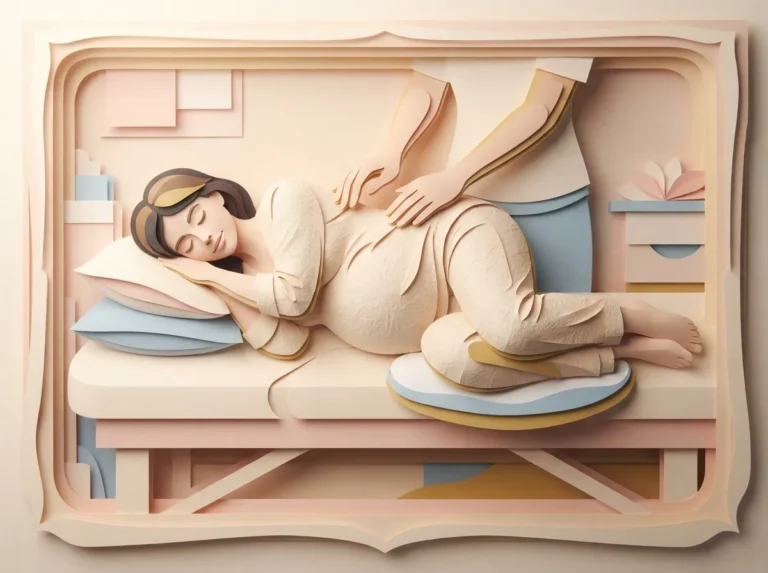
Pregnancy brings its own unique stress, from aching hips to swollen feet to anxious thoughts about the big day ahead. A specialized prenatal massage is designed specifically to ease these discomforts safely, helping expectant moms relax both body and mind.
9. Speeding Up Recovery for Active Bodies
Athletes and gym-goers carry a different kind of stress: sore muscles, tight fascia, and overworked joints. A sport massage helps flush out tension while supporting faster recovery between workouts.
10. Managing Chronic Pain in Older Adults
For seniors dealing with arthritis or stiffness, chronic pain itself becomes a major stressor. Gentle, therapeutic massage can improve flexibility and ease discomfort, making daily movement feel less like a struggle.
11. Balancing Energy With Reiki Healing
Reiki healing takes a different approach to stress relief, focusing on energy flow rather than muscle manipulation. This ancient Japanese practice, developed by Mikao Usui in the late 1800s, is based on the idea that low life force energy can leave us feeling stressed or unwell. You can learn more about its origins through this overview of Reiki healing practices.
12. Enhancing Relaxation With Aromatherapy
Scent has a powerful effect on mood. Adding aromatherapy massage to your session, which is free with any massage at Luna Massage Studio, layers calming essential oils on top of therapeutic touch for extra relaxation.
13. Releasing Deep Tension With Gua Sha
This ancient scraping technique helps release tight muscles and trapped tension near the skin’s surface. It’s a simple add-on, but many clients say it makes a noticeable difference in how loose and light their body feels afterward.
14. Boosting Circulation Through Cupping
Cupping therapy uses gentle suction to release energy trapped deep in tissue, supporting blood flow and relaxation. It’s often paired with deep tissue work for clients dealing with stubborn, stress-related tightness.
15. Creating a Consistent Self-Care Routine
Perhaps the biggest secret of all: stress relief works best when it’s a habit, not a one-time event. Booking regular sessions, whether weekly, biweekly, or monthly, gives your body ongoing support instead of just a temporary fix.
How Different Massage Types Compare for Stress Relief
Not sure which service fits your needs? Here’s a quick breakdown to help you decide.
| Massage Type | Best For | Pricing (60 min) |
|---|---|---|
| Swedish Massage | Gentle relaxation, first-time clients | $125 |
| Deep Tissue Massage | Chronic tension, tight muscles | $125 |
| Sport Massage | Athletes, active recovery | $125 |
| Prenatal Massage | Expectant mothers | $125 |
| Reiki Healing | Energy balance, deep calm | $125 flat rate |
Popular Add-Ons for Extra Stress Relief
Want to boost your session even further? Consider these add-ons, available with any massage.
| Add-On | Duration | Price | Main Benefit |
|---|---|---|---|
| Cupping Therapy | 15 min | $35 | Improved circulation, deep tension release |
| Gua Sha | 15 min | $35 | Muscle release, energy flow |
| Aromatherapy | Included | Free | Enhanced relaxation and mood |
Simple Steps to Build a Stress-Relief Massage Routine
Ready to make stress relief part of your regular routine? Follow these steps to get started.
- Identify your main stress triggers, whether it’s work, physical activity, or pregnancy discomfort.
- Choose the massage type that matches your needs using the table above.
- Book a consistent schedule, weekly or biweekly works well for chronic stress.
- Add aromatherapy or Gua Sha for extra relaxation benefits.
- Track how you feel after each session to notice patterns and improvements.
- Pair massage with other healthy habits like light exercise and better sleep.
- Communicate openly with your therapist about pressure and problem areas.
What to Expect During a Stress-Relief Session
First-timers often feel a little nervous, and that’s totally normal. Here’s what usually happens during your visit.
- A brief consultation about your stress levels, pain points, and goals
- A comfortable, private room with soft lighting and calming music
- Your therapist customizes pressure based on your comfort level
- Optional add-ons like cupping or Gua Sha, discussed before your session begins
- Time afterward to relax, hydrate, and let your body settle
Who Benefits Most From Stress-Relief Massage
Honestly, almost everyone can benefit. But certain groups tend to see especially powerful results.
- Busy professionals juggling deadlines and long hours
- Pregnant women managing pregnancy-related aches and worry
- Athletes recovering from intense training sessions
- Seniors living with arthritis or chronic stiffness
- Wellness-focused individuals committed to preventative self-care
Is Massage Therapy Right for Your Stress Levels?
Massage isn’t a magic cure, but it’s a powerful complementary tool. Professional organizations like the American Massage Therapy Association confirm that massage therapy can be effective for stress relief when used consistently. It works best alongside healthy habits like exercise, mindfulness, and good sleep hygiene.
If you’re curious how this fits your specific situation, our team is always happy to chat. You can also check out real client experiences on our reviews page or follow along on Instagram for tips and studio updates. Plenty of local clients also share their experiences on Yelp, which can help you get a feel for what a session is like before you book.
Quick Comparison: Signs You Need Stress Relief Now
| Warning Sign | What It Means |
|---|---|
| Constant shoulder or neck tightness | Physical stress buildup |
| Trouble falling or staying asleep | Nervous system stuck in overdrive |
| Frequent headaches | Muscle tension radiating upward |
| Feeling irritable or anxious often | Psychological stress overload |
| Low energy despite rest | Chronic stress draining your reserves |
Bringing It All Together
Stress relief through massage therapy isn’t just about feeling good for an hour. It’s about giving your body and mind the tools to handle everyday pressure with a little more ease. From deep tissue work to Reiki healing to a simple aromatherapy add-on, there are plenty of ways to find what fits your life best.
If you’re in the Falls Church area and ready to feel lighter, calmer, and more like yourself again, we’d love to help. Feel free to reach out to our team with any questions, or go ahead and reserve your stress-relief massage today. You can also see what our Luna Massage Studio community says by checking out Visit us on Google — Luna Massage Studio. Your shoulders will thank you.
FAQs
Q: How does massage therapy help with stress relief?
A: Massage helps by slowing down your nervous system, easing muscle tension, and encouraging your body to release feel-good chemicals. Many clients tell us they feel noticeably calmer and lighter right after their session, and that relief often lasts for days.
Q: What type of massage is best for stress reduction?
A: Swedish massage is a wonderful gentle option for pure relaxation, while deep tissue works great if stress has settled into tight, sore muscles. Honestly, the best choice depends on your body, so don’t be afraid to ask our therapists for a recommendation.
Q: How often should you get a massage for stress relief?
A: For ongoing stress, many people find monthly or biweekly sessions work wonders. If you’re going through an especially tough stretch, weekly visits can help keep tension from building back up between appointments.
Q: Does massage lower cortisol and anxiety?
A: Research suggests massage can help lower cortisol and ease anxiety, especially right after a session. Everyone responds a little differently, but most people report feeling calmer and less anxious once they’re off the table.
Q: Can massage help with work-related stress?
A: Absolutely, this is one of the most common reasons busy professionals book with us. A regular massage routine can help you manage tension from long hours, tight deadlines, and that constant mental to-do list.
Our Service Area