Key Takeaways
-
Massage therapy increases blood flow to muscles, delivering oxygen and nutrients while flushing out waste products like lactic acid, which is why you feel better during and after your session.
-
Massage activates your parasympathetic nervous system (rest and digest mode) and lowers cortisol while boosting serotonin and dopamine, shifting you from stressed to calm within minutes.
-
Different massage techniques serve specific goals: Swedish for relaxation, deep tissue for chronic pain, sports massage for athletic recovery, and prenatal massage for pregnancy comfort.
-
A skilled therapist tailors pressure and technique based on your feedback during the session, assessing your specific tension points and adjusting their approach to match your comfort level.
-
Frequency depends on your goals: stress relief needs sessions every 3-4 weeks, chronic pain requires weekly or biweekly sessions, and athletes benefit from weekly massage during heavy training.
-
Add-on treatments like Gua Sha, cupping, and aromatherapy can enhance results when combined with massage for tackling stubborn tension that massage alone may not fully address.
Ever wonder what’s actually happening under your skin when a therapist digs into that stubborn knot in your shoulder? You’re not alone. So many of our clients at Luna Massage Studio ask us this exact question before they even lie down on the table. Understanding how does massage therapy work can help you feel more relaxed, more confident, and more excited about your next session.
Here’s the good news: you don’t need a medical degree to understand it. Massage therapy works through simple, science-backed principles involving your muscles, nerves, and circulation. In this friendly guide, we’ll break down exactly what happens in your body during a massage, why it feels so good, and how it helps everyone from busy executives to expectant moms to weekend athletes. Grab a cup of tea, get comfy, and let’s dive in together.

1. Massage Therapy Works by Manipulating Your Soft Tissues
At its core, massage therapy involves hands-on manipulation of your muscles, tendons, ligaments, and connective tissue. Therapists use their hands, fingers, forearms, and elbows to apply pressure and movement. Sometimes they even use small tools for extra precision.
Think of your muscles like a tangled ball of yarn. Over time, stress, poor posture, and repetitive movement create knots and tightness. A skilled therapist works through these knots methodically, helping the fibers relax and lengthen again.
This is exactly what happens during a deep tissue massage session. Slow, firm strokes target the deeper layers of muscle where chronic tension likes to hide. If you want to understand this technique in more detail, our article on deep tissue massage techniques walks through it step by step.
What Happens Inside Your Muscles
When pressure is applied, it increases blood flow to the area. Fresh oxygen and nutrients rush in, while waste products like lactic acid get flushed out. This is part of why you might feel amazing right after your session, and even better the next day.
- Muscle fibers relax and separate from surrounding tissue
- Blood flow increases, delivering oxygen and nutrients
- Waste products get moved toward your lymphatic system
- Nerve signals calm down, reducing the pain response
- Connective tissue becomes more flexible over time
2. Massage Therapy Works on Your Nervous System, Not Just Your Muscles
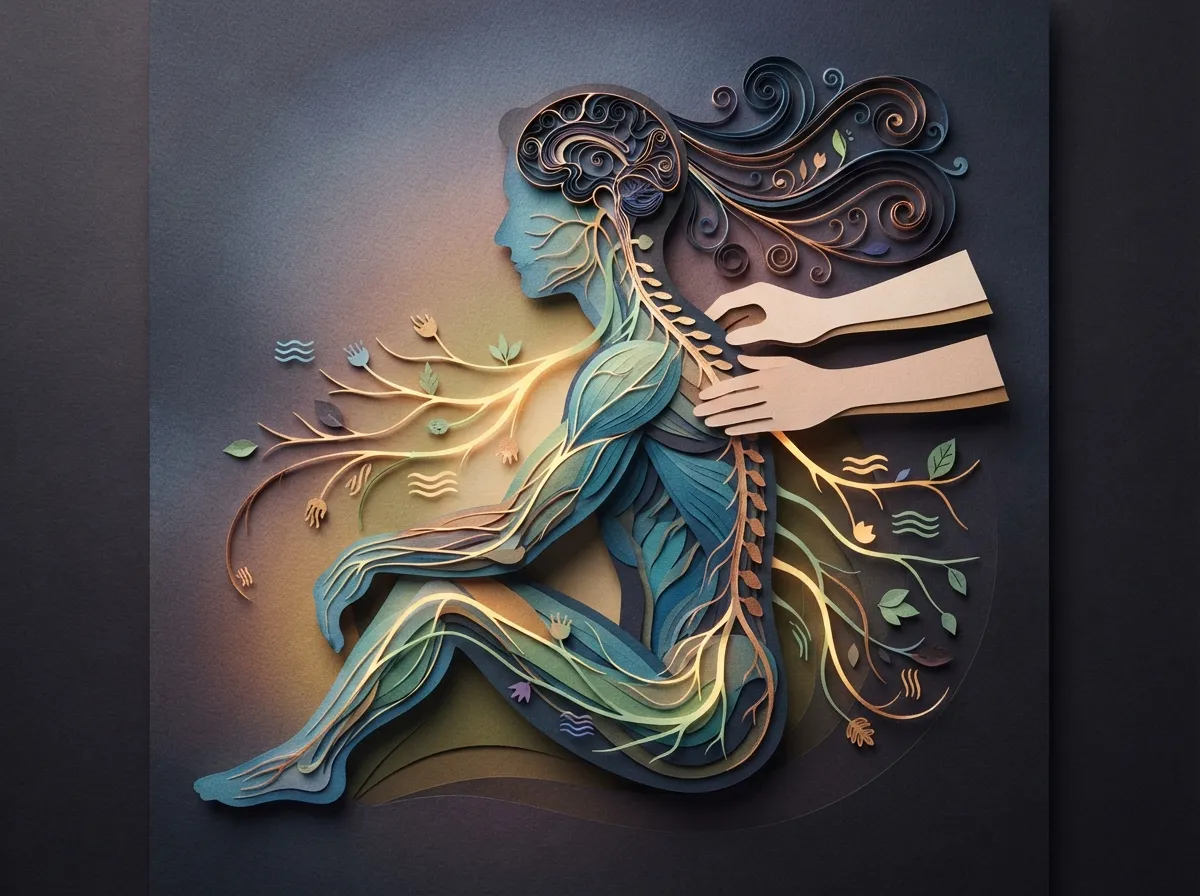
Here’s something that surprises a lot of people: massage isn’t only about muscles. It also talks directly to your nervous system. When a therapist applies steady, rhythmic pressure, it activates your parasympathetic nervous system. This is your body’s built-in “rest and digest” mode.
That’s why so many busy professionals in Falls Church book an evening appointment after a long day at the office. The shift from a stressed-out “fight or flight” state to a calm, relaxed state is often felt within minutes. Your heart rate slows, your breathing deepens, and your muscles naturally let go of tension.
The Stress Hormone Connection
Massage therapy has been shown to lower cortisol, the hormone your body releases when you’re stressed. At the same time, it can boost feel-good chemicals like serotonin and dopamine. This combination is a big reason massage leaves you feeling both relaxed and happier.
If stress and anxiety are your main concern, you might enjoy learning more about why a relaxing massage is such an effective stress relief tool. It’s a great companion read to this article.
3. Different Techniques Target Different Goals
Not all massage is created equal, and that’s a good thing! Therapists choose their approach based on what your body actually needs. Here’s a quick breakdown of how the most popular techniques work.
| Massage Type | How It Works | Best For |
|---|---|---|
| Swedish Massage | Long, gliding strokes improve circulation and gently relax muscles | Relaxation, first-time clients, stress relief |
| Deep Tissue Massage | Firm, slow pressure reaches deeper muscle layers and breaks up adhesions | Chronic pain, tight muscles, old injuries |
| Sport Massage | Combines stretching and targeted pressure to prep or recover muscles | Athletes, active adults, pre/post workout |
| Prenatal Massage | Gentle techniques adapted for pregnancy positioning and comfort | Expectant mothers |
| Reiki Healing | Practitioner channels energy through the palms to promote balance | Overall wellness, energy balance, deep relaxation |
Curious about the differences between two of our most popular options? Check out our comparison of Swedish versus deep tissue massage to see which one fits your needs best.
How Therapists Decide Which Technique to Use
A good therapist doesn’t just guess. They ask questions, check in during the session, and adjust pressure based on your feedback. Here’s a simple look at the decision process:
- Discuss your goals, pain points, and any health concerns
- Assess muscle tension and problem areas through touch
- Choose an appropriate technique or blend of techniques
- Adjust pressure based on your comfort level throughout the session
- Recommend follow-up care or add-ons based on your results
4. Massage Therapy Works Best With the Right Add-Ons
Sometimes a massage alone isn’t quite enough to tackle stubborn tension. That’s where add-on treatments come in handy. At Luna Massage Studio, we offer a few powerful options that pair beautifully with any massage session.
- Gua Sha: An ancient scraping technique that releases tension and improves circulation near the surface of the skin
- Cupping: Suction cups pull tissue upward, releasing trapped tension deep in the muscle
- Aromatherapy: Essential oils are added to enhance relaxation, completely free with any massage
Want to learn more about how these work? Our guide on Gua Sha massage therapy explains the ancient roots of this technique. And if you’re curious about suction-based treatments, we cover it all in what is cupping therapy and how can it help you.
Reiki: The Energy-Based Side of Wellness
Reiki healing takes a different approach entirely. Rather than physical manipulation, it works with what practitioners call universal life force energy. This gentle, hands-on-or-near-body technique originated in Japan in the late 1800s, developed by Mikao Usui. You can read more about the history and philosophy behind Reiki healing if you’re curious about its origins.
Many of our wellness-focused clients combine Reiki with massage for a complete mind-body reset. If you want the full picture, take a look at our piece on Reiki healing in Virginia and how it restores your energy flow.
5. Massage Therapy Works Differently for Different Bodies and Goals
Here’s the beautiful thing about massage therapy: it adapts to you. A 70-year-old with arthritis needs a very different approach than a marathon runner training for a big race. Let’s look at how it serves different needs.
For Busy Professionals
Long hours at a desk create tight shoulders, stiff necks, and stress headaches. A relaxing massage helps release built-up tension and calms an overactive mind. Many professionals in the Falls Church area book evening or weekend sessions to unwind after demanding weeks.
For Pregnant Women
Pregnancy puts extra strain on the lower back, hips, and legs. Prenatal massage uses specialized positioning and gentle pressure to ease discomfort safely. It’s a wonderful way to feel cared for during such a demanding life stage.
For Athletes and Active Adults
Intense training creates micro-tears and tight fascia. Sport massage helps speed up recovery and improve flexibility, so you can get back to training sooner. Our article on sports massage benefits that transform athletic recovery dives deeper into this topic.
For Seniors With Chronic Pain
Arthritis and stiffness can make everyday movement difficult. Gentle, therapeutic massage improves circulation and flexibility without overwhelming sensitive joints. It’s a supportive part of managing pain long-term, alongside guidance from a doctor.
For Wellness-Focused Individuals
For those who see self-care as essential, regular massage and Reiki sessions become part of a bigger wellness routine. It’s preventative care, not just a treat for special occasions.
What Happens During a Typical Massage Session
If you’ve never had a massage before, knowing what to expect can ease any nerves. Here’s a simple step-by-step walkthrough:
- You’ll fill out a brief health history form and discuss your goals with your therapist
- You’ll undress to your comfort level in private and lie on the table under a sheet
- Your therapist begins with lighter strokes to warm up the muscles
- Pressure increases gradually as needed, based on your feedback
- Sessions typically last between 30 and 90 minutes depending on your treatment plan
- You’ll have a few quiet minutes afterward to rehydrate and adjust before heading out
Curious what a first visit really looks like? Our guide on things to know before visiting a massage therapy studio covers all the little details.
Massage Therapy by the Numbers
Massage therapy isn’t just a feel-good trend. It’s backed by real data and a growing, respected industry. Here’s a quick snapshot:
| Statistic | Data |
|---|---|
| Median annual wage for massage therapists (U.S.) | $57,950 (May 2024) |
| Average hourly charge for one hour of massage | $72.13 |
| Global massage therapy market size (2025) | $21.12 billion |
| Projected global market size by 2034 | $40.26 billion |
| Average massage therapist work week | 27.2 hours, with 68% spent performing massage |
These numbers, reported by the U.S. Bureau of Labor Statistics, show just how established and trusted this profession has become. It’s not just relaxation, it’s a legitimate and growing wellness field.
Is Massage Therapy Safe for Everyone?
For most people, massage therapy is very safe. Serious side effects are rare, according to the American Massage Therapy Association. That said, a few things are worth mentioning:
- Always tell your therapist about medical conditions, injuries, or pregnancy
- Vigorous techniques may not suit clients with certain health risks
- Mild soreness after a deep tissue session is normal and usually fades within a day or two
- Drinking water after your session helps flush out released toxins
If you’re managing a specific health issue, our article on whether massage can help with chronic pain offers helpful guidance before you book.
How Often Should You Get a Massage?
This depends entirely on your goals. Here’s a general guideline many of our clients follow:
- Stress relief and relaxation: Once every 3 to 4 weeks
- Chronic pain management: Weekly or biweekly, especially at first
- Athletic performance and recovery: Weekly during heavy training periods
- Prenatal comfort: Every 2 to 4 weeks throughout pregnancy
- General wellness maintenance: Monthly sessions tend to work well
Your therapist can help you build a plan that fits your body and your schedule. Real client experiences say a lot too, so feel free to browse our reviews or check out Yelp for honest feedback from people just like you.
Ready to Feel the Difference Yourself?
Understanding how does massage therapy work is one thing. Actually feeling it in your own body? That’s a whole different level of amazing. Whether you’re dealing with stress, training soreness, pregnancy discomfort, or simply want to invest in your wellness, there’s a technique designed just for you.
Our team at Luna Massage Studio in Falls Church, VA is here to help you find the right approach for your body and your goals. We’d love to hear about your experience too, so follow along on Instagram for tips, updates, and a peek behind the scenes. You can also see what our Luna Massage Studio clients are saying by visiting us on Visit us on Google — Luna Massage Studio.
Feeling ready to relax those tight shoulders or finally address that nagging back pain? Book your session today and let’s get you feeling your best. Have questions first? Feel free to reach out to our team anytime, we’re always happy to help.
FAQs
Q: How does massage therapy work in the body?
A: Massage therapy works by applying pressure and movement to your muscles, tendons, and connective tissue. This boosts blood flow, calms your nervous system, and helps release built-up tension, leaving you feeling relaxed and refreshed.
Q: What happens during a massage therapy session?
A: You’ll chat with your therapist about your goals first, then relax on the table while they use hands, fingers, or forearms to work through tension. Sessions usually run 30 to 90 minutes, and pressure adjusts based on your comfort.
Q: Is massage therapy safe for everyone?
A: Massage is safe for most people, and serious side effects are rare. Just be sure to share any health conditions or concerns with your therapist beforehand so they can tailor the session safely for you.
Q: How often should you get massage therapy?
A: It really depends on your goals! For general relaxation, once every 3 to 4 weeks works great, while chronic pain or athletic recovery might call for weekly sessions. Your therapist can help you find the sweet spot.
Q: What types of massage therapy are there?
A: There are so many wonderful options, including Swedish, deep tissue, sport, prenatal, and Reiki healing. Each one targets different needs, from deep relaxation to serious muscle recovery, so there’s truly something for everyone.
Our Service Area