Key Takeaways
-
A 2017 meta-analysis of 635 participants found that massage therapy significantly reduces shoulder pain both short-term (SMD: -1.08) and long-term (SMD: -0.47), providing science-backed evidence of effectiveness.
-
Deep tissue massage and trigger point therapy are most effective for chronic shoulder pain and rotator cuff issues, targeting deep muscle layers and tight spots that refer pain to other areas.
-
Treatment duration varies by severity: mild tension needs 1-2 sessions, moderate issues require 4-6 sessions over weeks, and chronic conditions benefit from ongoing weekly or biweekly sessions.
-
Swedish massage is ideal for beginners and stress-related shoulder tension, while sports massage specifically targets athlete overuse injuries through friction, compression, and stretching techniques.
-
Myofascial release addresses postural imbalances by loosening fascia in the chest, neck, and thoracic spine that often pulls the shoulder out of alignment and causes persistent pain.
-
Post-massage soreness is normal and typically fades within 24-48 hours; staying hydrated, stretching regularly, and correcting poor posture between sessions maximizes treatment results.
If you’ve ever woken up with a stiff, aching shoulder — or spent a long day hunched over a desk — you know how much shoulder pain can slow you down. It makes simple things feel hard. Reaching for a cup of coffee, putting on a jacket, or even turning your head becomes a challenge. The good news? A shoulder pain massage can bring real, lasting relief.
Research backs this up. A 2017 meta-analysis of 15 studies involving 635 participants found that massage therapy significantly reduces shoulder pain — both short-term (SMD: -1.08) and long-term (SMD: -0.47). That’s meaningful improvement backed by science. Whether you’re a busy professional, an active athlete, or someone managing chronic pain, the right massage approach can help you move and feel better.
Let’s walk through six of the most effective massage techniques for shoulder pain — and explain exactly how each one helps.
Why Shoulder Pain Is So Common
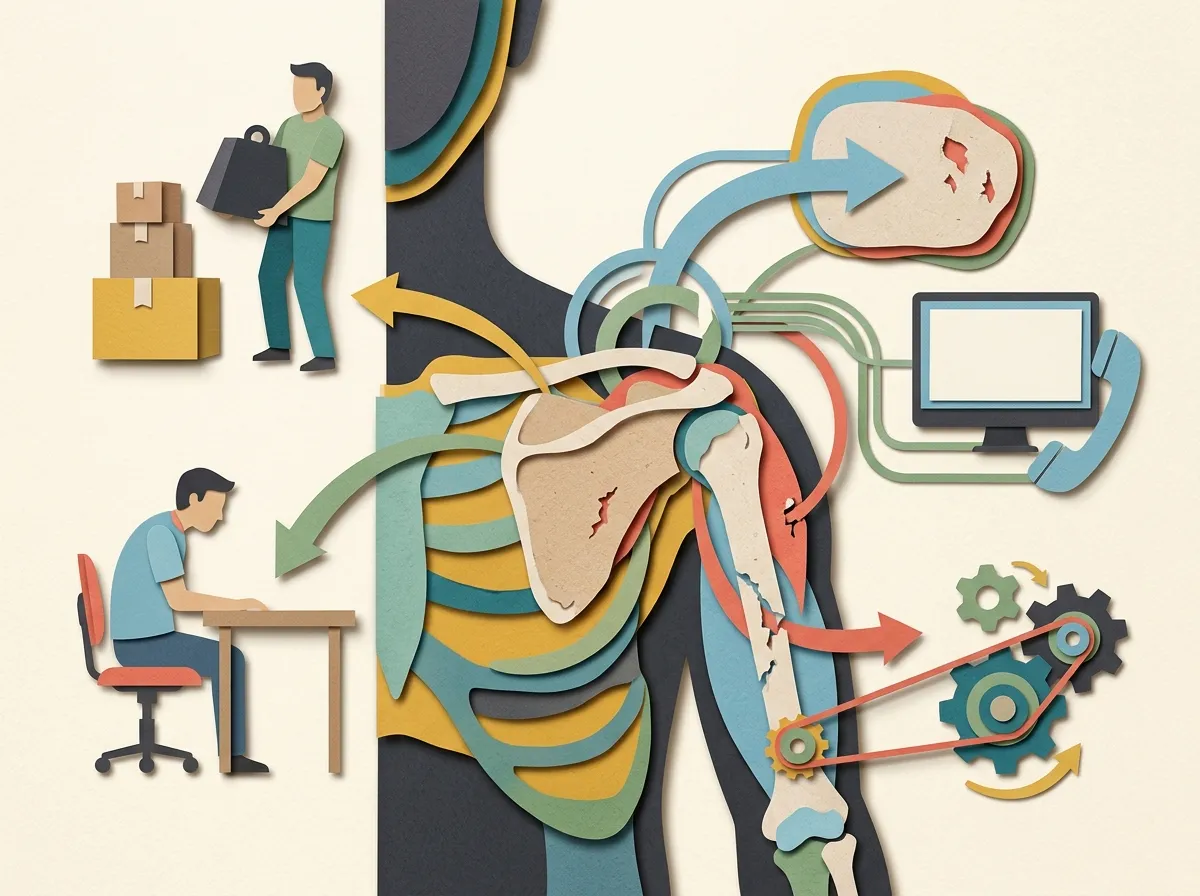
The shoulder is one of the most mobile joints in your body. That mobility is great — but it also makes the shoulder vulnerable to strain, injury, and tension. Common causes include:
- Rotator cuff injuries or tears
- Poor posture from sitting at a desk all day
- Overuse from sports or exercise
- Muscle knots and trigger points
- Bursitis or tendinopathy
- Post-surgical stiffness
- Stress-related muscle tension
No matter the cause, tight muscles and restricted movement are usually part of the picture. That’s exactly where massage shines. By increasing blood flow, relaxing muscle tissue, and breaking down adhesions, massage addresses the root causes — not just the symptoms. You can learn more about this in our guide on whether massage can help with chronic pain.

6 Shoulder Pain Massage Techniques That Actually Work
1. Deep Tissue Massage
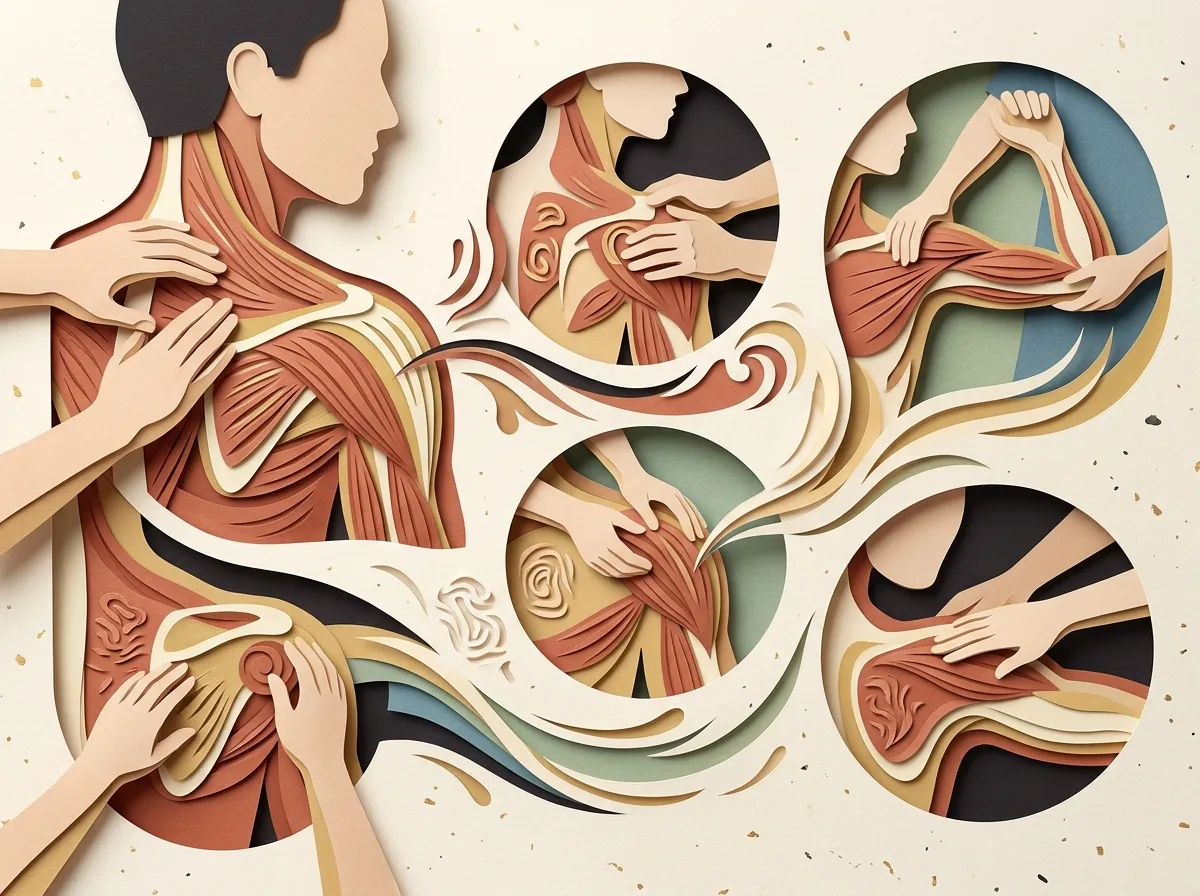
Deep tissue massage is one of the most effective options for stubborn shoulder pain. It targets the deeper layers of muscle and connective tissue using slow, firm pressure. This breaks down scar tissue, releases chronic tension, and restores mobility. It’s especially useful for rotator cuff issues, post-injury tightness, and long-term muscle stiffness.
A skilled therapist will work through the shoulder girdle muscles — including the trapezius, rhomboids, and infraspinatus — to release deep-seated knots. Many clients notice improved range of motion after just one session. For a deeper dive into this technique, check out our deep tissue massage service page or read our article on deep tissue massage techniques for pain relief.
2. Trigger Point Therapy
Trigger points are tight, sensitive spots in muscle tissue that refer pain to other areas. A knot in your upper trapezius, for example, can send pain shooting into your shoulder, neck, and even down your arm. Trigger point therapy targets these spots with focused, sustained pressure to release the tension and interrupt the pain cycle.
This technique is highly effective for shoulder pain caused by muscular issues. It’s often combined with other methods for the best results. Learn more about how this works in our guide to trigger point massage for muscle knots and pain.
3. Swedish Massage
Swedish massage uses long, gliding strokes (effleurage) and kneading movements (petrissage) to warm up muscles and increase circulation. It’s a gentler approach — perfect for people with mild shoulder tension, stress-related tightness, or those new to massage therapy.
It’s also a wonderful way to start a course of treatment before progressing to deeper work. A 2015 review of 26 randomized trials with 2,565 participants confirmed that massage significantly reduces pain and improves function compared to no treatment. You can explore this option further on our Swedish massage service page.
4. Sports Massage
Athletes and active adults often experience shoulder pain from repetitive movements — think swimming, weightlifting, or throwing sports. Sports massage is designed for exactly this kind of wear and tear. It combines techniques like friction, compression, and stretching to address overworked muscles, reduce inflammation, and speed up recovery.
Research shows that sports massage with heat therapy is particularly effective for shoulder issues. It helps restore flexibility, reduces soreness, and prepares muscles for the next training session. If you’re an athlete looking to perform at your best, read more in our article on the sports massage benefits that transform athletic recovery.
5. Myofascial Release
Fascia is the connective tissue that wraps around your muscles. When it gets tight or restricted — due to injury, poor posture, or chronic stress — it can limit movement and cause persistent pain. Myofascial release uses gentle, sustained pressure to stretch and loosen this tissue.
For shoulder pain, this technique is especially valuable because tightness in the chest, neck, or thoracic spine often pulls the shoulder out of alignment. Releasing the fascia in these areas can restore balance and reduce pain. We cover this in detail in our post on how myofascial release works and why it helps.
6. Cupping Therapy Add-On
Cupping is an ancient form of therapy that uses suction cups placed on the skin to pull up muscle tissue, increase blood flow, and release deep tension. Think of it as a reverse massage — instead of pressing down, it lifts the tissue up. This can be incredibly effective for shoulder pain that hasn’t responded to traditional techniques.
At Luna Massage Studio, cupping is available as a 15-minute add-on to any massage session for just $35. It’s a popular choice for clients dealing with stubborn knots, reduced mobility, or post-injury tightness. Find out more in our article on what cupping therapy is and how it can help you.

Which Massage Is Right for Your Shoulder Pain?
Not all shoulder pain is the same — and not every massage technique suits every person. Here’s a quick guide to help you choose the right approach:
| Type of Shoulder Pain | Recommended Technique | Session Length |
|---|---|---|
| Chronic stiffness / rotator cuff issues | Deep Tissue Massage | 60–90 min |
| Muscle knots / referred pain | Trigger Point Therapy | 60–75 min |
| Mild tension / stress-related pain | Swedish Massage | 60–75 min |
| Sports-related / overuse injuries | Sports Massage | 60–90 min |
| Postural imbalance / fascial tightness | Myofascial Release | 60–90 min |
| Deep stubborn tension / poor circulation | Cupping Add-On | 15 min add-on |

Luna Massage Studio Pricing for Shoulder Pain Relief
At Luna Massage Studio in Falls Church, VA, all massage services are thoughtfully priced to give you flexibility and value. Here’s what you can expect:
| Service | 60 Min | 75 Min | 90 Min |
|---|---|---|---|
| Deep Tissue Massage | $125 | $145 | $165 |
| Swedish Massage | $125 | $145 | $165 |
| Sport Massage | $125 | $145 | $165 |
| Aromatherapy Add-On | FREE with any massage | ||
| Cupping Add-On | $35 (15 min) | ||
| Gua Sha Add-On | $35 (15 min) | ||
Adding aromatherapy to your shoulder pain massage session is a great way to deepen relaxation at no extra cost. Certain essential oils like lavender and eucalyptus are known to ease tension and calm the nervous system. Learn more on our aromatherapy massage page.
How Many Sessions Do You Need?
This is one of the most common questions people ask. The honest answer: it depends on the severity and cause of your shoulder pain. Here’s a general guideline:
- Mild tension or stress-related pain — 1 to 2 sessions may be enough to provide relief.
- Moderate shoulder tightness or recurring knots — 4 to 6 sessions over a few weeks typically produce lasting results.
- Chronic conditions or post-injury recovery — Ongoing sessions (weekly or biweekly) are often recommended as part of a broader care plan.
A qualified massage therapist will assess your specific situation and recommend a treatment plan. The goal is always to help you feel better — not to keep you coming back unnecessarily. You can reach out to our team to discuss what might work best for you.
What to Expect During a Shoulder Pain Massage
If this is your first time, knowing what to expect can make the experience much more comfortable. Here’s a simple breakdown:
- Consultation — Your therapist will ask about your pain, medical history, and goals before the session begins.
- Positioning — You’ll be comfortably positioned on a massage table. Shoulder work often involves lying face down or on your side.
- Warm-up — The therapist starts with lighter strokes to warm the tissue and increase circulation.
- Focused work — They’ll target the shoulder, neck, upper back, and surrounding muscles based on your needs.
- Post-session care — You’ll receive guidance on hydration, stretching, and any follow-up recommendations.
It’s normal to feel some tenderness after a deep tissue session. This usually fades within 24–48 hours, and most people feel noticeably better within a day or two. For more details on what to expect before your first visit, check out our guide on 12 things to know before visiting a massage therapy studio.
Research-Backed Benefits of Shoulder Massage
The science behind shoulder pain massage is solid and growing. Here’s a quick summary of what the research shows:
| Study / Source | Key Finding |
|---|---|
| 2017 Meta-Analysis (15 studies, 635 participants) | Significant short-term pain reduction (SMD: -1.08) and long-term reduction (SMD: -0.47) |
| 2015 Review (26 trials, 2,565 participants) | Massage reduces pain and improves function vs. no treatment |
| 2013 Meta-Analysis | Massage is as effective as acupuncture and better than no treatment for shoulder pain |
| 2017 Research on Shoulder Mobility | Significant improvements in shoulder flexion and abduction after massage |
These findings are consistent: massage therapy is a legitimate, evidence-based option for shoulder pain relief. It’s not just relaxing — it genuinely heals. You can check out our client reviews to see real stories from people who’ve experienced these results firsthand. You can also visit us on Google to read what our clients in the Falls Church area are saying.
Tips to Maximize Your Shoulder Pain Massage Results
A great massage session is just one part of the equation. Here are some tips to help you get the most out of your treatment:
- Stay hydrated — Drinking water before and after your session helps flush out toxins released during massage.
- Stretch regularly — Gentle shoulder and neck stretches between sessions keep muscles loose and flexible.
- Check your posture — Poor posture is a major contributor to shoulder pain. Be mindful at your desk or during workouts.
- Communicate with your therapist — Tell them where it hurts and what pressure feels right. This helps them tailor the session to your needs.
- Don’t wait until the pain is unbearable — Regular maintenance massages prevent issues from building up in the first place.
- Consider add-ons — Cupping or Gua Sha can supercharge your results for stubborn shoulder tension. See all available massage add-ons here.
Our therapists at Luna Massage Studio follow you on Instagram where we share wellness tips, self-care ideas, and updates about our services. It’s a great place to stay inspired between sessions!
Beyond Massage: Complementary Wellness Options
Sometimes shoulder pain has an emotional or energetic component — stress, anxiety, and burnout can all manifest as physical tension. If that resonates with you, it may be worth exploring Reiki healing as a complement to your massage sessions. Reiki healing is a gentle, non-invasive energy therapy that promotes deep relaxation and supports the body’s natural healing processes.
You can also read client experiences and see ratings for Luna Massage Studio on Yelp to get a feel for what our sessions are like. We pride ourselves on creating a warm, welcoming environment where every client feels heard and cared for.
Take the First Step Toward Pain-Free Shoulders
Shoulder pain doesn’t have to be your normal. Whether you’re dealing with a long-standing injury, postural tension from desk work, or soreness from an intense workout, the right shoulder pain massage can make a real difference. The techniques covered in this article — from deep tissue and trigger point therapy to cupping and myofascial release — are all backed by research and available right here in Falls Church, VA.
Ready to feel better? Schedule your shoulder pain massage session today and take the first step toward lasting relief. Our friendly team at Luna Massage Studio is here to help you move freely, feel great, and live well. You can also explore our full range of massage therapy services to find the perfect fit for your needs.
FAQs
Q: What is the most effective massage technique for shoulder pain?
A: Deep tissue massage and trigger point therapy are often the most effective for shoulder pain — especially for chronic tension or rotator cuff issues. That said, the best technique really depends on your specific pain and goals. A great therapist will assess your situation and tailor the session just for you!
Q: How many massage sessions do I need to relieve shoulder pain?
A: It varies! Mild tension may improve in just 1–2 sessions, while chronic or injury-related pain often benefits from 4–6 sessions over a few weeks. Think of it as a course of treatment — consistency really does make a big difference over time.
Q: Can massage therapy help with rotator cuff injuries?
A: Yes, absolutely! Massage therapy can help reduce pain, improve range of motion, and support recovery for rotator cuff injuries. It works best as part of a broader care plan that may include physical therapy or medical treatment. Always let your therapist know about your injury so they can adjust the pressure and technique accordingly.
Q: Is it normal to feel sore after a shoulder pain massage?
A: Yes, a little soreness after a deep tissue or trigger point session is completely normal — especially if you had a lot of tension built up. It usually fades within 24–48 hours and most people feel noticeably better afterward. Drinking plenty of water after your session helps a lot!
Q: Are there any risks or contraindications for shoulder pain massage?
A: Massage is safe for most people, but there are a few situations where caution is needed — such as acute injuries, open wounds, blood clots, or certain inflammatory conditions. Always share your full health history with your therapist before your session so they can make the safest and most effective choices for you.