Key Takeaways
-
Avoid deep massage during the first 48-72 hours after injury when swelling is active; start with lighter techniques and gradually progress to deeper work as healing advances.
-
Massage works best as part of a comprehensive recovery plan alongside physical therapy and exercise, not as a standalone treatment for injury rehabilitation.
-
Short massage sessions of 5-12 minutes can effectively reduce muscle soreness and fatigue in athletes, making recovery support accessible for busy schedules.
-
Different massage techniques serve specific purposes: effleurage for circulation, petrissage for tension, trigger point therapy for pain spots, and myofascial release for connective tissue.
-
Building a consistent massage routine (weekly, biweekly, or monthly) produces better long-term results than occasional single sessions, allowing therapists to track progress and adjust techniques.
-
Research shows massage supports healing by boosting circulation to deliver oxygen and nutrients while clearing inflammatory waste, though results vary and realistic expectations are important.
Pulled a muscle at the gym? Recovering from a sprain, whiplash, or even a recent surgery? You’re not alone, and you’re in the right place. Injury recovery massage has become one of the most trusted tools for people who want to feel like themselves again, faster and with less pain. Whether you’re an athlete nursing a hamstring strain, a senior managing stiff joints, or a busy professional whose neck is paying the price for too many hours at a desk, the right massage approach can make a real difference.
At Luna Massage Studio in Falls Church, VA, we’ve seen firsthand how a thoughtful, well-timed massage plan can help clients move better and hurt less. This guide walks you through nine practical, research-backed tips for using massage therapy to support your recovery journey. Grab a cup of tea, get comfy, and let’s talk about healing.
What Is Injury Recovery Massage, Exactly?
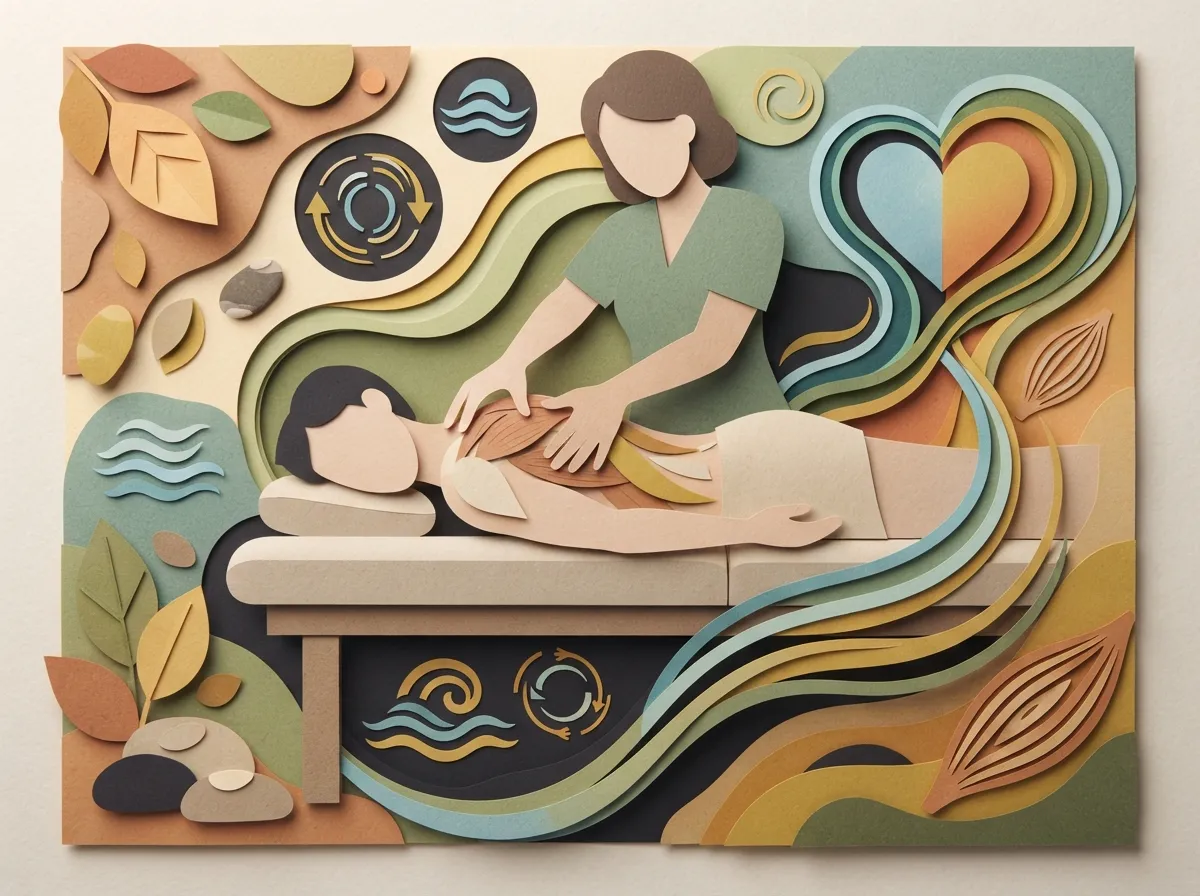
Injury recovery massage is a type of therapeutic bodywork designed to help your body heal after strains, sprains, overuse injuries, or surgery. Instead of just feeling good (though it does that too), this style of massage targets specific soft-tissue problems. Think pulled muscles, tendonitis, whiplash, and repetitive stress injuries from typing, running, or lifting.
The goal is simple: reduce pain, calm tight muscles, improve blood flow, and help you move more comfortably. It’s often used alongside physical therapy and exercise, not as a replacement for medical care. Massage therapists trained in this approach understand which techniques help and when to hold back.

9 Tips for Using Massage Therapy in Your Injury Recovery
1. Understand How Massage Actually Helps Healing
Massage supports recovery in a few key ways. It boosts circulation, which helps deliver oxygen and nutrients to injured tissue while helping clear away inflammatory waste products. It also relaxes tight muscles and can trigger the release of endorphins, your body’s natural pain relievers.
Interestingly, a Harvard-led study found that repeated mechanical loading on injured muscle tissue in mice helped it recover stronger and faster than untreated muscle, partly by helping clear inflammatory cells from the area. While that study used animal models, it supports what many massage therapists have observed clinically for years: gentle, repeated pressure can be a genuine ally in tissue repair.
2. Know When It’s Safe to Book Your Appointment
Timing matters more than people realize. Most experts recommend avoiding deep, aggressive work directly on a fresh injury during the first 48 to 72 hours. During this window, swelling and heat are still active, and heavy pressure can sometimes make things worse.
Once the acute stage passes, lighter massage techniques can begin, gradually building toward deeper work as your body heals. If you’re unsure where you stand, it’s always smart to check with your doctor or physical therapist first, then reach out to your massage therapist to build a safe plan together.
3. Choose the Right Technique for Your Injury
Not all massage strokes are created equal. Different techniques serve different purposes in the recovery process. Here’s a quick breakdown:
- Effleurage: Long, gliding strokes that warm up tissue and encourage blood flow.
- Petrissage: Kneading motions that help release muscle tension.
- Tapotement: Light tapping used to stimulate muscles and nerves.
- Friction: Focused pressure that targets scar tissue and adhesions.
- Trigger point therapy: Pressure applied to specific tight spots to release pain patterns.
- Myofascial release: Slow, sustained pressure to loosen tight connective tissue.
A skilled therapist will mix and match these based on your injury, your pain level, and your recovery stage. Our deep tissue massage service uses several of these techniques for clients dealing with stubborn muscle tightness and old injuries.
4. Combine Massage With Other Rehab Care
Massage works best as part of a bigger recovery plan, not as a standalone fix. Physical therapy, targeted exercise, and movement-based rehab all play important roles. Think of massage as the supporting actor that helps the main treatment plan work even better.
Many clients find that scheduling regular massage sessions between physical therapy appointments helps them stay looser, reduces pain between visits, and makes their exercises feel more manageable. It’s a team effort, and your body will thank you for the extra support.
5. Consider Sport Massage for Athletic Injuries
If you’re an active adult, runner, or weekend warrior nursing a strain from training, sport massage might be your best friend. This style focuses specifically on the muscles and movement patterns used in your sport, helping address imbalances and tight spots before they become bigger problems.
A 2010 review published in the Strength and Conditioning Journal found that massage applied within two hours after exercise reduced delayed-onset muscle soreness and improved range of motion in some studies. Sessions of 15 to 30 minutes using effleurage, petrissage, and tapotement were common in this research. Learn more about our sport massage services designed for exactly this kind of recovery support.
6. Try Short Sessions for Quick Recovery Boosts
You don’t always need a full 90-minute session to feel relief. Some research points to short massage sessions, around 5 to 12 minutes, helping athletes recover after exercise. Participants in these studies reported less pain and fatigue on standard pain-rating scales.
This is great news for busy professionals and athletes alike who may not have time for a lengthy appointment but still want the benefits of hands-on care. Even a brief, focused session can help take the edge off sore, overworked muscles.
7. Add Gua Sha or Cupping for Extra Relief
Sometimes a standard massage isn’t quite enough, and that’s where add-on treatments come in handy. Cupping therapy uses gentle suction to release trapped tension deep in the tissue, which many clients find especially helpful for stubborn knots and chronic tightness.
Gua Sha is another ancient technique that uses gentle scraping to relieve muscle tension and support circulation. Both add-ons pair beautifully with a massage session and can be added for just $35 for 15 minutes at Luna Massage Studio.
8. Set Realistic Expectations About Results
Here’s an honest truth: massage isn’t magic, and it doesn’t work the same for everyone. A review in the sports rehabilitation literature found that research has not consistently shown massage significantly reduces delayed-onset muscle soreness or dramatically changes sports-injury rehab outcomes in every case.
That doesn’t mean massage isn’t valuable. It means it works best as one piece of a bigger puzzle, alongside rest, proper nutrition, hydration, and any medical guidance you’ve received. Keeping expectations realistic helps you appreciate the real benefits massage does offer, like pain relief, relaxation, and improved mobility.
9. Build a Consistent Recovery Routine
Healing isn’t a one-and-done deal. Building a consistent massage routine, whether weekly, biweekly, or monthly, tends to produce better long-term results than a single visit here and there. Consistency helps your therapist track your progress and adjust techniques as your injury improves.
Many of our wellness-focused clients treat regular massage the same way they treat exercise or healthy eating: as a non-negotiable part of their self-care routine. Pairing this with Reiki healing sessions can also support relaxation and stress reduction, which often accompanies the injury recovery process.
Injury Recovery Massage Techniques at a Glance
| Technique | Best For | Typical Use Stage |
|---|---|---|
| Effleurage | Warming up tissue, boosting circulation | Early to mid recovery |
| Petrissage | Releasing muscle tension | Mid recovery |
| Tapotement | Stimulating muscles and nerves | Later recovery |
| Trigger point therapy | Targeting specific pain points | Mid to late recovery |
| Myofascial release | Loosening tight connective tissue | Ongoing maintenance |
Common Injuries That Respond Well to Massage
Wondering if your specific issue could benefit from therapeutic massage? Here’s a list of common conditions clients bring to us:
- Muscle strains and sprains
- Tendonitis and repetitive stress injuries
- Whiplash from car accidents or falls
- Post-surgical stiffness and scar tissue
- Lower back pain from overuse or poor posture
- Shoulder tension from sports or desk work
- Chronic pain related to arthritis or old injuries
- Sports-related overuse injuries in runners and gym-goers
If your situation falls outside these categories, don’t worry. A conversation with your therapist can help determine the best approach for your unique needs. Check out our guide on reducing joint pain through massage for more specific insight.
Injury Recovery Massage Pricing at Luna Massage Studio
| Service | 60 min | 75 min | 90 min |
|---|---|---|---|
| Deep Tissue Massage | $125 | $145 | $165 |
| Sport Massage | $125 | $145 | $165 |
| Swedish Massage | $125 | $145 | $165 |
| Reiki Healing | $125 flat rate | ||
Add-ons like Gua Sha and cupping are available for $35 per 15 minutes, and aromatherapy is offered free with any massage upon request.
How Different Clients Benefit From Injury Recovery Massage
For Busy Professionals
Long hours at a desk can lead to neck strain, tension headaches, and tight shoulders that feel like an injury even without a specific incident. Evening and weekend appointments make it easier to fit healing into a packed schedule. Our deep tissue massage sessions are popular among clients managing stress-related muscle tightness.
For Athletes and Active Adults
Runners, lifters, and weekend athletes often deal with overuse injuries that build up slowly. Regular sport massage can help address these issues before they sideline you completely. Explore our article on sports massage benefits for athletic recovery for a deeper dive.
For Seniors With Chronic Pain
Arthritis and stiffness respond well to gentle, consistent massage care. Improving flexibility and reducing pain can make daily activities feel much more manageable. Many senior clients also enjoy pairing massage with Reiki healing for a calming, whole-body approach.
For Pregnant Women
While injury recovery massage typically refers to strains and sprains, expectant mothers often experience pregnancy-related aches that benefit from specialized care. Our prenatal massage service is designed specifically with these needs in mind.
What to Expect During Your First Recovery-Focused Session
If you’re new to injury recovery massage, here’s a simple rundown of what typically happens:
- Your therapist will ask about your injury history, current pain levels, and any medical guidance you’ve received.
- You’ll discuss goals together, whether that’s reducing pain, improving range of motion, or simply feeling more relaxed.
- Your therapist will choose techniques suited to your recovery stage, often starting gentle and adjusting pressure based on your feedback.
- You’ll be encouraged to speak up if anything feels too intense. Communication is key to a safe, effective session.
- After your session, your therapist may suggest stretches, hydration tips, or a recommended follow-up schedule.
This collaborative approach helps ensure you’re getting care that truly matches where you are in your healing journey. For more on preparing for treatment, take a look at our piece on what to know before visiting a massage therapy studio.
A Note on Reiki and Whole-Body Healing
Some clients recovering from injury also find comfort in Reiki healing, an energy-based practice that originated in Japan in the late 1800s. While it works differently than hands-on massage, many people use it alongside massage therapy to support relaxation and reduce stress during recovery. It’s not a replacement for medical treatment, but it can be a lovely complement to your overall wellness routine.
Why Local Care Matters for Injury Recovery
Recovering from an injury is personal, and having a trusted, local massage therapist makes a real difference. Clients throughout Falls Church have found consistent relief and support through regular visits, building relationships with therapists who understand their history and progress over time. You can visit us on Google — Luna Massage Studio to see what our community has to say, or check out our Yelp page and Instagram for a closer look at our studio and services.
Ready to Start Your Recovery Journey?
Healing from an injury takes patience, the right support, and a plan that fits your life. Whether you’re dealing with a fresh strain, an old nagging ache, or post-surgical stiffness, injury recovery massage can be a valuable part of feeling like yourself again. Our team at Luna Massage Studio is here to help you build a plan that actually works for your body and your schedule.
Ready to feel better? Book your injury recovery massage today and take the next step toward pain-free movement. Have questions first? Feel free to get in touch with our team and we’ll happily walk you through your options.
FAQs
Q: What is injury recovery massage in massage therapy?
A: Injury recovery massage is therapeutic bodywork focused on helping your body heal after strains, sprains, overuse injuries, or surgery. It uses techniques like effleurage, petrissage, and trigger point therapy to reduce pain, improve circulation, and support healthy movement again.
Q: When is it safe to get a massage after a sprain or strain?
A: Most experts suggest waiting 48 to 72 hours before deep work on a fresh injury, since swelling and heat are still active during that early window. After that, gentle techniques can begin, gradually building to deeper work as you heal, so always check with your therapist or doctor first.
Q: Can massage reduce inflammation after an injury?
A: Massage may support circulation, which helps carry nutrients to injured tissue and assists in clearing inflammatory waste. While research is still developing in this area, many clients find gentle, well-timed massage genuinely helpful for reducing swelling and discomfort.
Q: Should massage be used with physical therapy for recovery?
A: Absolutely, massage tends to work best as part of a bigger recovery plan alongside physical therapy and exercise. Think of it as a supportive teammate that helps you feel looser and more comfortable between your main rehab appointments.
Q: What type of massage is best for injury recovery?
A: It really depends on your specific injury and recovery stage, but sport massage and deep tissue massage are popular choices for muscle strains and overuse injuries. A skilled therapist will often blend techniques like myofascial release and trigger point work to match exactly what your body needs.
Our Service Area