Key Takeaways
-
Research shows sports massage reduces delayed onset muscle soreness (DOMS) by 13%, providing measurable relief that allows athletes to return to training sooner and feel better doing it.
-
Sports massage boosts circulation to tired muscles, delivering more oxygen and nutrients for faster recovery between workouts, especially critical during high-volume training weeks.
-
Regular sports massage prevents injuries by breaking up muscle adhesions and restoring healthy muscle function through techniques like myofascial release and trigger point therapy before problems become serious.
-
Sports massage reduces cortisol (stress hormone) while increasing serotonin and dopamine, improving mental focus and performance anxiety—benefits valuable for athletes at every competitive level.
-
Timing is critical: use light massage 24-48 hours before competition, deeper work within 24-72 hours post-event, weekly sessions during intense training, and monthly maintenance during off-season.
-
Sports massage improves flexibility and range of motion by loosening restricted tissue, directly supporting better movement patterns and athletic performance for runners, cyclists, and gym-goers.
If you push your body hard — whether you’re training for a race, hitting the gym daily, or simply staying active — you’ve probably dealt with sore muscles, tight spots, and lingering fatigue. That’s where sports massage becomes a game-changer. It’s not just a luxury. It’s a targeted therapy designed to help your body recover faster, perform better, and stay injury-free.
Sports massage is built for people who move. And in 2026, more athletes and active adults than ever are making it a core part of their training routine. A review of 29 studies published in BMJ Open Sport & Exercise Medicine found that post-exercise sports massage reduced delayed onset muscle soreness (DOMS) by 13%. That’s real, measurable relief. Whether you’re a weekend warrior or a competitive athlete, the benefits are hard to ignore.
In this article, we’ll walk through 8 powerful benefits of sports massage and explain why it deserves a regular spot in your wellness routine. Let’s dive in!
What Is Sports Massage?
Sports massage is a specialized form of massage therapy focused on athletes and physically active people. It uses targeted techniques to address muscle tension, reduce inflammation, and support recovery. Unlike a standard relaxation massage, it zeroes in on sport-specific muscle groups that take the most stress during training and competition.
You can explore the full details of this service at Luna Massage Studio’s sport massage page. It’s offered in 60, 75, and 90-minute sessions to fit your schedule and recovery needs.
How Sports Massage Differs from Deep Tissue Massage
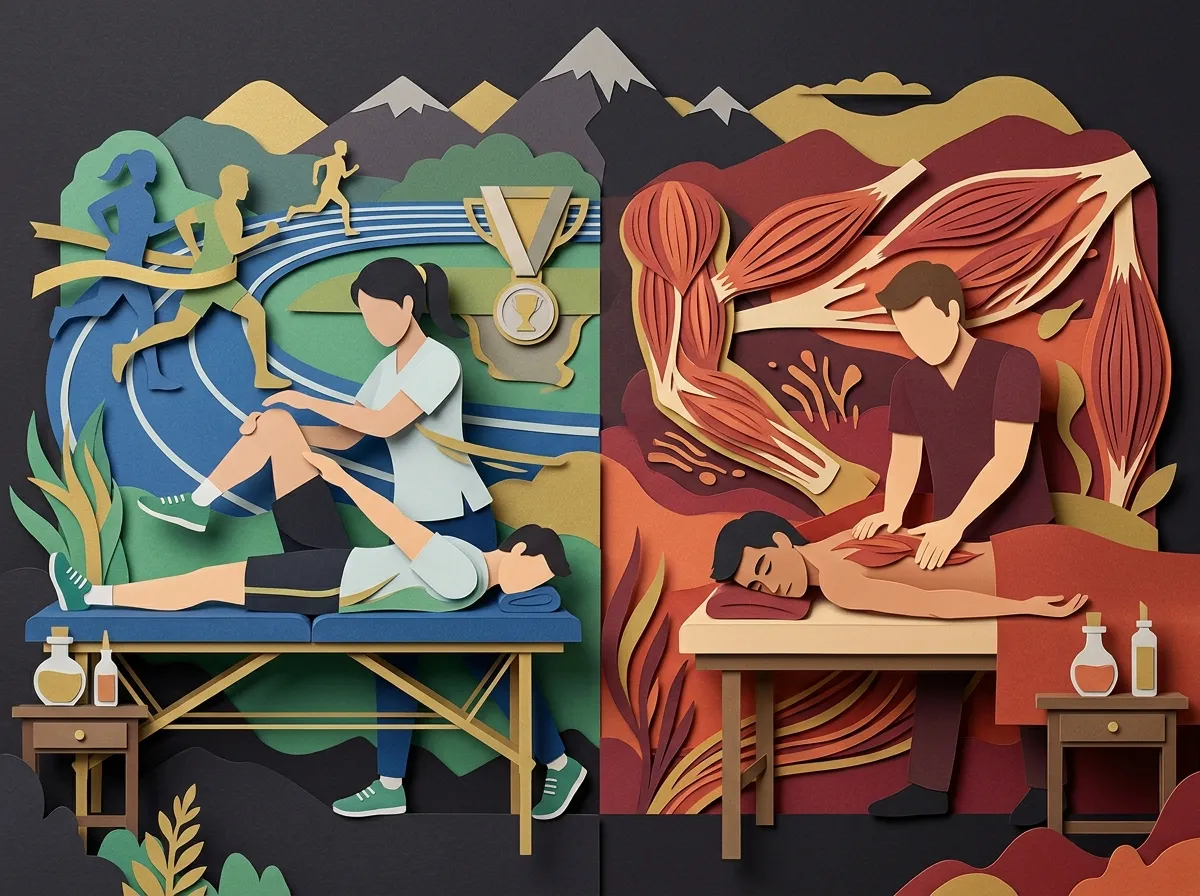
A lot of people confuse sports massage with deep tissue massage. They share some techniques, but they’re not the same thing. Here’s a quick breakdown:
| Feature | Sports Massage | Deep Tissue Massage |
|---|---|---|
| Primary Focus | Sport-specific muscle groups | Deep layers of muscle and connective tissue |
| Client Type | Athletes & active individuals | Anyone with chronic tension or pain |
| Techniques Used | ART, trigger point, myofascial release, stretching | Slow strokes, sustained pressure |
| Timing | Pre-event, post-event, training phase | Any time |
| Goal | Performance, recovery, injury prevention | Pain relief, tension release |
Sports massage combines manual pressure with athlete-guided movements. This makes it uniquely effective for people who need more than relaxation — they need functional recovery. Learn more about the overlap in our article on deep tissue massage techniques at Luna Massage Studio.
The 8 Key Benefits of Sports Massage
1. Reduces Delayed Onset Muscle Soreness (DOMS)
That aching feeling you get 24-48 hours after a tough workout? That’s DOMS. Sports massage helps reduce it significantly. Research shows a 13% reduction in DOMS symptoms after post-exercise massage. Less soreness means you can get back to training sooner and feel better doing it.
2. Speeds Up Recovery Between Workouts
Sports massage boosts circulation to tired muscles. Better blood flow means more oxygen and nutrients reach the tissues that need repair. This helps you recover faster between training sessions and competitions. It’s especially useful during high-volume training weeks when your body barely gets a break.
3. Prevents Common Sports Injuries
Tight muscles and restricted fascia are a recipe for injury. Sports massage works on those problem areas before they become serious issues. Techniques like myofascial release and trigger point therapy break up adhesions and restore healthy muscle function. Preventing an injury is always better than treating one. Read more about this in our guide on why every athlete needs a sports massage.
4. Improves Flexibility and Range of Motion
When muscles are tight, your movement suffers. Sports massage loosens up restricted tissue and helps restore your full range of motion. For runners, cyclists, swimmers, and gym-goers, improved flexibility directly supports better movement patterns and athletic output.
5. Lowers Stress and Anxiety
Performance pressure is real. Sports massage doesn’t just help your body — it helps your mind. It reduces cortisol (your stress hormone) and increases serotonin and dopamine levels. That means you feel calmer, more focused, and mentally prepared. This is a benefit that athletes at every level can appreciate, from weekend runners to competitive pros.
6. Supports Injury Rehabilitation
If you’re recovering from a strain, sprain, or overuse injury, sports massage can be a key part of your healing plan. It reduces inflammation, improves circulation to the injured area, and helps restore tissue function. Studies even suggest it can help prevent the need for surgery in younger athletes. You can also learn more about how massage therapy helps with chronic pain during recovery.
7. Enhances Sleep Quality
Quality sleep is one of the biggest factors in athletic recovery. Sports massage promotes deep relaxation, which makes it easier to fall asleep and stay asleep. When your nervous system calms down after a session, your body shifts into recovery mode more effectively overnight. Better sleep equals better performance — it’s that simple.
8. Boosts Long-Term Athletic Longevity
This benefit is especially important for athletes over 40 or 50. Regular sports massage helps maintain muscle health, reduce stiffness, and keep the body functioning well over the long haul. It supports older athletes in staying active and competitive without breaking down. It’s not just about this season — it’s about staying in the game for years to come.

Sports Massage Techniques Explained
Sports massage therapists use a range of techniques depending on your sport, goals, and physical condition. Here’s a look at the most common ones:
| Technique | What It Does | Best For |
|---|---|---|
| Deep Tissue Massage | Releases deep muscle tension | Chronic tightness, recovery |
| Trigger Point Therapy | Deactivates pain knots in muscles | Localized muscle pain |
| Myofascial Release | Frees up restricted fascia | Flexibility, injury prevention |
| Active Release Technique (ART) | Breaks up scar tissue with movement | Overuse injuries, runners |
| Effleurage & Petrissage | Warms up and loosens muscles | Pre-event prep, relaxation |
The right technique depends on where you are in your training cycle. A therapist will tailor the session to your specific needs — whether you’re preparing for an event, recovering after one, or maintaining your baseline during the off-season.
When Should You Get a Sports Massage?
Timing matters a lot with sports massage. Here’s a helpful overview of the four main phases:
- Pre-Event: Light, stimulating massage 24-48 hours before competition to warm up muscles and reduce anxiety.
- Post-Event: Deeper work within 24-72 hours after an event to flush out metabolic waste and reduce soreness.
- Training Phase: Regular sessions during intense training blocks to reduce inflammation and prevent injury.
- Off-Season / Maintenance: Monthly sessions to maintain tissue health and address any lingering issues.
For athletes in heavy training, weekly sessions are ideal. For those maintaining a moderate fitness routine, monthly is a great starting point. Consistency is what makes the biggest difference over time.
Who Benefits Most from Sports Massage?
You don’t need to be a professional athlete to benefit. Sports massage is a great fit for:
- Runners and cyclists dealing with tight IT bands, hamstrings, and calves
- Gym-goers who lift heavy and need faster recovery between sessions
- Weekend warriors who push hard on Saturdays and pay for it on Mondays
- Older adults over 40-50 who want to stay active and mobile
- Anyone rehabbing an injury and looking to speed up healing
- Swimmers and team sport athletes with repetitive motion stress
Our article on sports massage for muscle pain goes deeper into how different active individuals can benefit. Check it out if you want more specific guidance.
Add-Ons That Complement Sports Massage
Want to level up your recovery session? At Luna Massage Studio, you can enhance your sports massage with powerful add-ons designed to accelerate healing and deepen relaxation.
- Cupping (Add-On): Uses suction to release trapped energy deep in the body, improve blood flow, and ease inflammation. A great companion to sports massage for muscle recovery. Just 15 minutes for $35.
- Gua Sha (Add-On): An ancient technique that scrapes away tension and toxic buildup through the skin. It’s especially effective for sore, tight muscles post-workout. Also 15 minutes for $35.
- Aromatherapy Massage: Add this to any massage session for free. Calming essential oils can reduce stress and enhance the overall therapeutic experience.
Explore all available massage add-ons here to build a personalized recovery session that truly works for your body.
Sports Massage Pricing at Luna Massage Studio
| Session Length | Price | Best For |
|---|---|---|
| 60 Minutes | $125 | Targeted recovery, maintenance |
| 75 Minutes | $145 | Full-body recovery with focus areas |
| 90 Minutes | $165 | Deep recovery, injury rehab support |
Sessions are available in Falls Church, VA. You can visit us on Google to read real client reviews and get directions. Our team works hard to make every session feel worth every penny.
Tips for Getting the Most Out of Your Session
A little preparation goes a long way. Here’s how to maximize every sports massage appointment:
- Hydrate well before and after your session to help flush out metabolic waste from your muscles.
- Communicate openly with your therapist about your sport, training schedule, and any pain or problem areas.
- Avoid intense training within 24 hours after a deep session to let your muscles fully recover.
- Book consistently — one session is great, but regular sessions deliver compounding benefits over time.
- Consider add-ons like cupping or Gua Sha if you have stubborn areas of tension or inflammation.
Want to see what others are saying about their experience? Check out our client reviews page or browse our profile on Yelp for honest feedback from real clients. You can also follow us on Instagram for wellness tips, behind-the-scenes content, and special offers.
Conclusion
Sports massage is one of the smartest investments you can make in your body. It reduces soreness, prevents injuries, improves flexibility, and keeps you performing at your best — season after season. Whether you’re training hard or simply staying active, your muscles deserve real care and attention.
At Luna Massage Studio in Falls Church, VA, our skilled therapists are ready to help you recover smarter and feel better. From sport massage to Swedish massage and Reiki healing, we offer a full range of therapies tailored to your unique needs. Call us at 703-254-0422 or schedule your sports massage session today and take the first step toward a stronger, healthier, pain-free you!
FAQs
Q: What are the main benefits of sports massage for athletes?
A: Sports massage offers a great range of benefits including reduced muscle soreness (DOMS), faster recovery between workouts, improved flexibility, and injury prevention. It also helps lower stress and anxiety, making it as good for your mind as it is for your body!
Q: How is sports massage different from a regular deep tissue massage?
A: Great question! Sports massage focuses specifically on sport-related muscle groups and combines techniques like active release and myofascial release with athlete-guided movements. Deep tissue massage targets general chronic tension and is suitable for anyone, not just active individuals.
Q: How often should I get a sports massage?
A: If you’re in heavy training, weekly sessions are ideal for keeping your muscles in top shape. For those maintaining a moderate activity level, once a month is a solid starting point. Consistency is the real secret sauce here!
Q: Can sports massage help if I’m not a professional athlete?
A: Absolutely! You don’t need to be a pro to enjoy the benefits. Weekend warriors, gym-goers, recreational runners, and even older adults over 40 can all benefit tremendously from regular sports massage sessions.
Q: Is sports massage helpful for injury recovery?
A: Yes! Sports massage is a wonderful addition to any injury rehabilitation plan. It reduces inflammation, boosts circulation to the injured area, and helps restore normal tissue function — all of which support a smoother, faster recovery.