Key Takeaways
-
A 2014 randomized trial found deep tissue massage was as effective as NSAIDs for reducing chronic low back pain, offering a drug-free alternative for pain relief.
-
Deep tissue massage targets specific muscle groups causing back pain—including spinal erectors, quadratus lumborum, glutes, psoas, and trapezius—rather than just surface muscles.
-
For best results, mild back pain typically needs 1-2 sessions, while chronic pain requires 4-6 sessions spaced 1-2 weeks apart; consistency significantly improves outcomes.
-
Key techniques like myofascial release, trigger point therapy, and cross-fiber friction work together to break down adhesions, improve blood flow, and restore normal movement.
-
Combining deep tissue massage with add-on treatments like cupping and Gua Sha, plus stretching between sessions, enhances relief and accelerates recovery from back pain.
-
Some post-massage soreness is normal and usually fades within 24-48 hours; drinking water afterward helps flush metabolic waste released during the session.
Back pain is one of the most common complaints people deal with every single day. Whether you sit at a desk for hours, push through tough workouts, or simply feel the weight of stress in your shoulders and lower back, that deep, nagging ache can really wear you down. The good news? Deep tissue massage is one of the most effective, natural ways to find real relief — and it goes far beyond a simple rubdown.
In this guide, we’ll walk you through everything you need to know about deep tissue massage for back pain. We’ll cover how it works, what techniques are used, who benefits most, and how to know if it’s right for you. Whether you’re a busy professional, an active athlete, a senior managing chronic pain, or simply someone ready to feel better, this article is for you.

What Is Deep Tissue Massage?
Deep tissue massage is a type of therapeutic massage that targets the deeper layers of muscle and connective tissue. Unlike a relaxing Swedish massage, which uses lighter strokes to promote relaxation, deep tissue massage uses firm pressure and slow, deliberate strokes to reach muscles below the surface. The goal is to break down knots, release tension, and restore normal movement.
Therapists may use their fingers, knuckles, thumbs, forearms, or elbows to apply pressure. This targeted approach allows them to work on specific problem areas — not just the surface muscles. If you want to understand how these approaches compare, check out this breakdown of Swedish vs. deep tissue massage for tension relief.
How Deep Tissue Massage Helps Back Pain
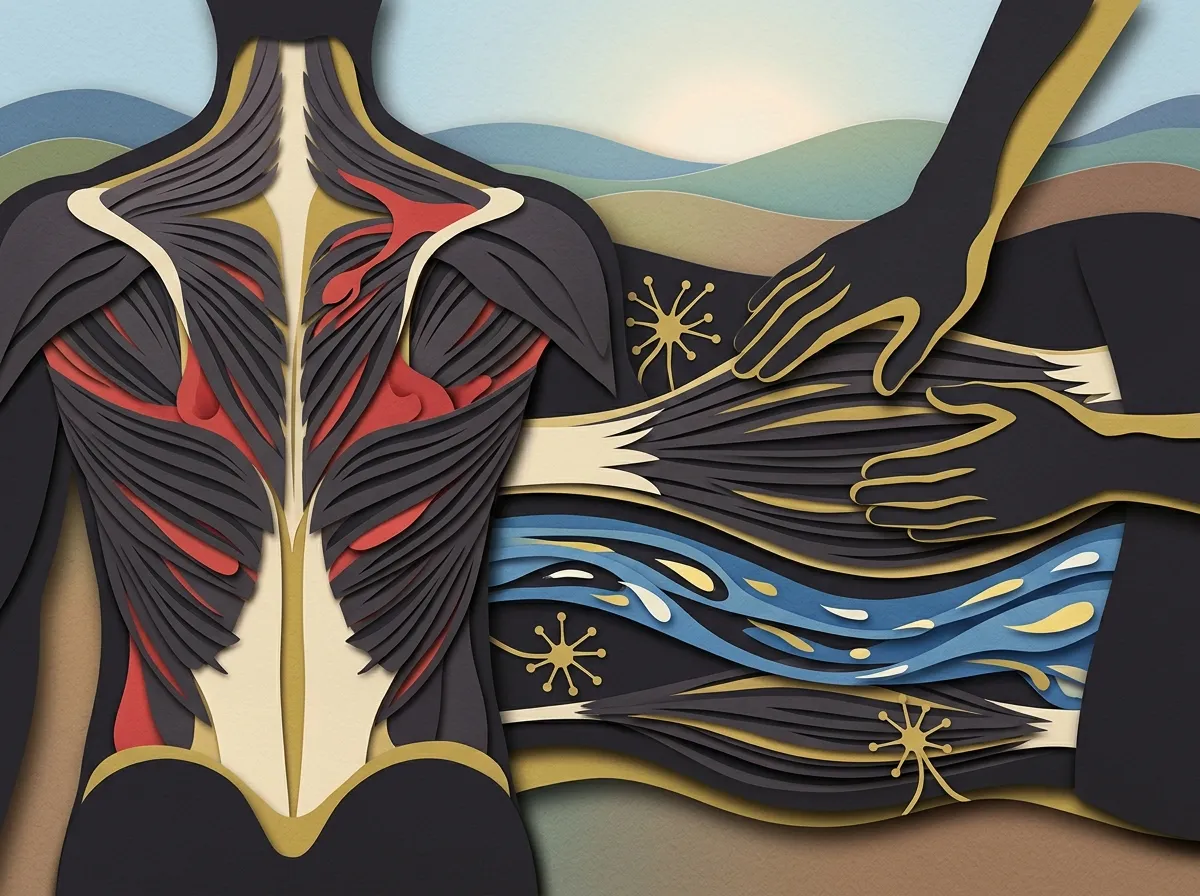
Back pain often comes from tight, overworked muscles, scar tissue, or adhesions — basically areas where muscle fibers have become stuck together. Deep tissue massage works by physically breaking these down, which allows blood to flow more freely and muscles to move naturally again.
Here’s a quick look at the key ways deep tissue massage benefits back pain:
- Reduces muscle tension in the deeper layers of the back
- Breaks down scar tissue and adhesions that restrict movement
- Improves blood flow, delivering oxygen and nutrients to sore muscles
- Decreases inflammation and lowers stress hormones
- Improves sleep quality, which helps the body heal faster
- Restores flexibility and range of motion in the spine
A 2014 randomized trial found that deep tissue massage was just as effective as a combined treatment using NSAIDs (anti-inflammatory medications) for reducing chronic low back pain. That’s a powerful statement for a drug-free approach. You can also explore how massage helps with chronic pain to learn more about the science behind it.
Key Muscle Groups Targeted for Back Pain
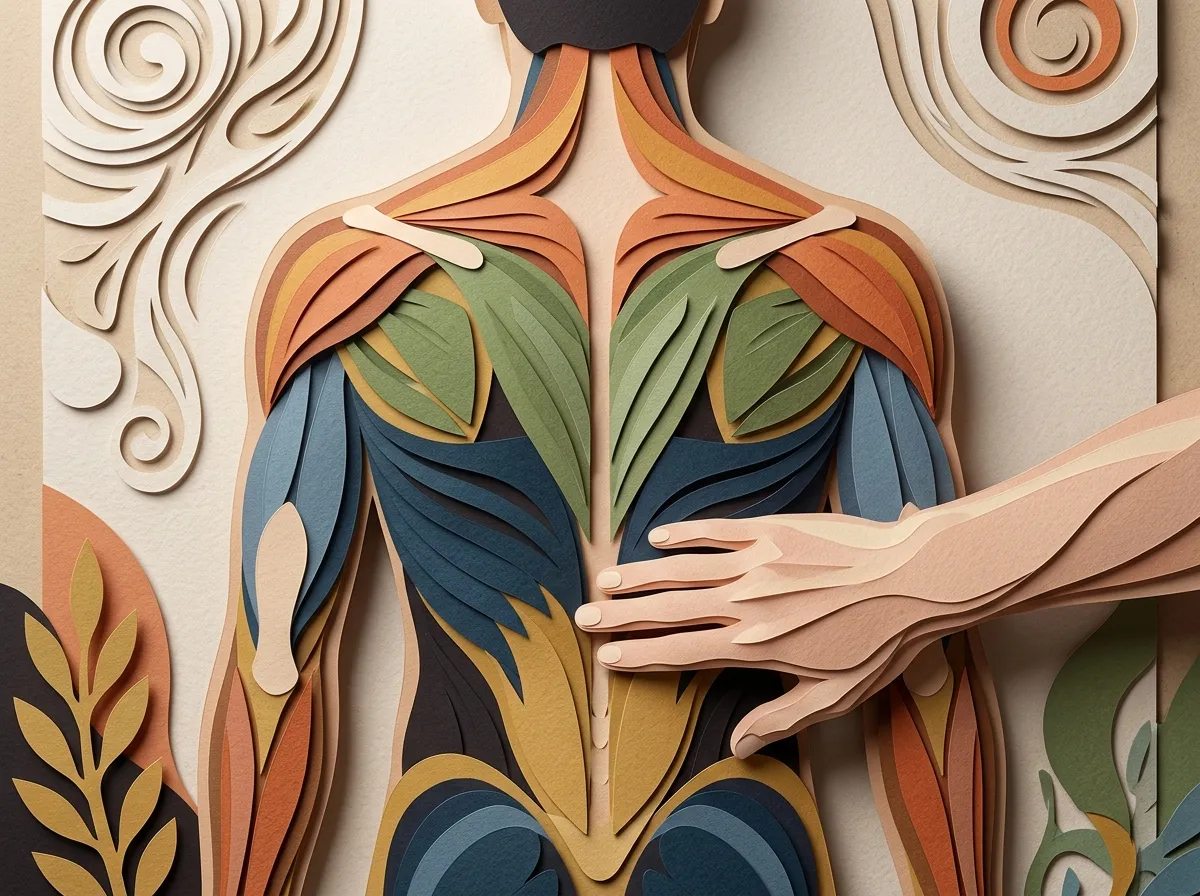
Not all back pain is the same, and a skilled massage therapist knows exactly which muscles to target. Here are the primary areas addressed during a deep tissue session for back pain:
| Muscle Group | Location | Role in Back Pain |
|---|---|---|
| Spinal Erectors | Along the spine | Supports posture; tightness causes stiffness |
| Quadratus Lumborum | Lower back, above the hips | Common source of lower back pain and spasms |
| Glutes | Buttocks | Tight glutes pull on the lower back |
| Psoas | Deep in the abdomen/hip area | Hip flexor tightness creates lower back strain |
| Trapezius | Upper back and shoulders | Holds stress and tension from desk work or anxiety |
Addressing these muscle groups together can make a significant difference — especially when back pain has multiple contributing factors. If you’re curious about specific methods, check out deep tissue massage techniques that unlock real relief.

Core Techniques Used in Deep Tissue Massage for Back Pain
Deep tissue massage isn’t just about pressing harder. Skilled therapists use several specific techniques to get results. Here are the most common ones:
- Myofascial Release: Slow, sustained pressure is applied to the fascia — the connective tissue surrounding muscles. This helps release tightness and restore mobility. Learn more about how myofascial release works and why it helps.
- Trigger Point Therapy: The therapist applies direct, precise pressure to tender “knots” or trigger points. This releases the tight band of muscle and reduces referred pain. Check out more on trigger point massage for muscle knots and pain.
- Cross-Fiber Friction: The therapist works across the grain of the muscle rather than along it. This is especially effective for thin muscles running along the spine and helps break down adhesions.
- Deep Stripping Strokes: Long, slow strokes applied with deep pressure follow the length of the muscle fibers, gradually releasing chronic tension layer by layer.
- Compression: Sustained pressure is held on a specific area to increase circulation and soften tight tissue before other techniques are applied.
Who Benefits Most From Deep Tissue Massage for Back Pain
Deep tissue massage for back pain works well for a wide range of people. Here’s a snapshot of who tends to see the best results:
| Who It Helps | Common Back Pain Triggers | Expected Benefits |
|---|---|---|
| Busy Professionals | Prolonged sitting, stress, poor posture | Tension relief, better posture, reduced stress |
| Athletes and Active Adults | Overtraining, muscle strain, repetitive motion | Faster recovery, improved mobility, pain reduction |
| Seniors with Chronic Pain | Arthritis, stiffness, reduced flexibility | Improved range of motion, pain management |
| Wellness-Focused Individuals | Preventative care, general tension | Long-term flexibility and muscle health |
For athletes and gym-goers specifically, pairing deep tissue massage with sport massage can be especially powerful for recovery. Read more about how sports massage transforms athletic recovery.
What to Expect During Your Session
Walking into your first deep tissue session can feel a little intimidating if you don’t know what to expect. Here’s a simple step-by-step of how a typical session flows:
- Intake and assessment: Your therapist will ask about your pain levels, medical history, and specific areas of concern.
- Warm-up strokes: The session begins with lighter strokes to warm up the muscles before applying deeper pressure.
- Targeted deep work: The therapist gradually increases pressure, focusing on your key problem areas using the techniques described above.
- Cool-down and stretch: The session typically ends with lighter strokes to flush the tissue and promote circulation.
- Post-session guidance: Your therapist may suggest stretches, hydration tips, or follow-up session frequency based on your needs.
Some mild soreness after a deep tissue session is completely normal — especially if your muscles were very tight. Think of it like a good workout. Drink plenty of water afterward to help your body flush out metabolic waste released during the massage.
Enhancing Your Session With Add-On Treatments
Want to get even more out of your deep tissue massage for back pain? Luna Massage Studio offers several powerful add-on treatments that complement your session beautifully.
- Cupping: This ancient technique uses suction cups to release trapped energy deep in the tissue. It’s excellent for stubborn back tension and acts like a deep-tissue massage in reverse — lifting instead of pressing. Learn more about what cupping therapy is and how it can help you.
- Gua Sha: This traditional scraping technique relieves aches, reduces tight muscles, and stimulates circulation. It pairs wonderfully with deep tissue work on the back. Read about Gua Sha massage therapy for modern pain.
- Aromatherapy Massage: Add calming essential oils to your session for free. Aromatherapy can reduce stress hormones and enhance relaxation — both of which support faster recovery from back pain. Discover aromatherapy massage at Luna Massage Studio.
All add-ons are 15 minutes for just $35 and must be added to a massage session. They can make a real difference in how quickly you feel relief.
Deep Tissue vs. Other Massage Types for Back Pain
Wondering how deep tissue massage stacks up against other options? Here’s a quick comparison:
| Massage Type | Pressure Level | Best For | Back Pain Relief? |
|---|---|---|---|
| Deep Tissue | Firm to intense | Chronic pain, muscle knots, injury recovery | Excellent |
| Swedish Massage | Light to medium | Stress relief, relaxation, mild tension | Moderate |
| Sport Massage | Medium to firm | Athletic performance, pre/post-event recovery | Very Good |
| Prenatal Massage | Gentle to medium | Pregnancy-related back pain and discomfort | Good (for expectant mothers) |
Research shows deep tissue massage may be more effective than Swedish massage specifically for pain relief, though Swedish massage still offers real benefits for tension and stress. If you’re unsure which is right for you, read which massage is right for you: deep tissue vs. Swedish.
For expectant mothers dealing with pregnancy-related back pain, prenatal massage is the safest and most appropriate option. Luna Massage Studio also serves those in the broader Northern Virginia area, so explore prenatal massage benefits for mothers-to-be.
How Many Sessions Do You Need?
This is one of the most common questions people ask. The honest answer is: it depends. Here are some general guidelines:
- Mild or occasional back pain: 1–2 sessions may provide significant relief
- Moderate chronic back pain: 4–6 sessions spaced 1–2 weeks apart is often recommended
- Severe or long-standing pain: Ongoing monthly sessions may be needed to maintain results
- Preventative care: Once a month is a great baseline for maintaining muscle health
A 2017 randomized pilot study confirmed that deep tissue massage is beneficial for back pain relief. Another study found that combining deep tissue massage with stretching improved pain, mobility, and function after just 3 weeks. Consistency really does make a difference.
Who Should Be Cautious With Deep Tissue Massage
While deep tissue massage is safe for most people, there are a few situations where you should check with your doctor first:
- You have a blood clotting disorder or take blood thinners
- You have osteoporosis or very fragile bones
- You have an open wound, skin infection, or recent surgery in the treatment area
- You are pregnant (opt for prenatal massage instead)
- You have a herniated disc or other serious spinal condition
Always communicate openly with your therapist about your health history. A skilled therapist will always adjust their approach to keep you safe and comfortable. You can also explore what a licensed massage therapist can do for you to understand the value of working with a trained professional.
Luna Massage Studio Pricing for Deep Tissue Massage
At Luna Massage Studio in Falls Church, VA, we keep our pricing straightforward and transparent. Here’s what you can expect for a deep tissue massage session:
- 60 minutes: $125
- 75 minutes: $145
- 90 minutes: $90 minutes: $165
Aromatherapy is available as a free add-on with any massage. Cupping and Gua Sha add-ons are each $35 for 15 minutes. We also offer Reiki healing at a flat rate of $125 — a wonderful complement to massage for those seeking a more holistic approach to wellness. Discover more about Reiki healing and its energy-based origins.
You can also check out our client reviews or visit us on Google to see what our clients are saying about their experience with us. We’re proud of the feedback we receive and love helping our community feel better every day.
Want to see more of our work and wellness tips? Follow along with us on Instagram at @lunamassagestudio and check out our Yelp page for additional reviews from happy clients.
Take the First Step Toward a Pain-Free Back
Back pain doesn’t have to be your normal. Deep tissue massage for back pain is a proven, natural, and deeply effective way to find real relief — without relying on medications or waiting around for the pain to go away on its own. Whether you’re dealing with a dull ache from desk work, soreness from training, or chronic tension that’s been building for years, deep tissue massage can help you feel like yourself again.
If you’re ready to experience the difference, we’d love to welcome you to Luna Massage Studio. Our experienced therapists are here to listen, assess your needs, and deliver a session tailored specifically to you. You can also browse our wellness blog for more tips or explore our full list of massage add-ons to customize your experience.
Your back has been carrying a lot lately — it’s time to give it the care it deserves. Schedule your deep tissue massage session today and take the first step toward lasting relief and total wellness. We can’t wait to help you feel better!
FAQs
Q: How is deep tissue massage different from a regular Swedish massage?
A: Great question! Swedish massage uses lighter, flowing strokes that are perfect for relaxation and mild tension. Deep tissue massage goes much deeper — using firm, slow pressure to target the inner layers of muscle and connective tissue. If your back pain is chronic or stubborn, deep tissue is usually the better choice for real, lasting relief.
Q: Is deep tissue massage safe for chronic lower back pain?
A: Yes, for most people it is! In fact, a 2014 study found deep tissue massage was as effective as taking anti-inflammatory medications for chronic low back pain. That said, always let your therapist know about any underlying conditions so they can tailor the session safely to your needs.
Q: Will I be sore after a deep tissue massage for back pain?
A: A little soreness after your session is totally normal — think of it like the good kind of soreness after a workout. It usually fades within 24–48 hours. Drinking plenty of water afterward and applying a warm compress can help ease any post-session tenderness.
Q: How many deep tissue massage sessions do I need for back pain relief?
A: It really depends on how long you’ve been dealing with the pain and how your body responds. For mild discomfort, 1–2 sessions can make a big difference. For chronic or more serious back pain, a series of 4–6 sessions spaced 1–2 weeks apart often delivers the best results. Your therapist will help you create a personalized plan!
Q: Can I combine deep tissue massage with other treatments for back pain?
A: Absolutely — and it’s often a great idea! Add-ons like cupping and Gua Sha complement deep tissue massage beautifully by releasing additional layers of tension and improving circulation. Stretching between sessions and staying hydrated also helps you get the most out of your treatment.