Key Takeaways
-
Licensure (not just certification) is legally required in most U.S. states to practice massage therapy, making it the critical credential to verify before booking a session.
-
Massage therapy programs require 500-1,000 hours of hands-on training plus passing the MBLEx exam, ensuring therapists have rigorous education in anatomy, physiology, and clinical skills.
-
Specialty certifications (prenatal, sports, medical, geriatric, aromatherapy) allow therapists to serve specific client needs more effectively, so match your therapist’s certifications to your health goals.
-
Consistent, regular massage sessions deliver better results than one-time visits for stress reduction, pain relief, sleep improvement, and recovery—treat it as an ongoing wellness practice.
-
The massage therapy industry is growing 15% faster than average with projected 24,700 annual job openings and a global market expanding from $19.45B to $29.53B by 2030.
-
Always verify a therapist’s state license and specialty training, read client reviews on platforms like Yelp, and clearly communicate your specific health needs to ensure personalized, effective treatment.
When you’re looking for massage therapy, you want to know you’re in good hands. Literally. Understanding what a certified massage therapist is can help you make a smarter choice for your health and wellness. Whether you’re a busy professional dealing with stress, an athlete recovering from a tough workout, or a mom-to-be seeking relief, knowing who is qualified to work on your body matters a great deal.
The massage therapy world has its own set of credentials, training requirements, and professional standards. These can feel confusing at first glance. But don’t worry — we’re going to break it all down in simple, clear terms. By the end of this article, you’ll know exactly what to look for when booking your next session.

What Does “Certified Massage Therapist” Actually Mean?
The term certified massage therapist (often shortened to CMT) refers to a massage professional who has completed a recognized training program and earned a certification from a private credentialing body or school. However, this title can be a little misleading. Certification alone does not always mean a therapist is legally authorized to practice in your state.
In most U.S. states, massage therapists must hold a license — not just a certificate — to legally offer massage therapy services. Licensure is tied to state law and public safety standards. Certification, on the other hand, is often voluntary and tied to specialty training or professional organizations. Understanding this difference is key when choosing who to trust with your body.
If you want to learn more about what a qualified massage professional can actually do for you, check out this helpful resource on what a licensed massage therapist can do for you.

Certification vs. Licensure: Key Differences
Many people use “certified” and “licensed” interchangeably. But in the massage therapy world, these two words mean very different things. Here’s a simple breakdown:
| Feature | Certification | Licensure |
|---|---|---|
| Issued by | Private organizations or schools | State government boards |
| Purpose | Shows training or specialty skills | Legal authority to practice |
| Required by law? | Usually no | Yes, in most U.S. states |
| Tied to public safety? | Indirectly | Directly |
| Renewal required? | Varies | Yes, typically every 1–2 years |
In short, a licensed massage therapist (LMT) has met the legal requirements of their state to practice. A certified massage therapist may have additional training or specialty credentials on top of that. Both titles can signal quality — but licensure is the legal foundation.
Want to understand more about how to find and benefit from licensed massage therapy? We’ve got you covered.

How Much Training Does a Massage Therapist Need?
Becoming a skilled massage therapist takes real dedication and significant training. Here’s what the typical educational path looks like:
- Enroll in an accredited massage therapy program — Most programs require between 500 and 1,000 hours of hands-on training, depending on the state and school.
- Study anatomy, physiology, and techniques — Students learn about muscles, joints, and the body’s systems, as well as various massage modalities.
- Complete supervised clinical hours — Real practice on clients under professional supervision is a critical part of training.
- Pass the MBLEx exam — The Massage & Bodywork Licensing Examination (MBLEx) is the most widely used licensing test accepted by state boards across the country.
- Apply for state licensure — After passing the exam, therapists apply to their state board to receive their official license to practice.
- Pursue continuing education — Licensed therapists must complete ongoing education to renew their licenses and stay current with best practices.
This structured path ensures that every therapist who works on your body has been properly trained and tested. It’s reassuring to know there’s a real system behind the credential.

Types of Specialty Certifications Available
Beyond basic licensure, a certified massage therapist can earn specialty certifications in focused areas of practice. These extra credentials allow therapists to serve clients with specific needs more effectively.
| Specialty Certification | Who It Benefits | Key Techniques Involved |
|---|---|---|
| Prenatal Massage | Pregnant women | Side-lying positioning, gentle pressure |
| Sports Massage | Athletes and active adults | Deep tissue, myofascial release, stretching |
| Medical/Clinical Massage | Post-surgery, chronic pain clients | Targeted therapeutic techniques |
| Geriatric Massage | Seniors with mobility issues | Gentle, slow strokes, joint-friendly methods |
| Aromatherapy Massage | Stress and anxiety relief seekers | Essential oils combined with Swedish techniques |
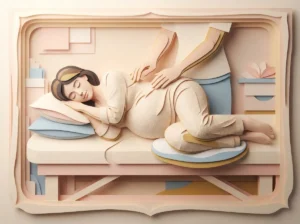
These specializations make a big difference. For example, if you’re pregnant, you want a therapist trained in prenatal massage — not just anyone with a general license. The same applies if you’re an athlete looking for recovery support through sport massage.
What Services Can a Certified Massage Therapist Offer?
A well-trained, certified massage therapist can offer a wide range of services depending on their training. Here are some of the most popular modalities you’ll find at a quality massage therapy studio:
- Swedish Massage — Gentle, flowing strokes that relax muscles and calm the nervous system. Perfect for stress relief and first-time clients.
- Deep Tissue Massage — Targets deeper muscle layers to address chronic tension and pain. Great for people with tight muscles from desk work or heavy training.
- Sports Massage — Designed to improve athletic performance and speed up recovery. Ideal for runners, gym-goers, and active adults.
- Prenatal Massage — Specially adapted massage for expectant mothers to ease discomfort and promote relaxation during pregnancy.
- Aromatherapy Massage — Combines therapeutic massage with essential oils for an enhanced sensory experience and deeper relaxation.
- Reiki Healing — An energy-based therapy rooted in Japanese tradition that promotes balance and wellbeing through gentle touch.
- Add-on Treatments — Specialty services like Gua Sha and cupping can be added to most massage sessions for targeted relief.
If you’re curious about holistic approaches, learning about Reiki Healing as a complementary wellness practice is a wonderful place to start. You can also explore Reiki healing services at Luna Massage Studio in Falls Church, VA.
Massage Therapist Career and Salary Overview
The demand for qualified massage therapists is growing fast in 2026. Here’s a quick snapshot of the career landscape:
| Data Point | Details |
|---|---|
| Median annual wage (2024) | $57,950 (U.S. Bureau of Labor Statistics) |
| Entry-level wage (10th percentile) | $32,240 |
| Top earners (90th percentile) | $95,700 |
| Projected job growth (2024–2034) | 15% — much faster than average |
| Annual job openings projected | About 24,700 per year |
| Global market size (2024) | $19.45 billion, projected to reach $29.53 billion by 2030 |
These numbers show just how vibrant and growing the massage therapy field really is. Whether you’re considering a career in massage therapy or you’re a client wanting to understand the industry better, these figures paint a promising picture.
Where Do Certified Massage Therapists Work?
A certified massage therapist can build a career in many different environments. The options are more varied than most people think:
- Day spas and wellness centers
- Chiropractic and physical therapy offices
- Hospitals and rehabilitation centers
- Sports medicine facilities and athletic training centers
- Private practice studios
- Hotels and resorts
Each setting offers a different experience and client base. Studios like Luna Massage Studio in Falls Church, VA, provide a warm, professional environment where clients can access a full range of massage therapy and wellness services in one convenient location. You can visit Luna Massage Studio on Google to read reviews and learn more about what clients are saying.
How to Choose the Right Certified Massage Therapist for You
Now that you understand the credentials, here’s how to find a therapist who’s truly the right fit for your needs. Follow these steps:
- Verify their license — Ask if they hold a valid state license. In Virginia, massage therapists must be licensed through the Board of Nursing.
- Check their specialty training — If you have a specific need (prenatal, sports recovery, chronic pain), look for therapists with matching certifications.
- Read real reviews — Check platforms like Yelp reviews for Luna Massage Studio to see what real clients say about their experience.
- Ask about their techniques — A good therapist will always be happy to explain their methods and discuss what approach is best for your goals.
- Trust your comfort level — The best session happens when you feel safe, respected, and at ease. Don’t hesitate to speak up about your preferences.
For more guidance on making the best choice, explore our full guide on what makes the best massage therapist worth booking.
Benefits You Can Expect from a Certified Massage Therapist
Working with a properly trained and certified massage therapist can deliver real, lasting benefits. Here’s what consistent massage therapy can do for you:
- Reduce stress, anxiety, and mental fatigue
- Relieve muscle tension, chronic pain, and soreness
- Improve sleep quality and duration
- Boost immune system function
- Increase flexibility and range of motion
- Support recovery after surgery or injury
- Promote deep relaxation and overall wellbeing
Whether you’re dealing with chronic pain or just need to decompress after a long week, a skilled therapist can make a genuine difference in how you feel. Follow Luna Massage Studio on Instagram for wellness tips and updates on services.
If you’re curious about which type of massage is right for your specific situation, check out our helpful comparison article: which massage is right for you — deep tissue vs. Swedish.
Common Mistakes to Avoid When Booking Massage Therapy
- Assuming all certifications are equal — Always verify both the type of credential and whether the therapist is state-licensed.
- Not communicating your needs — The more your therapist knows about your goals and discomforts, the better they can tailor the session.
- Skipping add-on treatments — Options like Gua Sha and cupping add-ons can significantly enhance your results when combined with massage.
- Treating massage as a one-time fix — The biggest benefits come from regular, consistent sessions as part of an ongoing wellness routine.
Avoiding these common pitfalls helps you get the most value out of every single session. You deserve the full benefit of your investment in self-care.
Ready to Experience Expert Massage Therapy?
Finding a skilled, certified massage therapist you can trust makes all the difference in your wellness journey. Whether you’re seeking relief from pain, stress reduction, or simply a dedicated self-care routine, working with a properly trained professional ensures you get safe, effective, and personalized care every time.
At Luna Massage Studio in Falls Church, VA, every therapist is committed to your comfort and wellbeing. From deep tissue massage to Swedish massage to specialty aromatherapy massage, there’s a service perfectly suited for your needs. Don’t wait to invest in yourself — your body will thank you.
Ready to feel the difference? Schedule your appointment today and take the first step toward better health, less pain, and deeper relaxation.
FAQs
Q: What is the difference between a certified massage therapist and a licensed massage therapist?
A: Great question! A certified massage therapist (CMT) typically holds a credential from a private organization or training program, while a licensed massage therapist (LMT) has met the legal requirements set by their state to practice professionally. In most U.S. states, licensure is required by law, making it the more important credential to look for when booking a session.
Q: Do I need to see a licensed therapist, or is certification enough?
A: In most states, you’ll want to look for a licensed massage therapist to ensure they’ve met legal and safety standards. Certification from a specialty program is a wonderful bonus — it shows your therapist has extra training in specific areas like prenatal, sports, or clinical massage — but licensure is the legal foundation that protects you as a client.
Q: How many hours of training does a massage therapist need to be certified or licensed?
A: Most massage therapy programs require between 500 and 1,000 hours of training, though exact requirements vary by state. This training covers anatomy, physiology, hands-on technique practice, and supervised clinical hours — so by the time a therapist works on your muscles, they’ve put in serious time learning their craft!
Q: What kinds of specialty certifications can a massage therapist earn?
A: Massage therapists can earn specialty certifications in areas like prenatal massage, sports massage, medical or clinical massage, geriatric massage, and aromatherapy massage. These certifications allow therapists to better serve clients with specific needs — and they’re a great sign that your therapist is committed to ongoing learning and professional growth.
Q: How do I know if a massage therapist is qualified before booking?
A: The easiest way is to ask! A qualified therapist will be happy to share their license number, certifications, and areas of specialty. You can also check platforms like Yelp or Google Reviews to see what other clients say about their experience. Looking for transparency and positive feedback is always a reliable way to find someone you can truly trust.