Key Takeaways
-
A single massage session can lower anxiety scores by an average of 45% immediately by shifting your body from fight-or-flight to rest-and-digest mode, with strong clinical support from NIH research showing an effect size of 1.73.
-
Swedish massage and aromatherapy massage (with lavender or chamomile) are the most effective techniques for anxiety relief, while deep tissue targets physical tension in shoulders and neck that fuels mental stress.
-
Book massage sessions every 2-4 weeks for moderate anxiety, weekly for chronic anxiety, and monthly for mild stress; consistency matters because your body builds on relaxation benefits over time, reducing anxiety flare-ups.
-
Massage breaks the anxiety-sleep cycle by reducing muscle tension, lowering cortisol, and increasing serotonin which converts to melatonin, helping clients achieve better sleep quality that lasts for days.
-
Massage works best as a complement to professional mental health treatment, not a replacement for therapy or medication for severe anxiety disorders; pair it with other tools like talk therapy and exercise.
-
Between sessions, practice 5-minute deep breathing, stretch during work breaks, limit afternoon caffeine, and book your next appointment before leaving to maintain the parasympathetic nervous system state massage creates.
Feeling like your mind won’t slow down? You’re not alone. Between work deadlines, family duties, and the constant buzz of daily life, anxiety has become a normal part of many people’s routines here in Falls Church and beyond. The good news? Anxiety relief doesn’t always require a pill or a long wait for a therapy appointment. Sometimes, it starts with simple, skilled touch.
Massage therapy has quietly become one of the most trusted tools for calming an overactive nervous system. It’s not just about feeling pampered (though that’s a nice bonus). Real science backs this up. Studies show that a single massage session can lower anxiety scores by an average of 45% almost immediately. That’s a big deal for anyone who’s tired of feeling wound up all the time.
In this guide, we’ll walk through exactly how massage helps calm anxious minds, which techniques work best, and how often you should book a session to feel real relief. Whether you’re a stressed-out professional, a new mom-to-be, or someone managing chronic pain, there’s something here for you. Let’s dig in.
How Massage Therapy Helps Calm an Anxious Mind
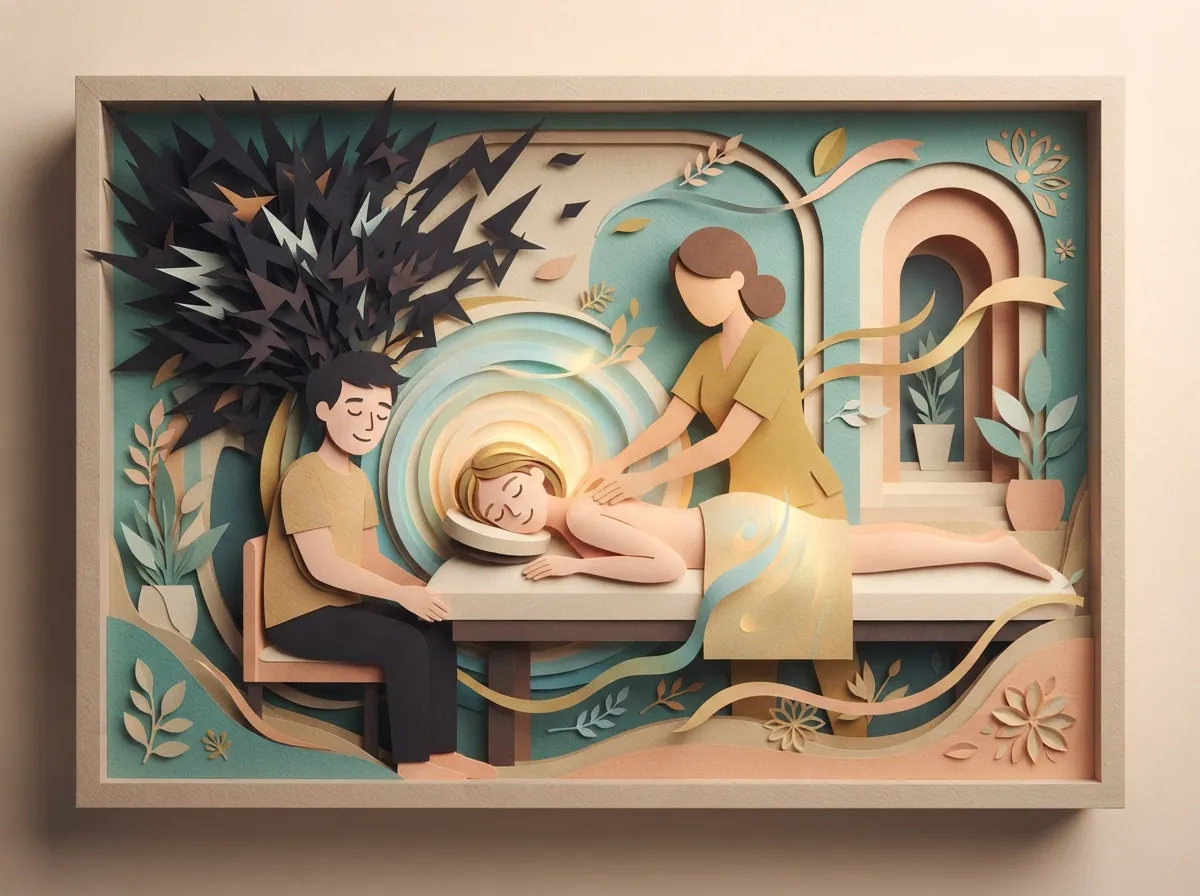
Your body has two main modes: fight-or-flight and rest-and-digest. When you’re anxious, your body stays stuck in fight-or-flight mode. Your heart races. Your muscles tighten. Your mind races too.
Massage therapy helps flip that switch. It gently pushes your body toward the rest-and-digest state, known as the parasympathetic nervous system. This is why many clients say they feel noticeably calmer walking out of a session than they did walking in.
Here’s what happens inside your body during a massage:
- Cortisol (the stress hormone) levels drop significantly
- Serotonin and dopamine, your “feel-good” chemicals, increase
- Heart rate slows down and blood pressure stabilizes
- Muscle tension in the neck, shoulders, and back releases
- Breathing naturally becomes slower and deeper
According to research published by the National Institutes of Health, therapeutic massage produced meaningful reductions in both anxiety and depression symptoms in study participants. The effect size for anxiety reduction was measured at 1.73, which is considered a strong clinical result.
The Numbers Don’t Lie: Massage and Anxiety Statistics
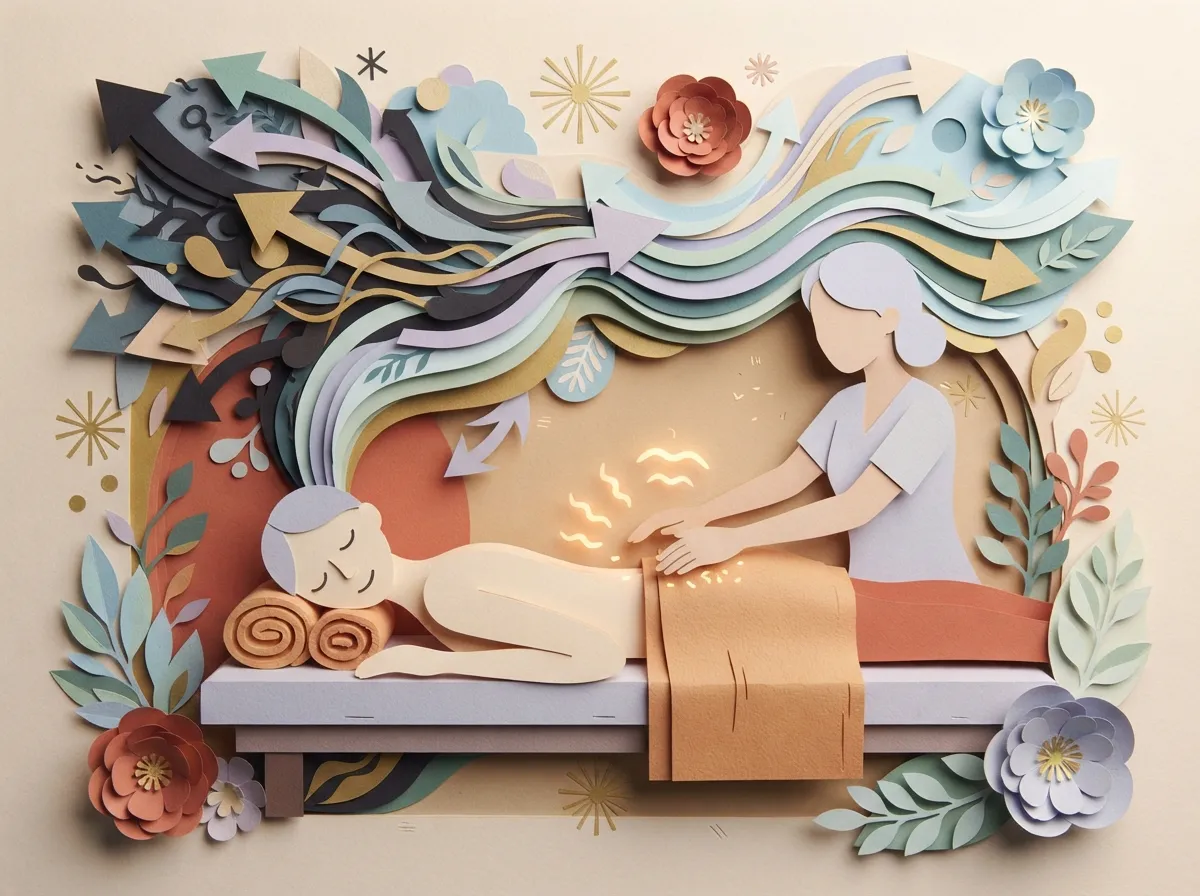
If you’re someone who likes hard data before trying something new, you’re in good company. Here’s a quick look at what the research actually shows.
| Statistic | What It Means |
|---|---|
| 45% average anxiety reduction | Immediate drop in anxiety scores after one massage session |
| Effect size of 1.73 | Strong measurable improvement in anxiety symptoms |
| 5.2% usage rate | Percentage of anxious individuals who use massage as therapy |
| 5%-9% of visits | Massage visits where anxiety or depression is the main complaint |
| Cortisol reduction (p < 0.05) | Statistically significant drop in stress hormone levels |
The American Massage Therapy Association officially recognizes massage as a supportive tool for reducing anxiety symptoms. It’s not marketed as a miracle cure, but as a proven, natural way to support your mental health alongside other treatments.
Best Massage Techniques for Anxiety Relief
Not every massage style works the same way for anxiety. Some are better suited for deep relaxation, while others target the physical tension that anxiety causes. Here are the top options worth considering.
1. Swedish Massage
This is the gold standard for relaxation. Long, flowing strokes calm the nervous system and are perfect for people new to massage or those who simply want to unwind. Many clients choose Swedish massage specifically because it feels gentle yet deeply restorative.
2. Aromatherapy Massage
Adding calming scents like lavender or chamomile can amplify the anxiety-reducing effects of touch. One study found that a single 30-minute aromatherapy massage significantly lowered scores on the State-Trait Anxiety Inventory, a common tool used to measure anxiety levels.
3. Deep Tissue Massage
Anxiety often shows up as physical tension, especially in the shoulders and neck. A deep tissue massage works out those stubborn knots, which can reduce both physical discomfort and the mental stress tied to it.
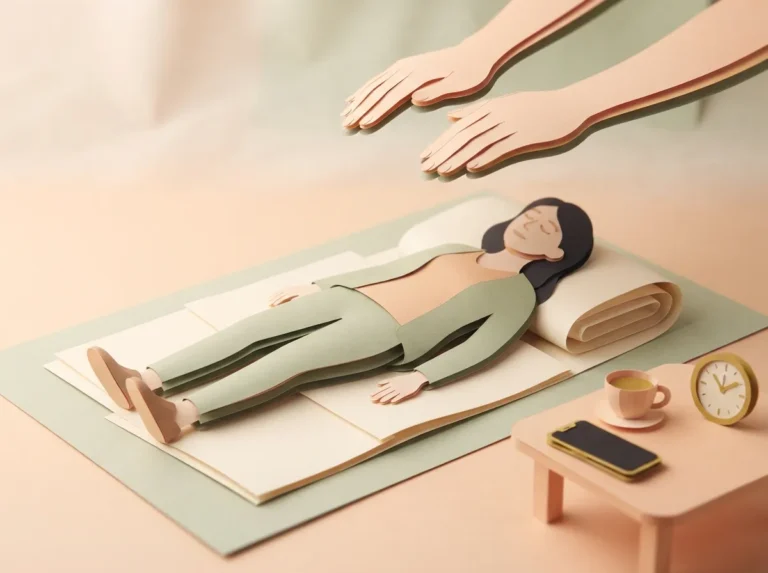
4. Reiki Healing
For those who prefer a lighter touch, Reiki healing is worth exploring. This energy-based practice, rooted in Japanese tradition, focuses on balancing your body’s natural energy flow. You can learn more about the history and philosophy behind this practice through this overview of Reiki healing on Wikipedia.
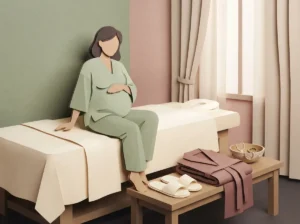
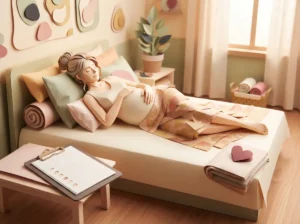
5. Prenatal Massage
Pregnancy brings its own unique flavor of anxiety, from physical discomfort to worries about the future. Prenatal massage is specially designed to ease this stress safely.
Step-by-Step: What to Expect During an Anxiety-Focused Massage Session
If you’ve never booked a massage specifically for anxiety relief, here’s a simple breakdown of what typically happens.
- You’ll fill out a short intake form describing your stress levels, problem areas, and goals for the session.
- Your therapist will ask about your preferences, including pressure level and any areas to avoid.
- The session begins with slow, calming strokes to help your body settle into relaxation mode.
- Your therapist may focus extra time on tension hotspots like your shoulders, neck, and lower back.
- Add-ons like Gua Sha or cupping may be introduced if you’re dealing with deeper muscle tightness tied to stress.
- The session ends with gentle, grounding techniques to help you transition back to your day feeling calm.
Many clients say they notice results after just one visit. But like most good things, consistency matters even more.
How Often Should You Book a Massage for Anxiety Relief?
This is one of the most common questions we hear, and the answer depends on your personal stress levels and lifestyle. Here’s a general guide to help you figure out what works best.
| Anxiety Level | Recommended Frequency | Best Massage Type |
|---|---|---|
| Mild, occasional stress | Once a month | Swedish or Aromatherapy |
| Moderate, work-related stress | Every 2-3 weeks | Swedish, Deep Tissue, or Reiki |
| High stress or chronic anxiety | Weekly or biweekly | Combination of Deep Tissue and Reiki |
| Pregnancy-related anxiety | Every 2-4 weeks | Prenatal Massage |
Regular sessions build on each other. The relaxation you feel doesn’t just disappear the moment you leave. Over time, your body starts holding onto that calm state longer, which means less frequent anxiety flare-ups.
Who Benefits Most From Massage for Anxiety?
Anxiety doesn’t look the same for everyone, and neither does the ideal massage routine. Here’s how different groups can benefit.
- Busy professionals: Evening or weekend sessions help release the mental tension built up from back-to-back meetings and long hours.
- Pregnant women: Specialized prenatal techniques ease both physical discomfort and the natural worries that come with expecting.
- Athletes and active adults: Post-workout anxiety and muscle tension often go hand in hand. Sport massage tackles both at once.
- Seniors with chronic pain: Ongoing discomfort from arthritis or stiffness can fuel anxiety. Gentle, therapeutic massage helps ease both physical and mental strain.
- Wellness-focused individuals: For those who see self-care as a lifestyle, regular massage and Reiki sessions are a core part of staying balanced.
No matter which group you fall into, the goal is the same: helping your body and mind feel less overwhelmed.
Massage and Sleep: Why It Matters for Anxiety
Anxiety and poor sleep often feed off each other. When you’re anxious, sleep becomes harder to come by. And when you’re sleep-deprived, anxiety tends to get worse. It’s a frustrating cycle.
Massage therapy helps break this pattern in a few key ways:
- It reduces muscle tension that can make it hard to get comfortable at night
- It lowers cortisol levels, which helps your body wind down naturally
- It increases serotonin, which your body converts into melatonin, the hormone that controls sleep
- It promotes deep relaxation that can carry over into better sleep quality for days afterward
Many clients at our Falls Church studio mention that better sleep is one of the first changes they notice after starting regular sessions.
Enhancing Your Session: Helpful Add-Ons
If you want to boost the anxiety-relieving effects of your massage, consider adding one of these therapeutic extras.
- Gua Sha: This ancient scraping technique releases tension and toxic energy trapped near the skin’s surface. It’s a great option if you carry stress in your neck and shoulders.
- Cupping: This method uses suction to release deep muscle tension and improve blood flow. Many clients find it deeply relaxing once they get past the initial sensation.
- Aromatherapy: Adding calming essential oils to your session, at no extra cost, can enhance the emotional benefits of your massage.
You can explore more about these options on our add-ons page, or read up on what cupping therapy actually does before your next visit.
Massage vs. Other Anxiety Management Tools
Massage therapy works best as part of a bigger toolkit, not as a replacement for professional care when anxiety is severe. Here’s how it stacks up against other common approaches.
| Method | Best For | Considerations |
|---|---|---|
| Massage Therapy | Immediate stress relief, muscle tension, sleep improvement | Works best combined with other treatments for severe cases |
| Talk Therapy | Long-term coping strategies, root cause exploration | Requires ongoing commitment and time |
| Medication | Chemical imbalance management | Should be prescribed and monitored by a doctor |
| Exercise | Physical release of stress hormones | Requires consistency and can be hard to start |
As Psychology Today notes, massage isn’t meant to replace professional mental health treatment for severe anxiety disorders. Instead, think of it as a powerful complement to whatever care plan you already have in place.
What Our Clients Are Saying
Don’t just take our word for it. Many of our clients have shared how regular massage sessions helped them manage everyday stress and anxiety. You can read real experiences on our reviews page, follow along with wellness tips on Instagram, or check out honest feedback from the community on Yelp. We also encourage you to visit us on Google — Luna Massage Studio to see what our neighbors in Falls Church have to say about their experiences.
Simple Self-Care Tips Between Sessions
Massage does wonders, but the calm doesn’t have to end when you leave the studio. Try these simple habits to stretch out the benefits.
- Practice slow, deep breathing for five minutes each morning
- Stretch your neck and shoulders during work breaks
- Limit caffeine in the afternoon to protect your sleep quality
- Take short walks outside, even just around the block
- Book your next massage before you leave your current one, so you stay consistent
Small habits like these help maintain the parasympathetic state your massage session created, keeping anxiety from creeping back in too quickly.
Ready to Feel Calmer?
Anxiety doesn’t have to run your life. With the right combination of professional support, healthy habits, and regular massage therapy, real relief is possible. Our team at Luna Massage Studio in Falls Church, VA is here to help you find the right approach for your body and your mind, whether that’s a soothing Swedish massage, a grounding Reiki session, or a deep tissue treatment to release built-up tension.
Ready to experience it for yourself? Book your anxiety-relief massage session today and give your nervous system the reset it deserves. Have questions first? Feel free to get in touch with our team and we’ll help you choose the perfect session for your needs.
FAQs
Q: How does massage therapy help reduce anxiety symptoms?
A: Massage shifts your body from a stressed-out fight-or-flight state into a calm rest-and-digest mode. It lowers cortisol, boosts feel-good chemicals like serotonin, and eases the muscle tension that often comes with anxious feelings. Many clients notice a real difference after just one session!
Q: Is massage therapy effective for severe anxiety disorders?
A: Massage is a wonderful complement to professional care, but it’s not meant to replace therapy or medication for severe anxiety disorders. Think of it as one supportive piece of your overall wellness puzzle. Pairing regular massage with professional treatment often gives the best results.
Q: How many massage sessions are needed to see anxiety relief?
A: Many people feel calmer after just one session, but consistency is where the real magic happens. We typically recommend booking every 2-4 weeks depending on your stress levels. Your body builds on that relaxed state each time, making anxiety easier to manage long-term.
Q: Does massage therapy lower cortisol levels in anxious patients?
A: Yes! Research shows massage significantly lowers cortisol, the hormone your body releases when you’re stressed. Studies have found measurable drops in cortisol right after sessions, along with reduced heart rate and lower self-reported anxiety scores.
Q: Can massage therapy improve sleep for people with anxiety?
A: Absolutely. Anxiety and poor sleep often go hand in hand, and massage helps break that cycle. By easing muscle tension and boosting relaxation-friendly hormones, massage helps your body wind down naturally, making it easier to fall asleep and stay asleep.
Our Service Area