Key Takeaways
-
Deep tissue massage and trigger point therapy are the fastest ways to relieve chronic muscle tension by breaking up knots and restoring blood flow to tight muscle fibers.
-
Consistency is key—weekly or bi-weekly massage sessions create lasting relief, while monthly maintenance visits prevent small tension from becoming bigger problems.
-
Daily habits like stretching for 5-10 minutes, foam rolling, staying hydrated, and maintaining good posture significantly extend the benefits of professional massage sessions.
-
Self-massage using steady pressure on tight spots for 20-30 seconds, repeated 3-5 times daily, can help manage minor tension between professional sessions.
-
Complementary techniques like myofascial release, cupping, and Gua Sha work well alongside deep tissue massage to address tension trapped in connective tissue and improve circulation.
-
If muscle tension doesn't improve after several massage sessions or is accompanied by numbness, swelling, or fever, consult a doctor to rule out underlying medical conditions.
Does your neck feel like a rock by 3 p.m.? Do your shoulders creep up toward your ears every time your phone buzzes? You’re not alone. Muscle tension is one of the most common complaints we hear at Luna Massage Studio, and honestly, we get it. Between long work hours, tough workouts, growing bellies, and just plain life stress, our muscles take a beating every single day.
The good news? You don’t have to just live with it. Learning how to relieve muscle tension the right way can help you sleep better, move easier, and feel like yourself again. In this guide, we’re sharing 12 real, practical ways to loosen up tight muscles, from professional massage techniques to simple habits you can start today. Whether you’re a busy professional in Falls Church, an athlete chasing a personal record, or a mom-to-be just trying to get comfortable, there’s something here for you.

Why Muscles Get Tense in the First Place
Before we jump into solutions, let’s talk about why tension builds up. Stress, poor posture, repetitive movement, and even dehydration can cause muscle fibers to stay contracted longer than they should. Over time, this creates knots, also called trigger points, that restrict blood flow and cause pain.
When blood flow slows down, your muscles don’t get enough oxygen and nutrients. Waste products like lactic acid build up instead of flushing out. This is exactly why massage works so well. It increases circulation, warms up soft tissue, and helps muscles let go of that stubborn tightness.

1. Book a Deep Tissue Massage
If you carry tension deep in your shoulders, back, or hips, deep tissue massage is often the fastest way to find relief. This technique uses slow, firm pressure to reach the deeper layers of muscle and connective tissue. It breaks up adhesions (those stubborn knots) and helps restore normal movement.
Many of our clients say they feel looser after just one session. For chronic tightness, though, it usually takes a few visits to really see lasting change. You can learn more about this approach in our article on deep tissue massage techniques and how they target problem areas.
2. Try Trigger Point Therapy
Trigger point therapy is a bit like hitting the “reset button” on a tight muscle. A therapist applies direct, steady pressure to a specific tender spot for about 20 to 30 seconds. This helps the muscle fibers relax and return to their normal length.
It might feel intense for a moment, but most people describe a wave of relief right after. If you deal with stubborn knots that won’t quit, ask your therapist about adding this to your session. Our guide on trigger point massage breaks down exactly how it works.
3. Get a Swedish Massage for Gentle Relief
Not every tense muscle needs deep pressure. Sometimes what your body craves is a slower, gentler touch. Swedish massage uses long, smooth strokes to relax the whole body while still improving circulation.
This is a great starting point if you’re new to massage or if you simply want to unwind after a stressful week. Check out our piece on the benefits of Swedish massage for a deeper look.
4. Add Myofascial Release to Your Routine
Fascia is the thin layer of connective tissue that wraps around your muscles. When it gets tight or stuck, it can pull on muscles and cause pain far from the original problem area. Myofascial release uses gentle, sustained pressure to loosen this tissue and restore natural movement.
This technique pairs beautifully with deep tissue work. Learn more in our article about myofascial release and how it helps the whole body function better.
5. Consider Sport Massage After Training
Athletes and active adults, this one’s for you. Sport massage is designed to help muscles recover faster after intense workouts, runs, or games. It reduces soreness, improves flexibility, and helps prevent injuries before they start.
Many gym-goers in Falls Church schedule sport massage weekly during heavy training blocks. Our article on the benefits of sports massage for muscle pain explains how this works in more detail.
6. Try Cupping for Deep Tension Release
Cupping is an ancient technique that’s made a big comeback in modern wellness routines. It uses suction cups placed on the skin to lift tissue, boost blood flow, and release tension trapped deep in the muscles. Many clients love pairing it with a massage session for extra relief.
At Luna Massage Studio, cupping is available as a 15-minute add-on service for $35. It’s not a standalone treatment, but it works wonderfully alongside deep tissue or sport massage. Curious how it feels? Our guide on what cupping therapy is and how it helps covers everything you need to know.
7. Add Gua Sha to Your Session
Gua Sha involves gently scraping the skin’s surface with a smooth tool. This ancient practice releases tension, improves circulation, and can even help ward off that run-down, achy feeling before a cold hits. It’s a simple technique with surprisingly powerful results.
Like cupping, Gua Sha is offered as a 15-minute add-on for $35 to any massage. Read more about it in our article on Gua Sha massage therapy and modern pain relief.
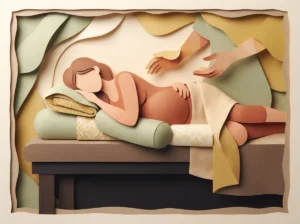
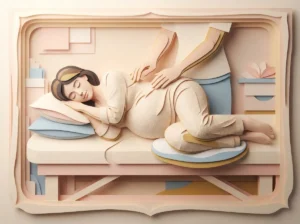
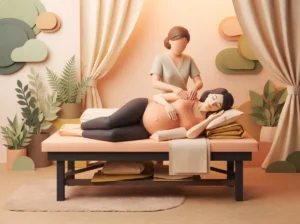
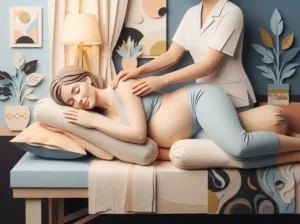
8. Prioritize Prenatal Massage During Pregnancy
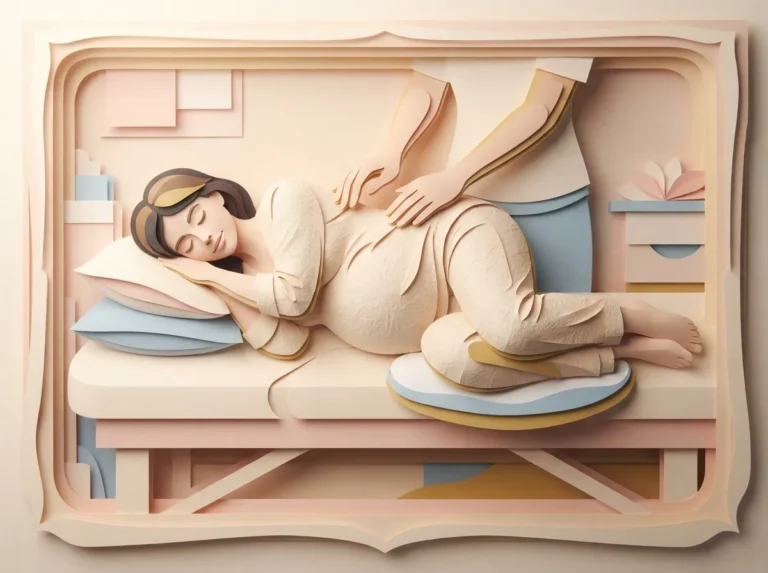
Growing a tiny human is amazing, but it can wreak havoc on your back, hips, and shoulders. Prenatal massage is specially designed to ease this discomfort safely, using supportive positioning and gentler pressure.
Expectant moms in our Falls Church studio often say this is the first time in weeks their lower back has felt truly relaxed. Our guide on prenatal massage benefits for mothers-to-be shares more helpful details.
9. Explore Reiki Healing for Whole-Body Relaxation
Sometimes muscle tension isn’t just physical, it’s emotional too. Reiki healing is a gentle energy practice that originated in Japan in the late 1800s. It works on the idea that when your life force energy is low, you’re more likely to feel stressed, sick, or tense. To learn more about the history and science behind it, check out this overview of Reiki healing.
Many wellness-focused clients pair Reiki with regular massage for a fuller sense of balance. Our article on Reiki healing in Virginia explains how this restores energy flow throughout the body.
10. Use Aromatherapy to Deepen Relaxation
Scent has a powerful effect on how relaxed your body feels. Aromatherapy massage uses essential oils to calm the nervous system while your muscles get worked on. Best part? It’s completely free when added to any massage at Luna Massage Studio.
This is a favorite among busy professionals who want to leave their session feeling calm, not just loose. Our piece on why aromatherapy massage changes how you feel dives into the details.
11. Practice Daily Stretching and Foam Rolling
Massage works best when you support it with good daily habits. Here are a few simple things you can do between sessions:
- Stretch major muscle groups for 5 to 10 minutes each morning
- Use a foam roller on tight areas like calves, quads, and your upper back
- Take short breaks to move if you sit at a desk all day
- Practice deep breathing to relax your nervous system
- Stay mindful of your posture, especially while looking at screens
- Drink plenty of water to help flush out muscle waste products
These small habits can extend the benefits of your massage sessions for days longer.
12. Stay Consistent With Regular Massage Visits
Relieving muscle tension isn’t usually a one-and-done fix. Consistency is what creates lasting change. Here’s a simple guide for how often to book a session based on your needs:
| Situation | Recommended Frequency |
|---|---|
| Chronic tension or pain | Weekly or bi-weekly |
| General maintenance and stress relief | Once a month |
| Athletic training season | Weekly during heavy training |
| Pregnancy discomfort | Every 2 to 4 weeks, as approved by your doctor |
Sticking to a schedule helps stop small tension from turning into bigger, more painful problems down the road.
Self-Massage Techniques You Can Try at Home
While nothing replaces a professional session, a few self-massage tricks can help between visits. Try these simple steps:
- Find the tight spot using your fingers or a massage ball
- Apply steady pressure for 20 to 30 seconds
- Release slowly and breathe deeply
- Repeat 3 to 5 times per session
- For neck and shoulder tension, work through the levator scapulae muscle 15 to 20 times, moving slowly
Doing this a few times a day, especially during stressful weeks, can help keep tension from building back up.
Comparing Massage Types for Muscle Tension
Not sure which massage style fits your needs? Here’s a quick comparison to help you decide:
| Massage Type | Best For | Pressure Level |
|---|---|---|
| Deep Tissue | Chronic knots, stubborn tension | Firm to intense |
| Swedish | Stress relief, general relaxation | Light to medium |
| Sport Massage | Athletic recovery, injury prevention | Medium to firm |
| Prenatal | Pregnancy-related aches and swelling | Light to medium |
If you’re still unsure which option is right for you, our article comparing Swedish versus deep tissue massage can help you choose with confidence.
Signs You Shouldn’t Ignore
Most muscle tension responds well to massage and self-care. But watch for these warning signs that may need extra attention:
- Tension that doesn’t improve after several massage sessions
- Numbness or tingling alongside the tightness
- Pain that spreads or worsens quickly
- Swelling that doesn’t go down
- Tension paired with fever or unexplained fatigue
If you notice any of these, it’s smart to check in with your doctor along with your massage therapist. Research from the Mayo Clinic on massage therapy confirms that while massage is safe for most people, certain conditions need medical guidance first.
Why Luna Massage Studio Is a Trusted Choice in Falls Church
At Luna Massage Studio, we’ve built our practice around helping real people feel better in real, lasting ways. Whether you need deep tissue work for chronic pain, a gentle prenatal session, or Reiki to calm your mind, our therapists tailor every visit to you. You can browse real client experiences on our reviews page or follow along on Instagram for wellness tips and studio updates. You can also read what locals are saying on Yelp, or check out what our Luna Massage Studio community shares on Google by visiting our Google Business Profile.
Final Thoughts on Relieving Muscle Tension
You don’t have to just push through tight, achy muscles. Whether it’s stress from a demanding job, training for your next race, or the everyday demands of pregnancy, there’s a massage approach that fits your life. From deep tissue and trigger point therapy to cupping, Gua Sha, and Reiki, small consistent care adds up to big relief over time.
Ready to feel lighter, looser, and calmer? Book your next massage session today and let our team help you finally let go of that tension. Have questions first? Feel free to reach out to our team anytime, we’re happy to help you find the perfect treatment plan.
FAQs
Q: What type of massage is best for relieving deep muscle tension?
A: Deep tissue massage is usually your best bet for stubborn, deep-rooted tension. It uses slow, firm pressure to reach those deeper muscle layers and break up tight knots. If you’re dealing with chronic tightness, pairing it with trigger point therapy can bring even faster relief.
Q: How does trigger point therapy work to reduce muscle tightness?
A: Trigger point therapy applies steady pressure to a specific tight spot for about 20 to 30 seconds. This helps the muscle fibers release and return to their normal length. Many clients feel noticeable relief right after just a few rounds of this technique.
Q: How often should I get a massage to manage chronic muscle tension?
A: For chronic tension, weekly or bi-weekly sessions tend to work best. Once things calm down, monthly visits are usually enough to maintain that loose, relaxed feeling. Your therapist can help you find the right rhythm based on your body’s needs.
Q: Is self-massage effective for relieving muscle tension at home?
A: Self-massage can definitely help between professional sessions! Simple techniques like applying pressure to tight spots for 20 to 30 seconds, repeated a few times a day, can ease minor tension. Just remember, it works best as a supplement to regular massage, not a full replacement.
Q: What daily habits can extend the benefits of massage therapy for tension relief?
A: Stretching, foam rolling, staying hydrated, and practicing good posture all help keep tension from creeping back in. Deep breathing throughout the day also calms your nervous system, which supports relaxed muscles. Little habits like these make a big difference between your massage visits.
Our Service Area