Key Takeaways
-
Wellness massage techniques like effleurage and petrissage are preventative care that reduce stress and tension before they become chronic problems like pain, poor sleep, or burnout.
-
Trigger point therapy and myofascial release are most effective for athletes and desk workers dealing with stubborn muscle knots and stiffness that doesn't respond to lighter techniques.
-
Schedule massage sessions consistently (every 2-4 weeks for professionals, weekly for chronic pain) rather than waiting until pain develops, as regular sessions produce cumulative benefits.
-
Combine wellness massage with simple habits like drinking water post-session, gentle stretching, and deep breathing to extend benefits between appointments.
-
Different techniques serve different needs: choose gentle effleurage for stress relief, trigger point therapy for specific knots, or myofascial release for mobility and recovery.
-
Aromatherapy and Reiki can enhance physical massage by addressing emotional wellness and nervous system regulation, creating a more complete self-care approach.
Ever finish a long week and feel like your shoulders live somewhere up near your ears? You’re not alone. Whether you’re juggling back-to-back meetings, chasing a toddler, training for a 10K, or just trying to sleep through the night without your knees aching, your body is asking for a little TLC. That’s where wellness techniques in massage therapy come in. These are the hands-on methods massage therapists use to ease tension, calm your nervous system, and help you feel like yourself again.
At Luna Massage Studio in Falls Church, VA, we see this every day. Clients walk in tight, tired, and a little frazzled, and walk out lighter. In this guide, we’ll break down eight wellness techniques worth knowing about, explain how they work, and help you figure out which one fits your life right now. Grab a cup of tea and let’s dig in.

What Are Wellness Techniques in Massage Therapy?
Wellness techniques are hands-on methods used to reduce stress, ease muscle tension, and support your overall well-being. Unlike treatments aimed at fixing a specific diagnosed condition, wellness-focused massage is about helping you feel good, function better, and stay balanced. Think of it as preventative care for your body and mind, not just a fix for when something already hurts.
According to the National Institutes of Health, massage therapy is primarily used to promote relaxation, ease painful muscle conditions, and reduce anxiety. That’s a pretty solid endorsement for something that also just feels amazing.
Why This Matters for Busy Lives
Life doesn’t slow down just because you’re stressed. Wellness techniques give your body a chance to reset before things spiral into bigger problems like chronic pain, poor sleep, or burnout. Here are a few signs it might be time to explore these techniques:
- You feel tense even when you’re “relaxing”
- Your sleep has gotten shorter or choppier
- You notice tight spots in your neck, shoulders, or lower back
- You’re training hard but recovering slowly
- You just feel “off” and can’t pinpoint why
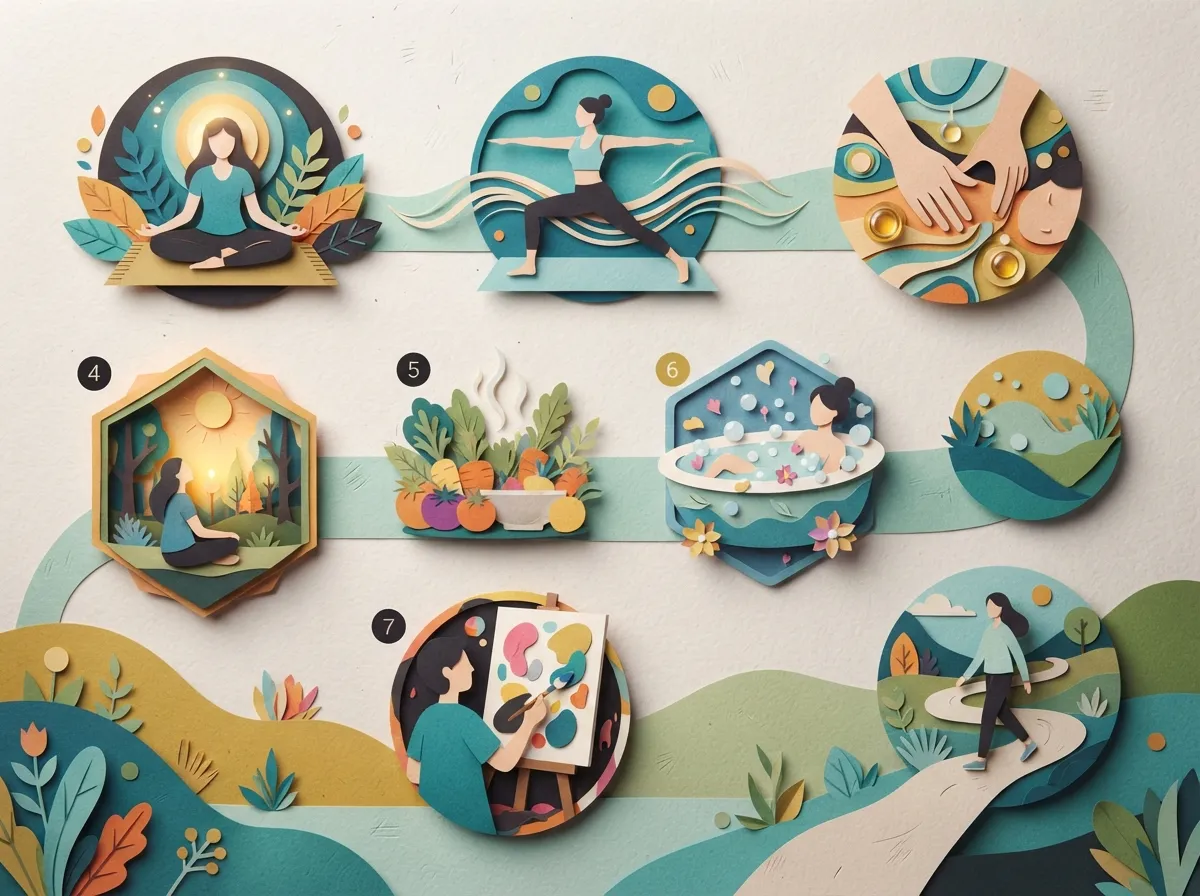
8 Wellness Techniques Worth Knowing About
1. Effleurage: The Gentle Gliding Stroke
Effleurage is one of the foundational techniques taught to every massage therapist. It uses long, smooth, gliding strokes with light to moderate pressure. This technique warms up the muscles, improves circulation, and signals your nervous system to relax. It’s often the first thing you’ll feel during a Swedish massage, and it’s a wonderful way to ease into deeper work.
2. Petrissage: Kneading Away Tension
Petrissage involves kneading, rolling, and lifting the muscle tissue, kind of like working dough. This technique helps release deeper tension and improves blood flow to tired muscles. It’s especially helpful for people who sit at a desk all day or carry stress in their shoulders and upper back.
3. Friction: Targeting Stubborn Knots
Friction uses deeper, circular pressure applied with the fingers, thumbs, or palms. It’s great for breaking up adhesions and stubborn knots that don’t respond to lighter techniques. Many therapists use friction as part of deep tissue massage when a client has chronic tightness in one specific spot.
4. Tapotement: The Energizing Tap
Tapotement involves rhythmic tapping, cupping, or light percussion movements. It stimulates the muscles and can leave you feeling more alert and invigorated rather than sleepy. This technique is often used near the end of a session to help wake the body back up before you head back into your day.
5. Trigger Point Therapy: Releasing Tight Spots
Trigger points are those annoying “knots” that seem to radiate pain to other areas of your body. Trigger point therapy applies focused pressure to these specific spots to release built-up tension. If you’ve ever had a tight spot in your shoulder that somehow gives you a headache, this technique might be exactly what you need. Learn more in our guide on trigger point massage for muscle knots and pain.
6. Myofascial Release: Improving Mobility
This technique focuses on the fascia, the connective tissue that wraps around your muscles. Myofascial release uses slow, sustained pressure to loosen tight fascia and improve range of motion. It’s a favorite among athletes and anyone dealing with stiffness that just won’t quit. Check out our detailed breakdown of myofascial release and how it helps.
7. Aromatherapy: Calming the Mind Through Scent
Sometimes wellness isn’t just physical, it’s emotional too. Aromatherapy uses essential oils during your massage to enhance relaxation and mood. Scents like lavender and eucalyptus can help calm your nervous system while your therapist works on your muscles. At Luna, our aromatherapy massage add-on is free with any session, because we believe relaxation should feel complete, not rationed.
8. Cupping and Gua Sha: Ancient Techniques, Modern Relief
These two add-ons have been used for thousands of years and are having a well-deserved comeback. Cupping applies gentle suction to release deep tension and boost blood flow, while Gua Sha uses a scraping technique to relieve tight muscles and reduce stress. Both are wonderful additions to any massage session. Read more about cupping therapy and how it can help you and Gua Sha massage therapy for modern pain relief.
How to Choose the Right Wellness Technique for You
Not sure where to start? Here’s a simple step-by-step way to think it through.
A Simple 5-Step Process
- Identify your main goal: stress relief, pain relief, better sleep, or recovery from activity.
- Think about your pressure preference: gentle and relaxing, or firm and focused.
- Consider any special circumstances, like pregnancy or a recent injury.
- Ask your therapist which techniques pair well together for your goal.
- Try an add-on like cupping, Gua Sha, or aromatherapy to enhance your session.
Still unsure? Our team can walk you through your options when you reach out to our studio before booking.
Wellness Techniques by Audience
Different people need different approaches. Here’s a quick breakdown of what tends to work best for various lifestyles.
| Audience | Recommended Techniques | Primary Benefit |
|---|---|---|
| Busy Professionals | Effleurage, Swedish massage, aromatherapy | Stress relief, mental clarity |
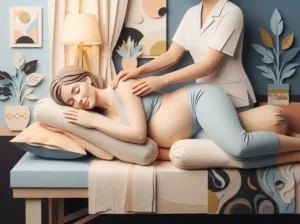
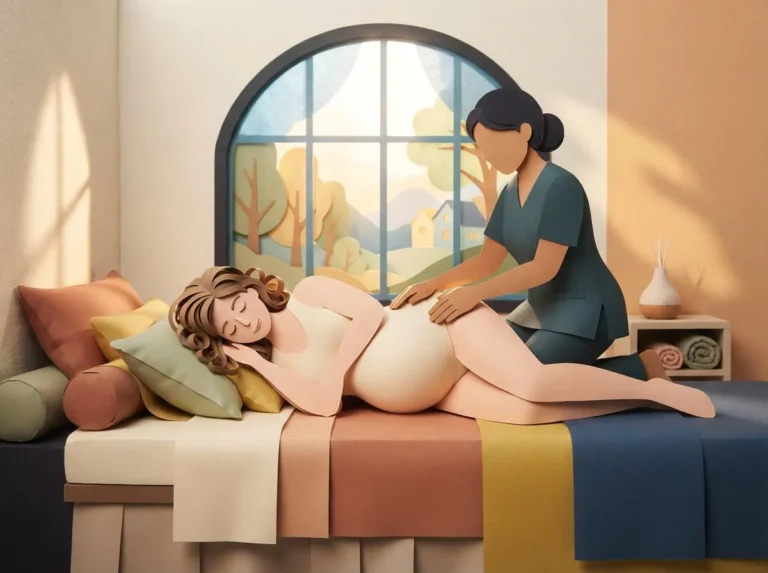
| Pregnant Women | Gentle petrissage, prenatal-safe positioning | Comfort, reduced swelling |
| Athletes & Active Adults | Deep tissue, trigger point, myofascial release | Faster recovery, better mobility |
| Seniors with Chronic Pain | Gentle friction, myofascial release, cupping | Flexibility, pain management |
| Wellness-Focused Individuals | Reiki, aromatherapy, Gua Sha | Holistic balance, relaxation |
Wellness Massage vs. Deep Tissue: What’s the Difference?
People often ask us this, so let’s clear it up simply. Wellness massage focuses on relaxation, stress reduction, and general well-being. Deep tissue massage targets chronic muscle tension using firmer pressure and slower strokes. Many clients actually combine both in one session, starting relaxed and finishing with focused work on trouble spots. For a deeper comparison, check out our article on wellness massage versus clinical massage.
Quick Comparison Table
| Feature | Wellness Massage | Deep Tissue Massage |
|---|---|---|
| Pressure | Light to moderate | Firm to intense |
| Goal | Relaxation, stress relief | Chronic tension relief |
| Best For | Everyday stress, sleep support | Muscle knots, injury recovery |
| Common Add-Ons | Aromatherapy, hot towels | Cupping, Gua Sha |
Bringing Reiki Into Your Wellness Routine
Reiki healing is a bit different from hands-on massage, but it fits beautifully into a wellness routine. This gentle energy-based practice began in Japan in the late 1800s and focuses on the idea that our life force energy needs balance to keep us healthy and calm. During a session, a practitioner channels energy through their palms to help release stress and restore balance. You can read more about the history and philosophy behind this practice on Reiki healing’s Wikipedia page.
At Luna, our Reiki healing sessions are a popular pick for clients who want something calming but non-physical. Many people pair Reiki with regular massage for a well-rounded approach to self-care.
Simple Habits to Support Your Wellness Between Sessions
Massage does wonders, but a few small habits at home can help the benefits last longer.
- Drink plenty of water after your session to flush out tension
- Stretch gently each morning, especially your neck and shoulders
- Take five slow, deep breaths whenever you feel stress creeping in
- Set a consistent sleep schedule to support your body’s recovery
- Schedule regular sessions rather than waiting until you’re in pain
How Often Should You Schedule Wellness Massage?
This depends on your goals and lifestyle, but here’s a general guide many of our clients follow.
- High-stress professionals: every 2-4 weeks for consistent stress management
- Athletes in training: every 1-2 weeks during heavy training periods
- Pregnant women: every 3-4 weeks, adjusted with your doctor’s guidance
- Seniors managing chronic pain: weekly or biweekly depending on severity
- General wellness maintenance: monthly to stay ahead of tension buildup
Whatever your rhythm, consistency tends to bring the best results. Many of our regulars say their bodies simply feel different, calmer, looser, more resilient, once they stick to a routine.
Why Falls Church Residents Choose Luna Massage Studio
Falls Church has no shortage of busy professionals, active parents, weekend athletes, and folks simply trying to feel their best. Our studio was built with all of you in mind. We combine traditional wellness techniques with modern comfort, so every session feels personal and effective. You can see what our community has to say by checking out our reviews on Yelp or following along with our latest updates on Instagram.
Want a closer look at what previous clients experienced? Feel free to browse our client reviews page before booking your first appointment. You can also see what our Luna Massage Studio customers say on Google by visiting our Google Business Profile.
Bringing It All Together
Wellness techniques aren’t one-size-fits-all, and that’s actually good news. Whether you need the calming glide of effleurage, the deep release of trigger point therapy, or the grounding energy of Reiki, there’s a path that fits your body and your life. The goal isn’t perfection, it’s progress, one relaxed muscle at a time.
If you’ve been putting off self-care because life got busy, consider this your gentle nudge. Your body has been carrying a lot, and it deserves a little attention. Ready to feel lighter, calmer, and more like yourself? Book your next wellness session today and let us help you get there.
FAQs
Q: What are the most common wellness techniques used in massage therapy?
A: The most common ones include effleurage, petrissage, friction, and tapotement. These form the foundation of most massage styles, from relaxing Swedish sessions to deeper therapeutic work. Add-ons like aromatherapy, cupping, and Gua Sha are also popular ways to boost the wellness benefits.
Q: How does Swedish massage support wellness?
A: Swedish massage uses gentle gliding strokes and light kneading to calm your nervous system and improve circulation. It’s wonderful for stress relief and helps your whole body feel more relaxed, not just your muscles. Many clients say it’s the perfect reset after a hectic week.
Q: What is the difference between deep tissue massage and wellness massage?
A: Wellness massage focuses on relaxation and general well-being using lighter, soothing techniques. Deep tissue massage uses firmer pressure to target chronic tension and stubborn knots. Both are valuable, and many people actually enjoy combining elements of each in one session.
Q: Which massage techniques are best for stress relief?
A: Effleurage, Swedish massage, and aromatherapy are especially great for stress relief because they calm your nervous system quickly. Adding Reiki healing can also help balance your energy and ease mental tension. The best choice really depends on what feels good to you.
Q: Is massage therapy considered wellness or medical treatment?
A: It can be both, depending on your goals. Wellness-focused massage helps you relax, manage everyday stress, and feel your best, while some techniques also support recovery from injuries or chronic conditions. Your massage therapist can help tailor your session to whichever goal matters most to you.
Our Service Area