Key Takeaways
-
Research suggests 60-minute Reiki sessions conducted over at least eight visits show stronger results than single sessions, with a 2025 meta-analysis demonstrating modest quality-of-life improvements.
-
Reiki should never replace medical treatment, prescribed medication, or psychotherapy; it works best as a complementary practice alongside professional healthcare and mental health support.
-
Reiki differs from massage by using light or hands-off touch focused on relaxation and mindfulness, while massage applies pressure to muscles; both can be combined for deeper relaxation.
-
Many clients report feeling calmer, experiencing warmth, or sensing emotional release after sessions, but these are personal experiences, not medically proven physical processes like toxin removal.
-
Reiki offers particular value for busy professionals with chronic stress, expectant mothers, active athletes recovering from training, and seniors seeking gentle relaxation alongside other wellness practices.
-
Setting an intention before your session, arriving early, wearing comfortable clothing, and staying hydrated afterward can maximize the relaxation benefits and help you transition gently back to your day.
Ever leave work feeling like your whole body is buzzing with tension you can’t shake off? You’re not alone. Many folks in Falls Church and beyond are turning to Reiki healing to find a little peace in their busy lives. Reiki therapy for spiritual growth and emotional cleansing has become a gentle way to slow down, breathe, and reconnect with yourself. It won’t fix everything, but it might just be the calm reset you’ve been craving.
At Luna Massage Studio, we believe wellness looks different for everyone. Some people want deep muscle relief. Others want a quiet hour to simply feel supported. Reiki fits that second need beautifully. In this guide, we’ll walk through what Reiki actually is, what the research says, and how you can use it as part of a bigger self-care routine. Let’s get into it.
What Is Reiki Therapy, Really?
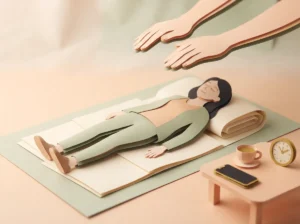
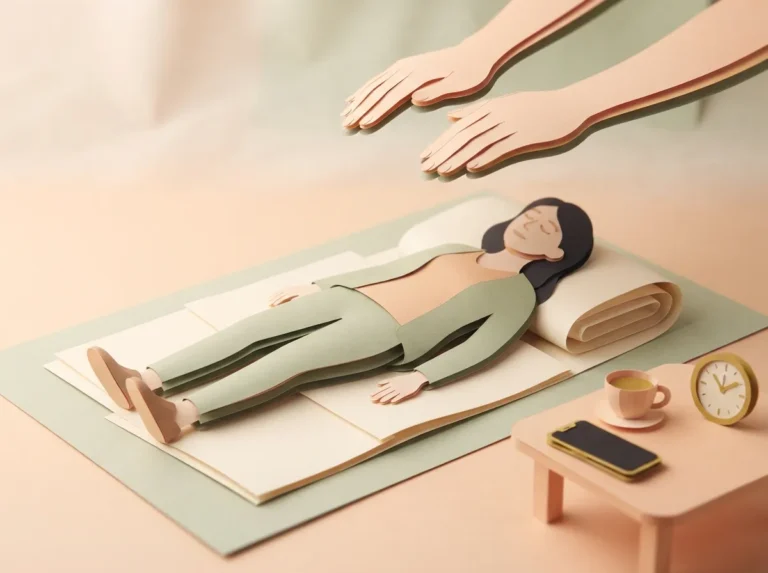
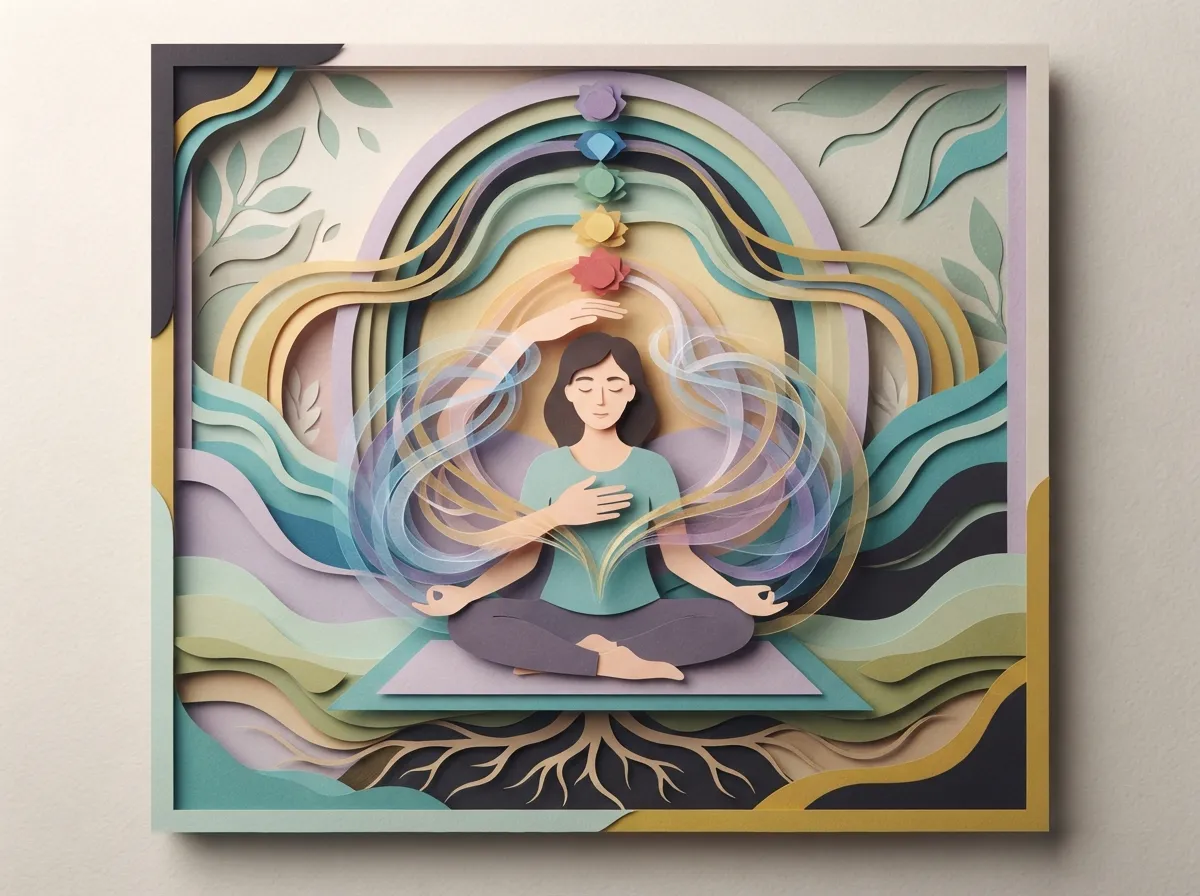
Reiki is a gentle Japanese wellness practice. A trained practitioner places their hands lightly on or just above your body while you stay fully clothed. Some practitioners use a hands-off approach instead, holding their palms slightly above you.
The idea behind Reiki is that we all carry a kind of life energy. When that energy feels blocked or low, we might feel stressed, tired, or out of balance. A Reiki session aims to help that energy flow more freely, though this is described as a personal or spiritual experience rather than a proven medical process. You can learn more about its Japanese roots and history through this overview of Reiki Healing.
In a massage therapy setting, Reiki can stand alone or pair with relaxation-focused bodywork. Many clients at Luna Massage Studio enjoy combining it with a Swedish massage for a full-body reset.
How Reiki Differs From a Traditional Massage
This is one of the most common questions we hear. Traditional massage uses touch, pressure, and movement to work on muscles and tissue. Reiki is much lighter and quieter. There’s no kneading or deep pressure involved.
- Massage focuses on physical muscle tension and soreness
- Reiki focuses on relaxation, mindfulness, and a sense of balance
- Massage often involves oil or lotion; Reiki does not
- Reiki sessions are usually done fully clothed
- Both can be combined for a deeper relaxation experience
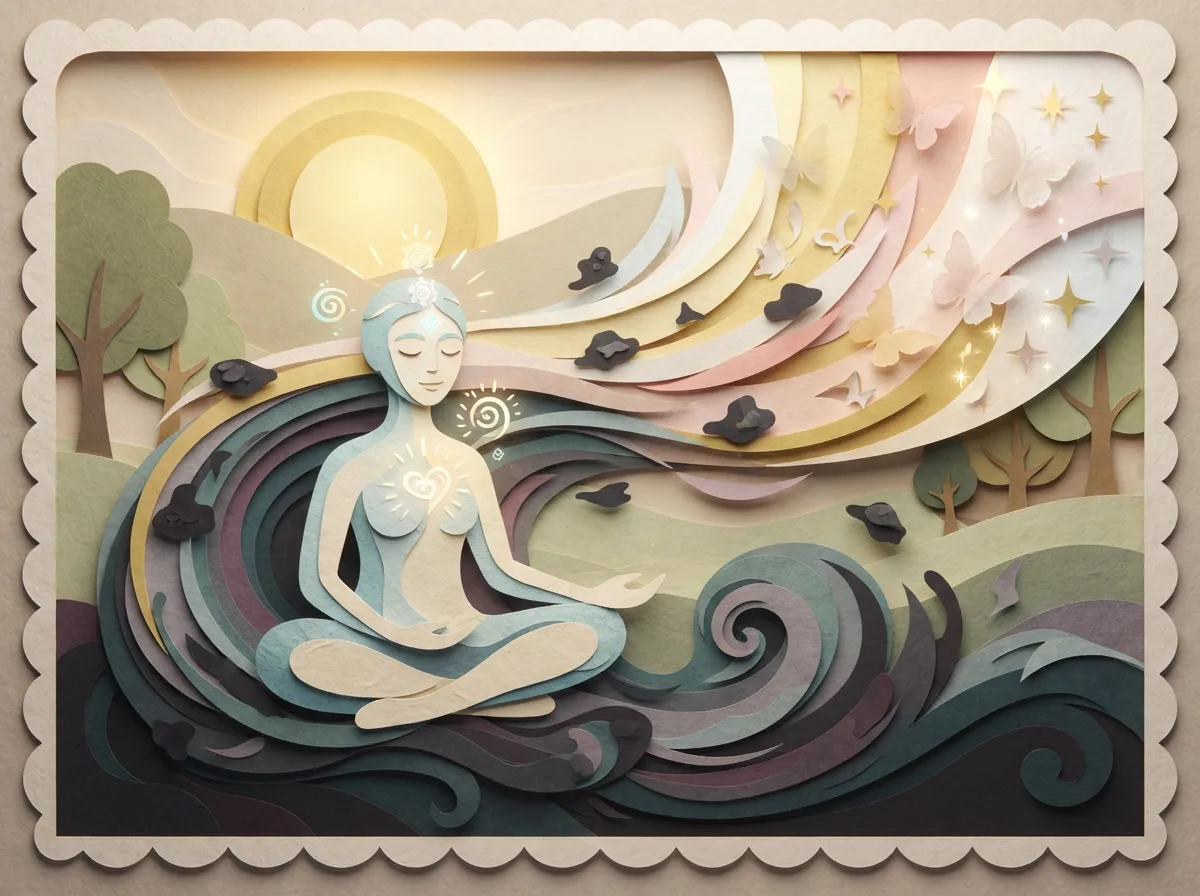
What Does “Emotional Cleansing” Actually Mean?
You’ll hear terms like “emotional cleansing” or “energy balancing” a lot in the Reiki world. It’s important to understand what these phrases really mean. They describe personal or spiritual experiences, not medically proven physical processes.
Many clients describe feeling lighter, calmer, or more centered after a session. Some feel warmth or gentle tingling. Others feel nothing dramatic at all, and that’s completely normal too. None of these sensations prove that toxins or trauma are being physically removed from the body.
Think of it more like a mental reset button. You’re giving yourself permission to slow down, breathe, and let go of racing thoughts for an hour. That alone can feel incredibly valuable in a world that never stops buzzing.
Common Sensations Clients Report
- A deep sense of calm or relaxation
- Warmth in the hands, chest, or belly
- Light tingling sensations
- Emotional release, like happy tears or a sigh of relief
- Sometimes, no noticeable sensation at all
Can Reiki Support Spiritual Growth and Mindfulness?
Many people come to Reiki looking for more than relaxation. They want a sense of connection, meaning, or spiritual grounding. Reiki sessions offer quiet, undistracted time that can feel like a form of moving meditation.
This kind of mindful pause matters more than ever. Busy professionals juggling deadlines, parents managing a household, and anyone feeling stretched thin can benefit from carving out this kind of intentional stillness.
That said, Reiki should never replace your personal faith practices, therapy, or medical care. It works best as one piece of a bigger wellness puzzle, not a stand-in for professional support.
What the Research Actually Shows
We want to be upfront with you. Reiki research is still developing, and results are mixed. Here’s an honest look at where the science stands right now.
| Study | Year | Key Finding |
|---|---|---|
| Meta-analysis, 661 participants | 2025 | Modest quality-of-life improvement (SMD 0.28, CI 0.01–0.56) |
| Mental health systematic review, 11 studies | 2021 | Possible benefits, but larger trials needed |
| Multisite effectiveness study, 1,411 sessions | 2019 | Pre-to-post improvements in anxiety, pain, and mood |
| Clinical practice review, 9 trials | Earlier review | Insufficient evidence for any specific condition |
A 2025 meta-analysis found that longer sessions of 60 minutes or more, done across at least eight visits, showed some of the strongest results. Short 20-minute sessions also showed potential benefit, though these findings are still considered exploratory rather than a guaranteed formula.
The bottom line? Reiki may offer real comfort and relaxation for many people. But it isn’t a proven treatment for any medical condition, and it shouldn’t be marketed that way. Reputable sources like the National Center for Complementary and Integrative Health encourage using practices like Reiki alongside standard medical care, not instead of it.
Is Reiki Safe for Everyone?
Generally speaking, Reiki is considered a gentle, low-risk practice. It’s noninvasive and doesn’t involve any manipulation of muscles or joints. Most people can try it safely.
However, there are some important boundaries to keep in mind:
- Reiki is not a substitute for medical treatment or prescribed medication
- It should not replace psychotherapy or trauma-focused counseling
- People with serious mental health symptoms should work with a licensed professional first
- Practitioners should always get informed consent before a session
- Cultural and religious beliefs should always be respected
If you’re dealing with significant anxiety, depression, PTSD, or any serious mental health concern, please reach out to a qualified healthcare provider. Reiki can be a lovely addition to your care plan, but it should never stand alone in place of it.
Who Tends to Benefit Most From Reiki?
While anyone can try Reiki, certain groups often find it especially soothing:
- Busy professionals dealing with chronic stress and burnout
- Expectant mothers seeking gentle relaxation alongside prenatal massage
- Active adults recovering from intense training who also enjoy sport massage
- Seniors managing chronic pain who want a gentle complement to bodywork
- Wellness-focused individuals building a holistic self-care routine
What Happens During a Reiki Session at a Massage Studio
If you’ve never tried Reiki before, here’s what a typical session looks like. Knowing what to expect can help you feel more relaxed walking in the door.
- You’ll lie down fully clothed on a comfortable massage table
- Your practitioner will explain the process and answer any questions
- Soft music or quiet silence often sets the mood
- The practitioner gently places or hovers their hands over different areas of your body
- Sessions typically last around 60 minutes
- You’ll have time afterward to rest and slowly transition back to your day
Many clients choose to pair their Reiki session with aromatherapy for an extra layer of calm. Others prefer add-ons like Gua Sha or cupping on a separate massage day to target specific muscle tension.
Reiki vs. Massage: Which Should You Choose?
| Feature | Reiki Healing | Traditional Massage |
|---|---|---|
| Touch Pressure | Light or hands-off | Varies from light to deep |
| Clothing | Fully clothed | Partially undressed, draped |
| Focus | Relaxation, mindfulness | Muscle tension, pain relief |
| Best For | Stress, emotional support | Physical soreness, recovery |
| Session Price at Luna | $125 flat rate | $125–$165 by duration |
Not sure which one fits your needs? Many clients actually enjoy both, using deep tissue massage for physical relief and Reiki for mental and emotional recharge. It doesn’t have to be an either-or decision.
Tips for Getting the Most From Your Reiki Session
A little preparation can go a long way toward helping you relax and enjoy your time on the table. Here are some friendly tips we share with our own clients.
- Wear soft, comfortable clothing you can relax in
- Arrive a few minutes early so you’re not rushing in stressed
- Set an intention, like releasing stress or finding clarity
- Keep an open mind, but don’t worry if you don’t feel anything dramatic
- Drink water afterward and give yourself a few quiet minutes before diving back into your day
Remember, there’s no “right” way to feel during or after a session. Everyone’s experience is a little different, and that’s perfectly okay.
Building Reiki Into Your Regular Wellness Routine
Just like exercise or healthy eating, the benefits of Reiki tend to build over time. A single session can feel nice, but many clients find deeper value with regular visits. Research suggests that longer, more frequent sessions may offer stronger results, though everyone responds differently.
Consider pairing monthly Reiki sessions with other wellness practices you already love, whether that’s yoga, journaling, or regular massage therapy. Our team at Luna Massage Studio loves helping clients build routines that actually fit their lives, not routines that feel like one more chore on the to-do list.
Curious what real clients have experienced? Check out our reviews page or browse honest feedback on Yelp. You can also follow along with wellness tips and studio updates on our Instagram page.
Why Falls Church Residents Are Embracing Reiki and Massage Together
Falls Church has a wonderfully community-focused, wellness-minded population. Whether you’re a busy parent, a hardworking professional, or someone managing chronic pain, there’s likely a wellness routine that fits your life here. Reiki has become a gentle bridge between physical bodywork and emotional self-care for many local clients.
If you’ve been curious about trying something new, this might be your sign. You deserve time carved out just for you, free of guilt or hesitation. To see what other local clients have shared about their experience, you can also visit us on Google — Luna Massage Studio.
Final Thoughts: Give Yourself Permission to Slow Down
Reiki therapy for spiritual growth and emotional cleansing isn’t about magic or miracles. It’s about giving yourself a quiet, supported space to breathe, reflect, and reset. Whether you’re managing daily stress, recovering from a tough week, or simply craving a little more calm in your life, Reiki might be a wonderful addition to your self-care toolkit.
Pair it with a massage, try it on its own, or explore it alongside other wellness practices. There’s no wrong way to start, as long as you’re being kind to yourself along the way. Ready to experience it firsthand? Book Now and treat yourself to a Reiki session designed just for you, or feel free to reach out to our team with any questions before your visit.
FAQs
Q: What is Reiki therapy, and how is it different from massage therapy?
A: Reiki is a gentle, hands-on or hands-off practice focused on relaxation and mindfulness, while massage therapy works directly on muscles and tissue. Many clients love combining both for a full mind-and-body reset!
Q: Can Reiki help with emotional stress, anxiety, or relaxation?
A: Many people report feeling calmer and more relaxed after a Reiki session, and some research supports modest improvements in stress and mood. It’s a lovely complementary tool, though it works best alongside professional care, not instead of it.
Q: What does emotional cleansing mean in a Reiki session?
A: It describes a personal feeling of release or lightness some clients experience, not a proven medical process. Think of it as a peaceful mental reset rather than literal toxin removal.
Q: Is Reiki safe, and are there any side effects?
A: Reiki is generally considered safe since it’s gentle and noninvasive. Most people feel relaxed afterward, though it should never replace medical treatment or mental health care when those are needed.
Q: How many Reiki sessions are needed to feel a benefit?
A: Some people feel a little lighter after just one visit, while research suggests longer, more frequent sessions may offer deeper benefits over time. Give yourself grace and see what rhythm feels right for you!
Our Service Area