Key Takeaways
-
Research shows Reiki can significantly reduce anxiety symptoms and support stress relief, but it should complement—not replace—professional mental health care for serious conditions like trauma or depression.
-
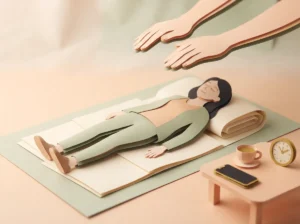
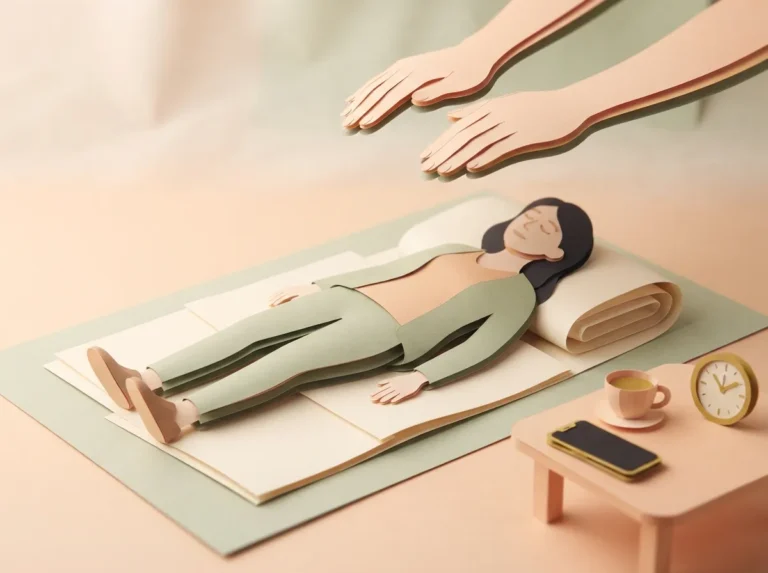
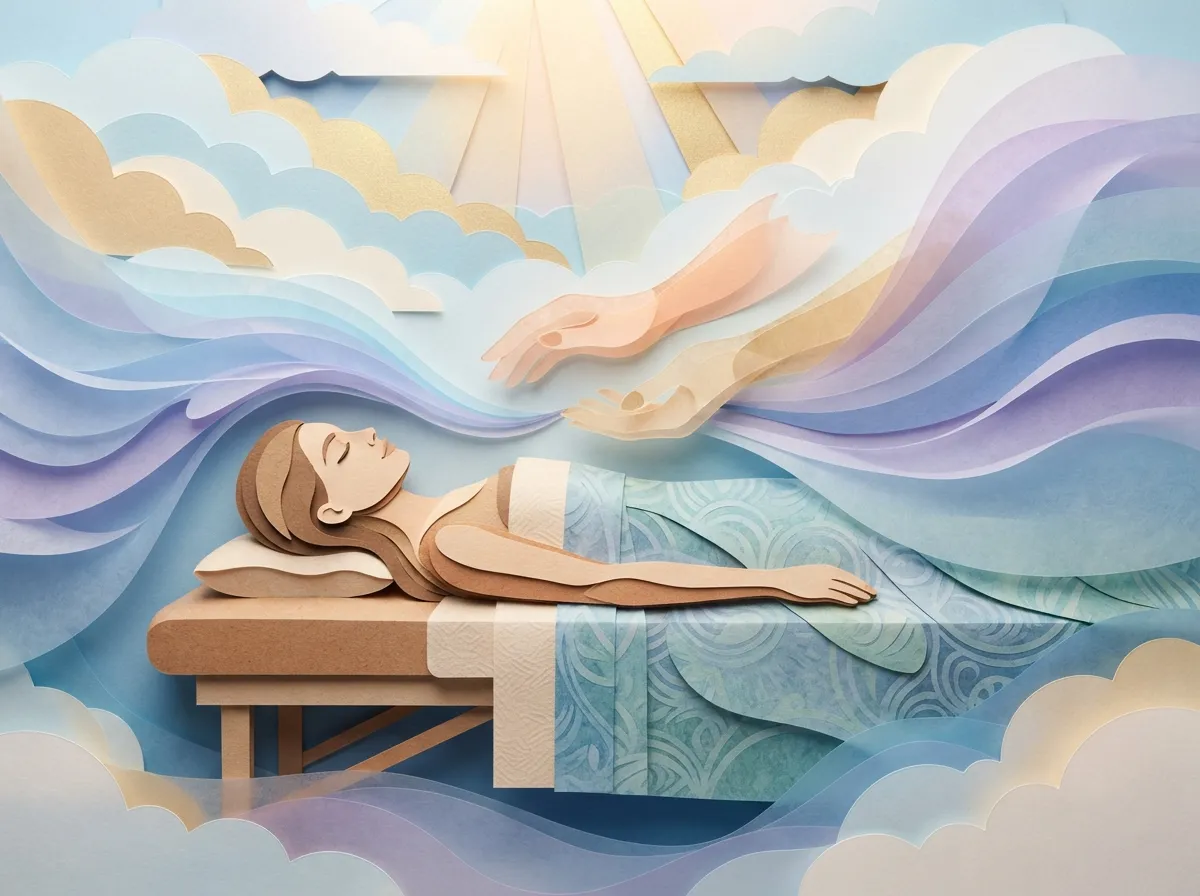
During a Reiki session, you remain fully clothed on a massage table while a practitioner places hands gently on or near your body; you're always in control and can pause or adjust at any time based on your comfort.
-
Reiki cannot scientifically prove it 'releases' emotional blocks, but it may help you feel calmer, more grounded, and better able to reflect on stuck emotions like unprocessed grief or relationship tension.
-
Busy professionals, expectant mothers, athletes, and seniors commonly benefit from Reiki's gentle, non-invasive approach; it pairs well with massage therapy, aromatherapy, or other wellness add-ons for enhanced relaxation.
-
Common sensations during or after Reiki include warmth, deep relaxation, emotional release, vivid thoughts, or feeling more present; everyone experiences it differently, and emotional responses are normal and acceptable.
-
Choose a Reiki practitioner with proper certification, clear communication about expectations, a clean professional environment, and positive client reviews; avoid practitioners who overpromise results as medical cures.
Ever feel like you’re carrying invisible weight on your shoulders, even when nothing is physically wrong? Maybe it’s stress from work piling up, grief you haven’t fully processed, or just a general sense of being “stuck” emotionally. Many people in Falls Church come to us searching for a reiki session to release emotional blocks, hoping to feel lighter and more at ease. We want to walk you through what Reiki actually is, what the research says, and how it fits into a well-rounded wellness routine at Luna Massage Studio.
Let’s be honest and clear from the start: Reiki is not a magic fix. But it can be a gentle, calming experience that helps many people feel more relaxed, more present, and better able to reflect on their emotions. That in itself is pretty wonderful, don’t you think?
What Does “Emotional Blocks” Actually Mean?
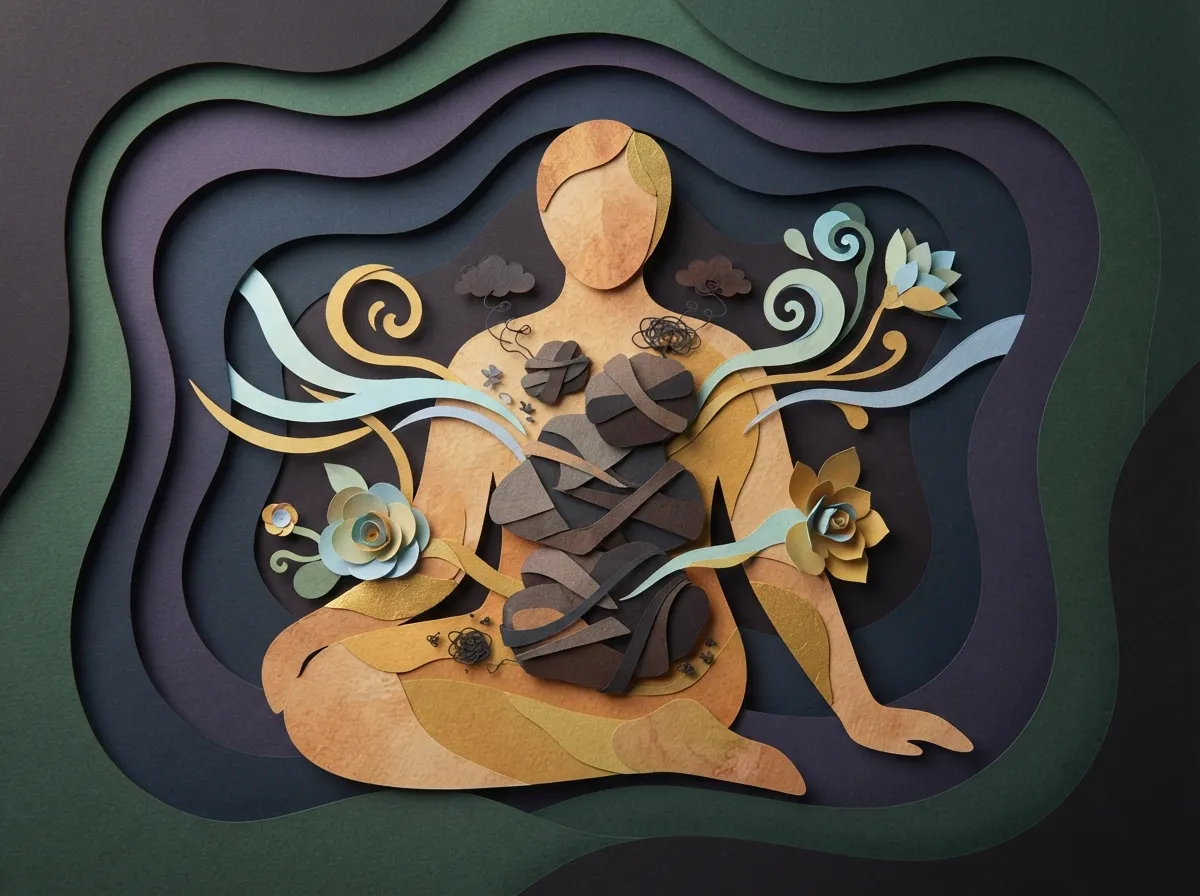
Here’s something important to know upfront. “Emotional blocks” isn’t a medical term you’ll find in a doctor’s textbook. It’s more of a wellness phrase people use to describe feelings that seem stuck, like:
- Unprocessed grief or loss
- Ongoing stress that won’t seem to ease up
- Anxiety that feels hard to pin down
- Emotional tension from work or relationships
- A general feeling of being disconnected from your emotions
Reiki should never be presented as a proven cure for trauma or a treatment for a diagnosed mental health condition. Instead, think of it as a supportive, relaxing experience that may help create space for calm reflection. If you’re dealing with serious symptoms, we always recommend pairing wellness practices with care from a licensed mental health professional.
What Happens During a Reiki Session
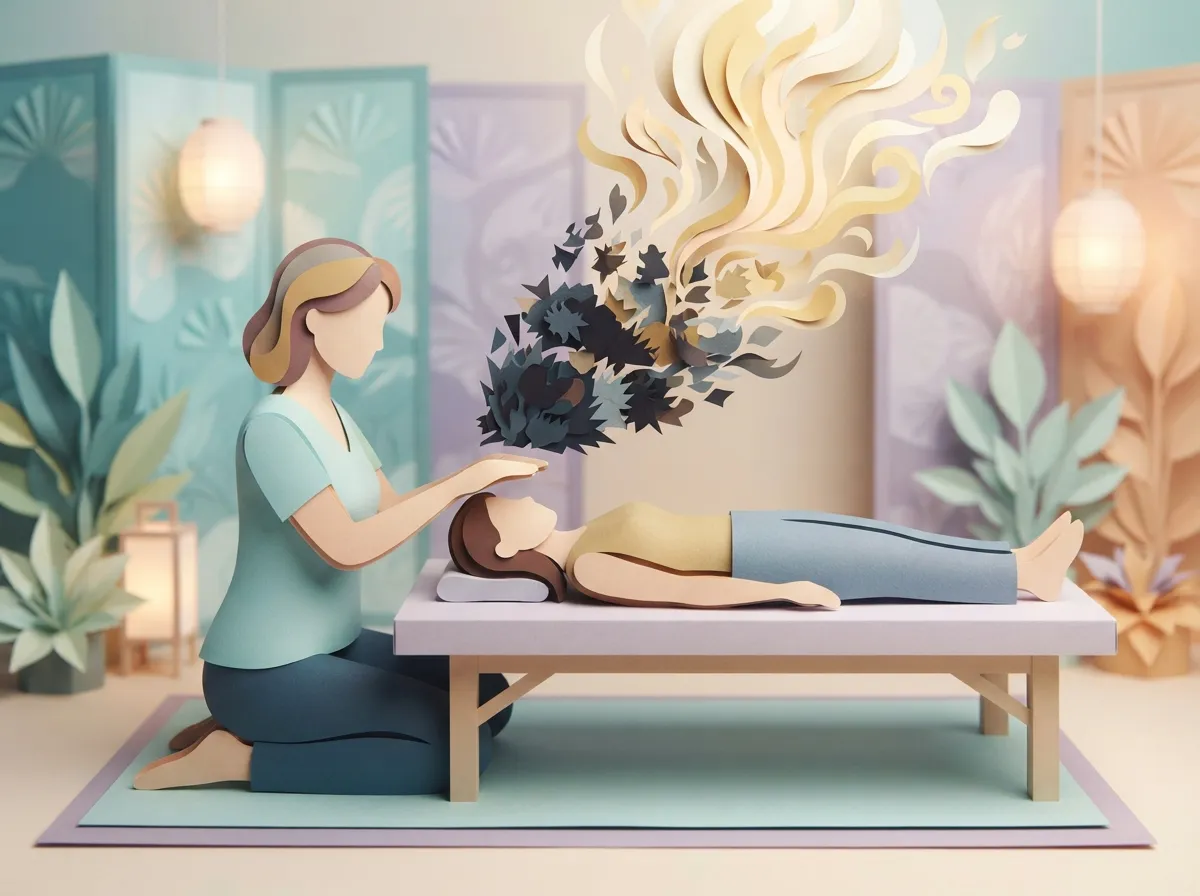
If you’ve never tried Reiki healing before, the process is simple and calming. There’s nothing to fear here. Here’s a typical step-by-step flow:
- Intake conversation: Your practitioner asks about your goals, comfort level, and any areas of tension you’d like to focus on.
- Consent check: You’ll discuss touch preferences. Reiki can involve light hands-on contact or hands held just above the body.
- Getting settled: You stay fully clothed and lie comfortably on a massage table.
- Hand placements: The practitioner places their hands gently on or near different areas of your body, often starting at the head and moving down.
- Quiet time: Most of the session is silent, allowing you to relax, breathe, and simply be present.
- Closing and reflection: Afterward, you’ll have time to rest and talk about what you noticed or felt.
You’re always in control. If something doesn’t feel right, you can ask your practitioner to adjust or stop at any time. This is your experience, and your comfort matters most.
What Does the Research Actually Say?
We believe in being upfront and honest with our clients, so let’s look at what science tells us. Reiki has been studied more in recent years, and the results are encouraging, though not definitive.
| Study | Focus | Key Finding |
|---|---|---|
| 2024 Meta-Analysis (13 studies, 824 participants) | Anxiety | Significant reduction in anxiety symptoms (SMD -0.82) |
| 2022 Systematic Review (14 studies) | Stress, depression, anxiety | Some improvement, stronger evidence for clinical-level stress and depression |
| 2025 Meta-Analysis (661 participants) | Quality of life | Modest improvement (SMD 0.28) |
| 2014 Review of RCTs | Pain and anxiety | Effect sizes varied widely, more research needed |
According to a 2024 systematic review and meta-analysis, Reiki showed a meaningful effect on anxiety symptoms. Meanwhile, a 2022 review published in Frontiers in Psychology found Reiki may help with clinically relevant stress and depression symptoms, though the authors were careful to note it works best as a complement to psychotherapy, not a replacement.
The bottom line? Reiki shows promise for relaxation, stress reduction, and quality of life. But no strong evidence proves it literally “releases emotional blocks” in a measurable way. We think that’s okay. Feeling calmer and more centered is a valuable outcome all on its own.
Who Might Benefit From a Reiki Session?
Different people come to us for different reasons, and Reiki tends to resonate with a wide range of lifestyles. Here’s how it might fit into your life:
Busy Professionals Seeking Calm
If your calendar looks like a game of Tetris and your stress levels are through the roof, a quiet Reiki session might be exactly what you need. Many of our clients in Falls Church book evening or weekend appointments to unwind after demanding workweeks. Pairing Reiki with a deep tissue massage can help release physical tension while you also calm your mind.
Expectant Mothers Managing Stress
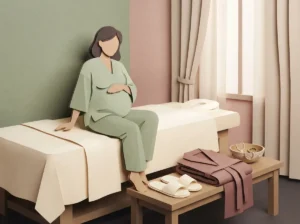
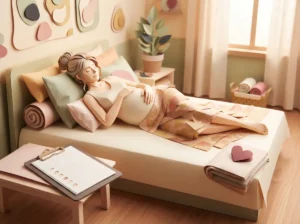
Pregnancy brings incredible joy, but also plenty of physical discomfort and emotional ups and downs. Reiki offers a gentle, non-invasive way to relax without any deep pressure. It pairs beautifully with our prenatal massage services for moms who want extra calm during this demanding chapter of life.
Athletes and Active Adults
Training hard takes a toll on your body and mind. Some athletes find that combining Reiki with sport massage helps them mentally reset between competitions or intense training blocks. It’s a nice complement to physical recovery work.
Seniors Managing Chronic Discomfort
Living with arthritis or chronic pain can wear down your spirit as much as your body. A 2010 randomized trial involving older adults found improvements in pain, depression, and anxiety scores after Reiki sessions, though the study was small. Many seniors appreciate Reiki’s gentle nature since it doesn’t require deep pressure or intense movement.
Wellness-Focused Individuals
If self-care is already part of your lifestyle, Reiki can be a wonderful addition to your routine. Many wellness-minded clients combine it with aromatherapy massage or add-on treatments like Gua Sha for a fuller mind-body experience.
How Reiki Compares to Massage Therapy
People often ask us how Reiki differs from a traditional massage. Great question! Here’s a simple breakdown:
| Feature | Reiki Healing | Massage Therapy |
|---|---|---|
| Touch | Light or hands-off | Hands-on pressure and movement |
| Clothing | Fully clothed | Undressed to comfort level, draped |
| Goal | Relaxation, energy balance, calm reflection | Muscle tension relief, pain reduction, flexibility |
| Best For | Stress, anxiety, emotional tension | Physical pain, tight muscles, injury recovery |
| Price at Luna | $125 flat rate | $125-$165 depending on length |
Many of our clients actually enjoy combining both. You might book a Swedish massage to release physical tension, then add Reiki for a deeper sense of calm afterward.
Simple Steps to Prepare for Your First Reiki Session
Feeling a little nervous about your first appointment? That’s completely normal. Here’s how to get the most out of your experience:
- Wear comfortable, loose clothing since you’ll stay fully dressed.
- Arrive a few minutes early to relax before your session starts.
- Share your goals honestly with your practitioner during the intake chat.
- Let go of expectations. There’s no “right” way to feel during Reiki.
- Stay open to whatever sensations or emotions come up, without judging them.
- Give yourself time afterward to rest before jumping back into a busy schedule.
What You Might Feel During or After a Session
Everyone experiences Reiki a little differently. Some common sensations our clients report include:
- A warm or tingling feeling where hands are placed
- Deep relaxation or even falling asleep briefly
- A sense of lightness or emotional release, like a good cry or sigh
- Vivid thoughts or memories surfacing during quiet moments
- Feeling calm, grounded, or simply more “present” afterward
Some people feel emotional during a session, and that’s okay too. Your practitioner is trained to hold space for that without judgment. If anything overwhelming comes up, you’re always free to pause or talk it through.
When to Seek Additional Support
We want to be honest with you here, because your wellbeing truly matters to us. Reiki is a wonderful complementary practice, but it is not a substitute for mental health treatment. If you’re experiencing any of the following, please reach out to a licensed mental health professional:
- Persistent feelings of hopelessness or sadness
- Thoughts of self-harm or suicide
- Severe anxiety that interferes with daily life
- Symptoms of trauma or dissociation
- Grief that feels unmanageable on your own
Reiki can be a supportive part of your self-care toolkit, working alongside professional mental health care, not replacing it.
Choosing the Right Practitioner
Not all Reiki practitioners are created equal, so it pays to do a little homework. Here’s what to look for:
- Proper training and certification in Reiki (look for Reiki Master or equivalent level)
- Clear communication about what to expect during your session
- A calm, professional, and clean studio environment
- Positive reviews from real clients
- Willingness to answer your questions honestly, without overpromising results
At Luna Massage Studio, our team takes pride in creating a warm, judgment-free space. You can check out what our clients have to say in our client reviews, follow our calming studio moments on Instagram, or read honest feedback on Yelp. You can also learn more about the history and philosophy behind this practice on Reiki Healing’s Wikipedia page if you’re curious about its origins in Japan.
Pairing Reiki With Other Wellness Add-Ons
Want to make your visit even more restorative? Consider adding one of these to your Reiki session:
- Gua Sha: A gentle scraping technique that helps release tension and support circulation (15 min, $35)
- Cupping: Suction therapy that helps release deep tension and improve blood flow (15 min, $35)
- Aromatherapy: Free with any massage, using calming essential oils to enhance relaxation
These add-ons work beautifully alongside healing Reiki treatments to create a fuller mind-body wellness experience.
Why Falls Church Clients Choose Luna Massage Studio
We’re proud to be a trusted part of the Falls Church wellness community. Our team blends expert massage therapy with Reiki healing and thoughtful add-ons, all designed to help you feel your best, inside and out. Whether you’re a busy professional, an expecting mom, an athlete, or simply someone who values self-care, we’re here to support your journey. You can visit us on Google — Luna Massage Studio to see what our community has to say.
Final Thoughts on Releasing Emotional Blocks Through Reiki
So, can a Reiki session truly release emotional blocks? The honest answer is that it may help you feel calmer, more grounded, and more able to reflect on your emotions, even if science can’t yet prove it dissolves deep trauma. And honestly, that’s a beautiful goal all on its own. Feeling lighter, calmer, and more present is worth celebrating.
If you’re ready to experience this gentle, calming practice for yourself, we’d love to welcome you to our studio. Book Your Reiki Session Today and give yourself the gift of rest and reflection. Have questions first? Feel free to reach out to our team anytime. We can’t wait to help you feel more like yourself again.
FAQs
Q: What happens during a Reiki session for emotional blocks?
A: You’ll relax fully clothed on a massage table while your practitioner gently places their hands on or near different areas of your body. Most of the session is quiet, giving you space to breathe, relax, and simply notice how you feel. Afterward, you’ll have time to rest and chat about your experience if you’d like.
Q: Can Reiki help with stress, anxiety, grief, or emotional tension?
A: Many people say Reiki helps them feel calmer and more centered, and some research supports reduced anxiety and stress symptoms. That said, results vary from person to person, and Reiki works best as a supportive practice alongside other self-care habits. It’s not a guaranteed fix, but it can be a lovely part of your wellness routine.
Q: Does Reiki actually release emotional blocks or trauma?
A: There’s no strong scientific evidence that Reiki literally releases emotional blocks or resolves trauma. What research does show is that Reiki may support relaxation, reduce anxiety, and improve quality of life for some people. We always recommend working with a licensed mental health professional for trauma-related concerns.
Q: Is Reiki safe for people with anxiety or a history of trauma?
A: Reiki is generally considered gentle and safe since it involves light or no touch at all. However, if you have a trauma history, it’s smart to talk with your practitioner beforehand about your comfort level and boundaries. You’re always in control and can pause or stop the session anytime you need to.
Q: Can Reiki be combined with massage therapy or psychotherapy?
A: Absolutely, and many of our clients love combining Reiki with services like deep tissue or Swedish massage for a fuller relaxation experience. Reiki can also complement psychotherapy nicely, though it should never replace professional mental health treatment. Think of it as one more tool in your self-care toolbox.
Our Service Area