Key Takeaways
-
The 2022 systematic review of 21 randomized trials found no evidence Reiki outperforms placebo or active comparisons like massage, relaxation, yoga, or supportive attention.
-
Reiki has not been clearly shown to treat, cure, or prevent any health condition, so it should never replace medical care or evidence-based treatment.
-
Many people feel calmer and more cared for after a session, and those feelings are real even though they don’t prove the energy-field mechanism.
-
The 2016 study showing lower stress with massage plus Reiki had no Reiki placebo group, so Reiki’s specific effect cannot be separated from massage, rest, and attention.
-
Reiki appears to carry low direct physical risk, but people should avoid delaying care and be wary of any practitioner who claims it cures disease.
-
For physical issues like muscle tension or back pain, hands-on massage has stronger research support than Reiki and is the better choice for targeted relief.
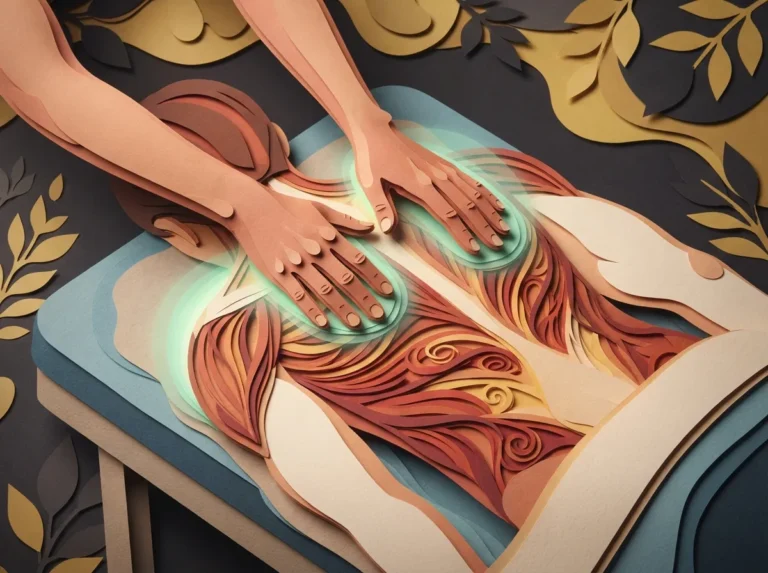
If you’ve ever lain on a table while someone’s hands hovered over you, you may have wondered: is this actually doing something, or is my mind just playing a lovely trick on me? It’s a fair question, and honestly, it’s one we think deserves a straight answer.
So, does Reiki really work or is it placebo? The honest answer is a little nuanced. Many people feel calm, cared for, and relaxed after a session. But the science has not shown that Reiki does more than placebo, rest, attention, or other relaxation methods. It also hasn’t proven the “energy field” idea behind it.
That doesn’t mean a session is worthless. It means we should describe it accurately. In this guide, we’ll compare Reiki and placebo, look at what research says, and help you decide if Reiki fits into your wellness routine. Whether you’re a busy professional, an expecting mom, an athlete, or a senior managing aches, you’ll leave with clear, honest information.
What Is Reiki, Exactly?
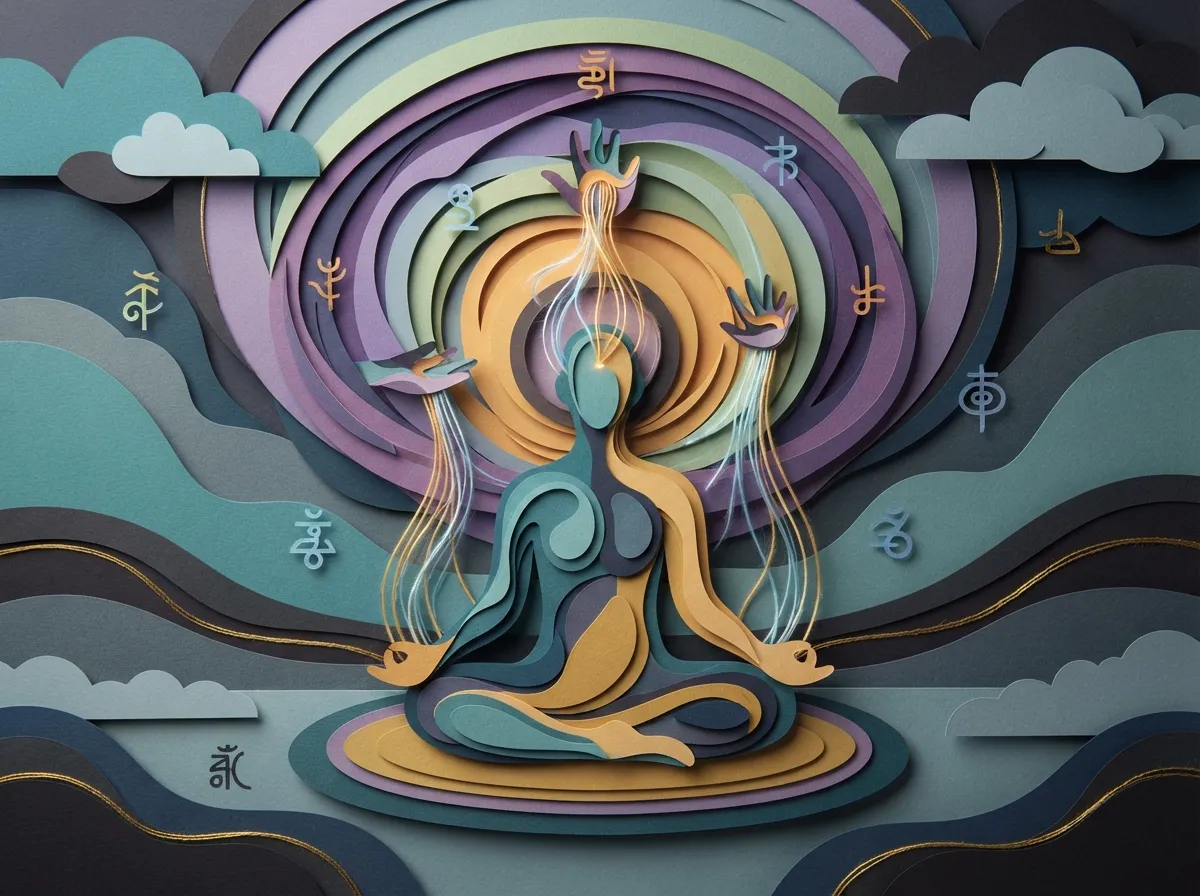
Reiki is a complementary practice that began in Japan in the late 1800s. It was developed by Mikao Usui. The practitioner places their hands lightly on, or just above, your body. The idea behind it is that an unseen “life force energy” flows through us. When that energy is low, we may feel stressed or unwell. When it’s high, we may feel happier and healthier.
Reiki is different from massage. Massage uses hands-on techniques to work muscles and soft tissue. Reiki uses light or no pressure. If you’d like a deeper background, you can read our guide on what Reiki healing is and how it works, or browse the general overview of Reiki healing.
What Does “Placebo” Really Mean?
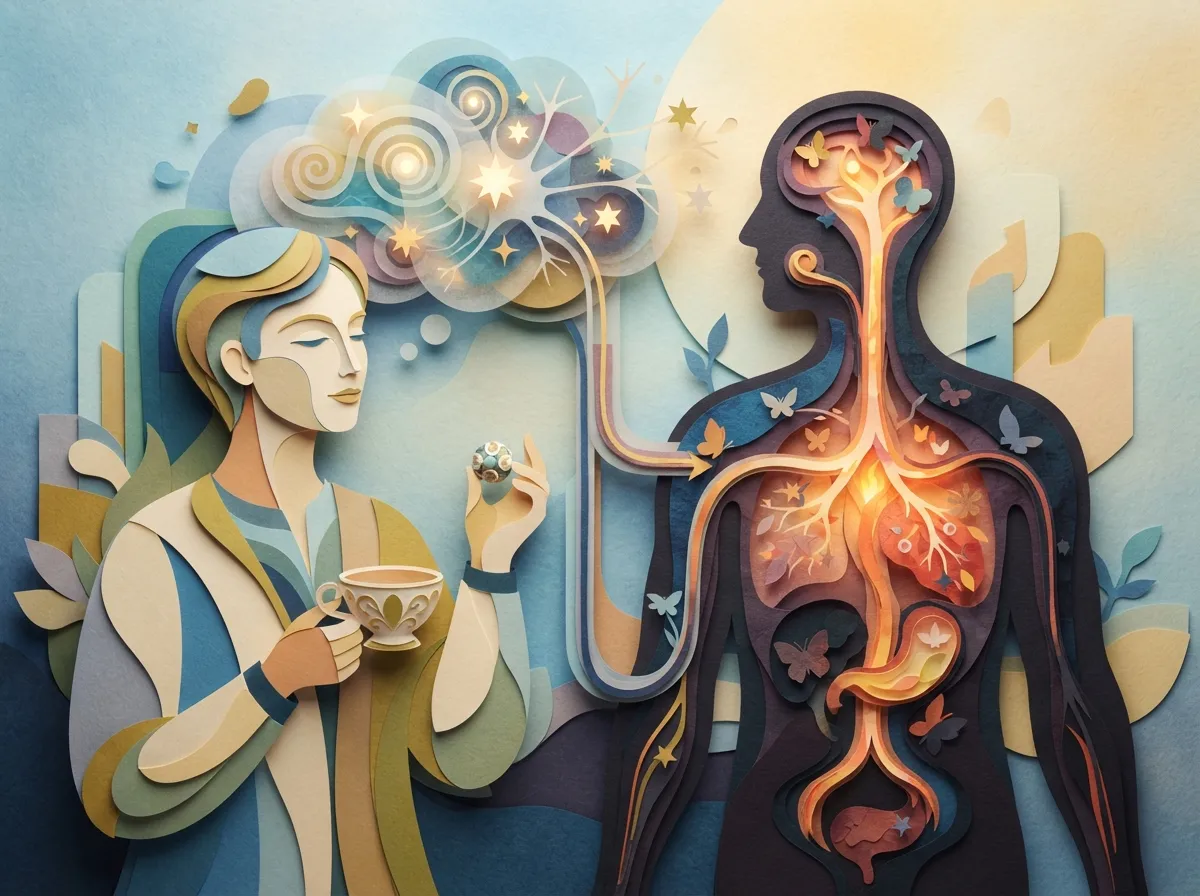
A placebo effect happens when you feel better because you expect to feel better. It isn’t “fake” or “all in your head” in a dismissive way. Your brain and body respond to calm settings, caring attention, and positive expectations.
Think about what happens during any wellness session:
- You step away from your phone and your to-do list.
- Someone gives you their full attention.
- The room is quiet, warm, and softly lit.
- You lie still for 45 to 60 minutes.
Each of those things can lower stress all on its own. That’s why researchers try so hard to separate the “active ingredient” of a therapy from the comfort of the setting around it.
Reiki vs. Placebo: What Does the Research Say?
Here’s where things get interesting. Researchers have studied Reiki for years, but the results are mixed, and many studies have design problems. Here’s a quick summary of the major findings.
| Study | What It Looked At | Key Finding |
|---|---|---|
| 2008 systematic review | 12 Reiki trials | All had at least one key weakness in randomization, blinding, or participant tracking. 11 were rated poor quality. |
| 2016 randomized study | 122 participants: massage plus rest, massage plus Reiki, or no intervention | Stress dropped 33% and state anxiety dropped 21% for massage plus Reiki versus control. But there was no Reiki placebo group, so Reiki’s own effect could not be isolated. |
| 2022 systematic review | 21 randomized trials, 1,375 patients (bioenergy therapies) | No evidence Reiki was better than placebo or active comparisons like massage, relaxation, yoga, or supportive attention. |
| 2025 meta-analysis | 661 participants, quality of life | A small improvement (SMD 0.28; 95% CI 0.01–0.56), which was borderline significant and should be read with caution. |
How to Read These Results
The best-supported takeaway is simple. Reiki has not been clearly shown to treat or prevent any health condition. Results for pain, anxiety, and depression are inconsistent. The U.S. National Center for Complementary and Integrative Health shares a similar view on its Reiki information page.
There is also no established scientific evidence for the energy field that Reiki is said to channel. But that’s only half the story. A client can still feel relaxed and cared for during a session. Those feelings are real. They just don’t prove the proposed energy mechanism or a unique therapeutic effect.
The Massage Plus Reiki Study: A Closer Look
The 2016 study is worth a second look, because it’s the one most often quoted in the massage world. It found lower stress and anxiety in the groups who received massage plus Reiki.
So does that prove Reiki works? Not quite. The study had no Reiki placebo condition. That means we can’t tell whether the benefit came from Reiki, from the massage, from simply resting, or from the attention and expectation that come with a session.
Here’s a helpful way to think about it. If you take a warm bath, light a candle, and rest quietly for an hour, you’d probably feel less stressed too. That doesn’t make the bath “proven medicine.” It makes it a nice way to relax. Reiki may work in a similar way for many people.
Reiki vs. Massage: How They Compare
Since Luna Massage Studio offers both, we’re often asked how they differ. Here’s a side-by-side look.
| Feature | Reiki | Massage Therapy |
|---|---|---|
| Touch | Light touch or hands just above the body | Hands-on work on muscles and soft tissue |
| Main aim | Calm and a sense of balance | Reduce muscle tension, ease pain, improve movement |
| Physical mechanism | Not established by science | Well understood: pressure on soft tissue, circulation, and relaxation response |
| Evidence level | Mixed; no clear edge over placebo | Stronger research for stress, back pain, and relaxation |
| Best viewed as | A low-risk complementary experience | A hands-on wellness and recovery service |
For a friendly breakdown, take a look at Reiki healing vs. massage and which eases stress best.
So… Is Reiki Just a Placebo?
Based on the current evidence, the most honest answer is this: we can’t say Reiki does more than placebo, and we can’t confirm the energy-field explanation. But “placebo” isn’t a bad word. The comfort, calm, and sense of being cared for are real experiences, and they matter.
Here’s what we can say with confidence:
- Reiki has not been clearly shown to treat or cure any health condition.
- Many people report feeling relaxed and calm after a session.
- Reiki appears to carry low direct physical risk.
- It should never replace medical care or evidence-based treatment.
That’s the kind of clear, no-pressure framing we believe every client deserves.
Who Might Enjoy Reiki as a Complement?
Reiki can be a gentle add-on for people who want a quiet, restful experience. Here’s how it might fit different lifestyles.
Busy Professionals
If your days are packed with meetings and deadlines, a quiet hour with no screens and no talking can feel like a reset. Think of Reiki as guided stillness. For a deeper physical release, many professionals pair rest with a Swedish massage.
Pregnant Women
Pregnancy brings aches, worries, and plenty of changes. Some moms enjoy the gentle nature of Reiki, while others prefer the hands-on relief of prenatal massage. Always talk with your doctor or midwife first.
Athletes and Active Adults
If you’re dealing with tight hamstrings or sore shoulders, Reiki isn’t the tool for that. Muscle work is. A sport massage or deep tissue massage targets tension directly. Some athletes add a quiet Reiki session on rest days for mental downtime.
Seniors With Chronic Pain
Chronic pain deserves real, evidence-based care. Reiki may feel soothing, but it shouldn’t replace your doctor’s plan. Gentle massage can help with stiffness and comfort, as explained in our post on whether massage can help with chronic pain.
Wellness-Focused Individuals
If you love a well-rounded self-care routine, Reiki can be one calming piece of the puzzle. Pair it with regular massage, good sleep, movement, and healthy habits.
Is Reiki Safe?
Reiki appears to have low direct physical risk. There’s no pressure, no manipulation, and no products applied to the body. Still, a few common-sense points apply:
- Reiki should not replace a medical assessment or treatment.
- Don’t stop or delay care for a health concern because you tried Reiki.
- Be cautious of any practitioner who claims Reiki cures disease.
- Tell your provider about any health conditions before your session.
If you’re curious about who it suits, see our article on whether Reiki healing is safe for everyone.
How to Spot an Honest Reiki Practitioner
Not every practitioner explains Reiki in the same way. Here’s a quick checklist to help you find someone who is upfront with you.
- They call it complementary. Good practitioners describe Reiki as a supportive experience, not a medical treatment.
- They never promise cures. Claims about curing cancer, diabetes, or other diseases are a red flag.
- They encourage medical care. They’ll remind you to see your doctor when needed.
- They explain what to expect. You should know how long the session lasts and what the touch looks like.
- They respect your beliefs. No pressure to believe in energy fields to enjoy the session.
You can also read what past clients say in our client reviews, or check the feedback on Yelp.
What to Expect in a Reiki Session at Luna Massage Studio
At Luna Massage Studio in Falls Church, VA, Reiki Healing is offered as a flat-rate, optional complement to our massage services. You’ll typically stay fully clothed and rest comfortably while the practitioner uses light touch or holds their hands just above your body. Many clients describe it as quiet, slow, and deeply restful.
We describe it honestly: a calming, low-risk wellness experience, not a medical treatment. If you’d like to learn more about how a session works, visit our Reiki Healing page or read what to expect in a Reiki massage session. You can also see what neighbors say when you visit us on Google — Luna Massage Studio.
Getting the Most From Your Session
Whether the benefit comes from Reiki itself or from the calm setting, you can boost your experience with a few simple habits:
- Arrive a few minutes early so you’re not rushed.
- Silence your phone and let your shoulders drop.
- Drink water afterward and take a slow walk if you can.
- Go in with an open, curious mind, not pressure to “feel something.”
If your main goal is physical relief, consider adding hands-on work. Our combo approach is easy to explore, and our guide on Reiki and massage combo sessions explains how they can work together.
The Bottom Line
So, does Reiki really work or is it placebo? The research doesn’t show that Reiki beats placebo, rest, or other relaxation methods, and it doesn’t support the energy-field idea. But many people still find a session calming, and the risk is low. The key is honesty: enjoy it as a gentle complement, not a cure, and keep seeing your doctor for health concerns.
If you want proven, hands-on relief for tight muscles, stress, and sleep, massage is a strong place to start. Ready to feel the difference? Book your appointment today, or get in touch with our team with any questions. We’d love to help you find the right fit.
FAQs
Q: Does Reiki work better than a placebo?
A: Based on current research, no clear evidence shows Reiki beats placebo or other relaxation approaches. A 2022 review of 21 randomized trials found it was not superior to placebo or active comparisons like massage or supportive attention. That said, many people still feel calm and cared for during a session.
Q: Can Reiki replace medical treatment or pain medication?
A: No, and we’d never suggest it. Reiki hasn’t been shown to treat or prevent any health condition, so it should never replace your doctor’s care. Think of it as a gentle, optional extra, not a substitute.
Q: Is Reiki safe, and are there reasons to avoid it?
A: Reiki appears to have low direct physical risk since it uses light touch or no touch at all. The main concern is delaying real medical care because you’re relying on it. Always check with your healthcare provider if you have a health condition.
Q: Does Reiki add benefits beyond massage?
A: We can’t say for sure. In the 2016 massage-and-Reiki study, there was no Reiki placebo group, so researchers couldn’t tell if Reiki added anything beyond the massage, rest, and attention. Massage itself has a stronger track record for easing muscle tension and stress.
Q: What should I expect during a Reiki session at a massage studio?
A: You’ll usually stay fully clothed and rest comfortably while the practitioner places their hands lightly on or just above your body. Sessions are quiet and slow, and many clients describe them as deeply restful. At Luna Massage Studio, Reiki Healing is offered at a flat rate of $125.
Our Service Area