Key Takeaways
-
You stay fully clothed during Reiki, lying face-up or seated, with no kneading or deep pressure; you can choose light touch, hands-off, or a mix and stop anytime.
-
Every session starts with a short conversation about your goals, health conditions, and comfort with touch, so tell your practitioner about anything that matters before you begin.
-
Reiki is a still, light-touch practice, not massage: sessions typically move through a series of hand positions on areas like the head, shoulders, abdomen, and feet.
-
Sensations vary widely, from warmth or tingling to nothing noticeable at all, and a quiet, restful session is a perfectly normal outcome.
-
The NCCIH reports Reiki has not been clearly shown to work for any health-related purpose, so treat it as a relaxing complement, never a replacement for medical care.
-
Session length varies by provider, from about 20 to 30 minutes to roughly 50 minutes, so confirm the stated length when booking and allow time to ease back into your day.
Thinking about booking your first Reiki session but not sure what to expect? You are not alone! Many people feel a little nervous before trying something new, especially when it is quiet, hands-light, and nothing like a typical massage. The good news is that a Reiki visit is gentle, simple, and built around your comfort.
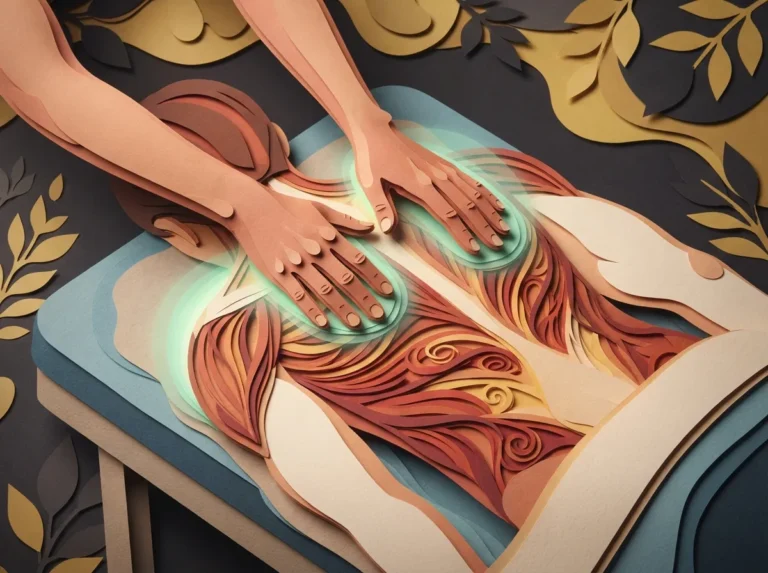
So, what happens during a Reiki healing session? In a massage therapy setting, you rest fully clothed while a practitioner places their hands lightly on your body, or just above it. There is no kneading, rubbing, or deep pressure. Many guests describe it as calm, quiet, and soothing.
Whether you are a busy professional who needs a pause, an expectant mom looking for gentle rest, an athlete winding down, or someone who values a steady self-care routine, this guide walks you through the whole visit. We will go step by step so you can walk in feeling relaxed and ready.

1. A Friendly Chat Before You Begin
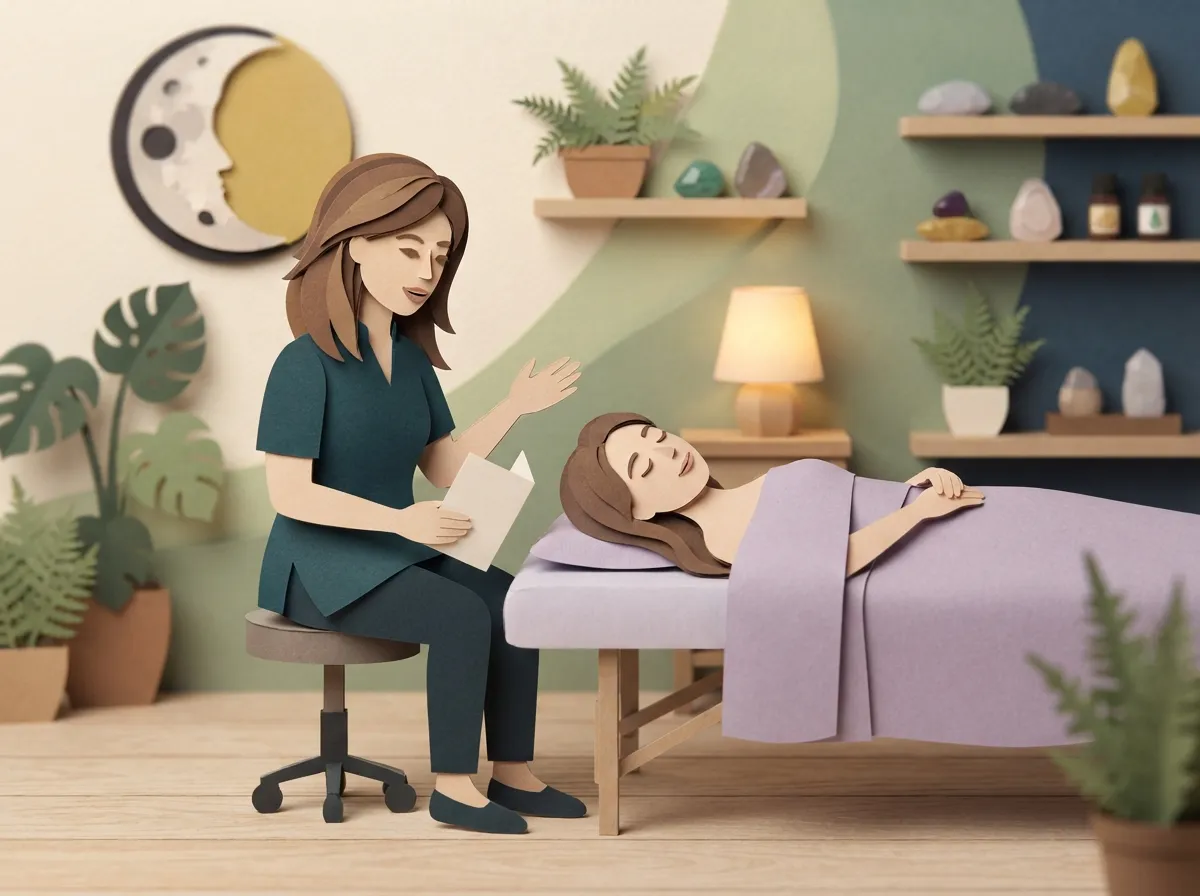
Every good Reiki session starts with a short conversation. Your practitioner will ask what brings you in, how you are feeling, and what you hope to get out of the visit. This is your time to share anything that matters, such as stress, poor sleep, or sore spots.
You can also mention health considerations or anything that helps you feel safe. A caring practitioner listens first and explains the plan before anything starts.
What You Might Be Asked
- Your goals for the session, such as calm, rest, or a mental reset
- Any health conditions or recent injuries your practitioner should know about
- Your comfort level with touch
- Whether you are pregnant or may be pregnant
- Anything that would help you feel more at ease in the room
If you want to learn more about the practice itself, our guide on what healing Reiki is and how it can help you is a great place to start.
2. Your Practitioner Explains the Process and Asks for Consent
Before the hands-on part begins, your practitioner should explain what will happen. They should tell you where their hands may rest and how long the session may last. Then they should ask for your consent.
This step matters. You are in charge of your own experience. You can ask for hands-off Reiki, where the practitioner holds their hands just above your body with no contact at all. You can also ask to pause or stop at any time, with no explanation needed.
Your Comfort Choices
- Light touch: hands rest gently on agreed areas, such as shoulders or abdomen
- Hands-off: hands hover a few inches above the body
- A mix of both: you can switch whenever you like
If you want a list of smart things to ask before you book, check out these 10 questions to ask a Reiki healer before you book.
3. You Stay Fully Clothed and Get Comfortable
One of the best parts of Reiki is that you do not undress. You stay in your everyday clothes, so soft and comfy outfits work best. Most people lie face-up on a massage table with a pillow under the head and knees. A chair or another supported position can also work if lying down is hard for you.
The room is usually quiet and calm. You may hear soft music or gentle background sounds. Many studios keep the lights low and the temperature cozy, so you can settle in.
Not sure what to put on? Here is a handy guide on what to wear to a Reiki healing appointment.
Quick Comfort Tips
- Wear loose, soft clothing with no tight waistbands.
- Take off shoes, watches, and heavy jewelry if you like.
- Tell your practitioner if you feel too warm or too cool.
- Ask for a pillow or bolster if it helps your back or neck.
4. The Practitioner Moves Through a Series of Hand Positions
Now the main part begins. Your practitioner will move through a series of hand positions, resting hands lightly on agreed areas or holding them above your body. Common areas include the head, shoulders, chest, abdomen, legs, and feet.
The exact order and pace vary by practitioner. One clinical provider describes a sequence of 12 to 15 positions, but this is not a fixed rule. Your session may look a little different, and that is perfectly normal.
Most of the time, the room stays quiet. You do not need to do anything. You can close your eyes, breathe slowly, and just let yourself rest. Some people drift into a light doze, and that is okay too!
It helps to remember that Reiki is not massage. Massage works muscles with pressure and movement. Reiki is a still, light-touch practice. If you want to compare them side by side, read about how Reiki healing differs from massage therapy.
Reiki vs. Massage at a Glance
| Feature | Reiki Session | Massage Session |
|---|---|---|
| Clothing | Fully clothed | Usually undressed to comfort, draped with a sheet |
| Touch | Light touch or hands-off | Pressure, kneading, and strokes |
| Muscle work | None | Yes, muscles and soft tissue are worked |
| Atmosphere | Quiet and still | Quiet, with active hands-on work |
| Main aim | Rest and relaxation | Relaxation, tension relief, or targeted pain work |
5. You May Notice Different Sensations, or Very Little
Every person feels Reiki in their own way. Some guests report warmth, tingling, gentle pulsing, calm, or sleepiness. Others notice very little, and that is just as normal.
These feelings are personal. They do not prove that any energy is moving between people, and they do not tell you whether the session was good or bad. A quiet, restful hour is a perfectly fine outcome.
What People Often Describe
- A feeling of warmth under or near the practitioner’s hands
- A light tingling or soft pulsing
- Deep calm or heavy eyelids
- A quiet mind, or a flood of thoughts that slowly settles
- Nothing in particular, just a peaceful pause in the day
Curious about the sensations in more detail? We cover them in what Reiki feels like during a session.
It is also worth being honest about the science. The U.S. National Center for Complementary and Integrative Health (NCCIH) says Reiki has not been clearly shown to work for any health-related purpose. Research results are mixed and often low quality, and there is no scientific evidence for the proposed energy field. That is why we see Reiki as a complementary, relaxing experience and not a replacement for medical care. NCCIH also reports that Reiki has not been shown to cause harm.
6. The Session Winds Down With a Gentle Check-In
When the hand positions are done, your practitioner will let you know in a quiet, calm way. You will not be rushed. Take a moment to breathe, stretch a little, and sit up slowly.
Afterward, your practitioner may ask how you feel and answer any questions. It is a good idea to drink some water and give yourself a little quiet time. If you have a meeting or a workout right after, plan a few extra minutes to ease back into your day.
How Long Does It Take?
Session length depends on the provider. One clinical provider describes treatments of about 50 minutes. Another health system describes sessions lasting 20 to 30 minutes. Always check the stated length when you book. For more details, see how long a typical Reiki session lasts.
| Provider Example | Typical Length |
|---|---|
| Clinical wellness provider | About 50 minutes |
| Health system program | Several minutes up to 20 to 30 minutes |
These are examples, not a universal standard, so always confirm with your practitioner.
Who Might Enjoy a Reiki Session?
Reiki is a gentle, low-effort way to rest. That makes it a nice fit for many people.
- Busy professionals: a quiet hour away from screens and deadlines
- Expectant moms: a calm, clothed option when deep pressure is not what you want. Always check with your healthcare provider first.
- Athletes and active adults: a restful way to wind down between hard training days
- Seniors: a soft, low-pressure experience that does not ask much of the body
- Wellness-focused guests: a simple add to a regular self-care routine
If you are weighing your options, our post on Reiki healing vs. massage can help you choose.
Reiki at Luna Massage Studio
At Luna Massage Studio in Falls Church, VA, Reiki healing is a flat-rate $125 service. It is offered alongside our massage therapy menu, including deep tissue, Swedish, sport, and prenatal massage. Reiki began in Japan in the late 1800s and was developed by Mikao Usui. It is based on the idea of a “life force energy.” While science has not confirmed that idea, many guests simply enjoy the quiet, restful experience.
Want to see what other guests say? You can visit us on Google — Luna Massage Studio to read reviews. You can also follow along on Instagram for studio updates, or learn the history of the practice on Reiki Healing.
If you like the idea of both, our Reiki massage session guide shows how the two can fit together. You can also explore our Reiki Healing page.
Safety and Honest Expectations
Reiki should never replace medical care or delay a checkup for new or worsening symptoms. If you have a health concern, talk with a licensed healthcare provider first. A good practitioner will respect your boundaries, describe the service honestly, and point you to a medical professional when needed.
Thinking about how often to come in? Our guide on how many Reiki sessions you may want can help you plan.
Ready to Try Reiki?
Now you know what happens during a Reiki healing session. You talk, you give consent, you rest fully clothed, and your practitioner works through gentle hand positions in a calm room. There is nothing to prepare for and nothing to get “right.”
Ready for a quiet hour that is just for you? Book your Reiki session now or contact our team with any questions. You can also call us at 703-254-0422. We would love to welcome you to Luna Massage Studio.
FAQs
Q: What should I expect during my first Reiki session?
A: You will start with a short chat about your goals and comfort, then your practitioner will explain the process and ask for your consent. After that, you rest fully clothed while they use light touch or hands-off positions. It is quiet, gentle, and you can stop at any time.
Q: Do I have to take my clothes off for Reiki?
A: Nope! You stay fully clothed the whole time, so soft, comfy clothes are your best bet. That is one big difference from a typical massage.
Q: Does Reiki involve touch, or can it be done hands-off?
A: Both options are available. Your practitioner can rest their hands lightly on agreed areas, or hold them just above your body with no contact. Just tell them what feels best for you.
Q: Is Reiki the same as massage therapy?
A: Not quite. Massage uses pressure and movement to work muscles and soft tissue, while Reiki uses light touch or hands-off positions with no rubbing or kneading. Many people enjoy both for different reasons.
Q: Does Reiki have proven health benefits?
A: Honestly, not yet. The NCCIH says Reiki has not been clearly shown to work for any health-related purpose, and research results are mixed. Many people still enjoy it as a calm, restful experience, but it should never replace medical care.
Our Service Area