Key Takeaways
-
Reiki is a relaxation tool, not a medical treatment—scientific evidence is mixed and limited, so it should never replace care from your doctor or therapist.
-
During a Reiki session, you stay fully clothed while a practitioner uses light touch or hovers hands above your body for 60 minutes to promote relaxation and calm.
-
Reiki works best for busy professionals, pregnant women, seniors, and wellness-focused individuals seeking stress relief; it pairs well with Swedish or deep tissue massage for enhanced benefits.
-
Choose a qualified Reiki therapist by checking certifications, reading client reviews, asking about their training length, and confirming the studio maintains clean professional standards.
Ever feel like your body is running on empty, even after a full night’s sleep? You’re not alone. Many of our neighbors here in Falls Church are searching for a gentle way to unwind, and that’s exactly why so many people ask us about a reiki treatment to balance energy and chakras. Whether you’re a busy professional running from meeting to meeting, an expecting mom feeling extra tension, or someone simply craving quiet, calm care, this article will walk you through what Reiki really is, what science says about it, and how it fits into a well-rounded wellness routine.
At Luna Massage Studio, we believe in being honest with you. Reiki is a relaxing, low-risk complementary service. It is not a medical treatment, and it should never replace advice from your doctor. But when used the right way, it can be a soothing addition to your self-care toolkit. Let’s dig into the details together, friend.
What Is a Reiki Treatment to Balance Energy and Chakras?
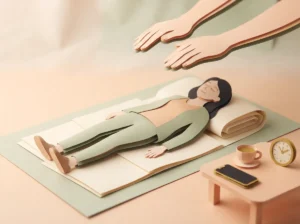
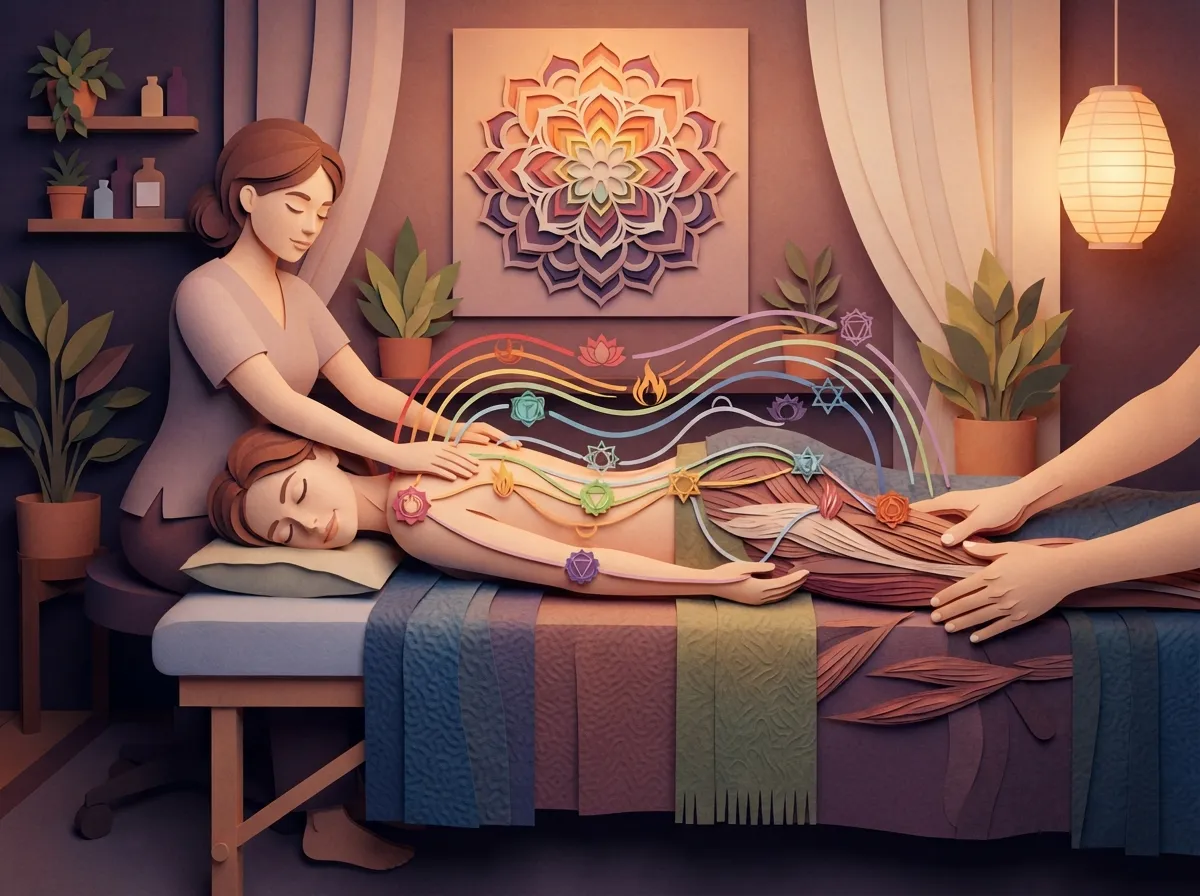
Reiki is a gentle practice that started in Japan. A trained practitioner places their hands lightly on your body, or just above it, while you stay fully clothed. The idea is simple: support your body’s own sense of calm and relaxation.
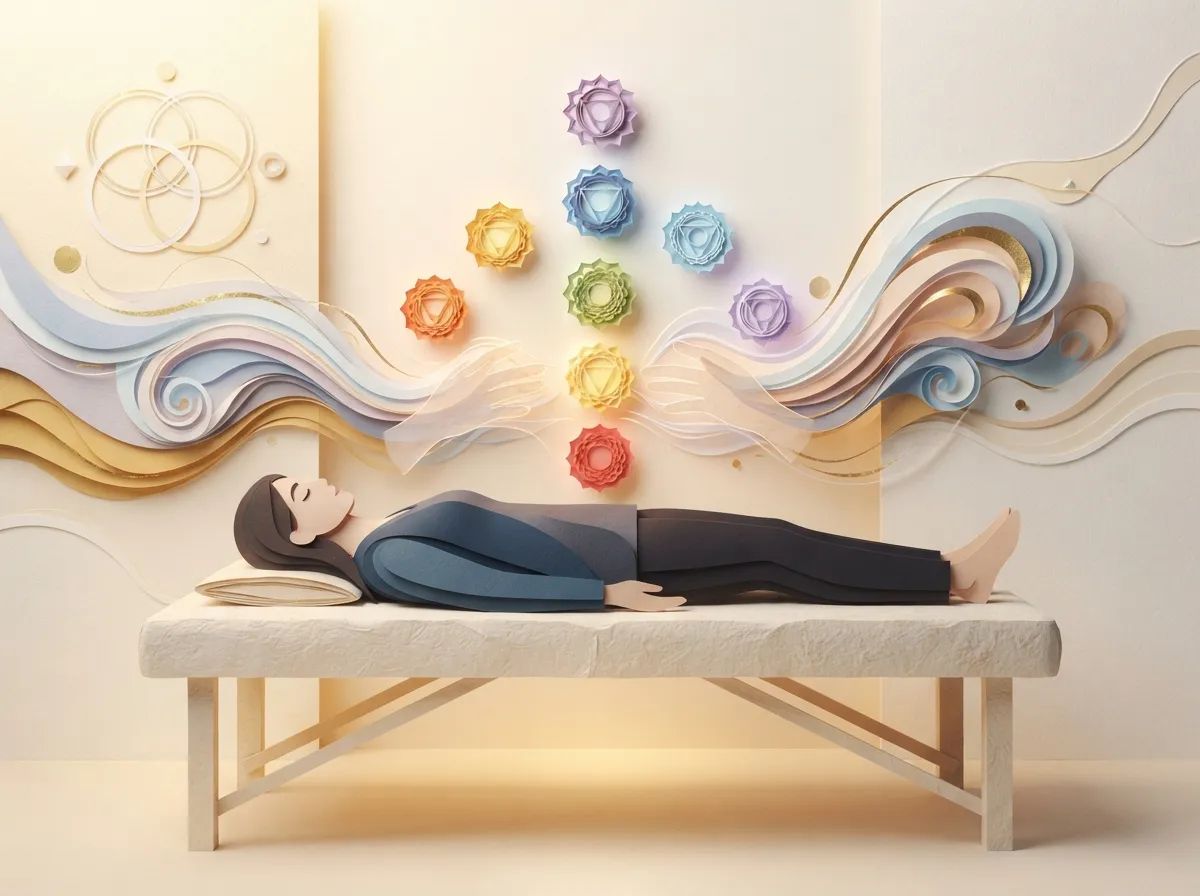
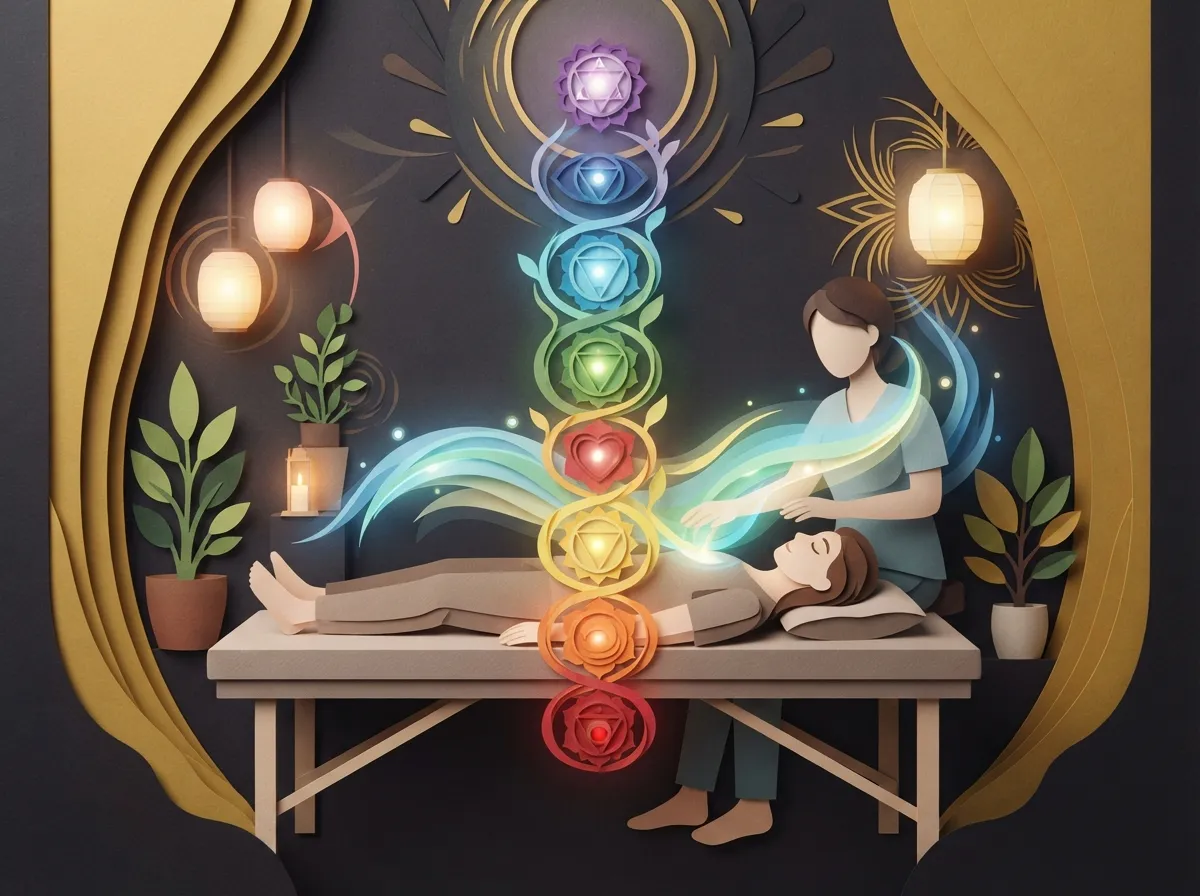
The word “chakra” comes from ancient Indian spiritual traditions. It describes seven energy centers believed to run along the body, from the base of your spine to the top of your head. These are the root, sacral, solar plexus, heart, throat, third eye, and crown chakras.
It’s important to know that chakras are not body parts doctors can find on a scan. They come from spiritual and cultural traditions, not modern medicine. Many people still find comfort and meaning in this framework, and that’s perfectly okay. Think of it less like a clinical fix and more like a peaceful ritual, similar to meditation or quiet reflection.
How Reiki Fits Into a Massage Therapy Setting
In a massage studio, Reiki is usually offered as its own clothed session or as an add-on to your favorite massage. It pairs nicely with services like Swedish massage or aromatherapy massage, creating a full-body sense of calm. You can learn more about how our team approaches this practice on our Reiki Healing page.
- You stay fully clothed the entire time
- The practitioner uses light touch or hovers hands slightly above you
- Sessions are quiet, slow, and deeply relaxing
- It can stand alone or be added to a massage appointment
- There are no needles, oils, or forceful movements involved
What Happens During a Reiki and Massage Session
Walking into your first Reiki appointment can feel a little mysterious, so let’s clear that up. Here is what a typical visit looks like, step by step.
- You’ll fill out a short health history form so your therapist understands your needs.
- You’ll lie down fully clothed on a comfortable massage table.
- Soft music or quiet silence sets a relaxing mood.
- The practitioner places hands gently on or above different areas of your body.
- You simply rest, breathe, and let your mind drift.
- The session wraps up with a few quiet minutes to reorient before you head out.
Many clients say they feel deeply rested afterward, almost like waking up from a peaceful nap. Others notice a lighter mood or less tension in their shoulders. These experiences are real and valid, even though researchers are still studying exactly why they happen.
Reiki Compared to a Regular Massage Session
People often wonder how Reiki stacks up against a traditional massage. Here’s a simple comparison to help you decide what fits your needs.
| Feature | Reiki Healing | Traditional Massage |
|---|---|---|
| Touch Style | Light or no touch | Hands-on kneading and pressure |
| Clothing | Fully clothed | Partially undressed, draped with sheets |
| Main Goal | Relaxation, calm, energy balance | Muscle relief, pain reduction, flexibility |
| Session Length | Around 60 minutes | 60, 75, or 90 minutes |
| Best For | Stress, anxiety, emotional calm | Sore muscles, injury recovery, tension |
Curious which service matches your goals? Our article on Reiki Healing vs. Massage: Which Eases Stress Best? breaks it down even further.
Does Science Support Chakra Balancing and Energy Work?
Here’s where we get honest with you, because that’s what good care looks like. There is no scientific proof that the energy field described in Reiki actually exists. The National Center for Complementary and Integrative Health states clearly that Reiki has not been shown to effectively treat any specific health condition.
That doesn’t mean the practice is worthless. It simply means we should think of it as a relaxation tool, not a medical cure. Let’s look at what research has actually found.
What the Studies Say
- A 2008 review looked at 205 possible studies but found only 9 solid randomized trials. The authors said there wasn’t enough proof to call Reiki effective for any condition.
- A 2021 review of newer trials from 2016 to 2019 found 23 eligible studies. Results were mixed, and researchers called for better quality research going forward.
- A 2024 review focused on anxiety found a meaningful drop in anxiety symptoms compared to fake, or “sham,” Reiki. Still, experts say this needs to be repeated in stronger trials.
- Older reviews from 2014 looked at pain and anxiety outcomes but noted the evidence was limited and inconsistent.
So what does this mean for you? Some people do feel calmer, less anxious, or less stressed after a session. But this may come from gentle touch, quiet rest, or simply feeling cared for, rather than actual energy transfer. You can read more background on the practice’s history and claims on Reiki Healing.
Is Reiki Safe? What You Need to Know Before Booking
Good news, friend. Reiki has a strong safety record because it involves no forceful pressure, needles, or products. It’s one of the gentlest wellness options out there.
Still, a few common-sense steps make sure your experience is safe and comfortable.
- Tell your therapist about any medical conditions or recent surgeries.
- Let them know if you are pregnant, especially in your first trimester.
- Mention any anxiety around touch or unfamiliar settings.
- Keep taking prescribed medications and attending medical appointments as usual.
- Treat Reiki as a calming extra, not a replacement for your doctor’s care.
If you’re managing a serious illness, mental health condition, or chronic pain, please continue working with your healthcare provider. Reiki can be a lovely companion to that care, but it should never stand in for it.
Who Tends to Benefit Most
While anyone can enjoy a Reiki session, we notice certain groups come back for it again and again.
- Busy professionals looking for a quiet reset after stressful weeks
- Pregnant women wanting gentle relaxation without deep pressure (learn more about our Prenatal Massage options too)
- Seniors managing chronic discomfort who want a low-impact wellness option
- Wellness-focused individuals who already value holistic self-care routines
- Athletes pairing Reiki with recovery-focused services like Sport Massage
Pairing Reiki With Other Massage Therapy Services
Many of our clients love combining Reiki with hands-on bodywork for the best of both worlds. Here’s how a few popular combinations work together.
| Combination | Great For | Session Length |
|---|---|---|
| Reiki + Deep Tissue | Deep muscle relief plus mental calm | 75–90 minutes |
| Reiki + Swedish | Full relaxation for mind and body | 75–90 minutes |
| Reiki + Aromatherapy | Enhanced calm through scent and touch | 60–90 minutes |
| Reiki + Prenatal | Gentle comfort during pregnancy | 60–75 minutes |
If you’re curious about deep muscle work, our guide on Deep Tissue Massage explains what to expect. And for add-ons like Gua Sha or cupping that pair nicely with your session, visit our Add Ons page.
How to Choose a Qualified Reiki or Massage Therapist
Not all practitioners offer the same level of training, so a little research goes a long way. Here’s what to look for.
- Check for proper certification or training in Reiki levels.
- Ask how long they’ve been practicing and what their sessions include.
- Read client reviews, like those found on our Reviews page or on Yelp.
- Make sure they communicate clearly and answer your questions honestly.
- Confirm the studio follows clean, professional health and safety standards.
You can also see real photos and updates from our studio on Instagram, and check out what locals are saying by visiting us on Google — Visit us on Google — Luna Massage Studio.
Bringing It All Together
A reiki treatment to balance energy and chakras can be a wonderful way to slow down, breathe deeply, and feel cared for. It won’t replace your doctor or therapist, but it can be a gentle, low-risk addition to your wellness routine. Whether you’re dealing with daily stress, recovering from a tough workout, or simply craving a peaceful hour to yourself, this practice offers a calm space to reset.
At Luna Massage Studio in Falls Church, VA, we’re proud to offer Reiki alongside deep tissue, Swedish, sport, and prenatal massage, plus add-ons like Gua Sha and cupping. We’d love to help you find the right combination for your body and your goals. Ready to feel lighter, calmer, and more balanced? Book Now and let’s get you scheduled for a relaxing session, or feel free to reach out with any questions before your visit.
FAQs
Q: What is a Reiki treatment for energy and chakra balancing?
A: It’s a gentle, clothed session where a practitioner places their hands lightly on or above your body to promote relaxation. Many people find it a peaceful way to unwind, even though the energy concept itself isn’t scientifically confirmed.
Q: How does Reiki differ from a regular massage therapy session?
A: Reiki uses light or no touch and you stay fully clothed, while massage involves hands-on kneading to relieve muscle tension. Both can leave you feeling relaxed, but they work in very different ways.
Q: Is there scientific evidence that Reiki works?
A: Research so far is mixed and often limited by small study sizes. Some reviews show short-term relaxation or anxiety relief, but major health organizations say there isn’t solid proof it treats specific health conditions.
Q: Is Reiki safe during pregnancy or for people with medical conditions?
A: Reiki is generally gentle and low-risk since it involves light touch and no forceful movement. Still, always tell your therapist about your pregnancy or health history so they can tailor the session safely for you.
Q: How should I choose a qualified Reiki or massage therapist?
A: Look for proper training, read honest reviews, and ask questions before booking. A good therapist will happily explain their experience and make you feel comfortable from the very first hello.
Our Service Area