Key Takeaways
-
Research has not shown that Reiki reliably treats chronic pain or fatigue; NCCIH says there is not enough high-quality evidence to know whether it works.
-
A sham-controlled trial of 100 adults with fibromyalgia found no improvement in pain, fatigue, or well-being from Reiki compared with control groups.
-
Massage therapy works directly on muscle and soft tissue, and has a longer track record for easing muscle-related pain and tension than Reiki.
-
Reiki is generally low risk and noninvasive, so it can be a gentle, optional add-on for relaxation, but it should never replace medical diagnosis or treatment.
-
See a doctor if pain or fatigue is new, worsening, unexplained, lasts for weeks, or causes numbness, weakness, fever, or sudden body changes.
-
Massage and Reiki can be paired: use massage for physical tension and Reiki for mental calm, always alongside guidance from your healthcare provider.
If you live with aching joints, tight muscles, or a tiredness that sleep never seems to fix, you have probably wondered about every option out there. Maybe a friend raved about a Reiki session. Maybe you have heard that massage is the answer. So, can Reiki help with chronic pain and fatigue, or is massage the better bet?
Here is the honest answer. Reiki is a gentle, relaxing practice, and many people enjoy it. But research has not shown that it reliably treats chronic pain or fatigue. Massage therapy has a longer track record for easing muscle-related discomfort and helping people unwind.
In this friendly guide, we will compare the two side by side. You will learn what each one does, what the science says, and how to choose. Whether you are a busy professional, an athlete, a mom-to-be, or a senior managing stiffness, you deserve clear, kind, honest information.
What Is Reiki, and What Happens in a Session?
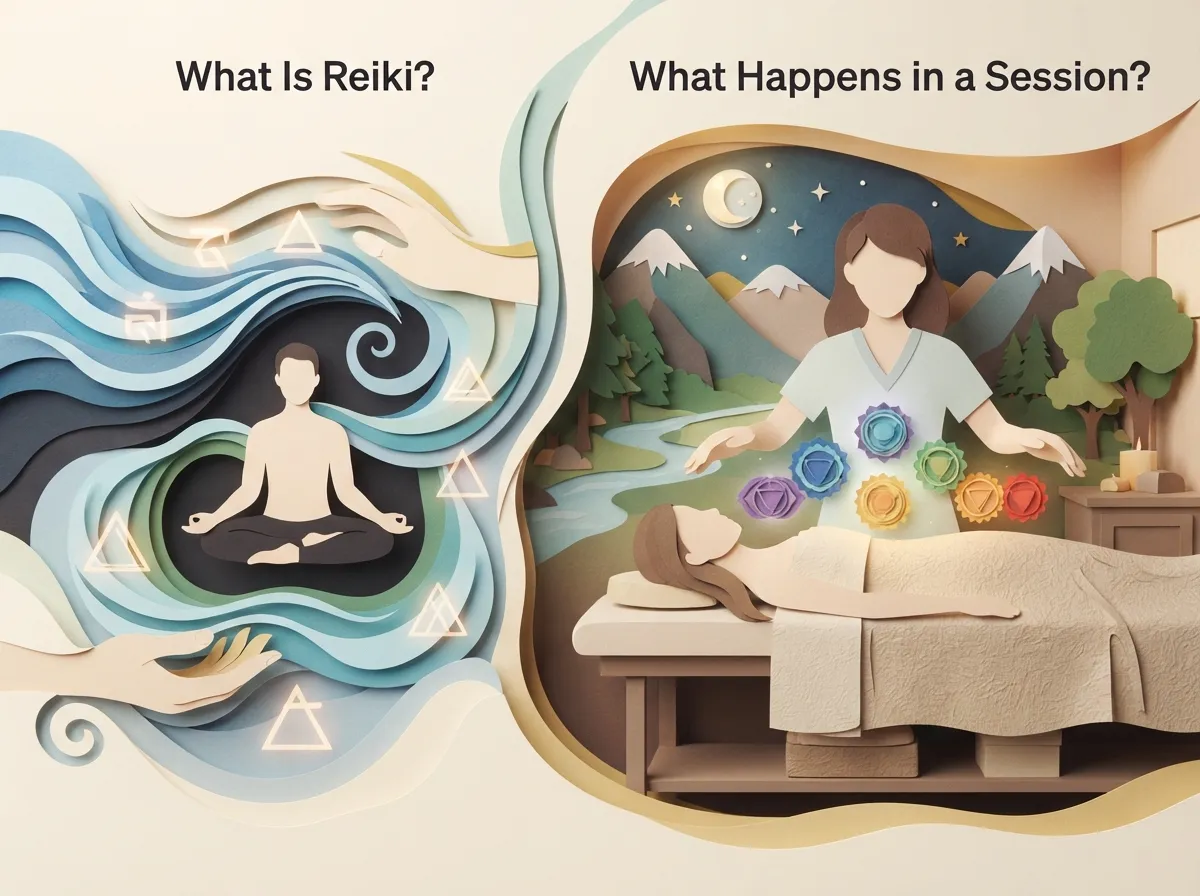
Reiki is a gentle practice that began in Japan in the late 1800s. It was developed by Mikao Usui. The practitioner places their hands lightly on your body, or just above it. The idea is that this supports the flow of “life force energy.”
A session is quiet and calm. You stay fully clothed and rest on a table. There is no kneading, pressure, or stretching. For a deeper look at how it works, see what Reiki healing is and how it actually works. You can also read the background on Reiki healing for more history.
At Luna Massage Studio, Reiki Healing is offered as a relaxation-focused service. Think of it as a calm pause for your mind and body, not a medical treatment.
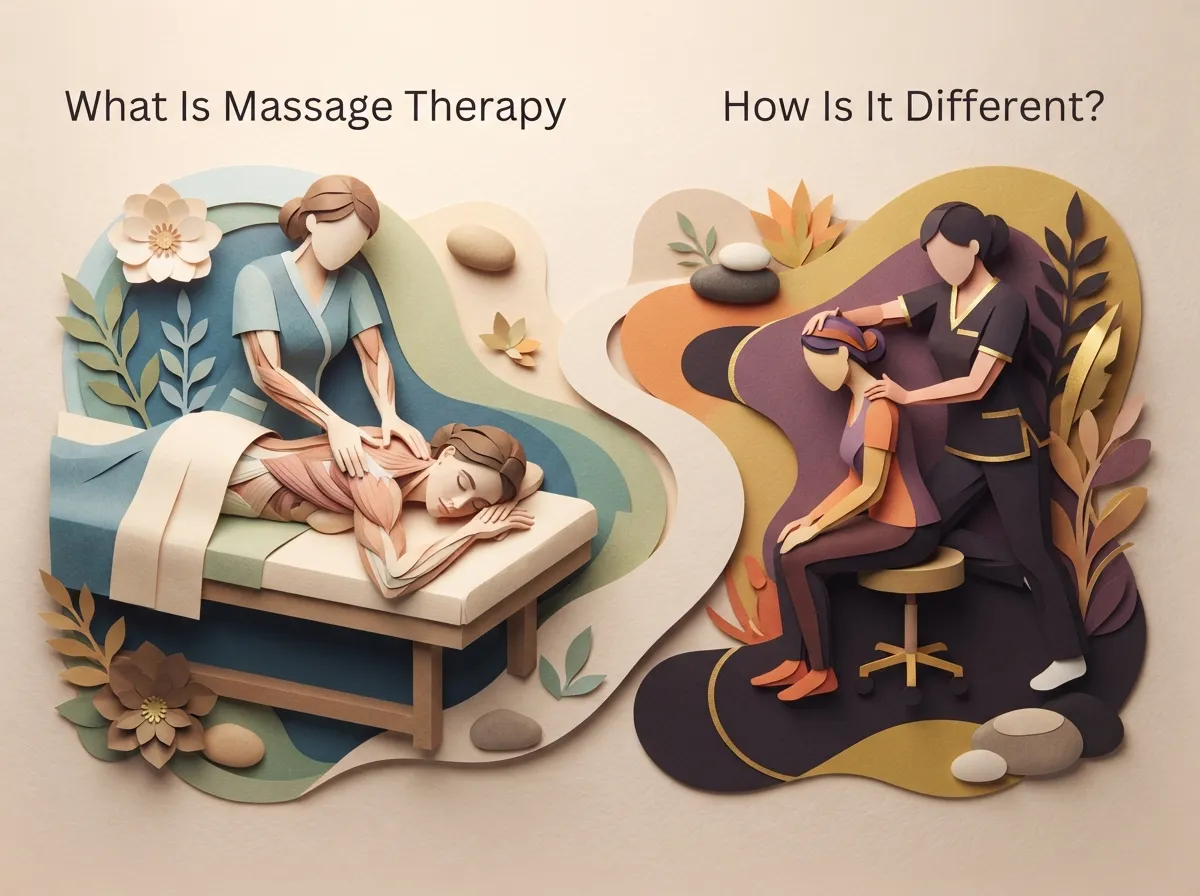
What Is Massage Therapy, and How Is It Different?
Massage is hands-on bodywork. A trained therapist uses pressure, gliding strokes, and focused techniques to work on muscles and soft tissue. This is a physical approach. It can loosen tight areas, boost comfort, and calm your nervous system.
Luna Massage Studio offers several styles, including Swedish massage, deep tissue massage, sport massage, and prenatal massage. Each one has a different feel and purpose.
The key difference is simple. Massage physically works on tissue. Reiki is a light-touch, relaxation-based practice. They are different tools for different needs.
What Does the Research Say About Reiki for Chronic Pain?
Let’s look at the facts, because you deserve them. The U.S. National Center for Complementary and Integrative Health (NCCIH) states that there is not enough high-quality research to know whether Reiki relieves pain. You can read their overview on Reiki at NCCIH.
Studies so far have often been small. Many had weak designs, and results have been mixed. A 2014 review of randomized trials on Reiki for pain and anxiety called the evidence limited and asked for better research. A small 2018 meta-analysis of four studies and 212 people reported a pain effect. However, the result was questioned because its confidence interval crossed zero slightly. That shows uncertainty, not a settled benefit.
So when someone asks whether Reiki can help with chronic pain, the careful answer is this: we do not have strong proof that it does.
What About Fibromyalgia, Pain, and Fatigue Together?
One study speaks directly to chronic pain and fatigue. In a randomized, sham-controlled trial, 100 adults with fibromyalgia received sessions twice a week for eight weeks. They were split into Reiki, sham Reiki, touch, and no-touch groups.
The researchers found no improvement in pain, fatigue, well-being, or physical and mental functioning compared with the control groups. That study was published in 2008.
This does not mean no one finds Reiki soothing. It simply means the study did not show that Reiki treats these symptoms. If you want to learn how massage fits into fibromyalgia care, check out how to use fibromyalgia massage therapy to ease pain.
Does Reiki Help With Fatigue?
Fatigue is tricky. It can come from poor sleep, stress, illness, medication, or many other causes. Evidence for Reiki and fatigue is also inconclusive.
Some small studies in people with cancer reported short-term changes during or right after a session. But the findings were not consistent enough to say that Reiki treats ongoing fatigue or its root causes.
A 2025 meta-analysis of randomized trials with 661 participants found a small boost in quality-of-life scores after Reiki (standardized mean difference 0.28). That is nice to see. Still, quality of life is not the same as pain relief or fatigue treatment. It does not prove Reiki fixes either one.
Reiki vs. Massage at a Glance
Here is a simple side-by-side look to help you compare.
| Feature | Reiki | Massage Therapy |
|---|---|---|
| Type of touch | Light touch or hands just above the body | Hands-on pressure and movement |
| Works on muscle tissue? | No | Yes |
| Research for chronic pain | Limited and inconclusive | More established for many pain types |
| Research for fatigue | Inconclusive | Supports relaxation and sleep for many people |
| Feel of the session | Quiet, calm, still | Active, tension-releasing |
| Clothing | Fully clothed | Draped, as you prefer |
| Best viewed as | A relaxing, optional extra | A hands-on wellness service |
Both can feel good. But if your goal is physical relief from tight, achy muscles, massage gives you more to work with.
How Massage May Support Chronic Pain and Tiredness
Chronic pain often comes with tight muscles, stress, and poor sleep. Massage can help with several of those pieces at once. Here are a few ways people often benefit:
- Eases muscle tension. Slow, steady work can loosen tight spots in the back, neck, and shoulders.
- Calms the nervous system. A relaxed body often feels less on edge.
- Supports better sleep. Many people sleep more deeply after a session.
- Improves flexibility. Gentle stretching and tissue work can help you move more freely.
- Gives you dedicated rest time. That quiet hour can lift your mood and energy.
To dig deeper, explore whether massage can help with chronic pain and how massage therapy restores energy. Our guide to chronic pain massage is another helpful read.
Which One Fits Your Life?
The right choice depends on who you are and what you need. Here is a friendly way to think about it.
Busy Professionals
Long days at a desk can leave your neck and shoulders locked up. A Swedish massage may help you unwind. Reiki can be a quiet mental reset if you like stillness.
Pregnant Women
Pregnancy brings aches and stress. A trained therapist can adjust positioning for comfort. Learn more about prenatal massage. Always check with your doctor or midwife first.
Athletes and Active Adults
If your muscles feel sore from training, you need hands-on work. Sport massage and deep tissue work target the tissue itself. Reiki does not do that.
Seniors With Chronic Pain
Stiffness and arthritis can make days tough. Gentle massage may ease tension and support comfort. Reiki can be a soft, low-effort option for relaxation. Talk with your doctor about what is safe for you.
Wellness-Focused Individuals
If self-care is part of your routine, you can mix both. Many people enjoy massage for the body and Reiki for the mind. See Reiki healing vs. massage for more on pairing them.
Can You Combine Reiki and Massage?
Yes, and plenty of people do. Think of Reiki as an optional add-on to your wellness routine, not a replacement for care. Pairing it with massage can make a visit feel extra calming.
Luna Massage Studio also offers add-ons like Gua Sha and cupping for added tension relief. You can read more about add-on treatments if you are curious. Aromatherapy is available free with any massage upon request, which is a lovely touch if you like soothing scents. Learn about aromatherapy massage here.
For a closer look at how the two approaches differ, see Reiki vs. massage for chronic pain.
Is Reiki Safe if You Have Chronic Pain?
Reiki is generally seen as low risk and noninvasive. NCCIH reports no harmful effects have been shown. That makes it a gentle option for people who want a calm, no-pressure experience.
But there is one big rule. Reiki should never replace medical care. It is not a substitute for a diagnosis, prescribed treatment, rehab, or proven chronic pain care. If you want to explore this more, read can Reiki replace medical treatment.
At Luna Massage Studio, we believe in honest expectations. We describe Reiki as a relaxation service. We do not promise cures, and we respect your comfort and touch preferences at every visit.
When to See a Doctor First
Chronic pain and constant tiredness can have many causes. Some need medical attention. Please check in with a healthcare professional if you notice any of these:
- Pain that is new, getting worse, or unexplained.
- Fatigue that lasts for weeks and does not improve with rest.
- Symptoms that make daily activities hard or disabling.
- Numbness, weakness, fever, or sudden changes in your body.
- Pain after an injury or fall.
Once your doctor clears you, massage or Reiki can be a supportive part of your self-care. They work best alongside medical guidance, not instead of it.
How to Choose Your First Session
Not sure where to begin? Try these simple steps:
- Name your goal. Is it sore muscles, stress relief, or better sleep?
- Match the service. Choose massage for physical tension, or Reiki for quiet relaxation.
- Share your health history. Tell your therapist about pain, injuries, and medications.
- Speak up during the session. Pressure and comfort should always feel right for you.
- Plan follow-ups. Regular visits often feel better than one-off sessions.
Curious what other clients think? You can read client reviews, check out our Yelp page, or visit us on Google — Luna Massage Studio to see feedback from our Falls Church community.
A Quick Look at Pricing at Luna Massage Studio
It helps to know what to expect before you book. Here are our current rates:
| Service | Length | Price |
|---|---|---|
| Deep Tissue, Swedish, Sport, or Prenatal Massage | 60 minutes | $125 |
| Deep Tissue, Swedish, Sport, or Prenatal Massage | 75 minutes | $145 |
| Deep Tissue, Swedish, Sport, or Prenatal Massage | 90 minutes | $165 |
| Reiki Healing | Flat rate | $125 |
| Gua Sha or Cupping (add-on to a massage) | 15 minutes | $35 |
| Aromatherapy (add to any massage) | Upon request | Free |
The Bottom Line
So, can Reiki help with chronic pain and fatigue? Science has not shown that it does. The fibromyalgia trial found no benefit for pain or fatigue, and other research is small or mixed. Still, many people find Reiki calming, and that peaceful feeling has real value.
Massage therapy gives you hands-on tools for tight muscles, stress, and rest. For many people with achy bodies, it is the more practical first step. Reiki can be a sweet, optional extra on top.
Be kind to yourself, listen to your body, and loop in your doctor. You do not have to figure it all out alone. Ready to feel more at ease? Book your session today, or get in touch with our team at Luna Massage Studio with any questions. You can also follow along with us on Instagram.
FAQs
Q: Can Reiki relieve chronic pain?
A: Current research has not shown that Reiki reliably relieves chronic pain. The NCCIH says there is not enough high-quality evidence to know either way. Many people still find sessions relaxing, which is a nice bonus, but it should not replace medical care.
Q: Does Reiki help with fibromyalgia pain or fatigue?
A: A sham-controlled trial of 100 adults with fibromyalgia found no improvement in pain or fatigue from Reiki compared with control groups. That doesn’t mean it can’t feel calming for some people. If you have fibromyalgia, talk with your doctor and consider massage as a gentle supportive option.
Q: Is Reiki safe for people with chronic pain?
A: Reiki is generally considered low risk and noninvasive, and NCCIH reports no harmful effects have been shown. It’s a soft, no-pressure option for many people. Just remember it works best as an add-on, never a stand-in for medical assessment or treatment.
Q: Can Reiki be used alongside massage or medical treatment?
A: Yes, many people enjoy Reiki as an optional extra with massage and their regular healthcare. It’s meant to complement your care, not replace it. Always let your doctor and therapist know about your full health picture.
Q: When should someone with chronic pain or fatigue see a doctor?
A: See a doctor if your pain or tiredness is new, getting worse, unexplained, or making daily life hard. Numbness, weakness, fever, or sudden changes also call for a check-up. Once you’ve been evaluated, massage or Reiki can be a supportive part of your routine.
Our Service Area