Key Takeaways
-
Reiki cannot replace diagnosis, prescribed medication, surgery, or other conventional care; it works best as a calming complement to your medical treatment.
-
The NCCIH states Reiki has not been clearly shown to be effective for any health-related purpose, and there is no scientific evidence for the energy field it is said to work through.
-
Research shows only mixed, short-term benefits such as reduced anxiety or improved well-being, with many studies small or of poor quality.
-
The biggest risk is delaying effective care because you hope Reiki will be enough, so keep all medical appointments and do not change medication without your doctor.
-
Tell your healthcare provider about any Reiki or complementary services you use, especially if you are pregnant, recovering from surgery, or managing a health condition.
-
Reiki differs from massage: it uses very light or no touch and focuses on calm, while massage works on muscle and soft tissue for tension and recovery.
Maybe you have heard a friend rave about Reiki. Maybe you are feeling stressed, sore, or worn down, and you are wondering if a calming, hands-light session could take the place of a doctor’s visit. It is a fair question, and we are glad you are asking it.
So, can Reiki replace conventional medical treatment? The short, honest answer is no. Reiki can be a peaceful add-on to your wellness routine, but it should never stand in for a diagnosis, medication, surgery, or therapy from a qualified health professional.
In this guide, we will walk through what Reiki is, what the research really says, where it fits in a massage studio setting, and how to use it safely alongside your medical care. Whether you are a busy professional, an expecting mom, an athlete, a senior managing aches, or someone who loves a good self-care ritual, you will find clear, friendly answers here.
The Short Answer: Reiki Is Not a Replacement for Medical Care
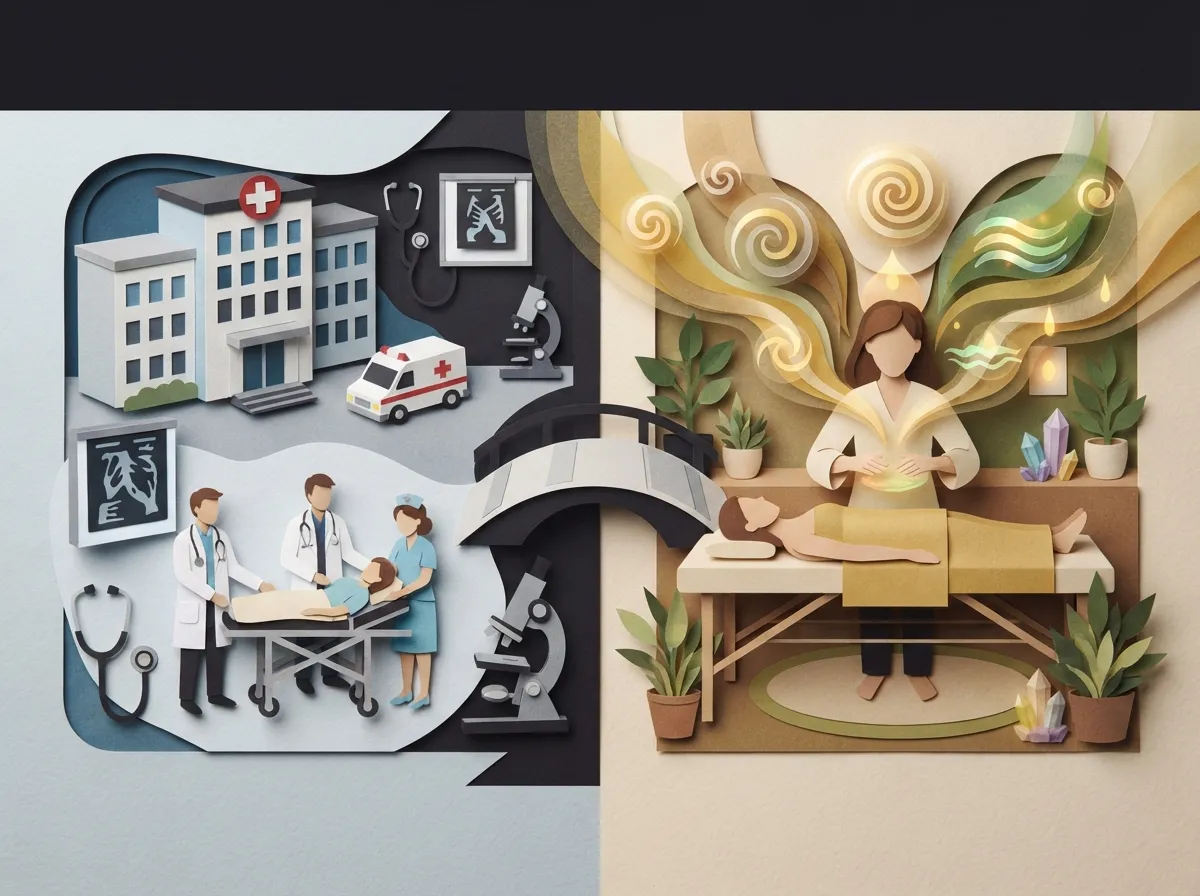
Reiki should not replace diagnosis, prescribed medication, surgery, psychotherapy, or any other conventional care. If you have symptoms that worry you, a doctor or other licensed provider is the right first stop.
Think of it this way. Your medical team looks for the cause of a problem and treats it. Reiki, at its best, offers quiet time, gentle touch, and a calm mind. Those are lovely things. They are just not the same as treating an illness.
Here is what Reiki is not meant to do:
- Diagnose a health condition
- Cure or treat a disease
- Replace prescribed medication
- Stand in for surgery, physical therapy, or counseling
- Be a reason to skip a check-up or delay care
The biggest risk with Reiki is not the session itself. It is the chance that someone might put off effective care because they hope Reiki will be enough. That is why we always encourage clients to keep their doctor in the loop.
What Is Reiki, Exactly?
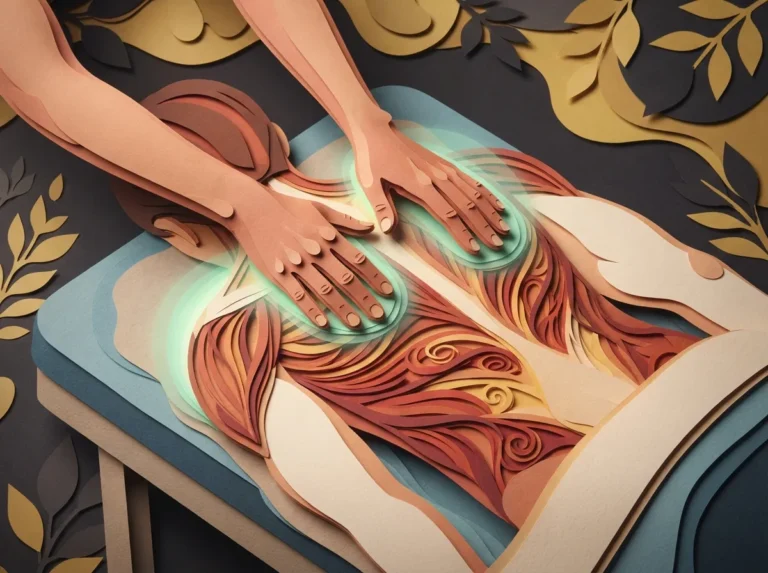
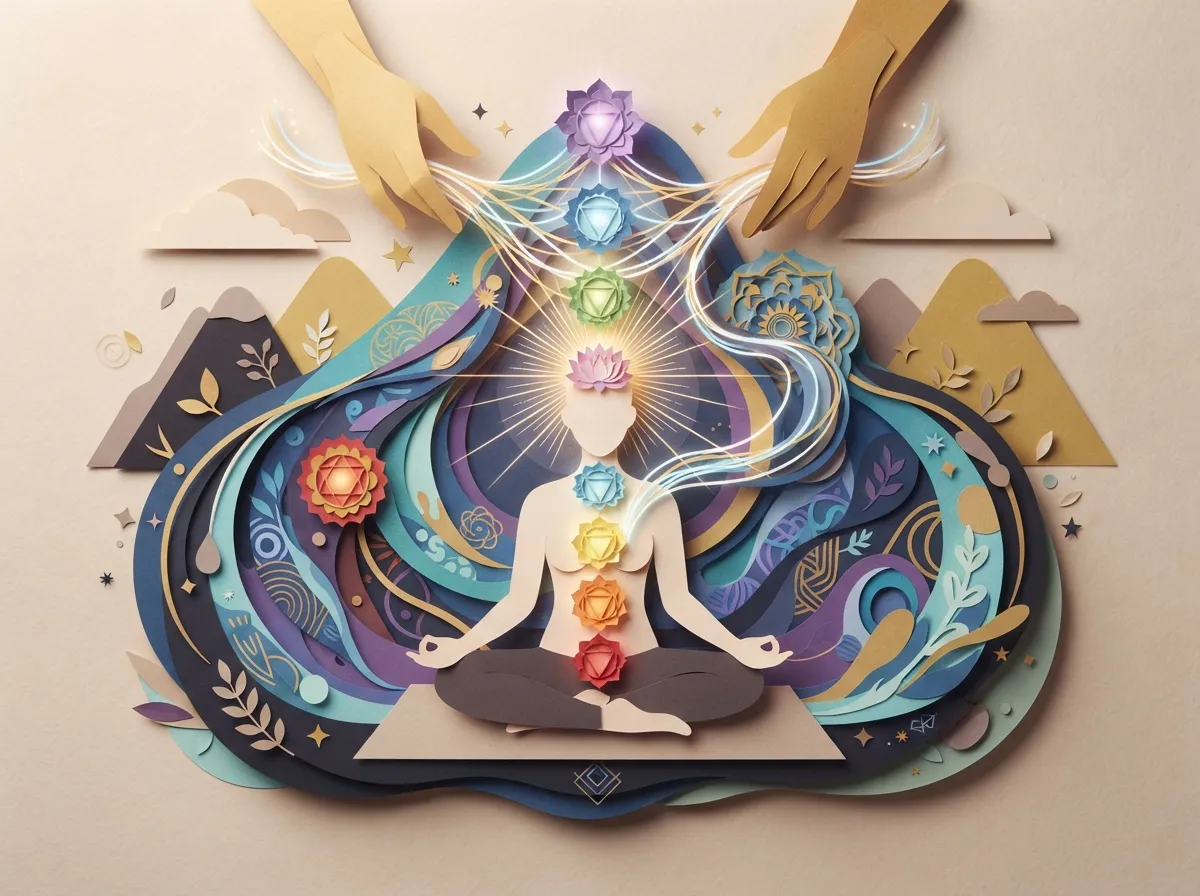
Reiki is a form of energy-based wellness practice that began in Japan in the late 1800s. It was developed by Mikao Usui. During a session, a practitioner places their hands lightly on, or just above, your body. The idea behind the practice is that a “life force energy” flows through us, and that when it runs low, we may feel stressed or unwell.
That is the traditional belief. It is worth being clear about one thing, though. The U.S. National Center for Complementary and Integrative Health (NCCIH) notes that there is no scientific evidence for the energy field that Reiki is said to work through. You can read more in the NCCIH overview of Reiki.
So why do so many people enjoy it? For many, a session simply feels like deep rest. You lie comfortably, the room is quiet, and someone offers you calm, focused attention. If you would like to learn more about the practice itself, see what Reiki healing is and how it works, or take a quick look at the Reiki Healing overview on Wikipedia.
What Does the Research Say About Reiki?
This is where it helps to stay curious and honest. Researchers have studied Reiki for things like anxiety, pain, and quality of life. The results so far are mixed, and many studies have been small or limited in quality.
Here is a snapshot of what recent reviews have found:
| Study | What It Looked At | What It Found |
|---|---|---|
| 2025 meta-analysis (11 trials, 661 people) | Quality of life | A small improvement (SMD 0.28); authors called for better trials |
| 2024 meta-analysis (824 adults) | Anxiety | A reduction in anxiety (SMD −0.82); does not show Reiki can replace treatment |
| 2018 pain meta-analysis (4 trials, 212 people) | Pain | Imprecise result; confidence interval crossed zero effect |
| Earlier systematic review (12 trials) | General effectiveness | 11 of 12 trials rated poor quality; no firm conclusion possible |
What does this tell us? Some studies hint at short-term benefits, like feeling less anxious or a little better overall. But the evidence is not strong enough to say Reiki treats a disease. The NCCIH states that Reiki has not been clearly shown to be effective for any health-related purpose. You can browse one of the recent studies in this meta-analysis on Reiki and quality of life.
If you want a deeper, balanced take, we also wrote about Reiki versus placebo and what research says about Reiki’s benefits.
Where Reiki Can Fit: A Calm Complement to Your Care
Just because Reiki cannot replace medical care does not mean it has no place. Many people use it as a relaxing extra. It is not a cure, but it can be a pleasant way to slow down.
Here are some ways people commonly enjoy Reiki alongside their regular care:
- Stress breaks: A quiet hour away from emails, deadlines, and noise
- Winding down: A gentle reset when your mind will not stop racing
- Self-care rituals: A regular moment of peace for wellness-minded folks
- Comfort during busy seasons: A calm pause when life feels heavy
At Luna Massage Studio, Reiki is offered as a supportive, relaxing service. It is meant to sit beside your medical care, never in place of it. Learn more about our approach on the Reiki Healing page.
Reiki vs. Massage Therapy: How They Differ
People often mix these two up, and that is understandable. Both can leave you feeling relaxed. But they are quite different in how they work.
| Feature | Reiki | Massage Therapy |
|---|---|---|
| Touch | Very light or no touch | Hands-on muscle and tissue work |
| Focus | Calm and a sense of well-being | Muscle tension, circulation, flexibility |
| Examples | Hands placed on or above the body | Deep tissue, Swedish, sport, prenatal |
| Medical substitute? | No | No, but can support a care plan |
Massage works with the muscles and soft tissue you can feel. Reiki is more about stillness and calm. If you are curious which one suits you, our guide on Reiki versus massage breaks it down nicely. And if you want to see how they differ in more detail, read how Reiki healing differs from massage therapy.
Who Should Be Extra Careful?
Reiki is generally seen as low risk. Still, a few groups should talk with a healthcare provider before adding any complementary practice. That includes anyone who falls into these situations:
- You have a diagnosed health condition. Ask your doctor how a complementary practice fits with your care plan.
- You are pregnant. Check with your provider first. Massage also needs special modifications, which is why prenatal massage is done by trained therapists.
- You have had recent surgery. Your body needs proper medical follow-up, and some massage techniques may not be safe yet.
- You have new, unexplained, or worsening symptoms. Please see a healthcare professional promptly.
Even when Reiki itself is light or no-touch, any massage in the same visit may need adjustments. A good therapist will always ask about your health history and tailor your session. Curious about safety? Our article on how to tell if Reiki is safe for you goes into more detail.
How Different Clients Might Use Reiki Wisely
Everyone comes to the studio for different reasons. Here is how a few common groups might think about Reiki as a gentle add-on, not a replacement.
Busy Professionals
If your days are packed and your mind never shuts off, a quiet evening session can feel like hitting a reset button. It is a nice complement to stress management. If you are dealing with constant worry or burnout, though, a doctor or counselor can offer real support.
Expecting Mothers
Pregnancy brings plenty of aches and big feelings. Reiki may offer a peaceful pause. Always check with your prenatal provider first, and choose a therapist who understands pregnancy care.
Athletes and Active Adults
For muscle soreness and recovery, hands-on work such as sport massage or deep tissue massage is usually the better fit. If you have an injury that does not improve, see a medical professional.
Seniors with Chronic Pain
Ongoing joint pain or stiffness deserves a proper medical plan. Massage may help you feel looser and more comfortable. Read more in can massage help with chronic pain. Keep your care team informed about anything you try.
Wellness-Focused Individuals
If self-care is a big part of your lifestyle, Reiki and massage can be lovely parts of your routine. Just remember they work best next to regular check-ups, good sleep, movement, and medical guidance.
What to Expect During a Reiki Session
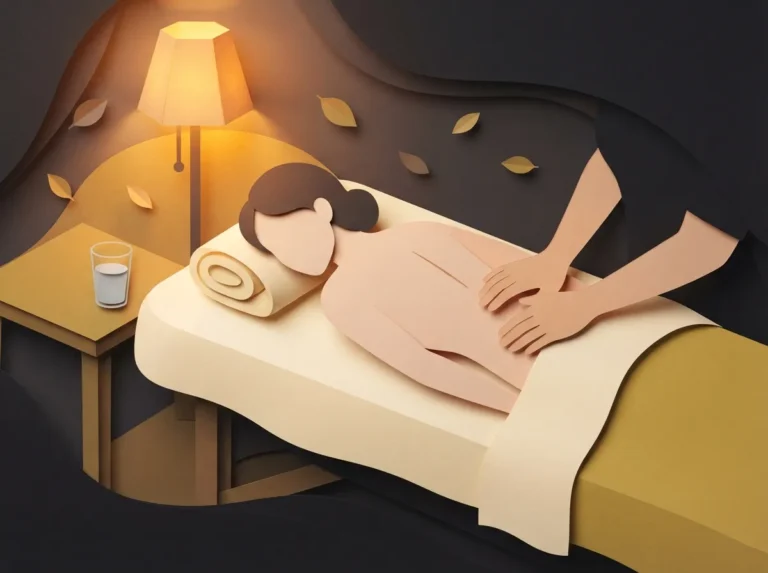
If you have never tried Reiki, here is a simple picture of what usually happens. It is calm, quiet, and very low pressure.
- A short chat. Your practitioner asks how you are feeling and what you hope to get from the visit.
- You get comfortable. You lie down, fully clothed, on a table.
- Light touch or no touch. Hands rest gently on or just above your body.
- Quiet time. Many people relax deeply, and some even doze off.
- A gentle finish. You take a moment to come back and sip some water.
Sessions are offered as a calming wellness service, and a responsible practitioner will not diagnose, promise results, or tell you to change your medical treatment. For a full walk-through, see what to expect in a Reiki massage session.
How to Use Reiki Safely Alongside Medical Care
Want to enjoy Reiki without any worry? A few simple habits make all the difference:
- Tell your doctor. Let your healthcare provider know about any complementary services you use.
- Keep your appointments. Never skip check-ups, tests, or treatments to make room for Reiki.
- Stay on your medication. Do not stop or change anything without your doctor’s guidance.
- Ask questions. A good practitioner welcomes your questions and shares their training openly.
- Watch for red flags. Be cautious of anyone who promises a cure or tells you to avoid medical care.
It also helps to work with someone who is clear about their role. If you are not sure who does what, our article on Reiki master versus massage therapist can help you sort it out.
Finding Calm the Right Way in Falls Church
If you are in the Falls Church area and want a relaxing, honest approach to wellness, we would love to help. At Luna Massage Studio, we offer Reiki healing, plus massage options like Swedish, deep tissue, sport, and prenatal. You can also add aromatherapy at no cost to any massage, and add-ons like Gua Sha or cupping for a little extra care.
Not sure where to begin? Our guide to Reiki healing versus massage can point you in the right direction. And you can visit us on Google — Luna Massage Studio to see what our clients say, or peek at our reviews on Yelp and stay in touch on Instagram.
The Bottom Line
So, can Reiki replace conventional medical treatment? No. It is best seen as a gentle, relaxing extra, not a stand-in for the care a licensed health professional provides. Research shows some small, short-term benefits for things like anxiety and well-being, but it does not show that Reiki treats disease.
The good news is that you do not have to choose. You can see your doctor, follow your care plan, and also treat yourself to a peaceful Reiki or massage session when you need a breather. That balanced approach is what we believe in at the studio.
Ready to unwind? Book your relaxing session now, or get in touch with our team with any questions. You can also reach us by phone at 703-254-0422. We would be happy to help you find the right fit.
FAQs
Q: Can Reiki replace medication or medical treatment?
A: No, and we want to be really clear about that. Reiki should never replace prescribed medication, surgery, therapy, or any care from a licensed provider. It works best as a calming extra, and it is always a good idea to talk with your doctor before changing any part of your treatment.
Q: Is Reiki scientifically proven to treat illness?
A: Not at this time. The NCCIH says Reiki has not been clearly shown to be effective for any health-related purpose, and studies so far have been limited and inconsistent. Some small reviews suggest short-term benefits for anxiety or well-being, but that is not the same as treating a disease.
Q: Is Reiki safe to use alongside conventional medical care?
A: Reiki is generally considered low risk, which is one reason many people enjoy it as a complement to their care. The main concern is delaying or skipping effective treatment, so keep your appointments and let your doctor know about any wellness services you try.
Q: Should I tell my doctor I am receiving Reiki?
A: Yes, it is a great habit! Sharing what you are doing helps your healthcare team see the full picture of your wellness routine. This matters even more if you are pregnant, recovering from surgery, or managing a health condition.
Q: Can a massage therapist offer Reiki during a session?
A: Yes, many studios offer Reiki as an optional relaxation service, subject to training, local rules, and your informed consent. At Luna Massage Studio, Reiki is offered as its own calming service, and a good practitioner will never diagnose conditions or promise outcomes.
Our Service Area