Key Takeaways
-
A 2024 NIH review of 129 systematic reviews found that all 7 conclusions rated as moderate-certainty evidence showed massage was associated with beneficial pain outcomes, providing strong scientific support for pain relief.
-
Deep tissue massage using slow, firm pressure targets chronic muscle pain, back pain, and neck stiffness by reaching deeper muscle layers, while Swedish massage works better for mild to moderate stress-driven pain.
-
During massage, your body releases endorphins and serotonin, increases blood flow to flush waste products, decreases muscle guarding, and lowers cortisol levels—all of which reduce pain signals and the pain cycle.
-
Chronic pain management requires consistent sessions every 2-4 weeks, while acute injuries need every 1-2 weeks initially; a single session feels good but lasting results demand a regular wellness plan.
-
Enhance massage results by adding cupping ($35/15 min) to release deep tension, gua sha to reduce inflammation, or free aromatherapy with lavender and eucalyptus to support healing.
-
Therapeutic massage does not need to hurt to be effective; communicate your pressure preferences with your therapist, and drink plenty of water afterward to help flush out toxins released during the session.
Pain is exhausting. Whether it’s a nagging ache in your lower back, tight shoulders from hours at a desk, or sore muscles after a hard workout, living with discomfort day after day wears you down. The good news? A pain relief massage can make a real difference — and the science backs it up.
More than 50 million Americans live with chronic pain, according to the CDC. That’s a staggering number of people who deserve relief. Massage therapy is one of the most effective, natural, and enjoyable ways to manage pain — without relying solely on medication. In this guide, we’ll walk you through how it works, which massage types help most, and what you can expect from your first session.
What Happens in Your Body During a Pain Relief Massage?
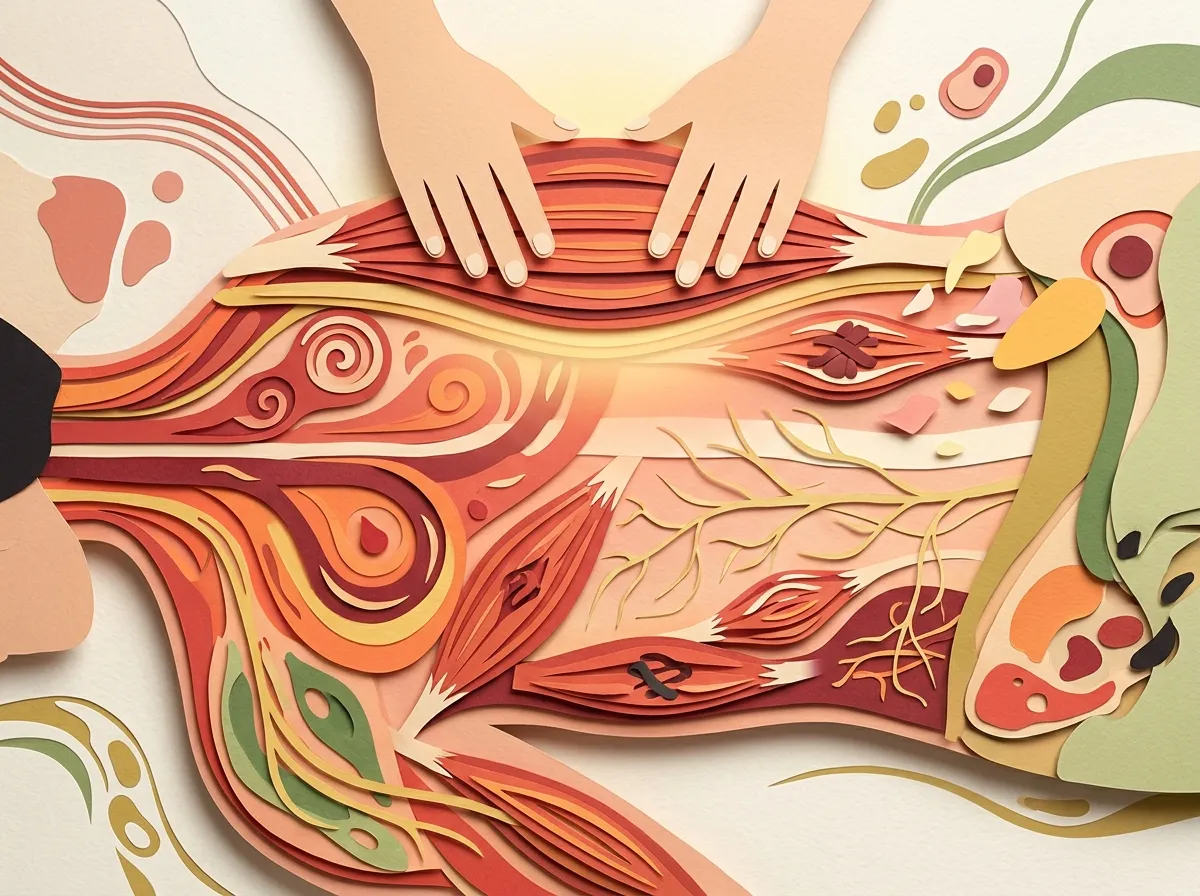
You might wonder — how does rubbing muscles actually reduce pain? The answer is more interesting than you’d think. When a skilled therapist works on your soft tissues, several helpful things happen at once.
- Blood flow increases: More circulation means more oxygen reaches sore muscles and helps flush out waste products that cause pain.
- Muscle guarding decreases: Tense muscles that “guard” an injured area begin to relax, which often reduces the pain cycle.
- Natural pain modulators activate: Your body releases endorphins and serotonin — feel-good chemicals that naturally reduce pain signals.
- Stress hormones drop: Cortisol levels fall during massage, which matters because stress makes pain feel worse.
- Range of motion improves: Looser muscles and connective tissue mean you can move more freely and with less discomfort.
The American Massage Therapy Association (AMTA) notes that massage therapy is supported by research for pain relief and is increasingly used in integrative health care settings. A major 2024 NIH review examined 129 systematic reviews on massage for pain — and found that all 7 conclusions rated as moderate-certainty evidence showed massage was associated with beneficial pain outcomes. That’s encouraging news for anyone exploring natural pain management options.

Which Types of Massage Work Best for Pain?
Not every massage is designed the same way. Some are built for pure relaxation. Others go deep to address the root of muscle pain. Here’s a look at the most common pain-focused massage styles.
Deep Tissue Massage
This is often the go-to choice for chronic muscle pain. Deep tissue massage uses slow, firm pressure to reach deeper muscle layers and connective tissue. It’s especially helpful for back pain, neck stiffness, and stubborn knots. If you’ve been dealing with pain for weeks or months, this modality can offer significant relief. You can also explore 11 reasons deep tissue massage therapy changes your life to understand why so many people swear by it.
Swedish Massage
Swedish massage uses long, flowing strokes and gentle kneading to improve circulation and ease tension. While it’s known as a relaxation massage, it’s also effective for mild to moderate pain — especially pain driven by stress and muscle tightness. It’s a wonderful starting point for anyone new to massage therapy.
Sports Massage
Designed for active bodies, sports massage combines techniques to reduce muscle soreness, prevent injury, and speed up recovery. Athletes and regular gym-goers benefit greatly from this focused approach. Check out these 8 sports massage benefits that transform athletic recovery to see how it can elevate your training.
Trigger Point Therapy
Trigger points are tight spots within muscle fibers that cause pain both locally and in other areas of the body. Focused pressure on these spots can release the knot and reduce referred pain. Learn more about trigger point massage for muscle knots and pain and how this targeted approach delivers lasting relief.
Myofascial Release
Fascia is the connective tissue that wraps around your muscles. When it tightens, it can cause widespread pain and stiffness. Myofascial release gently stretches and softens this tissue. Curious how it works? Read more about myofascial release and why it helps.
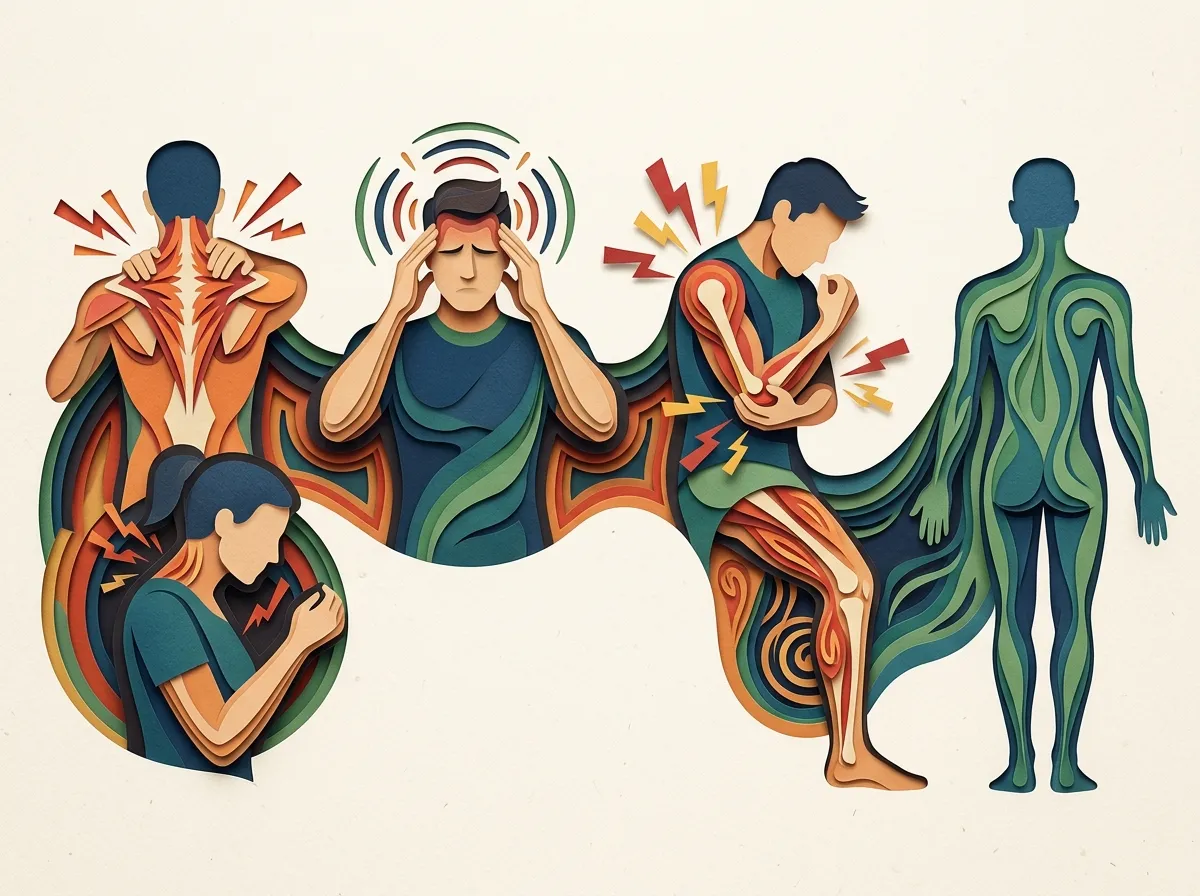
Pain Conditions That Massage Therapy Can Help
Massage therapy isn’t a one-size-fits-all fix, but it has been studied for a wide range of pain conditions. Here’s a helpful overview of where the research and clinical experience point to positive outcomes.
| Pain Condition | Helpful Massage Type | Key Benefit |
|---|---|---|
| Lower Back Pain | Deep Tissue, Swedish | Reduces muscle tension and stiffness |
| Neck Pain | Deep Tissue, Trigger Point | Releases tight muscles and knots |
| Shoulder Pain | Deep Tissue, Myofascial Release | Improves range of motion |
| Tension Headaches | Swedish, Trigger Point | Relieves scalp and neck tension |
| Sports Injuries | Sports Massage | Speeds up recovery, reduces soreness |
| Arthritis / Joint Pain | Swedish, Gentle Deep Tissue | Improves circulation and flexibility |
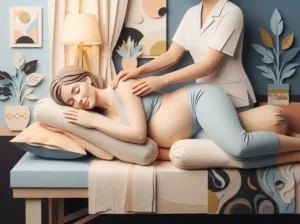
| Pregnancy Discomfort | Prenatal Massage | Eases back pain and swelling |
| Chronic Muscle Pain | Deep Tissue, Myofascial Release | Reduces ongoing tension and pain cycles |
Harvard Health research also highlights that massage has been studied for pain in the back, hands, neck, and knees — which covers the most common areas people seek treatment for. If you’re wondering can massage help with chronic pain, the answer is often yes — when used as part of a consistent wellness plan.

Pain Relief Massage Pricing at Luna Massage Studio
At Luna Massage Studio in Falls Church, VA, you’ll find a full range of pain relief massage services at transparent, straightforward prices. Here’s what to expect.
| Service | 60 Min | 75 Min | 90 Min |
|---|---|---|---|
| Deep Tissue Massage | $125 | $145 | $165 |
| Swedish Massage | $125 | $145 | $165 |
| Sport Massage | $125 | $145 | $165 |
| Prenatal Massage | $125 | $145 | $165 |
| Reiki Healing | $125 (flat rate) | ||
You can also enhance your pain relief massage with powerful add-on treatments like Gua Sha or Cupping for just $35 each (15 minutes). These ancient techniques complement your massage by targeting deeper tension and inflammation. Aromatherapy is available free of charge when added to any session.
How to Boost Your Results with Add-On Treatments
Sometimes a massage alone is just the beginning. Pairing your session with the right add-ons can amplify your pain relief. Here are three popular options worth considering.
- Cupping: Suction cups create negative pressure on the skin, releasing deep tension and improving blood flow. It’s a form of deep-tissue work that many people find incredibly effective. Learn more about what cupping therapy is and how it can help you.
- Gua Sha: This ancient scraping technique breaks up stagnant energy and tight tissue just beneath the skin. It’s been used for thousands of years to relieve muscle aches and reduce inflammation. Explore Gua Sha massage therapy for modern pain relief to see if it’s right for you.
- Aromatherapy: Essential oils like lavender and eucalyptus enhance relaxation and can help reduce tension-driven pain. The best part? It’s a free add-on at Luna. Read about aromatherapy massage to understand how scent supports your healing.
How Often Should You Get a Pain Relief Massage?
Frequency matters. A single massage feels wonderful, but consistent sessions deliver the most lasting results. Here’s a simple guide to help you plan.
| Your Situation | Recommended Frequency | Goal |
|---|---|---|
| Acute injury or flare-up | Every 1-2 weeks initially | Reduce inflammation and pain quickly |
| Chronic pain management | Every 2-4 weeks | Maintain relief and prevent tension buildup |
| Active athlete / heavy training | Every 1-2 weeks | Speed up recovery and prevent injury |
| General wellness and prevention | Once a month | Keep muscles loose and stress low |
| Pregnancy discomfort | Every 2-4 weeks (second/third trimester) | Ease aches and promote relaxation |
Your therapist will help you build a realistic schedule based on your specific needs and goals. Don’t hesitate to reach out to us at Luna Massage Studio to talk through what frequency makes sense for your situation.
What to Expect During Your First Pain Relief Massage Session
First-time clients sometimes feel nervous — and that’s completely normal! Here’s a step-by-step look at what to expect so you feel confident walking in.
- Intake conversation: Your therapist will ask about your pain areas, health history, and goals. Be honest — the more they know, the better they can help.
- Pressure check-in: You’ll discuss your pressure preferences. Remember: therapeutic massage does NOT need to hurt to be effective. Many people find medium pressure just as beneficial as intense work.
- The session: You’ll lie comfortably on a padded table, draped with a sheet. Only the area being worked on is uncovered. Your therapist will use professional techniques suited to your needs.
- Post-session check-in: You’ll have a moment to share feedback and get recommendations for future sessions or at-home care.
- Hydration reminder: Drink plenty of water afterward. This helps your body flush out toxins released during the massage.
If you’re not sure which style to book first, check out what massage therapy services are available and which one is right for you. You can also read through our genuine client reviews to hear from real people who’ve experienced the difference firsthand.
Is Pain Relief Massage Safe for Everyone?
Massage is safe for most people — but some situations require care. Here are a few important considerations.
- Certain medical conditions: If you have blood clots, active skin infections, or recent surgery, let your therapist know before booking.
- Pregnancy: Prenatal massage is safe and highly beneficial, but it requires a trained therapist. Learn more about prenatal massage and the specialized techniques used.
- Osteoporosis or fragile bones: Lighter pressure and modified techniques are used for clients with bone density issues.
- Chronic health conditions: Always get clearance from your healthcare provider if you’re managing a complex medical condition.
- Open wounds or inflammation: Areas with active inflammation, bruising, or open skin should be avoided during massage.
At Luna Massage Studio, our therapists take your safety seriously. We customize every session to meet you where you are — whatever your age, condition, or comfort level. You can also explore Reiki healing as a gentle, non-invasive complement to massage therapy — especially helpful if physical pressure isn’t suitable for you. Reiki Healing originated in Japan and works by supporting the body’s natural energy flow, promoting relaxation without physical manipulation.
Why Choose Luna Massage Studio for Pain Relief?
Luna Massage Studio in Falls Church, VA brings together expert therapists, a full menu of pain-focused services, and a welcoming atmosphere that makes every visit feel restorative. Whether you’re a busy professional carrying stress in your shoulders, an athlete recovering from training, a senior managing arthritis, or a mom-to-be dealing with back pain — there’s a session designed just for you.
Check out what clients are saying on our Luna Massage Studio Yelp page and follow our journey on Instagram for tips, promotions, and behind-the-scenes wellness content. You can also visit us on Google — Luna Massage Studio to find directions, hours, and read more reviews from our happy clients.
Start Your Pain Relief Journey Today
Living with pain doesn’t have to be your normal. A consistent pain relief massage practice can help you move better, sleep deeper, and feel like yourself again. The research supports it. The experience confirms it. And the first step is easier than you think.
Ready to feel the difference? Schedule your pain relief massage session today and let our expert team at Luna Massage Studio guide you toward lasting comfort and wellness. You deserve it.
FAQs
Q: What type of massage is best for pain relief?
A: It really depends on your specific pain! Deep tissue massage works great for chronic muscle tension and back pain, while Swedish massage helps with stress-driven aches. Sports massage is ideal for active individuals, and trigger point therapy targets stubborn knots. Your therapist can help you choose the best fit during your intake conversation.
Q: Does pain relief massage hurt?
A: Good news — therapeutic massage does NOT need to hurt to be effective! You may feel some pressure or mild discomfort in very tight areas, but your therapist will always check in and adjust. Communication is key, so always let them know if something doesn’t feel right.
Q: How often should I get a pain relief massage?
A: For chronic pain, every 2–4 weeks is a great starting point. If you’re recovering from an injury or managing heavy physical activity, weekly sessions may work better. Once your pain settles down, monthly sessions can help you stay feeling great and prevent tension from building back up.
Q: Can massage therapy help with lower back pain or neck pain?
A: Absolutely! Lower back pain and neck pain are two of the most common reasons people seek pain relief massage — and research consistently supports massage as a helpful complementary treatment for both. Deep tissue and trigger point techniques in particular are well-suited for these areas.
Q: Is massage therapy safe for seniors with chronic pain?
A: Yes, massage therapy is generally safe and very beneficial for older adults dealing with arthritis, stiffness, or chronic pain. Therapists use lighter pressure and modified techniques to ensure comfort and safety. Just let your therapist know about any health conditions beforehand so they can tailor your session perfectly.