Key Takeaways
-
Aim for 5-7 pressure intensity on a 10-point pain scale when self-massaging — firm enough to feel it, but not so intense you wince or hold your breath.
-
Tennis ball and foam roller techniques are the easiest and safest starting options; use a tennis ball for targeted spots (30-60 seconds) and foam roller for broad muscle release along muscles beside the spine.
-
Self-massage two to three times weekly is ideal; daily gentle techniques are fine, but aggressive pressure needs recovery time between sessions.
-
Stop immediately and seek professional help if you experience sharp/shooting pain down legs, numbness, tingling, or worsening symptoms after massage.
-
Warm up muscles first with gentle movement or a warm shower before applying pressure to maximize effectiveness and safety.
-
Self-massage provides short-term relief and works best as part of a bigger wellness plan combining professional therapy, gentle exercise, and good posture habits for lasting results.
Lower back pain is one of the most common complaints people deal with every day. Whether you sit at a desk all day, train hard at the gym, carry a baby bump, or simply feel the wear of the years, that dull ache in your lower back can make everything harder. The good news? Self-massage for lower back pain is a simple, low-cost way to find some relief right at home — no special equipment required.
Think of self-massage as a helpful bridge between your professional massage appointments. It keeps your muscles feeling looser, reduces stiffness, and helps you manage symptoms between sessions. And the best part is that you can do it on your own schedule — even during a lunch break or before bed. Let’s walk through everything you need to know to get started safely and effectively.
What Causes Lower Back Pain in the First Place?
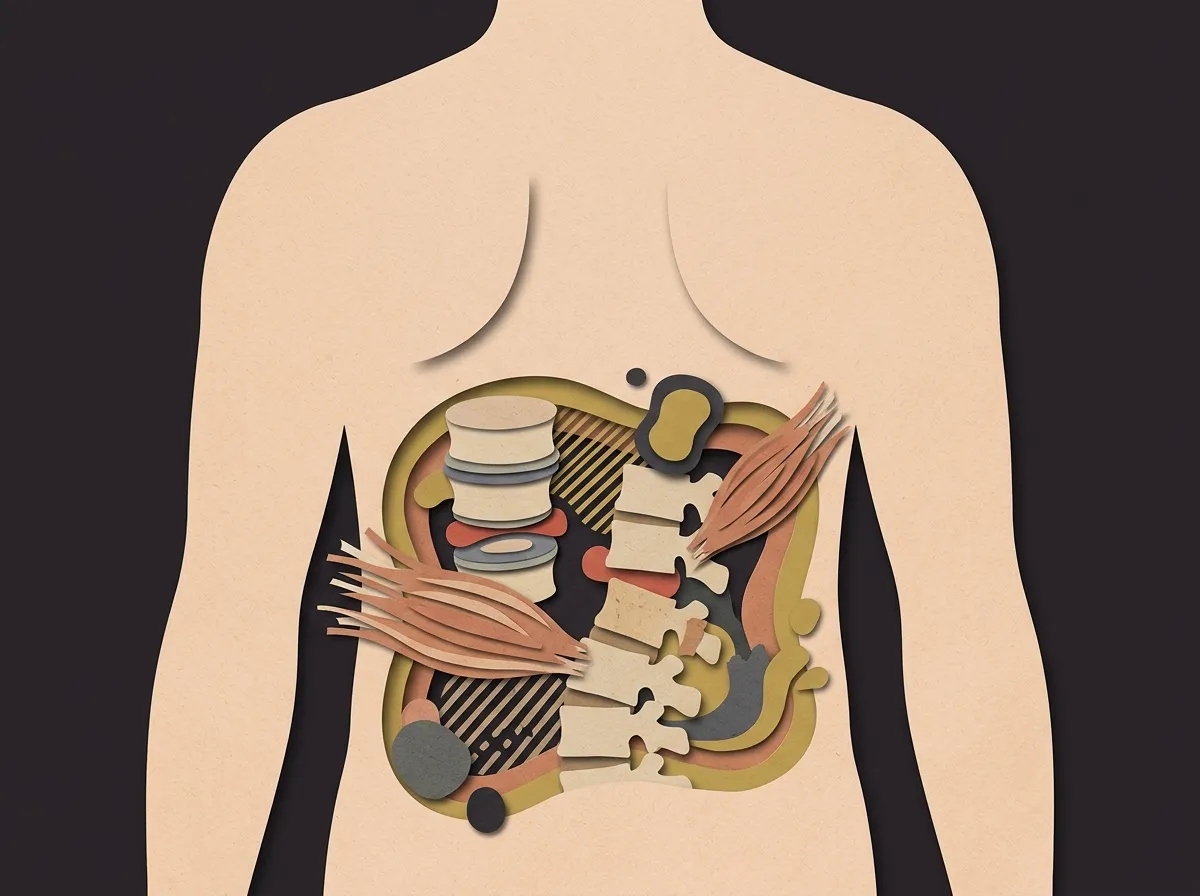
Before we dive into techniques, it helps to understand why your lower back hurts. Most lower back pain comes from tight or overworked muscles, poor posture, or stress that builds up in the body over time. For busy professionals who spend long hours seated, or athletes who push hard in training, those muscles can become stiff and tender quickly.
For pregnant women, the added weight and shifting posture during pregnancy puts extra strain on the lower back. Seniors often deal with stiffness from reduced mobility or arthritis. Understanding your specific situation helps you choose the right approach. You can also explore more about how massage therapy for back pain works to get a broader picture.
What Is Self-Massage for Lower Back Pain?
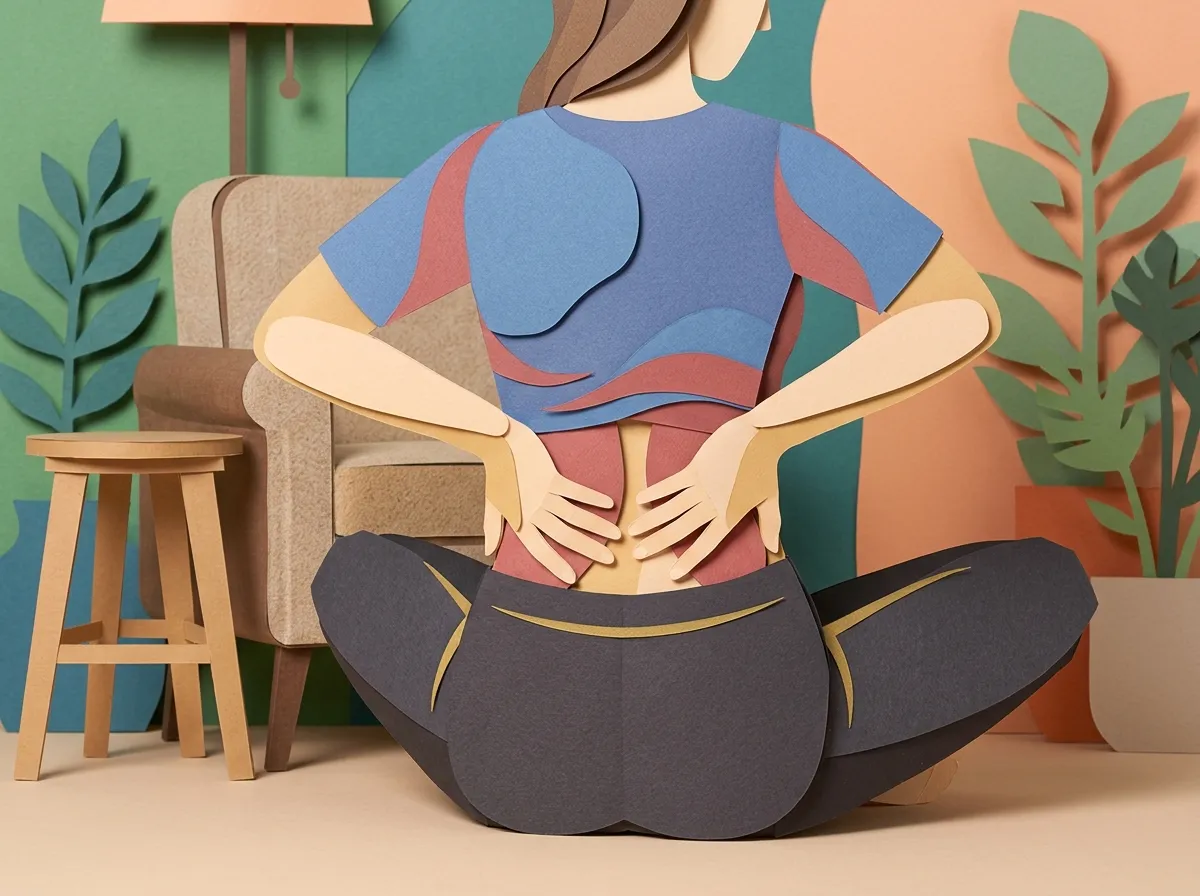
Self-massage is exactly what it sounds like — using your own hands, fingers, or simple tools to apply gentle pressure to tight muscles in your lower back. The goal is to reduce muscle tension, improve blood flow, and ease discomfort. It’s not a replacement for professional care, but it’s a great complement to it.
Common tools used for self-massage include:
- Your fingertips and thumbs
- A closed fist or elbow
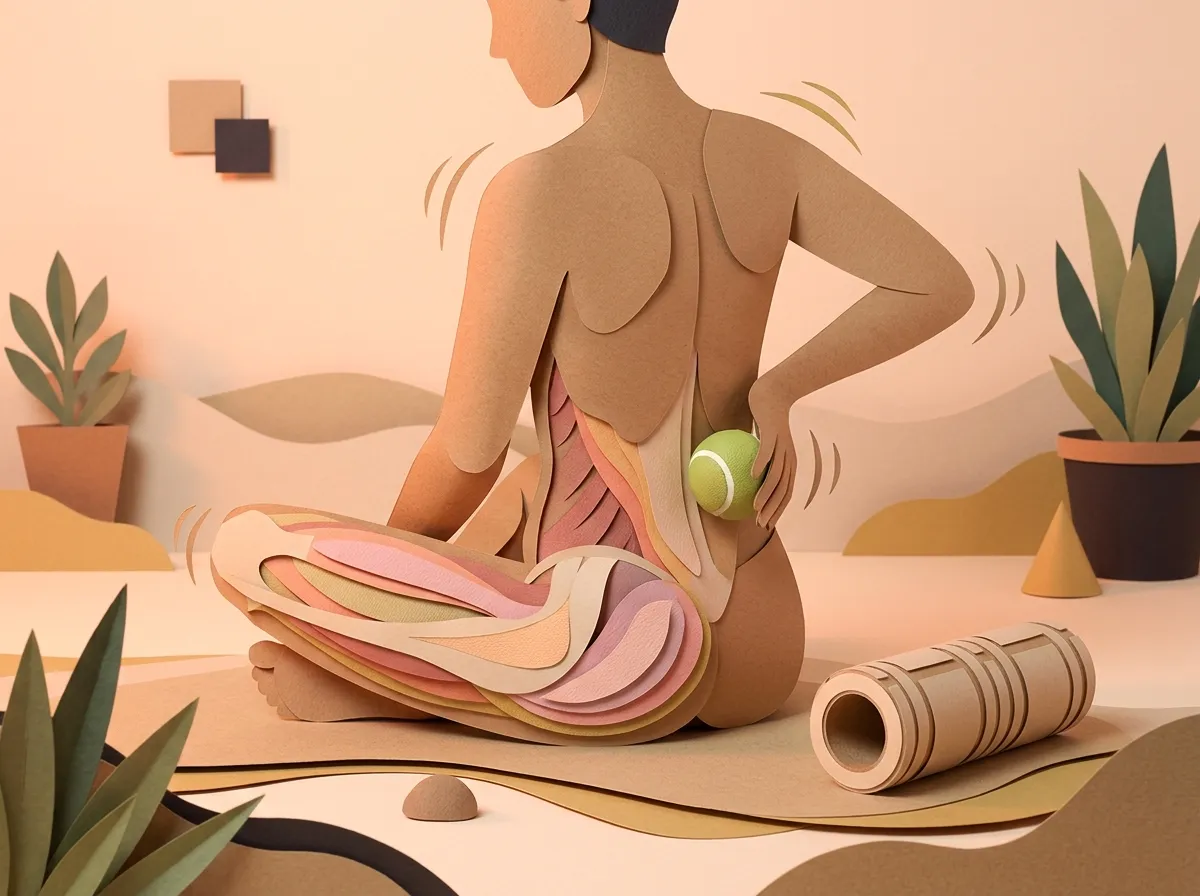
- A tennis ball or lacrosse ball
- A foam roller
Each tool gives you a slightly different kind of pressure and reach. For most people, starting with a tennis ball or foam roller is the easiest and safest option. If you’re curious about what professional techniques involve, check out this guide on deep tissue massage techniques at Luna Massage Studio.
How Much Pressure Should You Use?
This is one of the most important things to get right. Too little pressure won’t do much. Too much pressure can make things worse. A good rule of thumb is to aim for about a 5 to 7 on a 10-point pain scale — firm enough to feel it, but not so intense that you wince or hold your breath.
If you notice any sharp pain, tingling, or numbness, stop immediately. Those sensations can signal something more serious that needs professional attention. When in doubt, less is more — especially when you’re just getting started.
Top Self-Massage Techniques for Lower Back Relief
Here are some of the most effective methods you can try at home. Always warm up your muscles first with gentle movement or a warm shower before applying pressure.
1. Tennis Ball Massage
This is one of the most popular and accessible techniques. Place one or two tennis balls in a sock and lie on your back. Position the ball(s) under your lower back, away from the spine itself. Let your body weight apply gentle pressure, and slowly shift side to side to target tight spots.
- Lie flat on your back with knees bent.
- Place the tennis ball under one side of your lower back (not on the spine).
- Relax and breathe deeply, letting gravity do the work.
- Hold for 30 to 60 seconds on tight spots, then move the ball slightly.
- Switch sides and repeat.
2. Foam Roller Technique
A foam roller covers a larger surface area and is great for rolling out stiffness along the muscles beside your spine. Many athletes and gym-goers use this method regularly. Learn more about how this pairs with sport massage therapy for even better results.
- Sit on the floor with the foam roller behind you.
- Lower your lower back onto the roller, supporting yourself with your hands.
- Slowly roll up and down along the muscles on either side of your spine.
- Pause on tender spots for 20 to 30 seconds.
- Avoid rolling directly on the spine or tailbone.
3. Fingertip and Fist Massage
If you prefer a more hands-on approach, you can use your fingertips or a closed fist to reach around to your lower back. This works well for targeting specific tight spots or knots. For stubborn muscle knots, professional trigger point massage takes this approach much further.
- Stand or sit in a comfortable position.
- Reach around to your lower back with both hands.
- Use your fingertips or knuckles to apply firm circular pressure.
- Work along the muscles beside your spine from the hips upward.
- Breathe slowly and avoid pressing directly on the spine.
Self-Massage Technique Comparison Table
| Technique | Best For | Difficulty Level | Equipment Needed |
|---|---|---|---|
| Tennis Ball | Targeted pressure on specific spots | Easy | Tennis ball or lacrosse ball |
| Foam Roller | Broad muscle release along lower back | Easy to Moderate | Foam roller |
| Fingertip/Fist | Accessible spot treatment | Easy | None |
| Elbow Pressure | Deeper knot release | Moderate | None |
How Often Should You Do Self-Massage?
For most people, doing self-massage for lower back pain two to three times a week is a great starting point. Daily use is fine for gentle techniques, but more aggressive pressure should be spaced out to give your muscles time to recover. Think of it like exercise — consistency matters more than intensity.
Here’s a simple weekly schedule to consider:
| Day | Recommended Activity | Duration |
|---|---|---|
| Monday | Foam roller along lower back | 5–10 minutes |
| Wednesday | Tennis ball targeted release | 5–10 minutes |
| Friday | Fingertip massage + gentle stretching | 10–15 minutes |
| Weekend | Rest or light movement | As needed |
When Should You Avoid Self-Massage?
Self-massage is generally safe and low-risk, but there are times when you should skip it and seek professional guidance instead. Knowing when to pause is just as important as knowing the techniques themselves.
Avoid self-massage for lower back pain if you experience any of the following:
- Sharp or shooting pain down your legs
- Numbness or tingling in your feet
- Pain following a recent injury or accident
- Fever or unexplained swelling in the lower back
- Symptoms that worsen after massage
These signs may point to a deeper issue that requires professional evaluation. You can also read about whether massage can help with chronic pain to learn more about when professional care is the right call.
Self-Massage vs. Professional Massage: What’s the Difference?
Self-massage is a great tool, but it does have limits. Here’s a quick look at how it compares to what a licensed massage therapist can do for you.
| Feature | Self-Massage | Professional Massage |
|---|---|---|
| Cost | Free or low cost | Investment in professional care |
| Convenience | Anytime, anywhere | Scheduled appointment |
| Depth of treatment | Limited | Deep, thorough, targeted |
| Technique variety | Basic | Wide range (deep tissue, Swedish, etc.) |
| Personalization | Self-guided | Customized by a trained therapist |
| Safety | Requires care and knowledge | Supervised by a licensed professional |
If you’re dealing with persistent or worsening lower back pain, a professional session is always worth it. A licensed therapist can apply specialized techniques like deep tissue massage or Swedish massage that go far beyond what you can do on your own. You can also explore the best lower back pain massage types to find what suits you best.
Add-Ons That Boost Your Back Pain Relief
When you’re ready to take your relief to the next level, there are some wonderful add-on treatments that pair beautifully with massage therapy for lower back pain. At Luna Massage Studio in Falls Church, VA, you can enhance any massage session with:
- Cupping: Applies suction to release deep muscle tension and improve blood flow — a great complement to lower back work. Learn more about cupping therapy and how it can help you.
- Gua Sha: An ancient scraping technique that releases tension and toxic buildup from muscles. Discover more about Gua Sha massage therapy for modern pain.
- Aromatherapy: Added free to any session, essential oils can deepen relaxation and support pain relief. Explore the aromatherapy massage experience at Luna.
These add-ons are available for just $35 each (15 minutes) and can make a real difference in your recovery. You can follow Luna Massage Studio on Instagram to see real client experiences and stay updated on wellness tips.
Tips to Make Self-Massage More Effective
Getting the most out of your at-home routine comes down to a few simple habits. Keep these tips in mind every time you practice self-massage for lower back pain:
- Always warm up first with gentle movement, a warm shower, or a heating pad
- Breathe slowly and deeply throughout — this helps muscles relax
- Drink water after your session to support muscle recovery
- Combine self-massage with gentle stretching for better results
- Be consistent — regular short sessions beat occasional long ones
- Stop immediately if pain increases or spreads
Pairing self-massage with regular professional sessions gives you the best of both worlds. Many clients at Luna Massage Studio — visit us on Google find that their professional sessions feel even more effective when they’ve been keeping up with self-care at home. You can also read Luna Massage Studio reviews on Yelp to see what others are saying about their experience.
Does Self-Massage Really Work for Chronic Lower Back Pain?
Research on massage and lower back pain suggests that while massage can offer real relief, the benefits tend to be short-term. That’s not a reason to skip it — short-term relief is still relief! But it does mean that self-massage works best as part of a bigger wellness plan, not a one-time fix.
For people dealing with chronic lower back pain, combining self-massage with professional therapy, gentle exercise, and good posture habits creates a much stronger foundation for lasting comfort. If you want a deeper look, the article on why lower back massage therapy relieves pain is a great resource. You can also read about how chronic pain massage eases long-term discomfort for more guidance.
Ready to Take Your Relief Further?
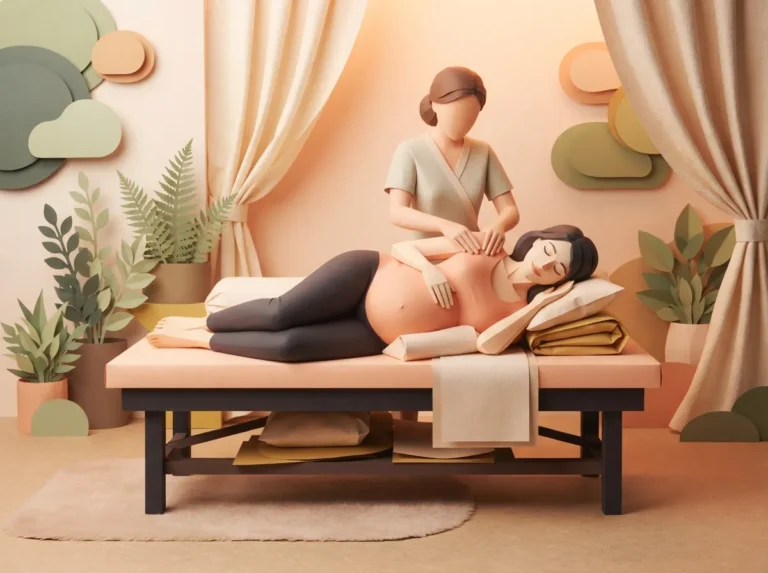
Self-massage for lower back pain is a wonderful daily habit — but there’s nothing quite like the skilled hands of a trained professional. Whether you need the targeted pressure of a deep tissue massage, the soothing flow of a Swedish massage, or a specialized treatment for pregnancy-related back pain with prenatal massage, Luna Massage Studio has you covered. Even holistic options like Reiki healing can support your body’s natural ability to recover and relax.
Your lower back deserves real care. Self-massage is a smart start, and professional massage therapy is the next powerful step. Schedule your massage session today and feel the difference that expert hands can make — your back will thank you!
FAQs
Q: What is the best self-massage technique for lower back pain?
A: The tennis ball technique is one of the easiest and most effective options! Simply place a tennis ball under your lower back (away from the spine), relax, and let your body weight apply gentle pressure to tight muscles. It’s a great starting point for anyone new to self-massage.
Q: Is it safe to use a foam roller on lower back pain?
A: Yes, foam rolling is generally safe for the lower back as long as you roll along the muscles beside your spine — never directly on it. Keep the pressure comfortable and roll slowly, pausing on any tender spots for 20 to 30 seconds. If anything feels sharp or painful, stop and check in with a professional.
Q: How often should I do self-massage for lower back pain?
A: Two to three times a week is a great place to start! Gentle techniques like fingertip massage can be done daily, but stronger pressure with a foam roller or tennis ball works best with a day of rest in between. Consistency is the key — short, regular sessions will serve you much better than one long occasional session.
Q: When should I see a professional instead of doing self-massage?
A: If you notice shooting pain down your legs, numbness, tingling, or symptoms that get worse after self-massage, it’s time to see a professional. These signs could point to something deeper that needs expert attention — and a licensed massage therapist can provide the targeted, personalized care you need.
Q: What is the difference between self-massage and professional massage for lower back pain?
A: Self-massage is a fantastic daily tool that helps you manage stiffness and tension at home between appointments. Professional massage goes much deeper — a licensed therapist can apply specialized techniques like deep tissue or Swedish massage, customize the treatment to your exact needs, and reach muscles that are nearly impossible to target on your own.