Key Takeaways
-
Clinical research shows two 30-minute massage sessions weekly for five weeks increased headache-free days, reduced pain, and boosted serotonin levels, which regulates pain signals in the brain.
-
Massage targets multiple migraine triggers simultaneously: reduces neck and shoulder tension, lowers stress hormones (cortisol), improves sleep quality, and releases trigger points that refer pain to the head.
-
Combine Swedish massage for relaxation with trigger point therapy and suboccipital muscle work (base of skull) for most effective migraine relief; lighter pressure is safer than deep pressure for migraine-prone clients.
-
Consistency matters more than frequency—even bi-weekly or monthly sessions prevent migraines when built into a routine, but avoid massage during active attacks unless your therapist has specialized training.
-
Massage works best as a complement to medical care, not a replacement; always inform your therapist about medications and migraine history before sessions to ensure safe, customized treatment.
-
Add-on treatments like aromatherapy with lavender or peppermint, gua sha, and cupping can enhance migraine relief when paired with massage therapy sessions.
If you have ever had a migraine, you know how debilitating it can be. The throbbing pain, light sensitivity, and nausea can stop your day completely. Many people are now turning to migraine relief massage as a natural way to ease their symptoms and reduce how often attacks happen. And the good news? Research supports it.
Massage therapy works on the muscle tension, stress, and sleep problems that often fuel migraines. Whether you are a busy professional in Falls Church dealing with stress-induced headaches or an athlete whose neck tension triggers attacks, massage may offer real, lasting relief. This guide walks you through how it works, what techniques help most, and how to make the most of your sessions.

What Does the Research Say About Migraine Relief Massage?
Massage therapy for migraines is not just anecdotal. Small but meaningful clinical studies back it up. One well-known randomized study assigned 26 adults with migraine to two 30-minute massage sessions per week for five weeks. The results were encouraging. You can also read more in our article on massage therapy for headaches: what really works.
The massage group reported more headache-free days, less pain, fewer sleep disturbances, and higher serotonin levels than the control group. Serotonin plays a key role in regulating pain, which may explain why massage helps some people feel better overall.
A separate small clinical report found that massage improved cervical range of motion and reduced migraine frequency in a patient with neck issues. A 2016 study also found that both traditional and lymphatic drainage massage reduced migraine frequency, with lymphatic massage linked to lower pain-reliever use.
It is worth noting that the American Headache Society has not officially included massage in its migraine treatment guidelines yet, as the overall research base is still growing. This means massage works best as a complement to your medical care, not a replacement. Think of it as a powerful support tool in your migraine management plan. For more on how massage addresses chronic discomfort, see our guide on can massage help with chronic pain.
Why Massage Helps With Migraines
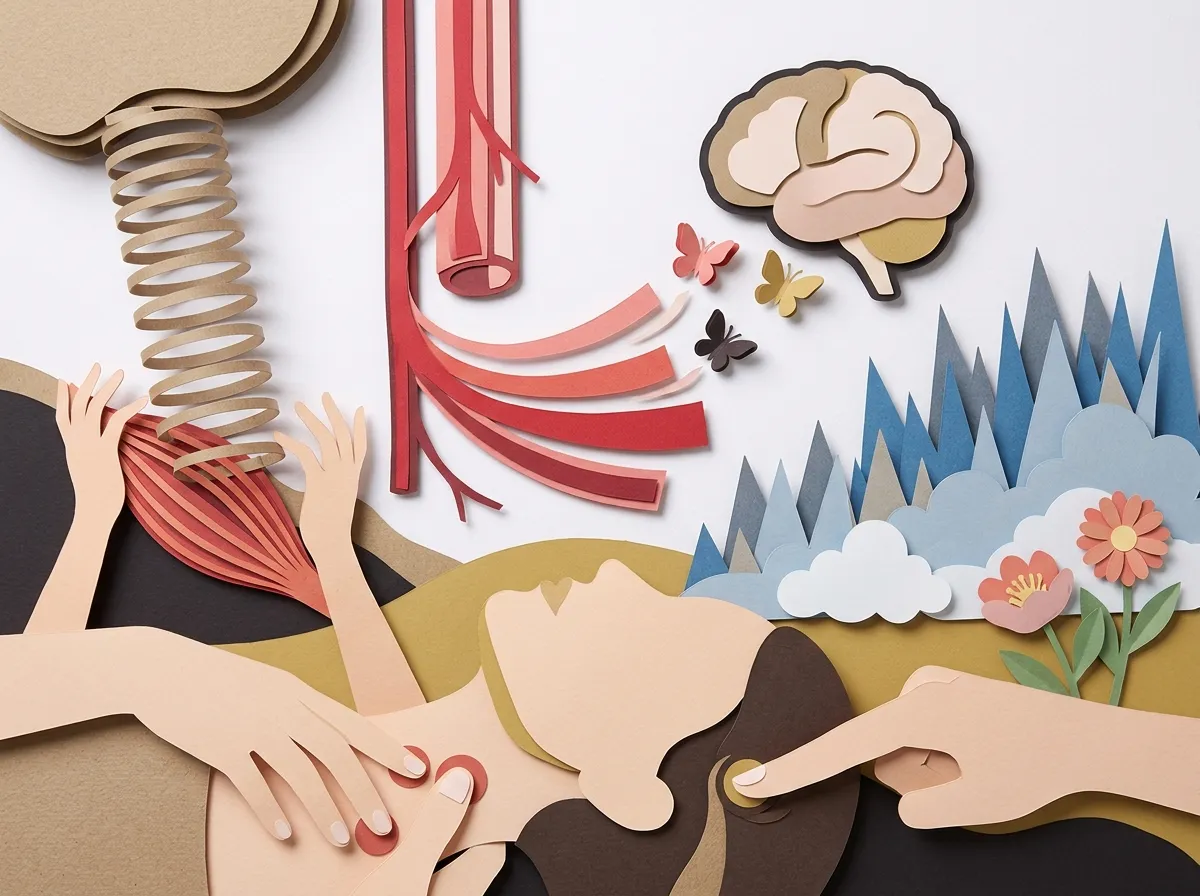
Migraines are complex. They are not just headaches. They involve your nervous system, blood flow, muscle tension, stress hormones, and sleep quality all at once. Massage targets several of these triggers at the same time.
- Reduces muscle tension in the neck, shoulders, jaw, and upper back
- Lowers cortisol levels, which reduces stress — a major migraine trigger
- Improves sleep quality, since poor sleep is closely tied to migraine frequency
- Boosts serotonin, which helps regulate pain signals in the brain
- Increases circulation in areas prone to tension that can trigger head pain
- Releases trigger points in muscles that refer pain to the head and face
For people whose migraines are worsened by stress, poor sleep, or tight muscles in the neck and shoulders, massage may be especially effective. Read more about how massage for stress relief actually works to understand the physiological process behind this.
Best Massage Techniques for Migraine Relief
Not all massage techniques are created equal when it comes to migraine relief. Here is a quick comparison of the most commonly used approaches:
| Technique | Focus Area | Best For | Pressure Level |
|---|---|---|---|
| Swedish Massage | Full body, neck, shoulders | Stress relief, relaxation, sleep improvement | Light to medium |
| Deep Tissue Massage | Neck, upper back, suboccipital muscles | Chronic tension, muscle knots, pain reduction | Medium to firm |
| Trigger Point Therapy | Specific muscle trigger points | Referred pain to the head and face | Targeted pressure |
| Lymphatic Drainage | Head, neck, lymph nodes | Reducing pain-reliever use, decreasing inflammation | Very light |
A skilled therapist will often combine these techniques in one session. For example, they might use Swedish massage strokes to warm up the tissue and then move into targeted trigger point work on the neck and suboccipital area. Learn more about trigger point massage for muscle knots and pain.
Step-by-Step: What to Expect During a Migraine Relief Massage
Knowing what to expect can help you relax and get more from your session. Here is how a typical migraine-focused massage session unfolds:
- Intake and screening: Your therapist will ask about your migraine history, current symptoms, medications, and any red flags. This is essential for your safety and for customizing the session.
- Positioning and comfort setup: You will be positioned comfortably, often face-up or face-down depending on the focus areas. Bolsters and blankets keep you supported.
- Neck and shoulder work: Your therapist begins with the upper traps, shoulders, and neck — areas where tension commonly contributes to migraine pain.
- Suboccipital release: The muscles at the base of your skull (suboccipital muscles) are gently worked. This is a key area for headache and migraine relief.
- Scalp and jaw work: Light, soothing work on the scalp and jaw muscles can help release tension that radiates to the head.
- Full-body relaxation: Finishing with broader relaxation strokes helps calm your nervous system and integrate the deeper work done earlier.
If you want to explore deep tissue massage for your neck and shoulder tension, or prefer a gentler approach with Swedish massage, talking to your therapist helps them tailor the session to your needs.
How Often Should You Get Massage for Migraines?
Consistency matters. The study that showed the best results used two 30-minute sessions per week for five weeks. In real life, that may not always be possible — but even regular monthly or bi-weekly sessions can make a difference over time.
| Frequency | Ideal For | Expected Benefit Timeline |
|---|---|---|
| Twice weekly | Acute relief, high-frequency migraines | 2–5 weeks |
| Once weekly | Moderate migraine frequency, stress management | 4–8 weeks |
| Every two weeks | Maintenance, mild migraine history | 6–12 weeks |
| Monthly | Preventive wellness, general tension relief | Ongoing benefit |
The key is to build massage into your routine rather than booking only when a migraine hits. Prevention is more effective than rescue. Check out 9 relaxation massage benefits you need to know in 2026 to see why regular sessions are worth the investment.
Can Massage Make a Migraine Worse?
This is a fair and important question. In some cases, massage can occasionally trigger headache symptoms, especially if too much pressure is used or if the person is already mid-attack. Here are a few things to keep in mind:
- Avoid booking a massage during an active migraine attack unless your therapist has specific training in treating acute migraines
- Let your therapist know your current symptom level before the session starts
- Lighter pressure is generally safer and often more effective for migraine-prone clients
- Stay hydrated before and after your session to reduce post-massage discomfort
- If a session leaves you feeling worse, discuss technique adjustments with your therapist
A great therapist will always screen you thoroughly before getting started. If you want to know more about what a licensed massage therapist can do for you, that article breaks down their full scope of care.
Add-Ons That May Enhance Migraine Relief
Beyond the massage itself, certain add-on treatments can deepen your results. At Luna Massage Studio in Falls Church, VA, these options pair beautifully with a migraine-focused session:
| Add-On | How It Helps Migraines | Session Length | Price |
|---|---|---|---|
| Aromatherapy | Calming scents like lavender reduce anxiety and promote relaxation | Added to any massage | FREE |
| Gua Sha | Releases tension and toxic energy from muscles around the neck and shoulders | 15 min | $35 |
| Cupping | Suction therapy improves blood flow and releases deep muscle tension | 15 min | $35 |
Aromatherapy massage is especially popular for stress-related migraines. Scents like lavender and peppermint are well known for their calming and pain-relieving properties. You can also explore how cupping therapy works and how it can help you as part of a broader migraine-care plan.
For those open to energy-based approaches, Reiki Healing is another option offered at Luna Massage Studio. Reiki healing works by channeling life force energy to reduce stress and promote overall balance, which can be beneficial for migraine sufferers dealing with anxiety and tension. Learn more about this in our post on what is healing Reiki and how it can help you.
Migraine Relief Massage vs. Tension Headache Massage
People often wonder whether massage for migraines is the same as massage for tension headaches. They share some overlap, but there are differences:
- Tension headaches are usually caused by sustained muscle contraction in the neck, scalp, and jaw — massage directly addresses these muscles
- Migraines involve neurological and vascular changes in addition to muscle tension, so the approach needs to be gentler and more holistic
- For tension headaches, firmer pressure and deeper work is often well-tolerated
- For migraines, lighter, more rhythmic work on the suboccipital area and scalp tends to be safer and more effective
- Both conditions benefit from stress reduction and consistent, regular sessions
Read more on how a tension headache massage actually relieves pain and massage for headaches: relief without medication to better understand the differences.
How to Prepare for Your Migraine Relief Massage Session
A little preparation goes a long way. Here are the steps to take before your appointment:
- Track your symptoms: Keep a simple migraine diary for a week before your first session. Note triggers, frequency, and pain levels. Share this with your therapist.
- List your medications: Some migraine medications affect how your body responds to bodywork. Your therapist needs to know what you are taking.
- Avoid booking during an attack: If you feel a migraine coming on, reschedule if possible. A session between attacks is safer and more productive.
- Dress comfortably: Arrive relaxed. Tight clothing and stress before a session can work against you.
- Hydrate well: Drink water before and after your session to support your body during the process.
If you want a full rundown on preparing for any type of massage, check out 12 things to know before visiting a massage therapy studio. You can also visit our reviews page to hear from real clients who have experienced meaningful relief.
Making Migraine Relief Massage Part of Your Wellness Routine
The most effective migraine management is consistent and multi-layered. Massage works best when it is part of a broader wellness plan that includes medical care, good sleep habits, stress management, and regular movement.
Think of your massage appointments the way you think of exercise — skipping a month will not undo everything, but regular sessions compound over time. Follow Luna Massage Studio on Instagram for wellness tips and self-care inspiration between sessions.
Whether you are a wellness-focused individual already committed to holistic self-care, a senior managing chronic tension, or a busy professional trying to stay ahead of stress-related migraines, the right massage routine can genuinely transform how you feel. Explore 5 massage therapy techniques for real pain relief in 2026 to discover all your options.
Ready to Find Relief? Take the First Step Today
Migraine relief massage is one of the most accessible and effective complementary tools available to headache sufferers in 2026. It targets the root causes — tension, stress, poor sleep — rather than just masking symptoms. With consistent sessions and the right technique, many people experience fewer migraines and a better quality of life.
You can read genuine reviews of Luna Massage Studio on Yelp to see how clients describe their experience, or visit us on Google — Luna Massage Studio to find us and get directions to our Falls Church, VA location.
Do not wait for your next migraine to take action. Proactive care is always better than reactive relief. Reach out to our team today to ask questions, discuss your symptoms, or book your migraine relief massage session and start feeling better, one session at a time.
FAQs
Q: Does massage actually help with migraines?
A: Yes, research shows that massage can help reduce migraine frequency, lessen pain, and improve sleep for some people! A well-known study found that participants who received two 30-minute massages per week for five weeks reported more headache-free days and higher serotonin levels. It works best as a complement to your medical care, not a standalone treatment.
Q: What type of massage is best for migraine relief?
A: A combination of Swedish massage, trigger point therapy, and gentle suboccipital work tends to be most effective for migraines. Your therapist can tailor the session to your specific triggers, whether that is neck tension, stress, or jaw tightness. Always let them know your migraine history so they can adjust pressure and technique accordingly.
Q: Can massage make a migraine worse?
A: It can in some cases, especially if you receive a session during an active migraine attack or if too much pressure is applied. Most therapists recommend waiting until you are between attacks and starting with lighter pressure to see how your body responds. Open communication with your therapist before and during the session is key!
Q: How often should I get massage for migraine relief?
A: Consistency is everything! Research suggests two sessions per week for five weeks shows strong results, but even monthly or bi-weekly sessions can reduce migraine frequency over time. Think of massage as part of an ongoing wellness routine rather than a one-time fix for the best long-term benefits.
Q: Should I combine massage with my migraine medication?
A: Absolutely — massage is designed to complement, not replace, your medical migraine treatment. Always tell your therapist about any medications you are taking, as some can affect how your body responds to bodywork. Working with both your doctor and a licensed massage therapist gives you the most well-rounded approach to migraine management.
Our Service Area